
From above Pont-y-Pant — History & Facts
Where does light end, and longing begin? In the delicate interplay of shadow and illumination, the essence of nature beckons us to explore our deepest yearnings. Look to the left at the rolling hills that undulate gently beneath a radiant sky. The soft hues of green and gold merge seamlessly, inviting the eye to wander through the landscape. Notice how the sunlight dances upon the surface of the river, breaking it into shimmering fragments that mirror both the world above and the depths below.
The careful brushstrokes create a sense of movement, as if the scene is alive, breathing with the rhythm of nature's pulse. Burr captures a fleeting moment in time—one that speaks to the tension between serenity and restlessness. The trees, sturdy yet swaying, embody resilience amidst the gentle winds of change. This juxtaposition evokes a longing for the ephemeral beauty of life, where every ray of light seems to whisper secrets of the past and dreams of the future.
The painting resonates with an emotional depth, suggesting that the landscape holds not only physical beauty but also the weight of our unfulfilled desires. In 1899, From above Pont-y-Pant was painted during a period when George Elbert Burr was immersed in the American landscape tradition, blending realism with impressionistic influences. Living in the burgeoning artistic community of New England, Burr sought to represent the beauty of his surroundings while navigating the evolving dialogue of art at the turn of the century. This work, emblematic of his style, reflects both a personal connection to the landscape and a broader cultural reverence for nature’s power in a rapidly industrializing world.
More Artworks by George Elbert Burr
Browse all →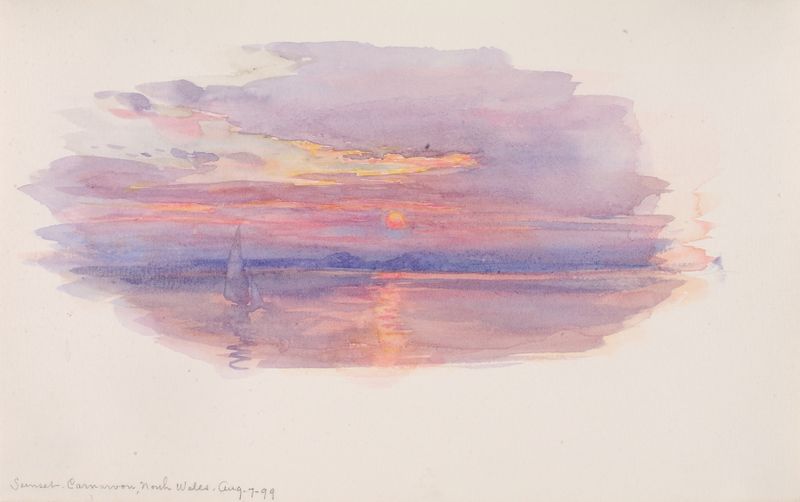
Sunset, Caernarvon, North Wales
George Elbert Burr
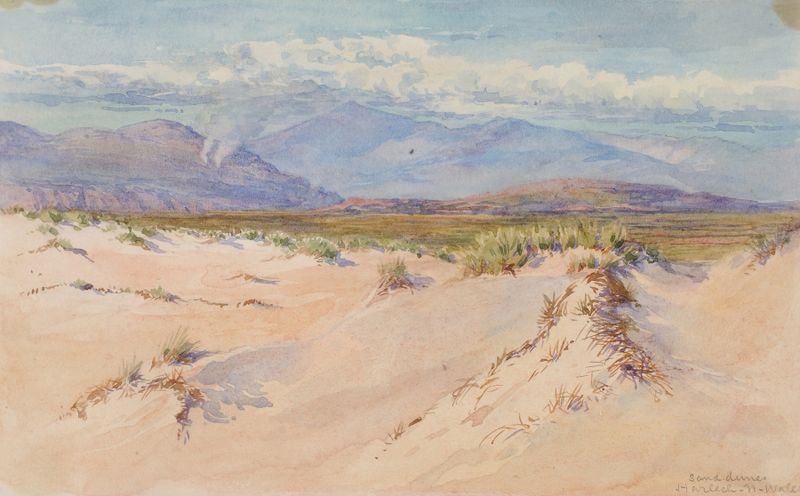
Sand Dunes, Harlech, North Wales
George Elbert Burr

From Pincio, Rome
George Elbert Burr

The Wye near Ross
George Elbert Burr

Venice
George Elbert Burr
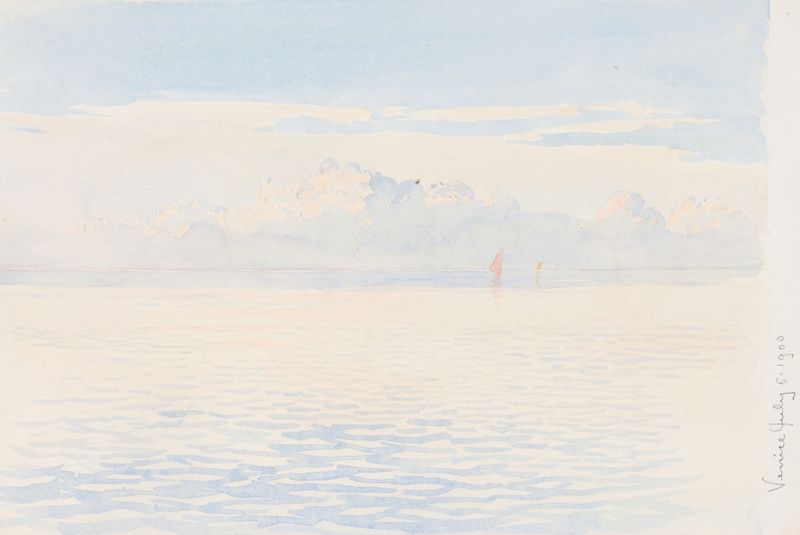
Venice II
George Elbert Burr

Shore at Pwllheli, N. Wales
George Elbert Burr

The Wye at Wilton Castle (Wales)
George Elbert Burr

Venice
George Elbert Burr

Criccieth, N. Wales II
George Elbert Burr





