From Paradise to Purgatory, Newport — History & Analysis
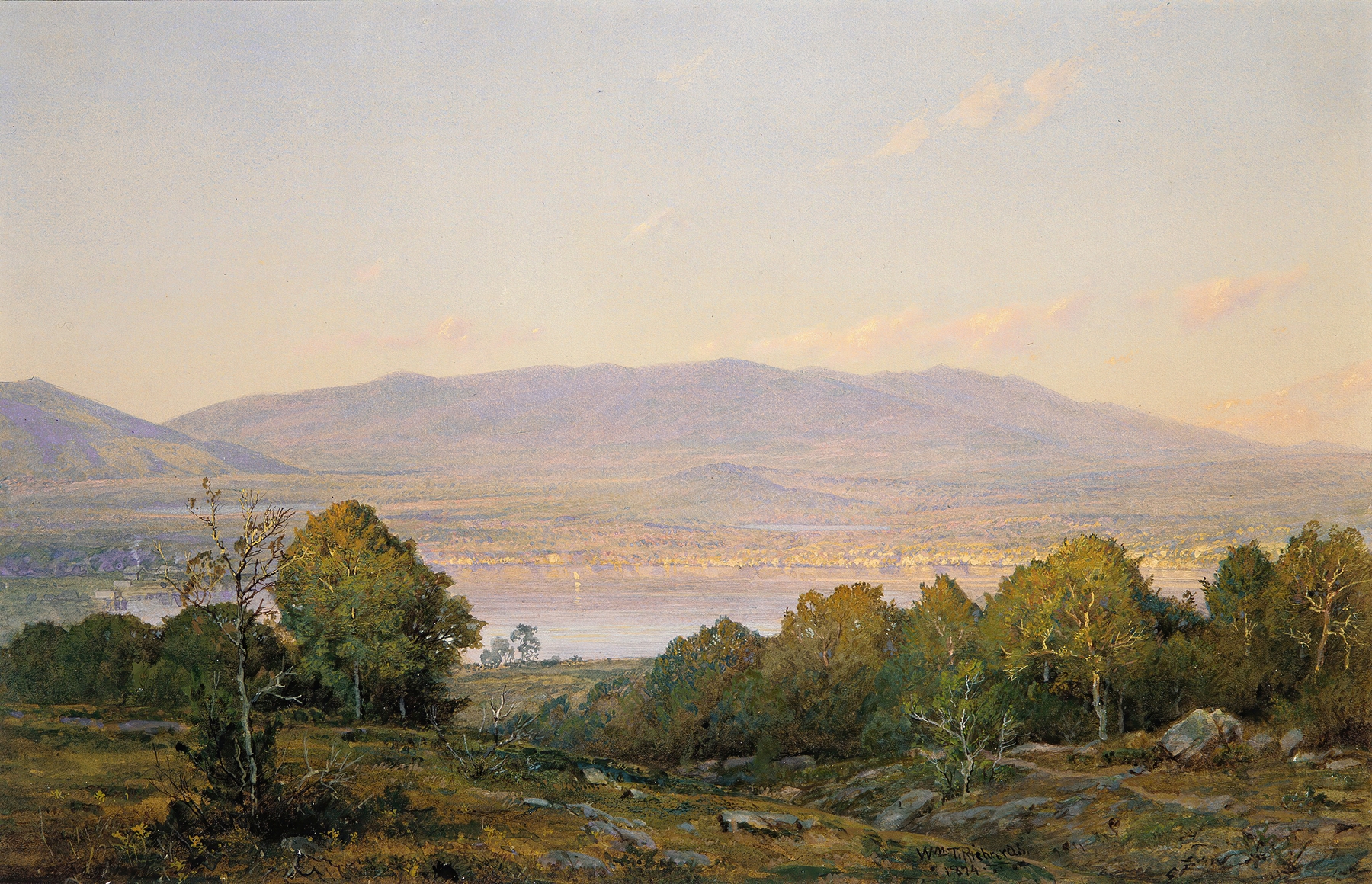
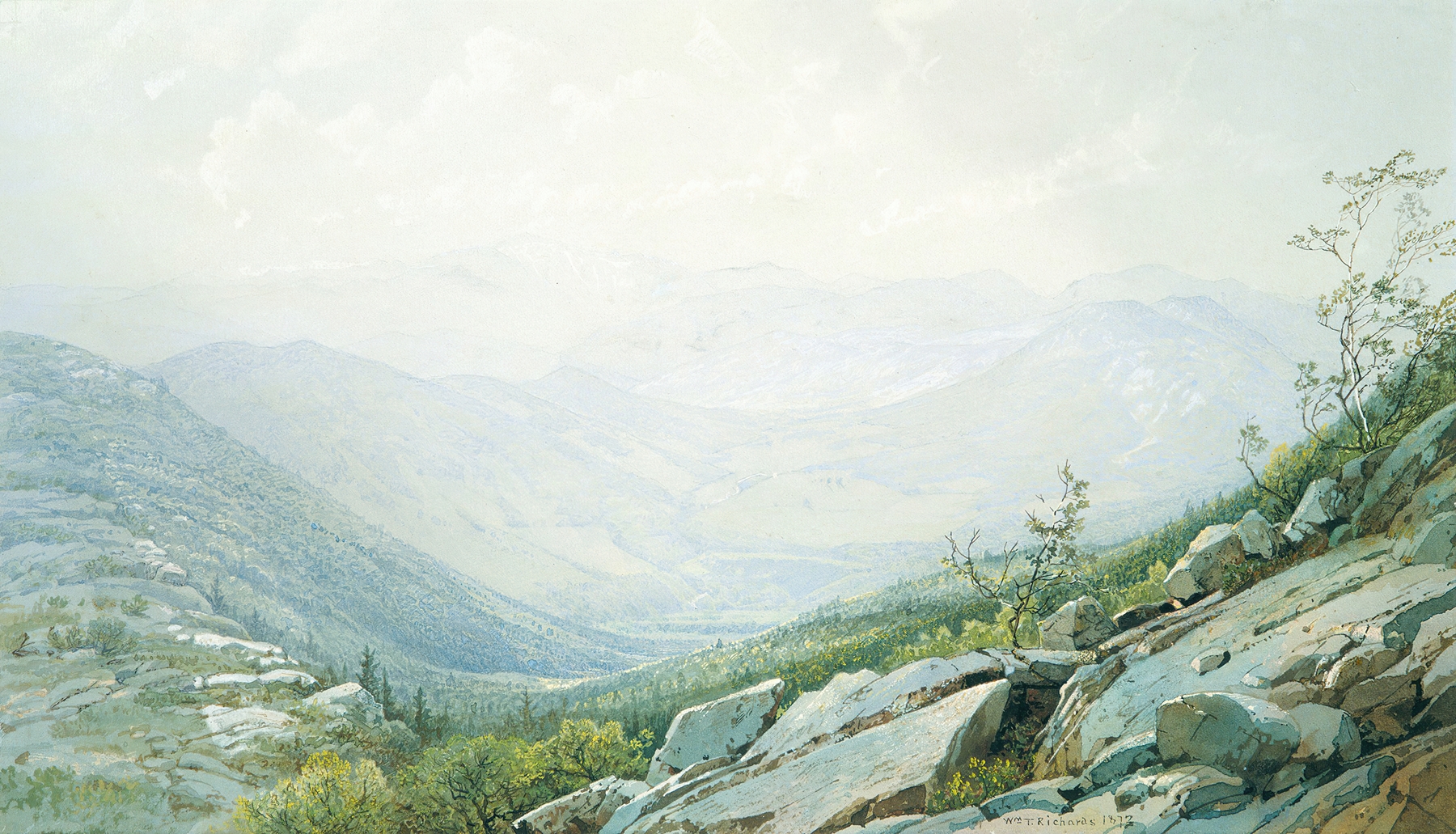
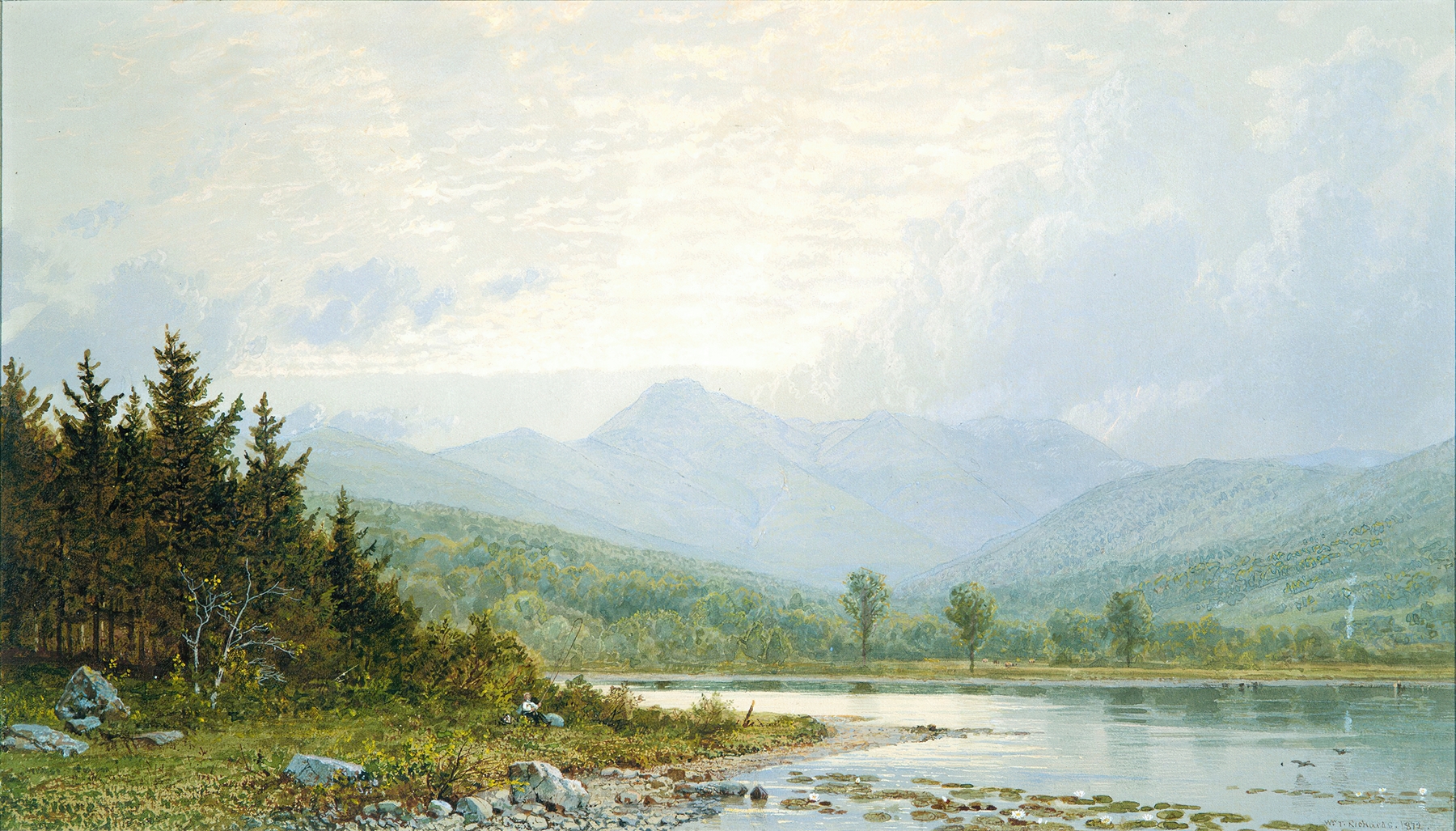
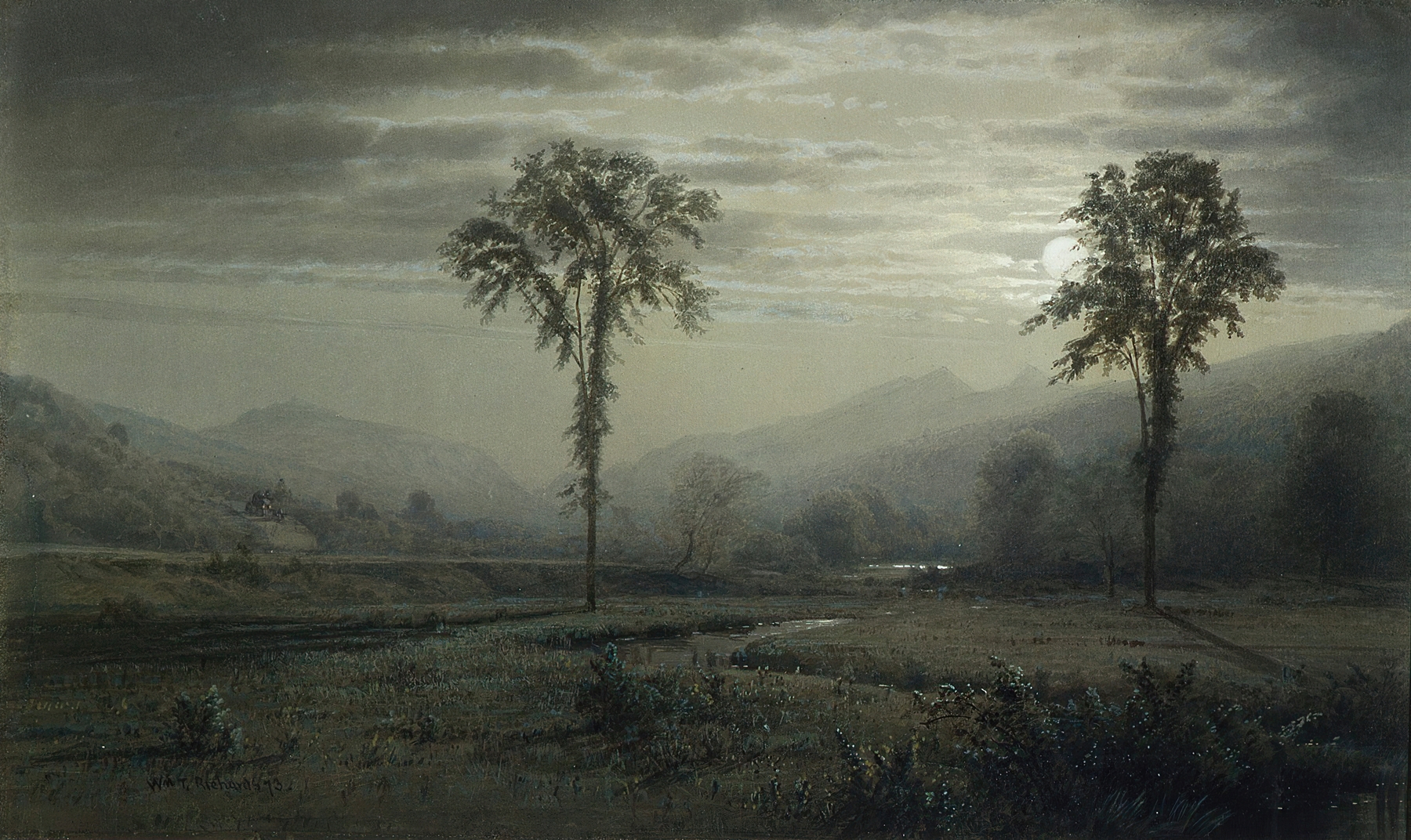
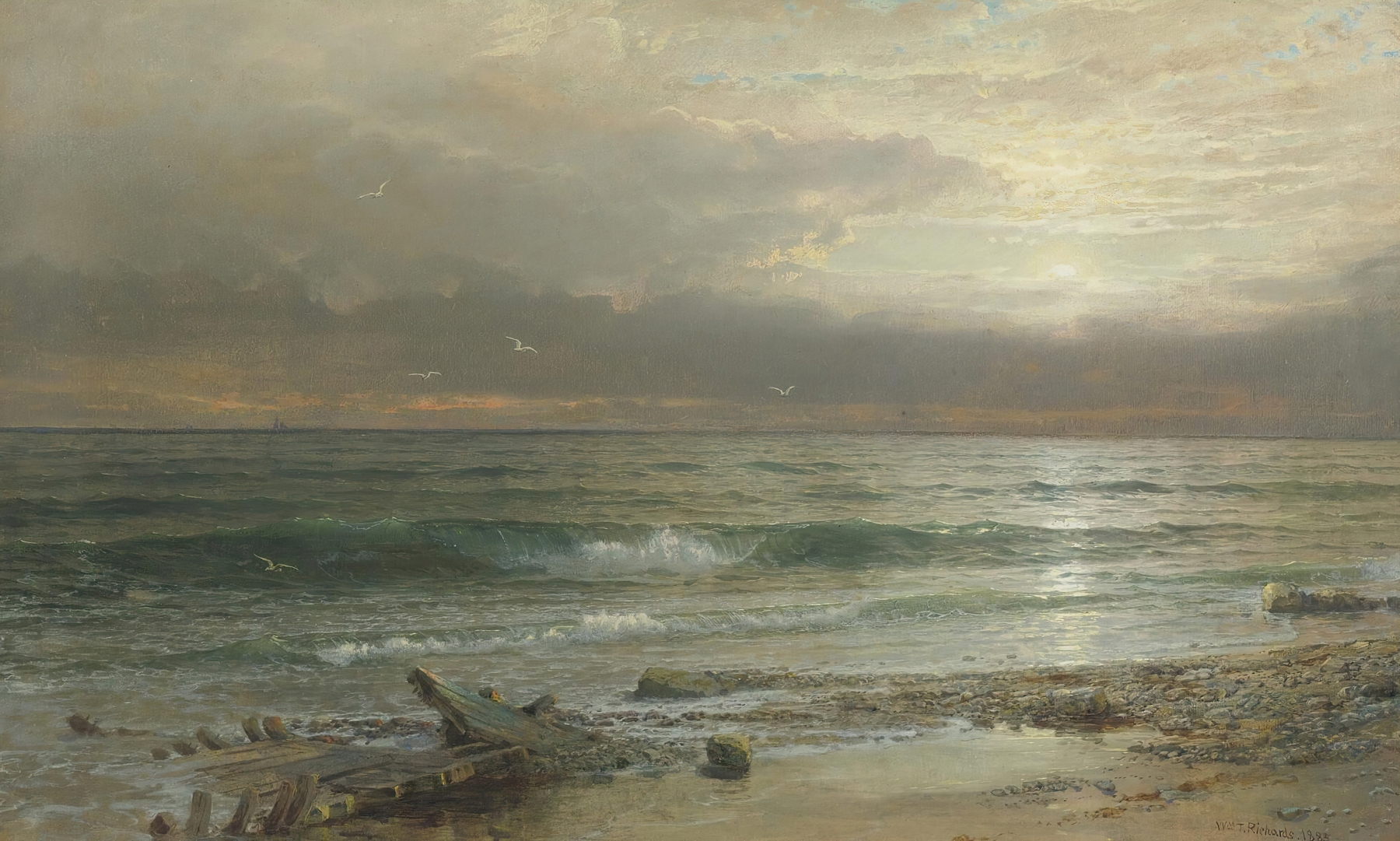
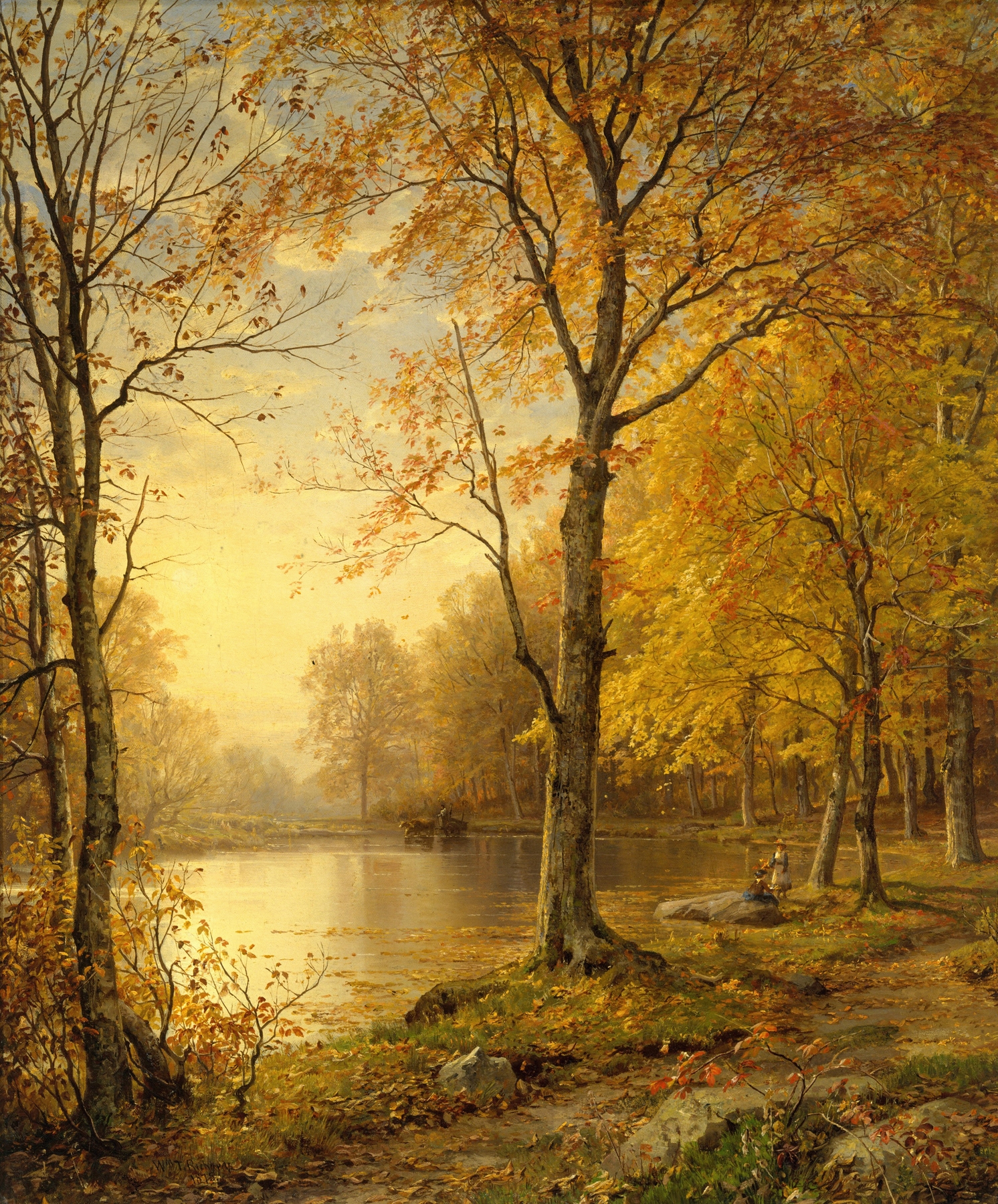
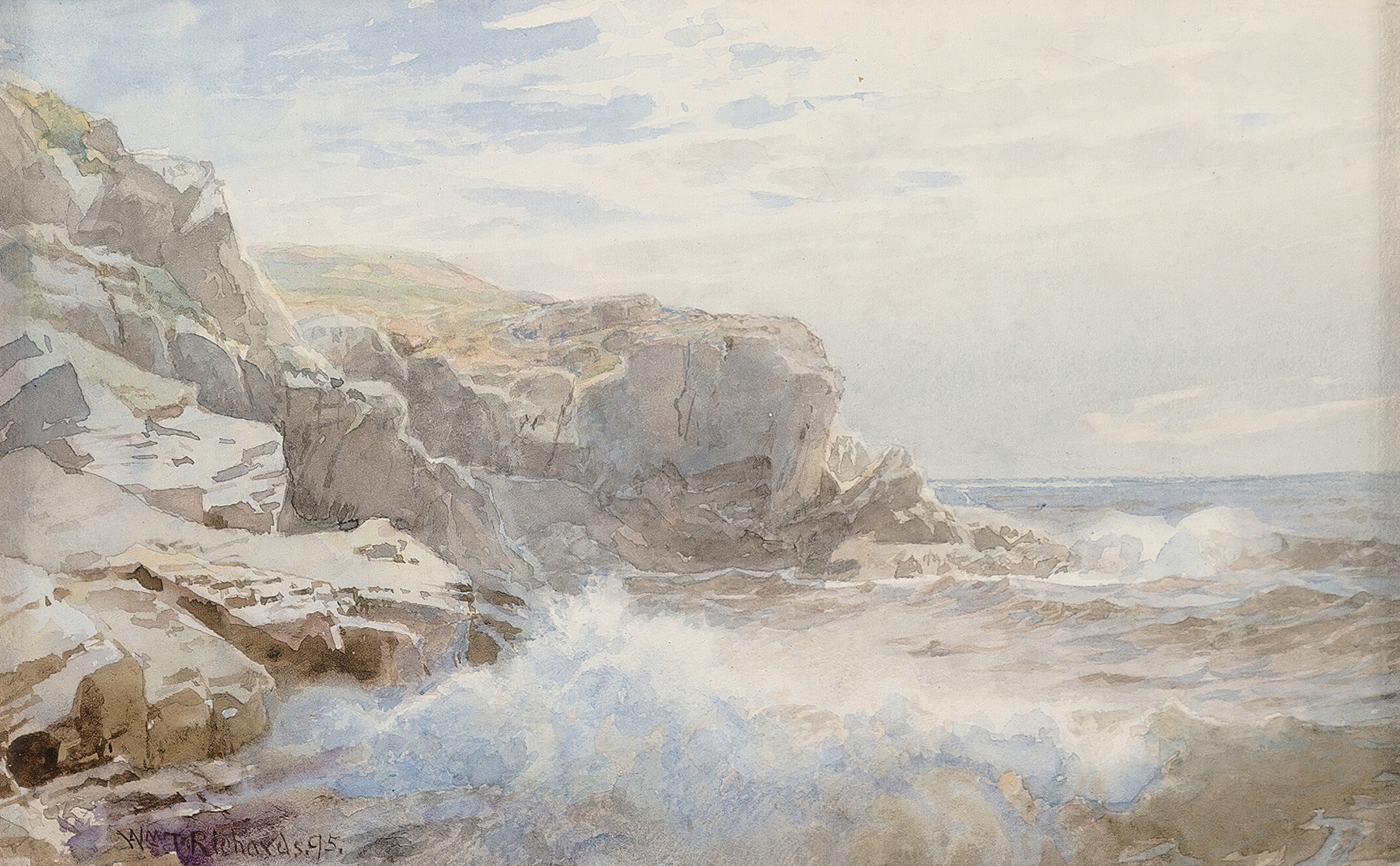
Could beauty survive in a century of chaos? The tension between tranquility and turmoil whispers through the intricacies of nature, revealing a profound yearning within us all. Look closely at the sweeping landscape where the horizon meets a turbulent sky. The storm clouds loom, casting shadows over lush green hills that stretch toward the viewer. Notice how vibrant greens contrast sharply with ominous grays, while the interplay of light and dark creates a palpable sense of foreboding.
The meticulous attention to detail in the foliage invites exploration, drawing your eye through the composition as it dances along the contours of the land. Upon further inspection, you find small elements that enhance the artwork's emotional depth. The subtle hint of sunlight breaking through the clouds represents hope, suggesting that even in darkness, beauty persists. The juxtaposition of the serene landscape against the chaotic sky embodies the tension between idealism and reality, offering a reflection on humanity's struggle to find peace amidst turmoil.
Each brushstroke captures the fleeting nature of paradise, leaving viewers to ponder what is lost and what remains. In 1878, the artist was deeply entrenched in the American landscape movement while residing in Newport, Rhode Island. This period was marked by a fascination with the sublime aspects of nature and a growing awareness of industrial influences encroaching upon the natural world. Richards’ work conveys a sense of urgency, urging viewers to appreciate the beauty that exists even as change looms on the horizon.