
Fruit bowl (nature morte) — History & Facts
A fan of bold color greets the viewer before any fruit does, its sweeping arc and vibrant stripes drawing the eye across the canvas like a stage curtain about to rise. The fruit bowl itself, perched on a white pedestal, becomes an island of calm amid the energetic brushwork—its pears and plums rendered with thick, confident strokes that pulse with life. The bottle at right, cool and blue, stands sentinel, its facets catching the light and anchoring the composition.
Notice how the green cloth beneath everything is not a simple backdrop but a living surface, its folds and shadows painted with the same vigor as the fruit above. Every object seems to vibrate with the energy of the painter’s hand, as if the scene were assembled not just for the eye, but for the very pleasure of painting it. Works like this, painted in the 1910s, belong to a moment of restless experimentation in European art. Still lifes, long a staple of the academic tradition, were being reimagined by artists who sought to capture not just objects, but the sensation of seeing them.
Painters like Astrid Holm—whose work here is documented from the early 1910s and now appears in the collection at bukowskis.com—embraced the lessons of Post-Impressionism and Fauvism, using color and brushwork to create mood and structure. Such paintings were often made for private patrons or exhibitions, serving as both technical exercises and declarations of artistic intent. History has kept few traces of this specific canvas’s journey, but its lively surface invites us to linger, searching for the moment when paint becomes fruit, and fruit becomes color.
More Artworks by Astrid Holm

Motif from the Seine, Paris
Astrid Holm
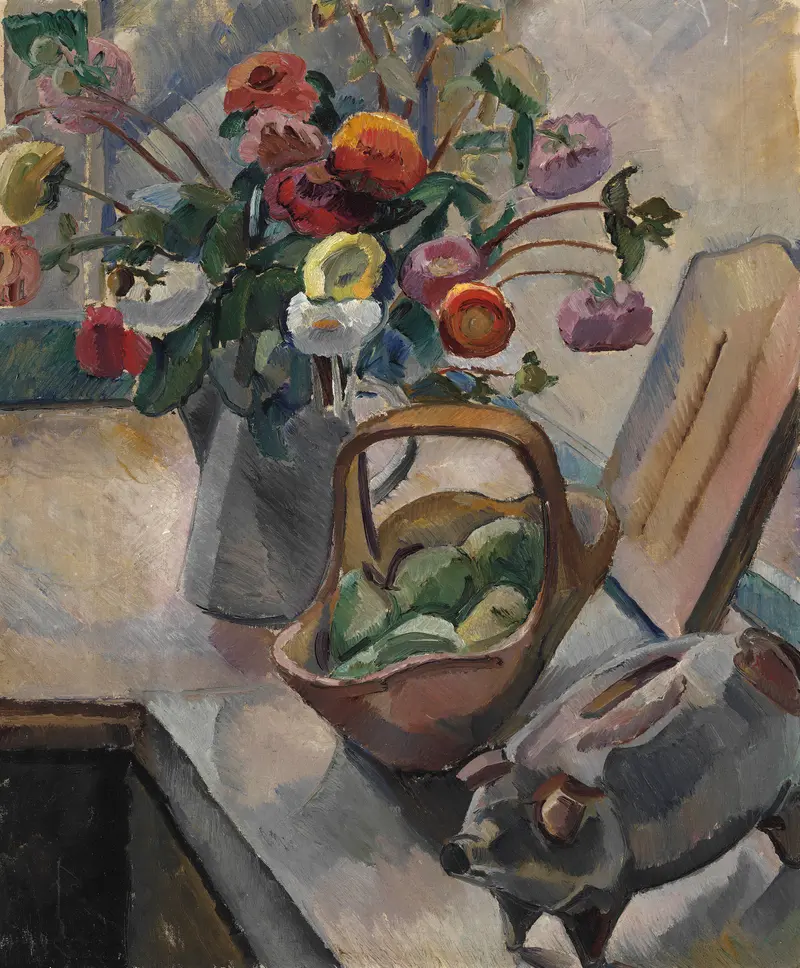
Still life with flowers and piggy bank
Astrid Holm
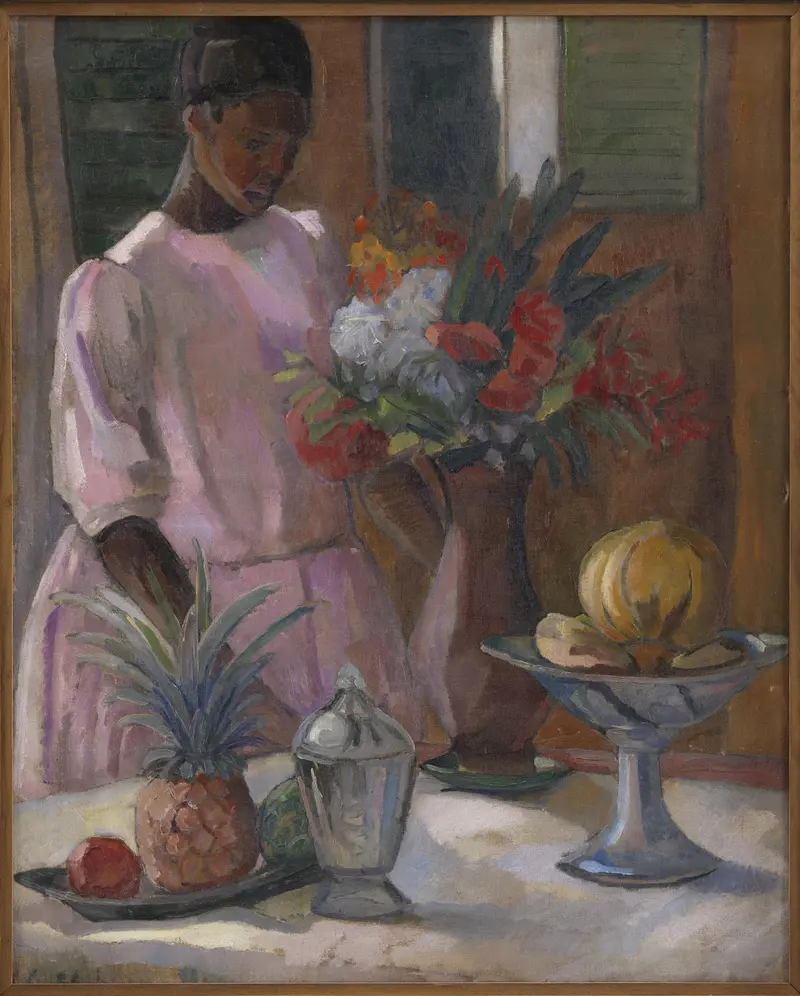
Rose Laying the Table
Astrid Holm
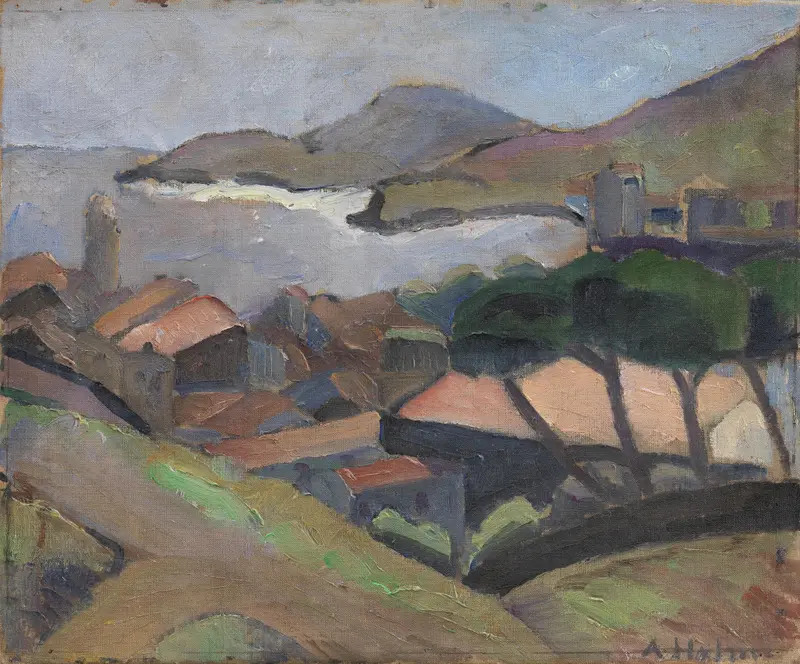
View of Collioure
Astrid Holm
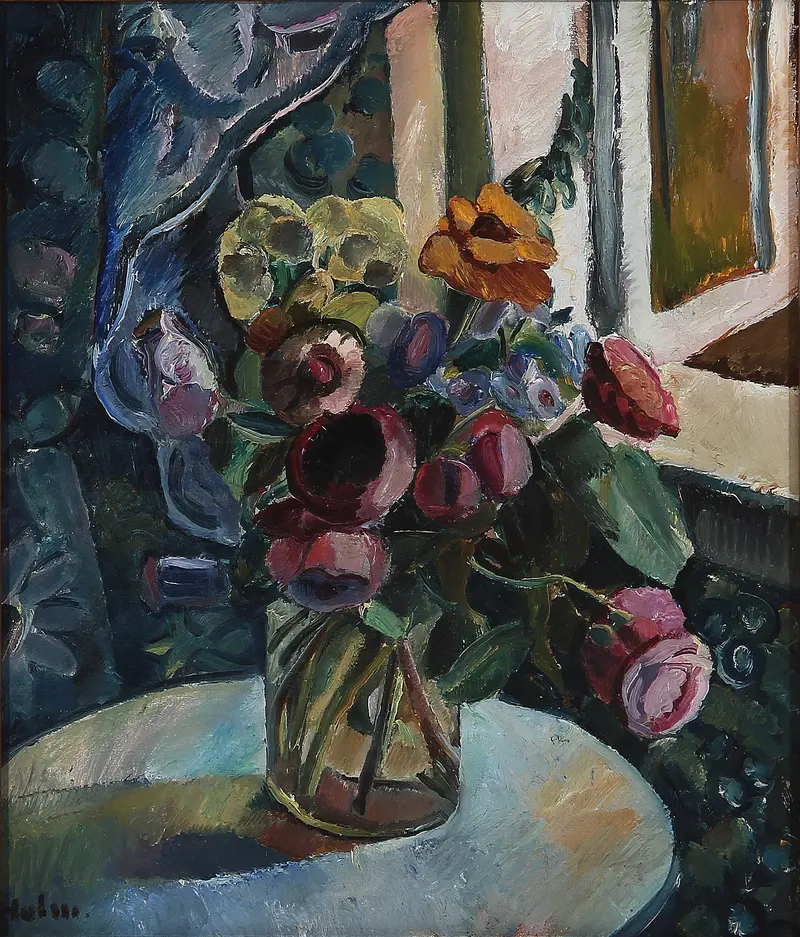
Still life with flowers in a vase
Astrid Holm
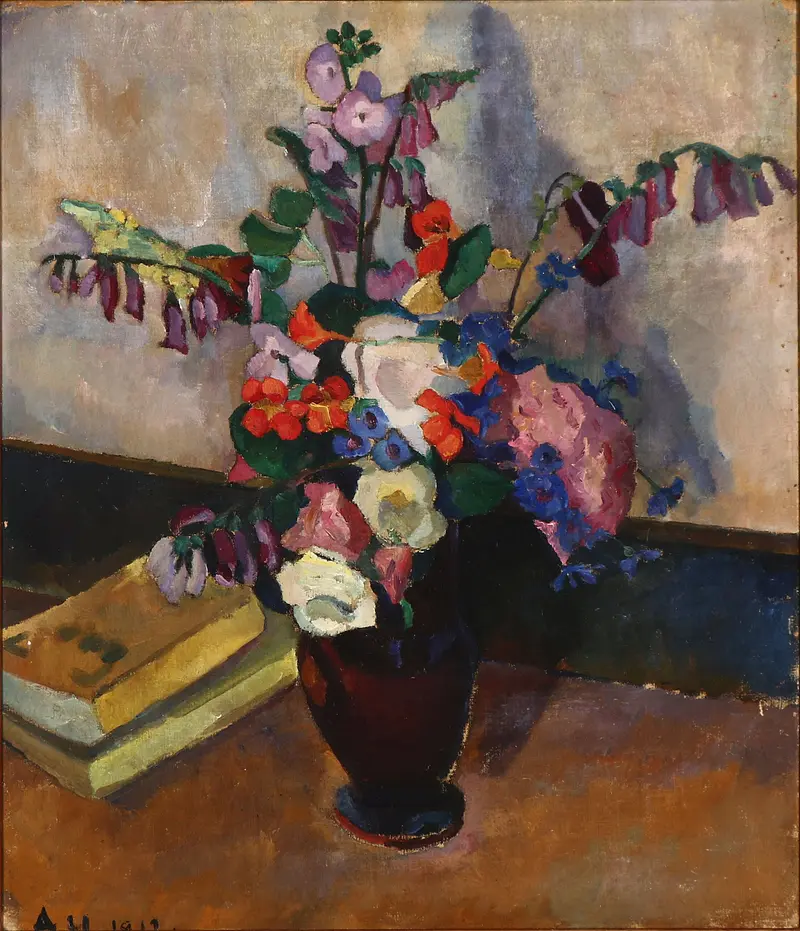
Still life with flowers
Astrid Holm
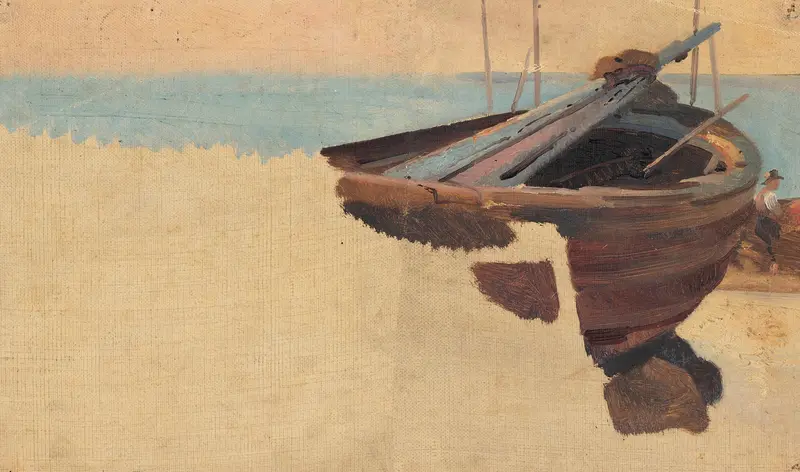
Untitled
Astrid Holm
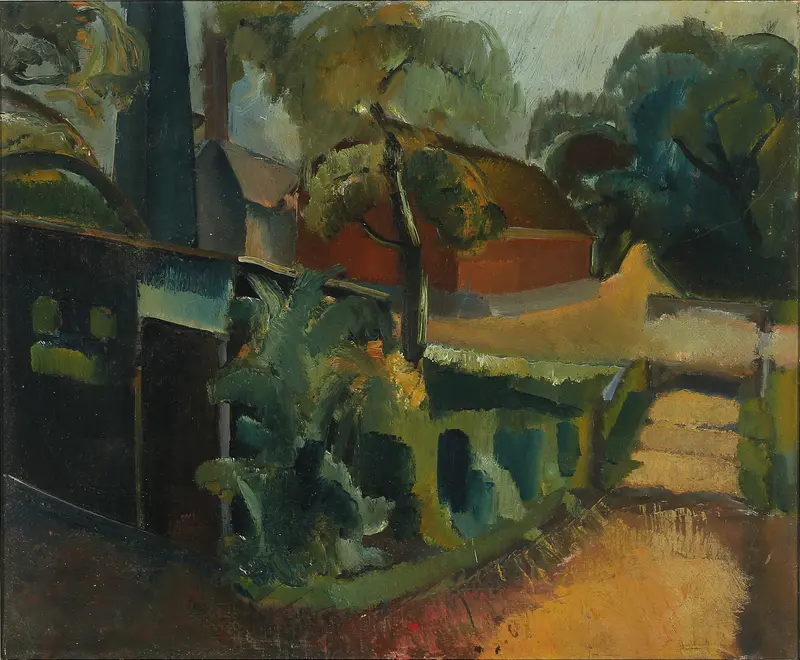
Garden
Astrid Holm
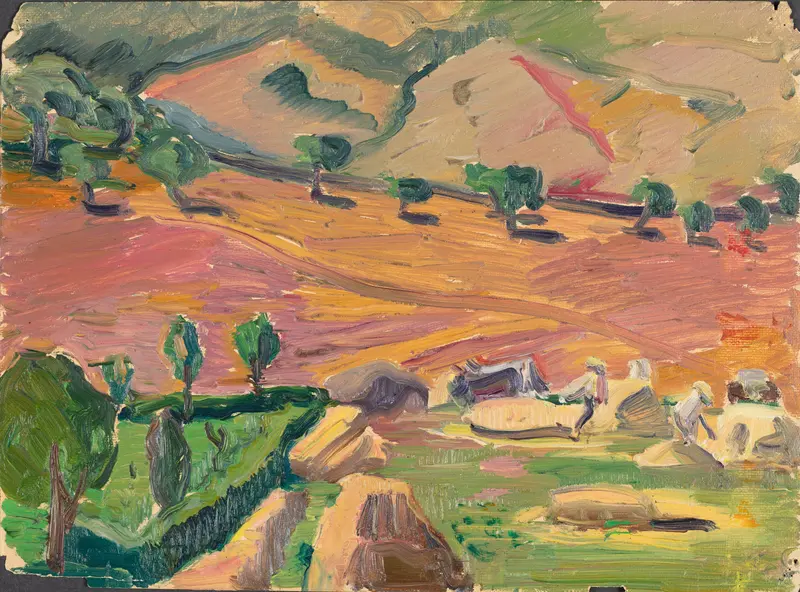
Landscape
Astrid Holm
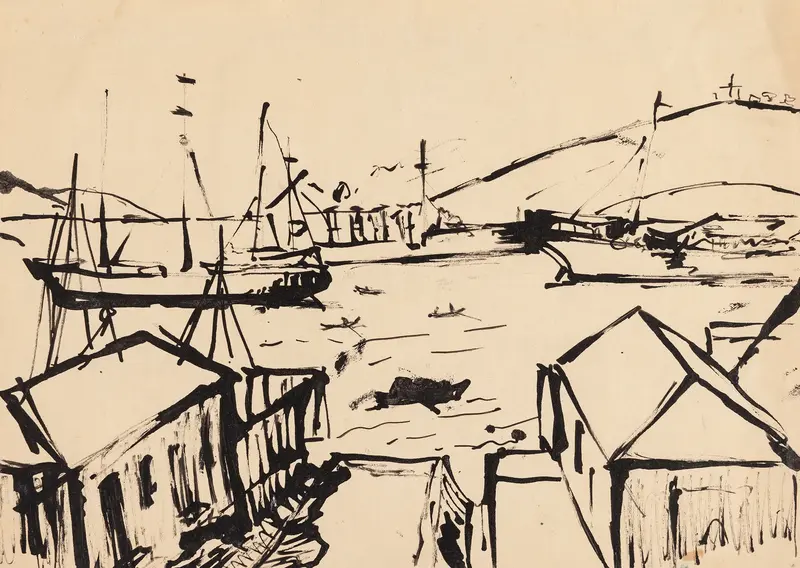
Port, West Indies
Astrid Holm





