
Still life with flowers — History & Facts
A burst of color greets the eye before anything else—a cluster of flowers, their petals rendered in thick, confident strokes, seem almost to pulse against the muted wall behind them. The painter has chosen not to arrange these blooms with the stiff symmetry of an academic bouquet, but instead lets them spill and lean, some blossoms drooping, others thrusting upward, as if caught mid-conversation. The vase anchors the composition, its deep, reflective surface echoing the darkness at the table’s edge, while the two closed books beside it hint at a quiet domestic world just out of frame.
The light, cool and indirect, falls across the flowers in patches, making the reds and violets flare and the creamy whites glow, drawing the viewer’s gaze in a slow circle around the arrangement. Painted in 1912, this Still life with flowers by Astrid Holm belongs to a moment when artists across Europe were breaking with tradition, experimenting with color and form in ways that would have startled their parents. Still life, once a genre for showing off technical skill or moralizing about the fleetingness of life, became instead a playground for color and personal expression. In Denmark and beyond, women painters like Holm were quietly claiming space in the avant-garde, even as history has kept few traces of their stories.
Today, the work survives in the collection of bruun-rasmussen.dk—a reminder that even the humblest vase of flowers can be a declaration of artistic freedom. Look again at how the shadows fall, and imagine the painter’s hand, pausing, then choosing the next bold stroke.
More Artworks by Astrid Holm

Motif from the Seine, Paris
Astrid Holm
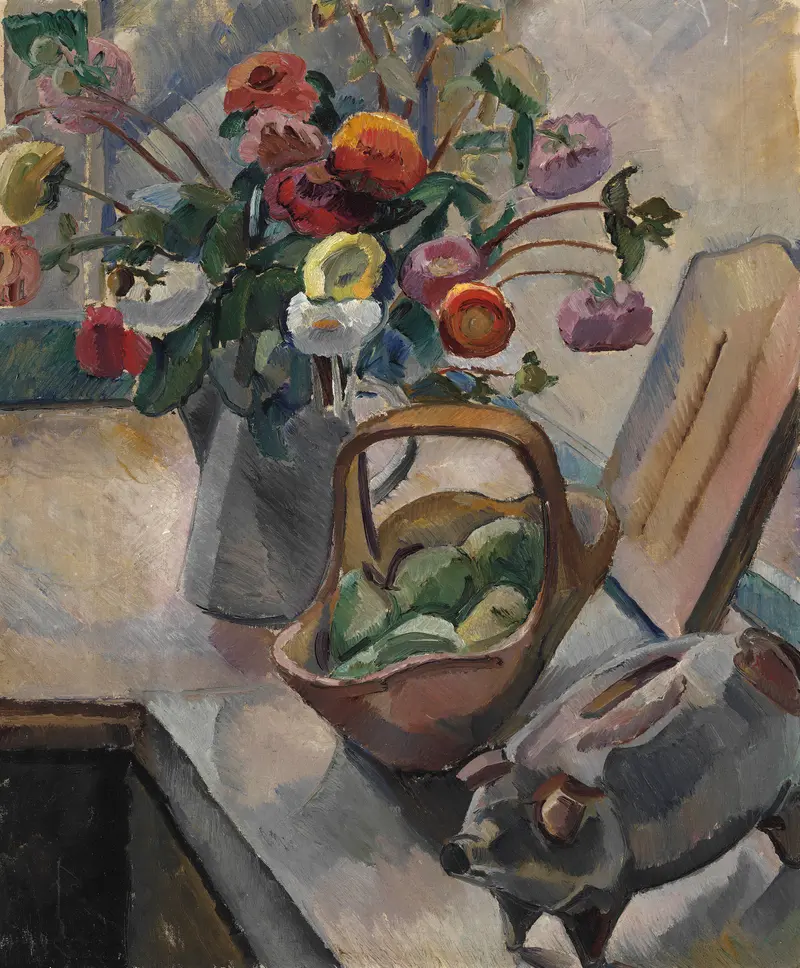
Still life with flowers and piggy bank
Astrid Holm
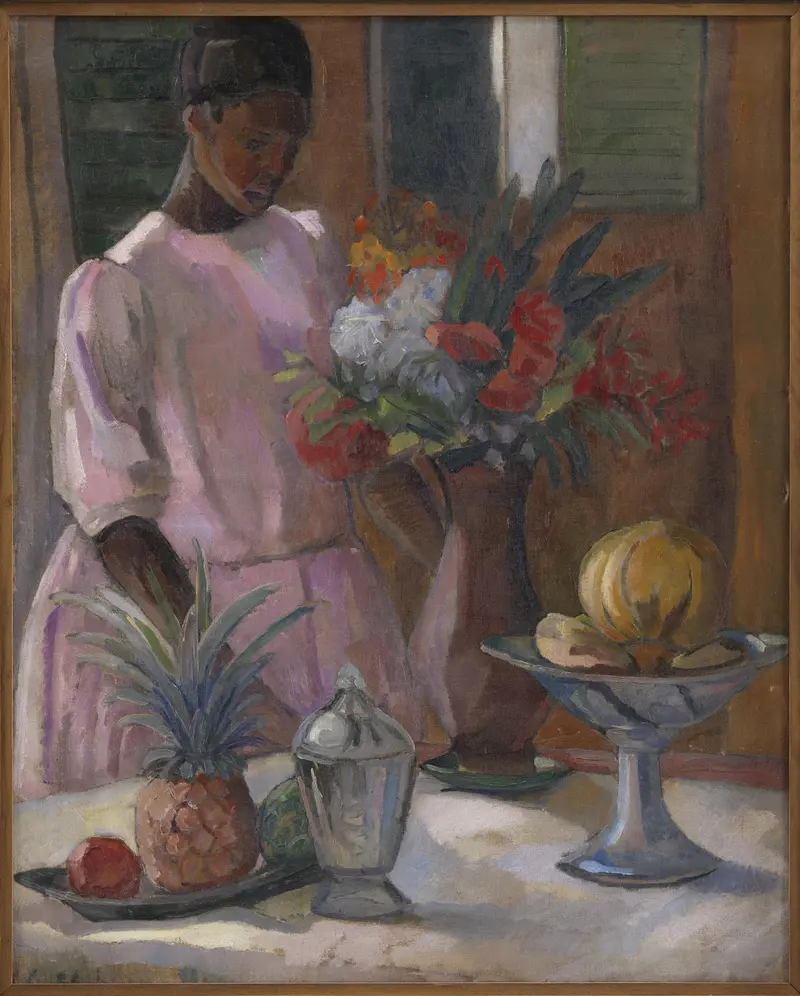
Rose Laying the Table
Astrid Holm
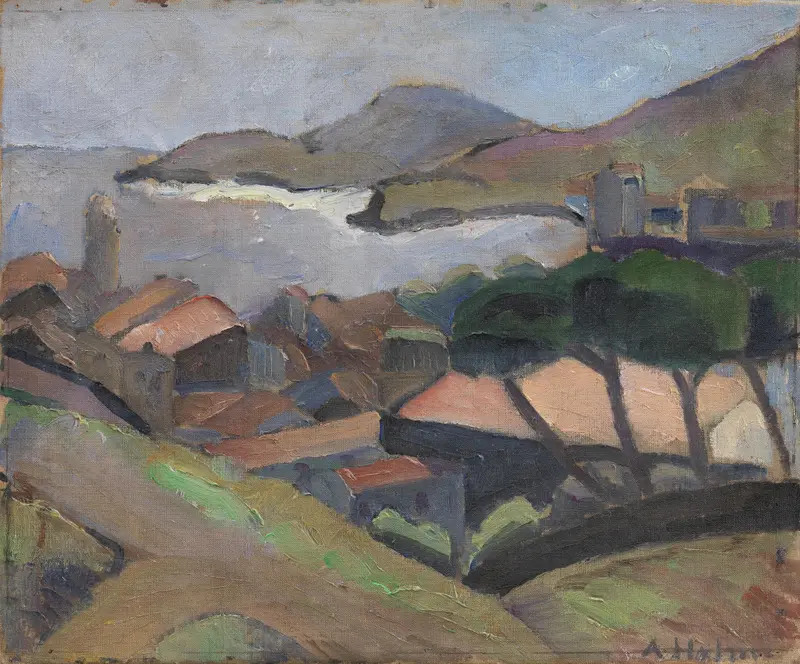
View of Collioure
Astrid Holm
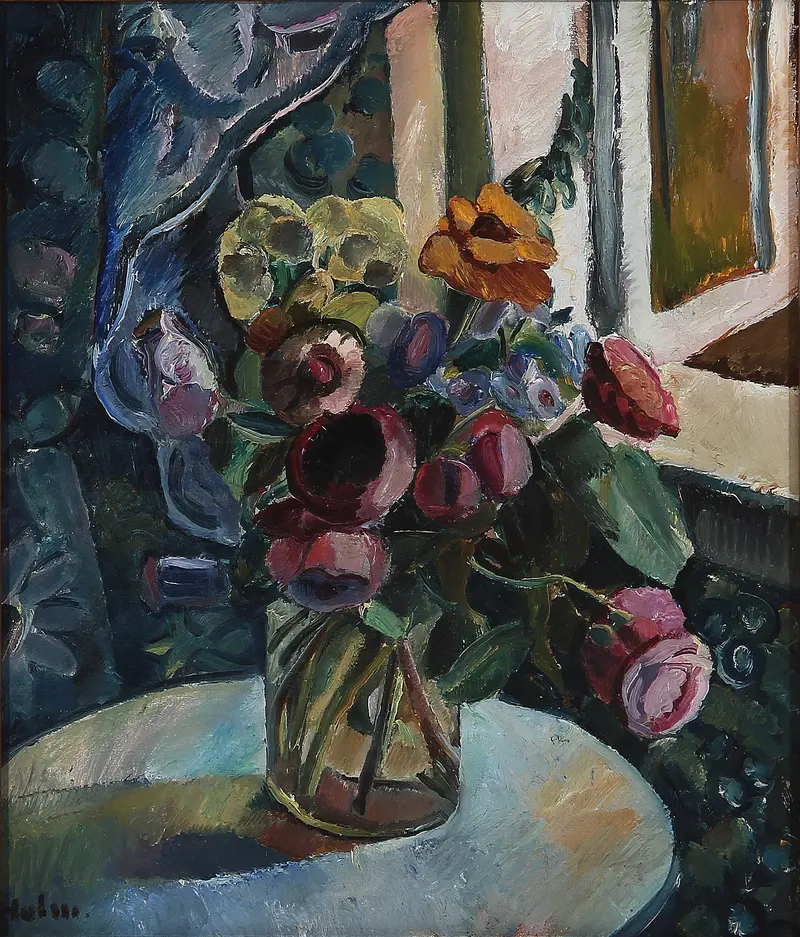
Still life with flowers in a vase
Astrid Holm
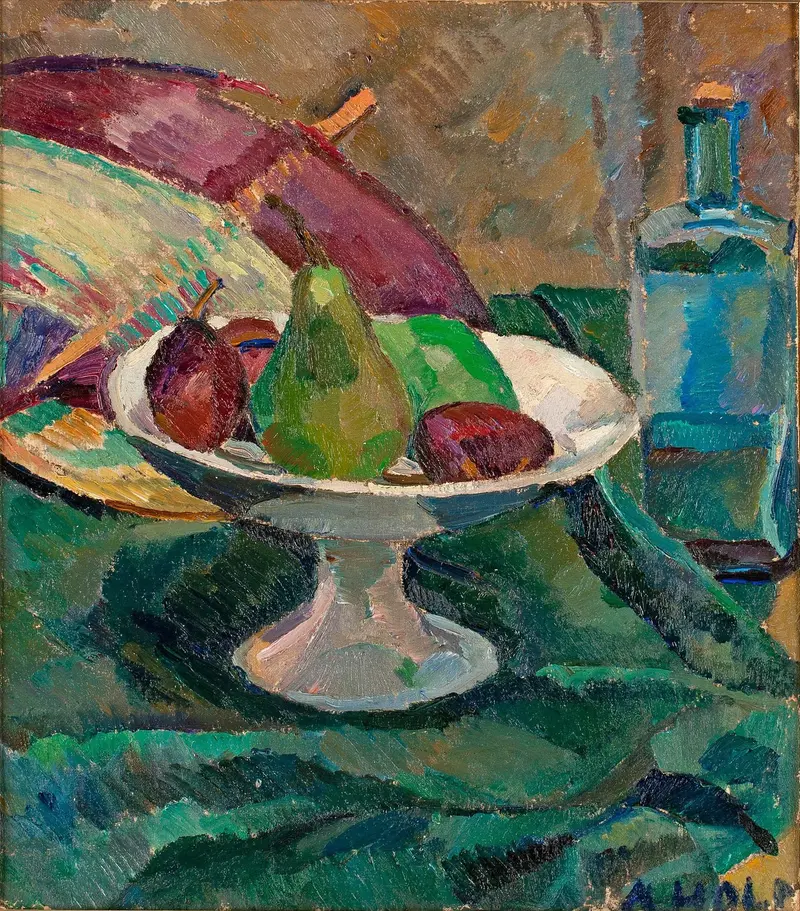
Fruit bowl (nature morte)
Astrid Holm
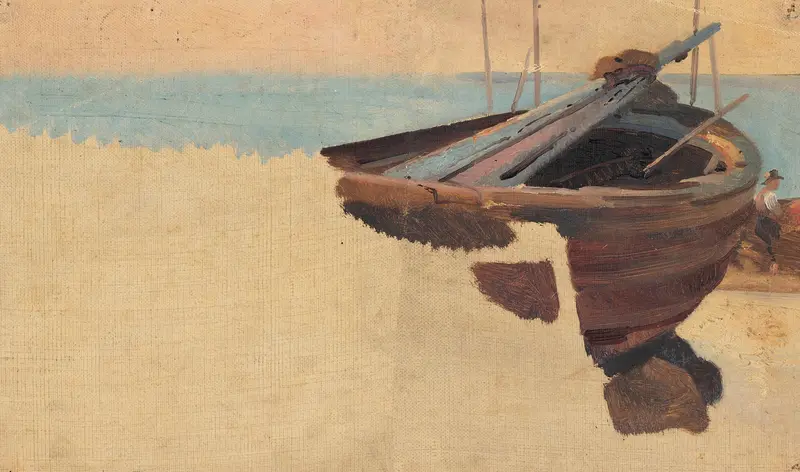
Untitled
Astrid Holm
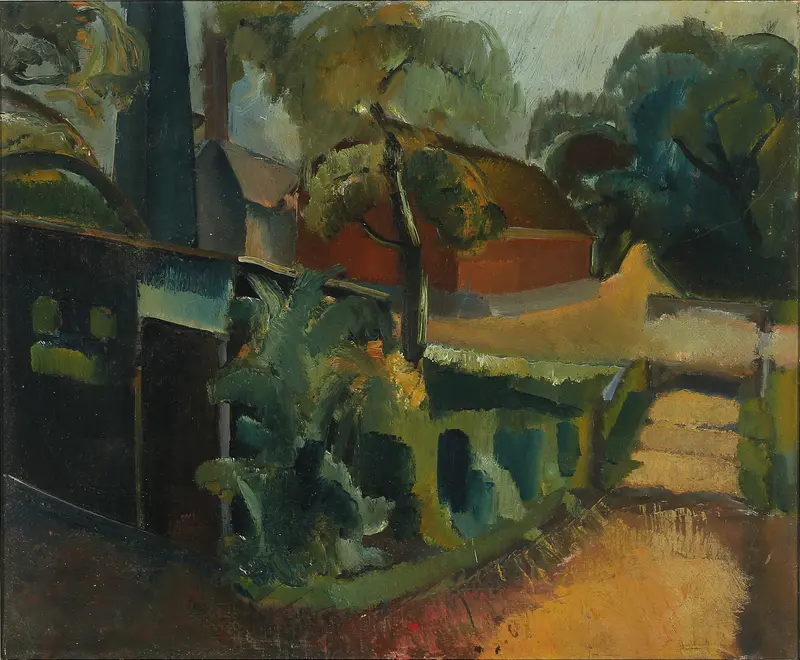
Garden
Astrid Holm
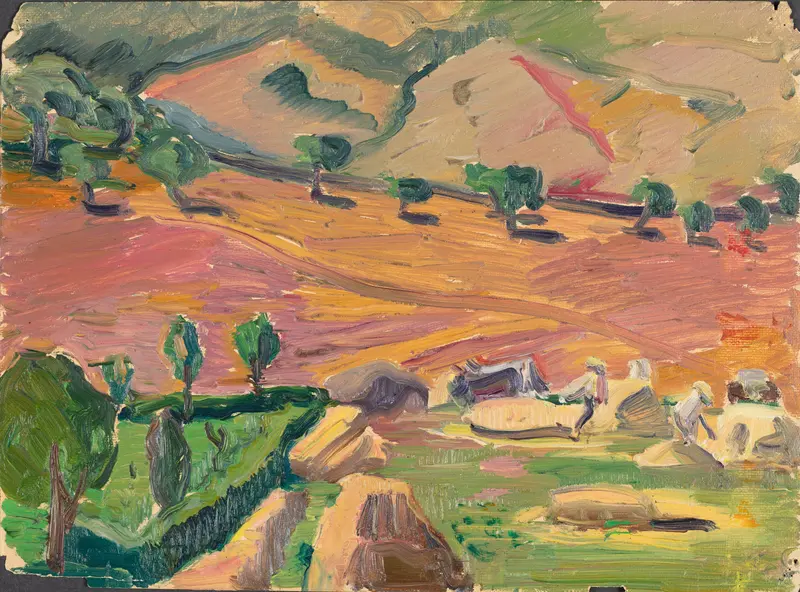
Landscape
Astrid Holm
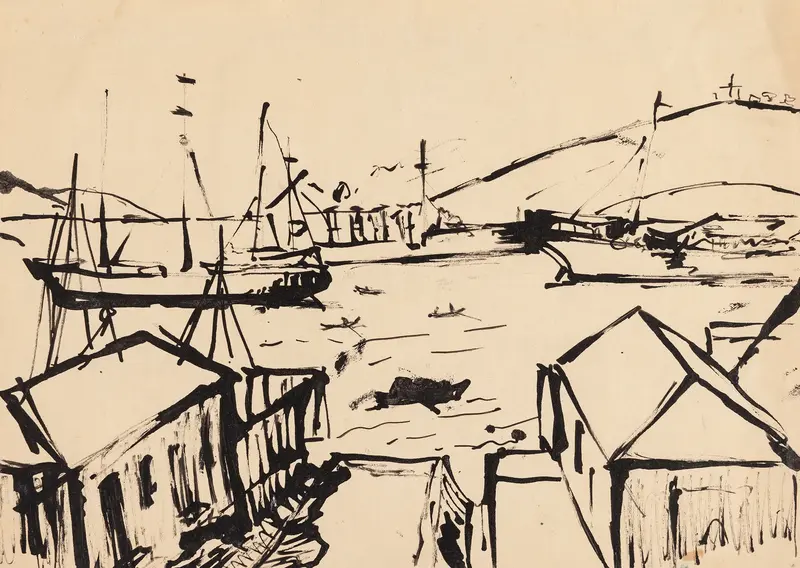
Port, West Indies
Astrid Holm





