
Rose Laying the Table — History & Facts
A hush of anticipation lingers in the air as Rose, absorbed in her task, arranges a lush bouquet on the table. The artist, Astrid Holm, chooses a moment of quiet preparation rather than celebration, drawing our attention to the concentration in Rose’s downturned gaze and the gentle curve of her hands. The pale pink of her dress catches the light, echoing the delicate blooms she tends, while the rest of the room recedes into cool shadow.
The table, a stage for both fruit and silver, glows with a subtle interplay of textures—pineapple spikes, the gleam of metal, the heavy gloss of a melon. Every object seems to wait for its place, as if the meal or gathering is just about to begin. Painted in 1914, Rose Laying the Table belongs to a world on the cusp of modernity, when artists like Holm were exploring new freedoms in color and composition. Still lifes and scenes of domestic labor had long been the domain of European painting, but by the early twentieth century, they began to reflect shifting social roles and a fascination with everyday rituals.
Holm’s work, now in the National Gallery of Denmark, quietly honors the dignity of preparation and the beauty of the ordinary. Look again at the way the window’s light falls across Rose’s shoulder and the fruit: this is a painting that asks us to linger in the pause before the feast.
More Artworks by Astrid Holm

Motif from the Seine, Paris
Astrid Holm
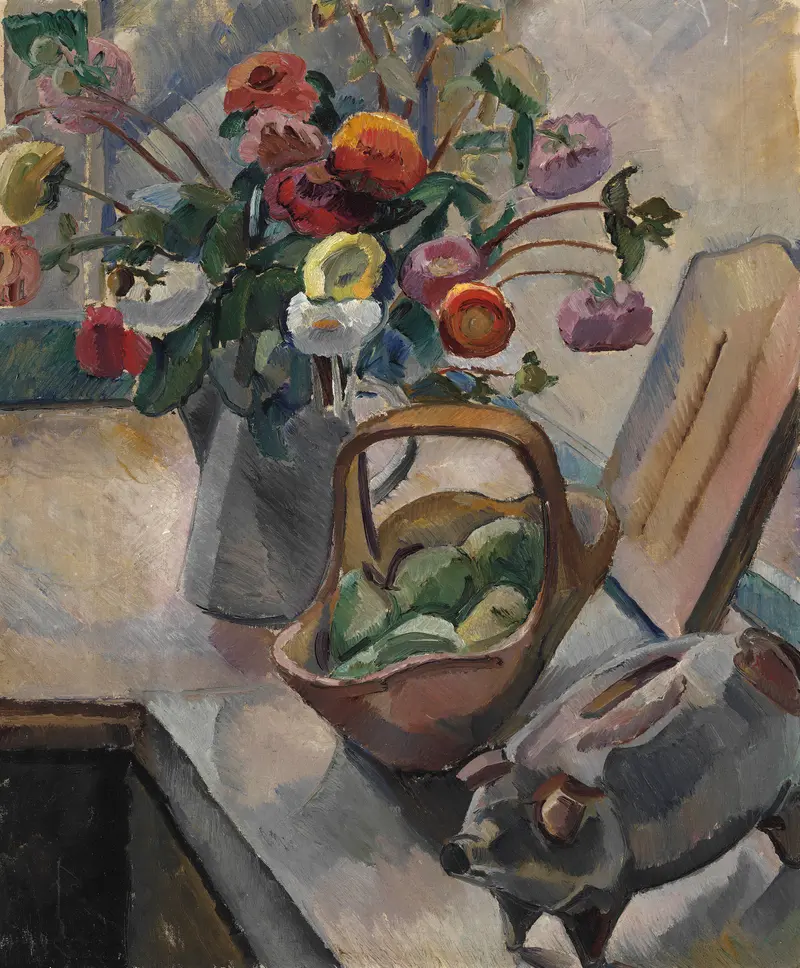
Still life with flowers and piggy bank
Astrid Holm
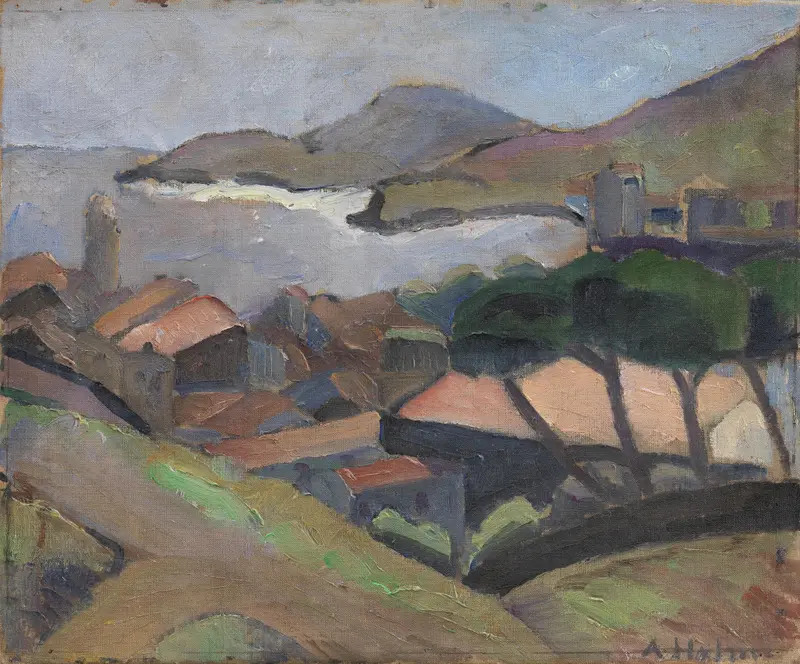
View of Collioure
Astrid Holm
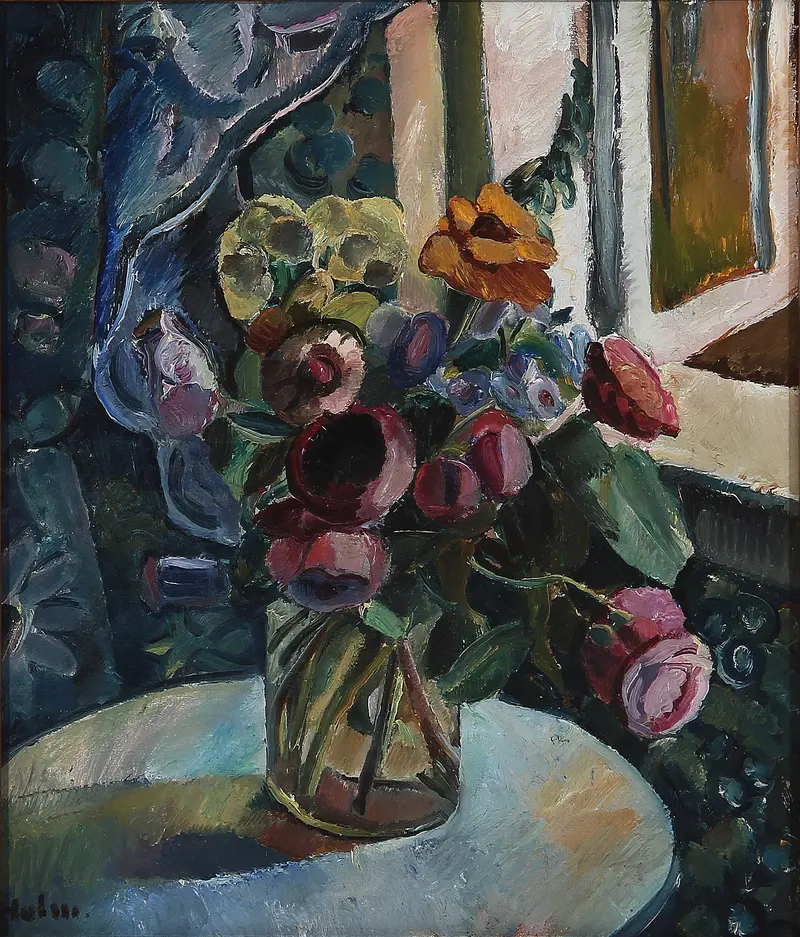
Still life with flowers in a vase
Astrid Holm
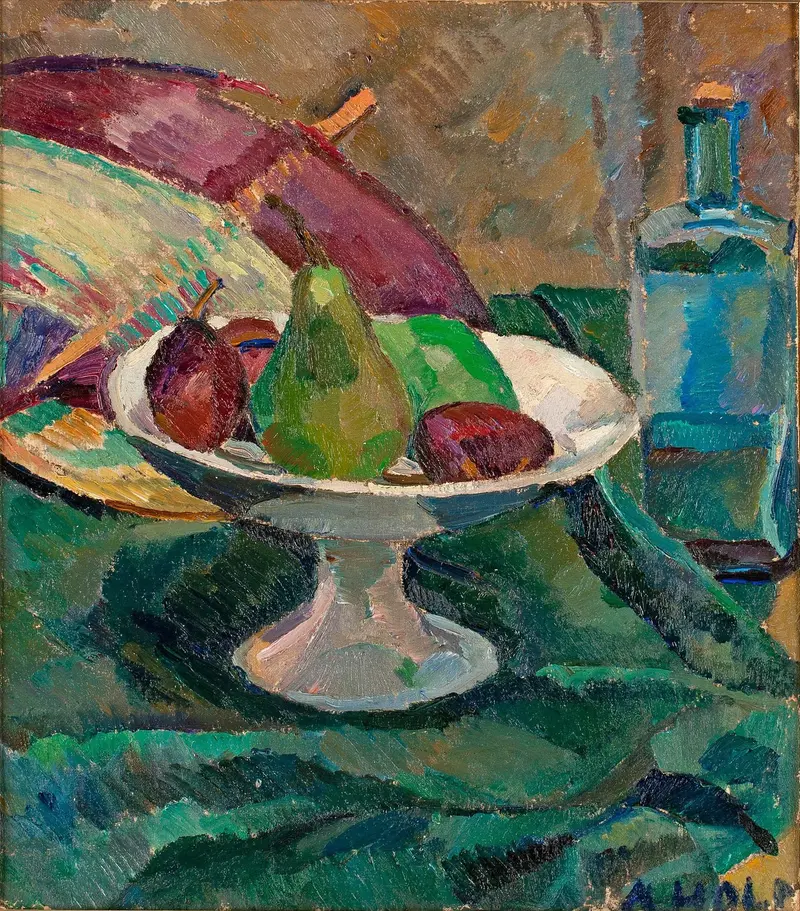
Fruit bowl (nature morte)
Astrid Holm
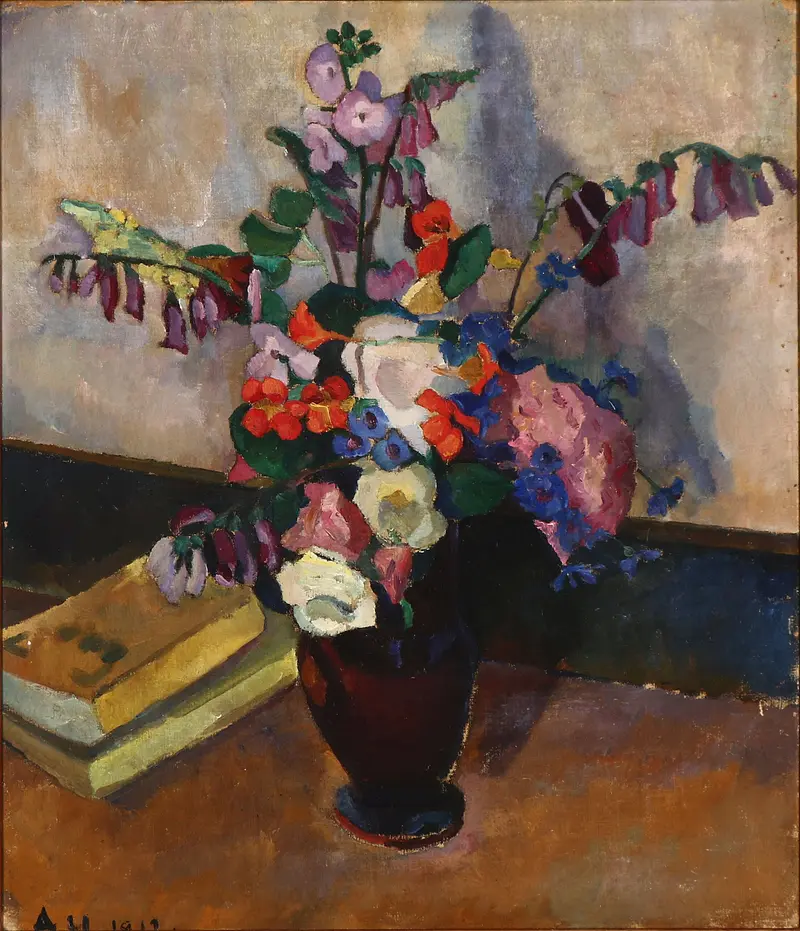
Still life with flowers
Astrid Holm
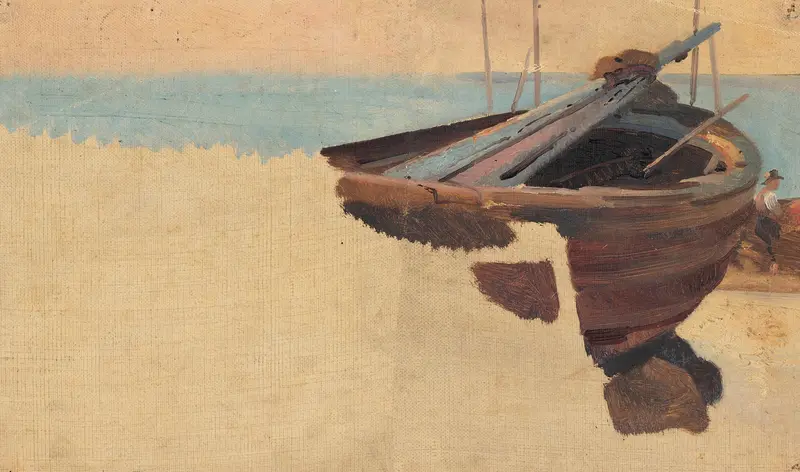
Untitled
Astrid Holm
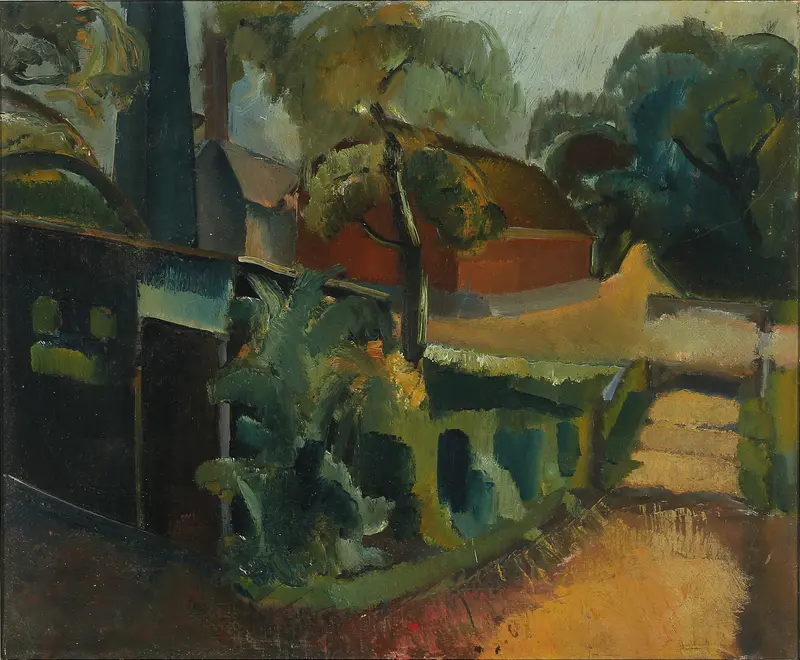
Garden
Astrid Holm
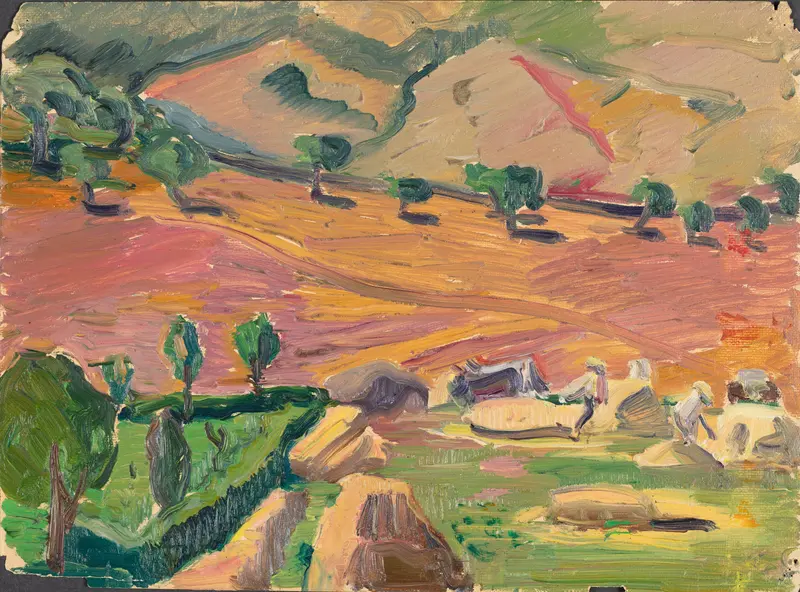
Landscape
Astrid Holm
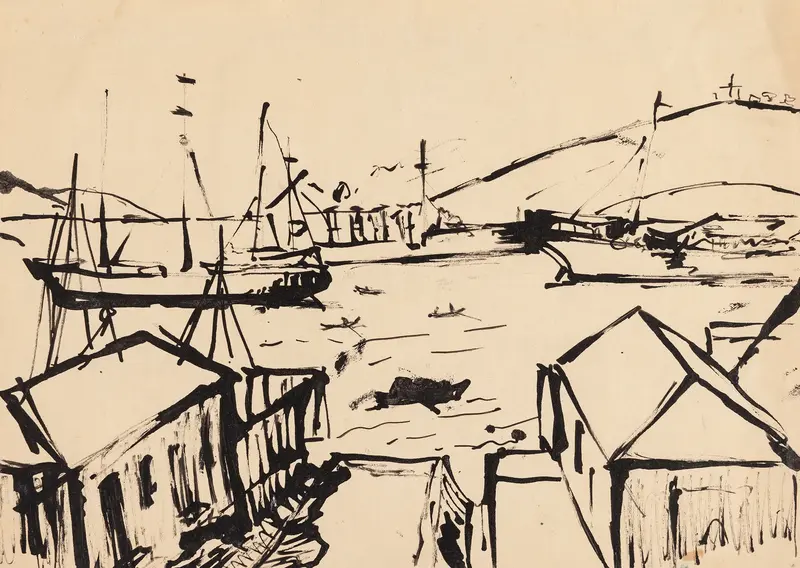
Port, West Indies
Astrid Holm





