Fruits of the Midi — History & Facts
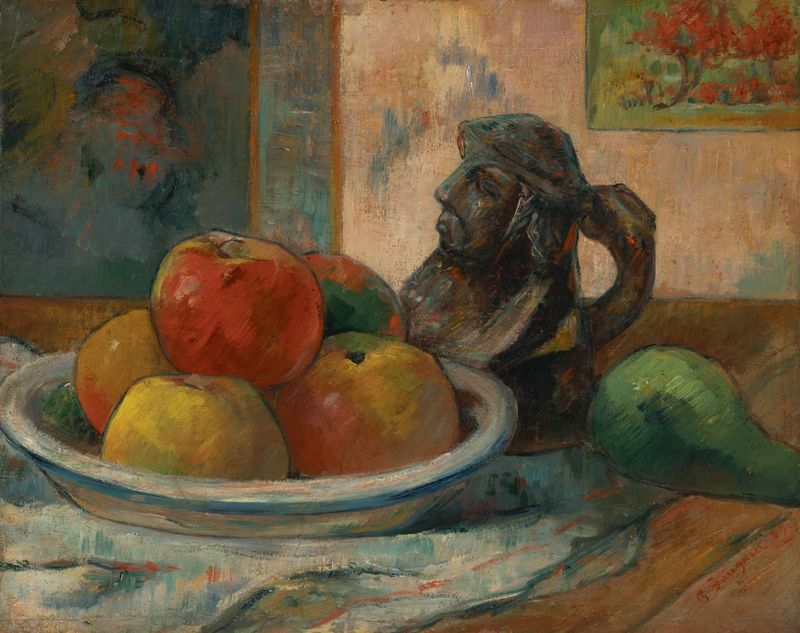
In Fruits of the Midi, a celebration of transformation unfolds, where nature’s bounty resonates with life and vibrancy. This artwork invites contemplation about the profound connections between our senses, the subtleties of existence, and the metamorphosis of the ordinary into the extraordinary. Look to the foreground at the riot of colors that characterizes the fruits arranged upon the table. The luscious reds of the cherries, the deep greens of the leaves, and the sun-drenched yellows of the lemons vie for your attention, each reflecting Renoir's masterful brushwork.
Notice how the light dances across the surfaces, casting gentle shadows that create depth and texture. The rich palette not only captures the essence of Mediterranean abundance but also conveys a sense of warmth and togetherness. Delve deeper into the composition, and you’ll find contrasts that evoke emotion—between light and shadow, life and stillness. The fruits, although static, exude an energy that hints at their brief existence, a moment captured before decay.
The surrounding space offers a quietude, a pause in the vibrant chaos, prompting reflections on the transience of beauty and the cycles of nature. This balance emphasizes the fleeting nature of life, creating a dialogue between the viewer and the canvas. In 1881, Renoir created Fruits of the Midi in France, during a period of artistic exploration and personal growth. He was delving into impressionism, embracing the play of light and color, while navigating his own artistic identity.
This era marked a transformation not only for him but for the art world, as artists sought to capture modern life and its ephemeral beauty in new ways.
More Artworks by Pierre-Auguste Renoir
Browse all →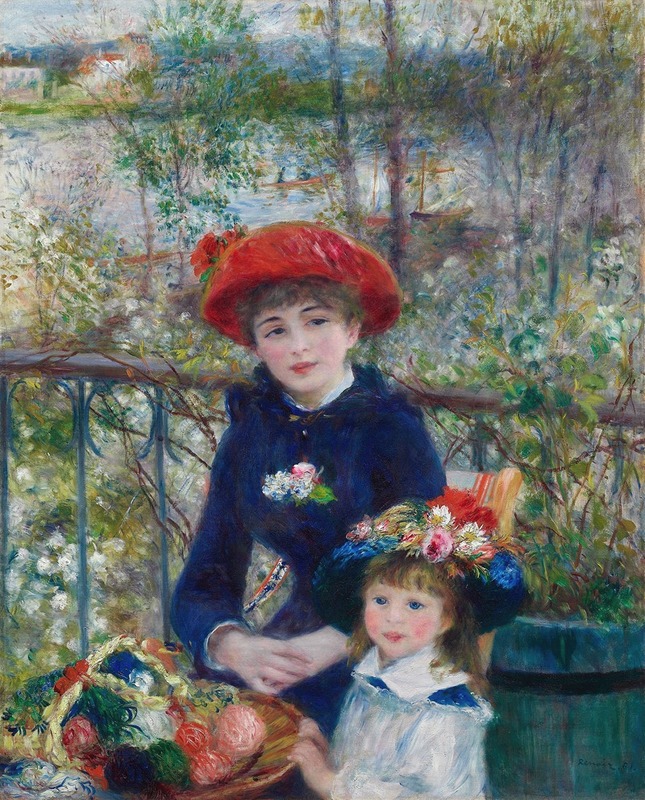
Two Sisters (On the Terrace)
Pierre-Auguste Renoir
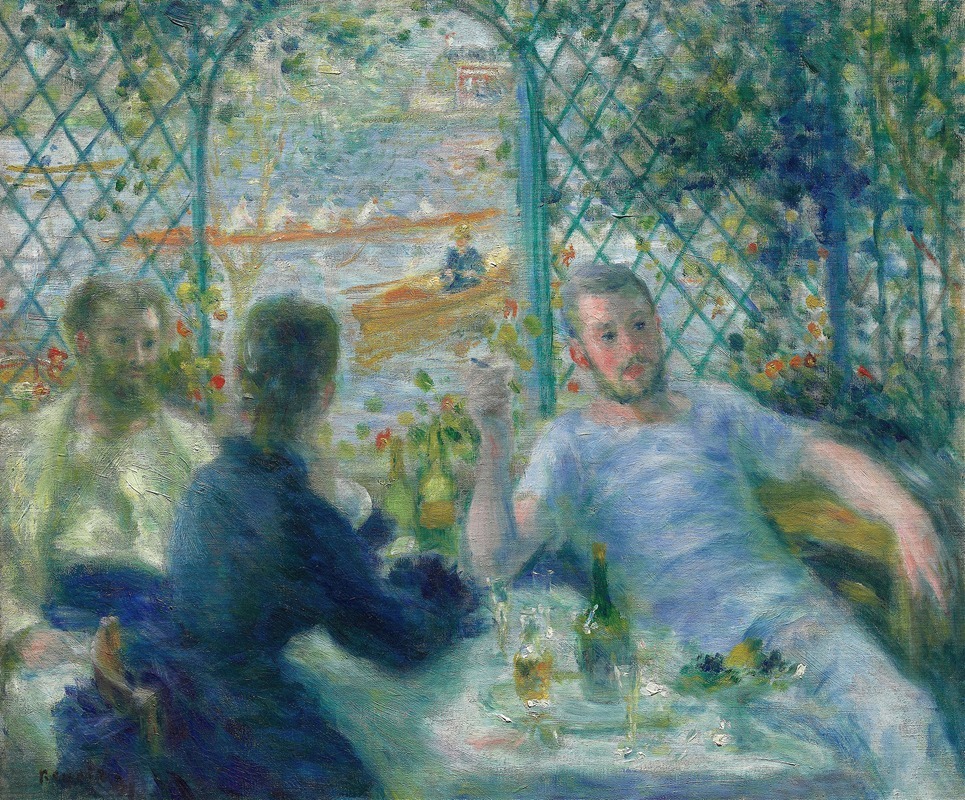
Lunch at the Restaurant Fournaise (The Rowers' Lunch)
Pierre-Auguste Renoir
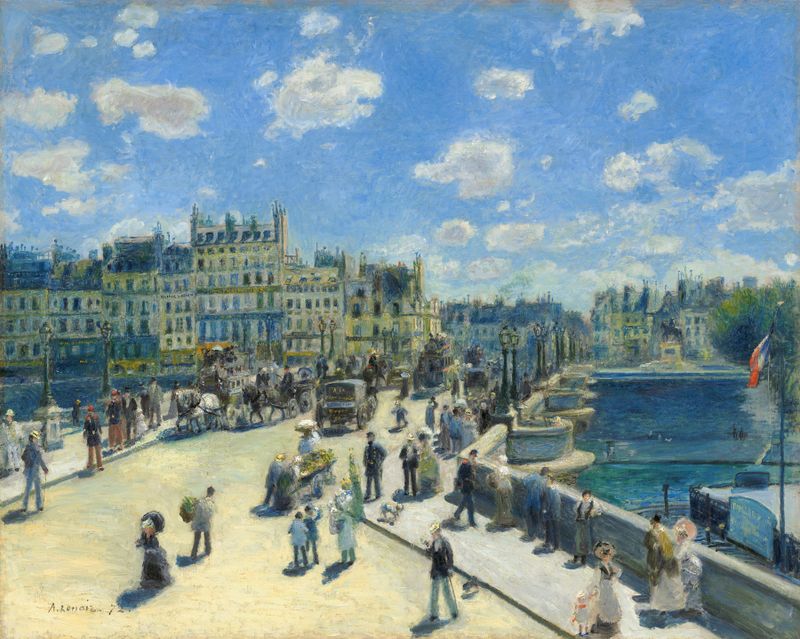
Pont Neuf, Paris
Pierre-Auguste Renoir
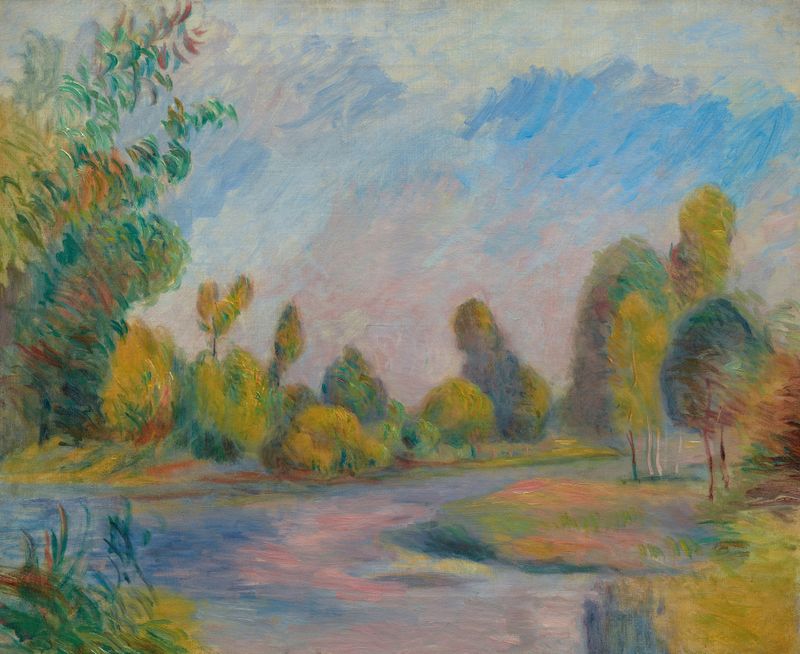
Au bord de la rivière
Pierre-Auguste Renoir

Near the Lake
Pierre-Auguste Renoir
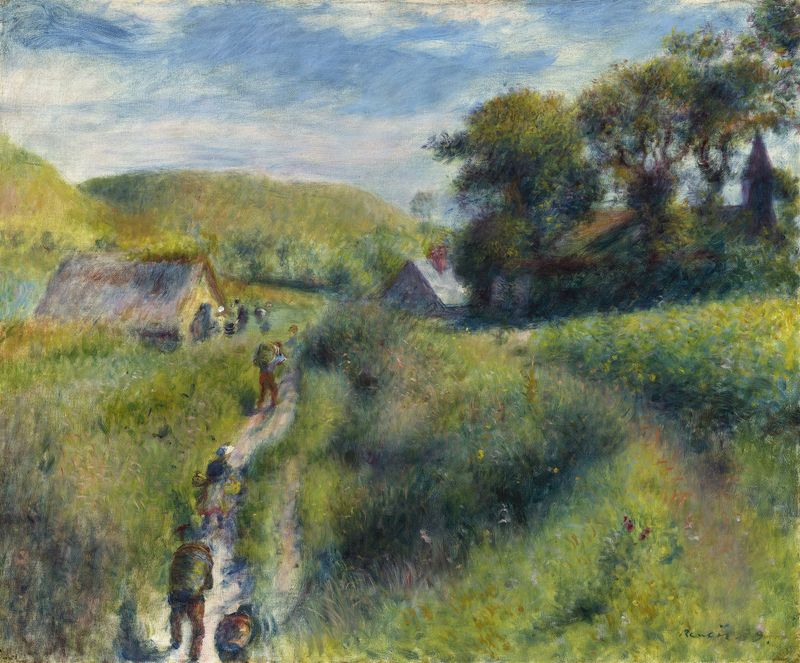
The Mussel Harvest
Pierre-Auguste Renoir

The Seine at Chatou
Pierre-Auguste Renoir
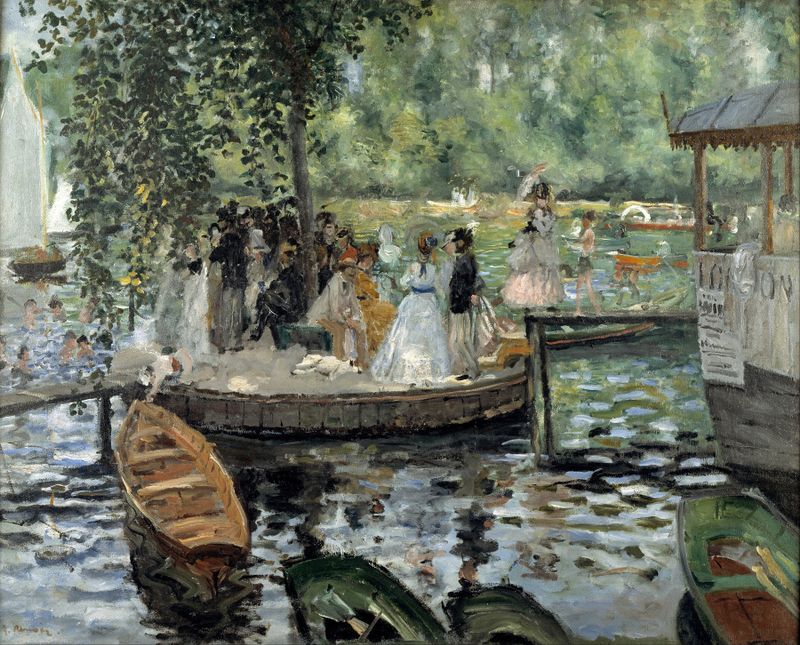
La Grenouillère
Pierre-Auguste Renoir
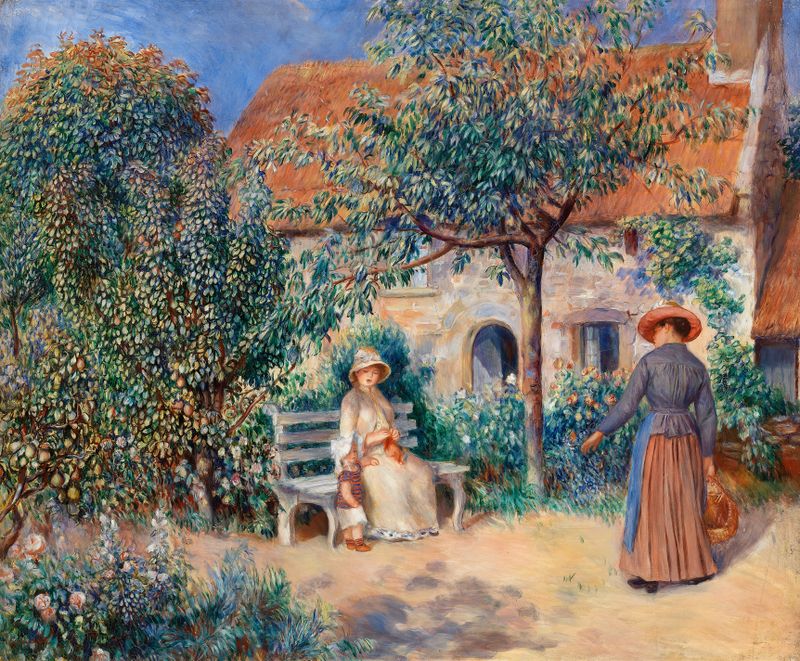
In Brittany (En Bretagne)
Pierre-Auguste Renoir
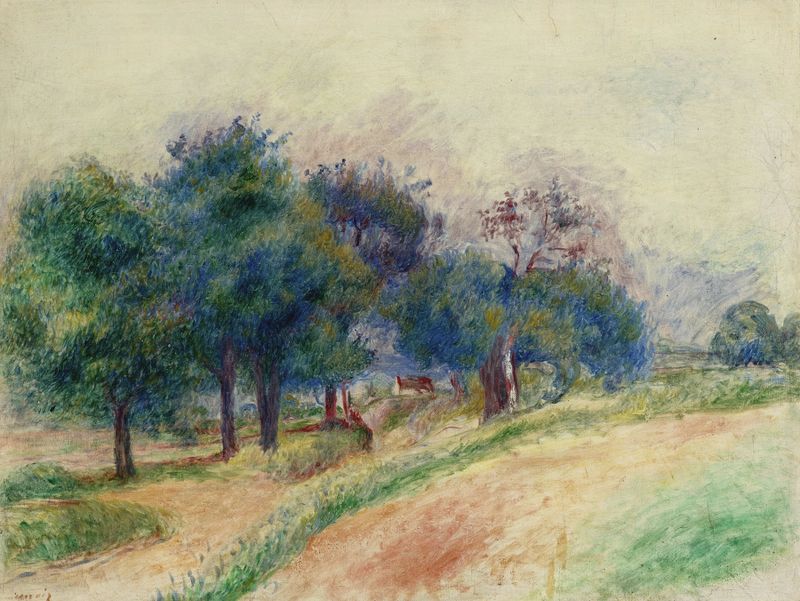
Paysage d’Essoyes
Pierre-Auguste Renoir