
Discover insights about this artwork
Funeral March — History & Facts
In Funeral March, Edvard Munch presents a dark and somber scene. The painting features a procession of figures, shrouded in shadowy hues of black and gray. The figures appear to be in mourning, their postures conveying a sense of loss and despair.
The background is muted, enhancing the overall feeling of sadness and solemnity. The painting is executed in oil on canvas, a common medium for Munch. The dimensions are approximately 90 x 120 cm, making it a sizable work that commands attention. Munch's brushwork is expressive, with visible strokes that add to the emotional weight of the scene.
The use of color is particularly striking, with dark tones dominating the composition. Edvard Munch was a key figure in the Symbolism movement, known for his exploration of psychological themes. Funeral March reflects his interest in death and existential angst, common themes in his oeuvre. An interesting fact about this work is that it was created during a period when Munch was deeply affected by personal losses, which influenced his artistic expression.
This painting exemplifies his ability to convey complex emotions through simple yet powerful imagery.
More Artworks by Edvard Munch
More Historical Art
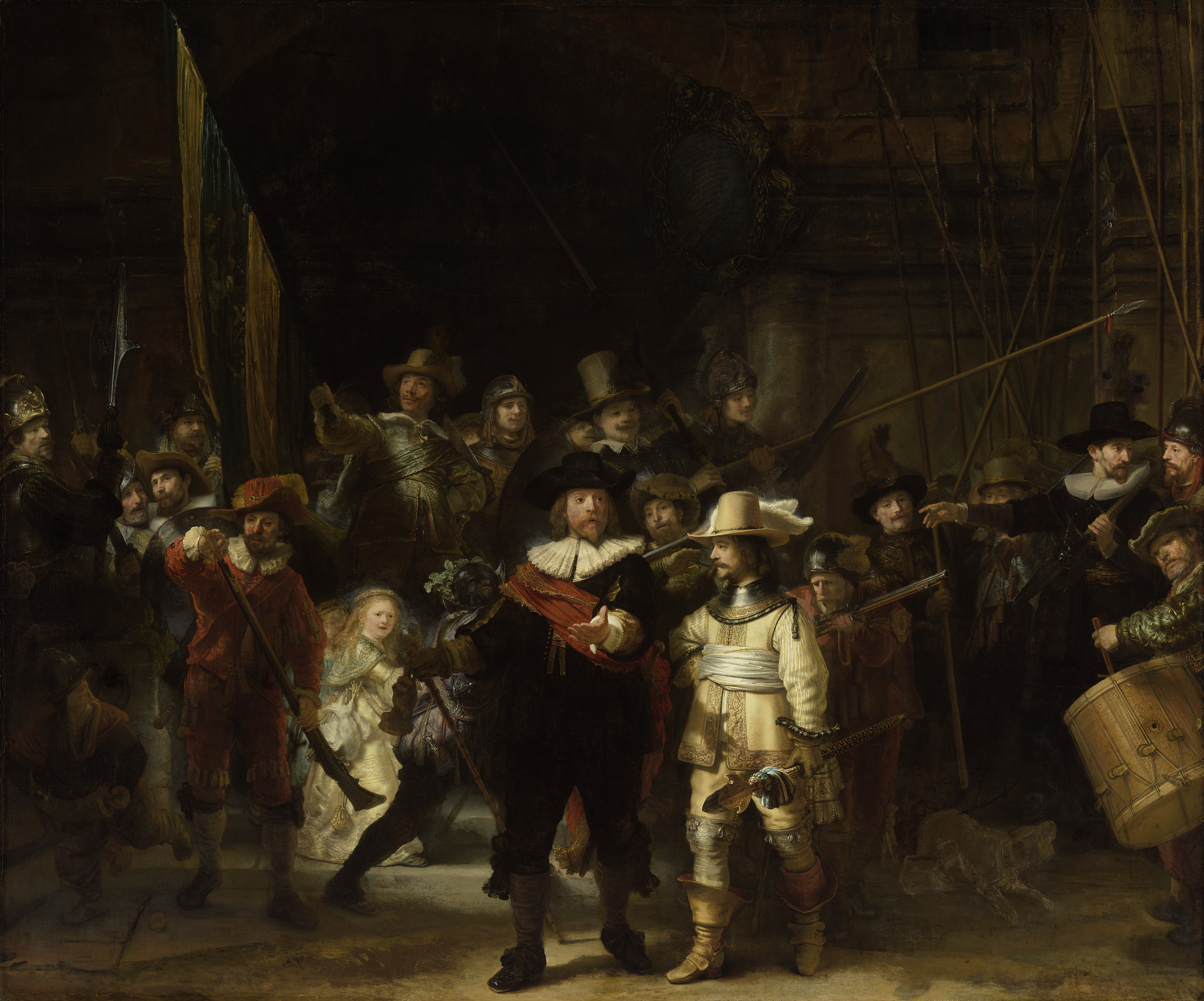
The Night Watch Militia Company of District II under the Command of Captain Frans Banninck Cocq
Rembrandt van Rijn
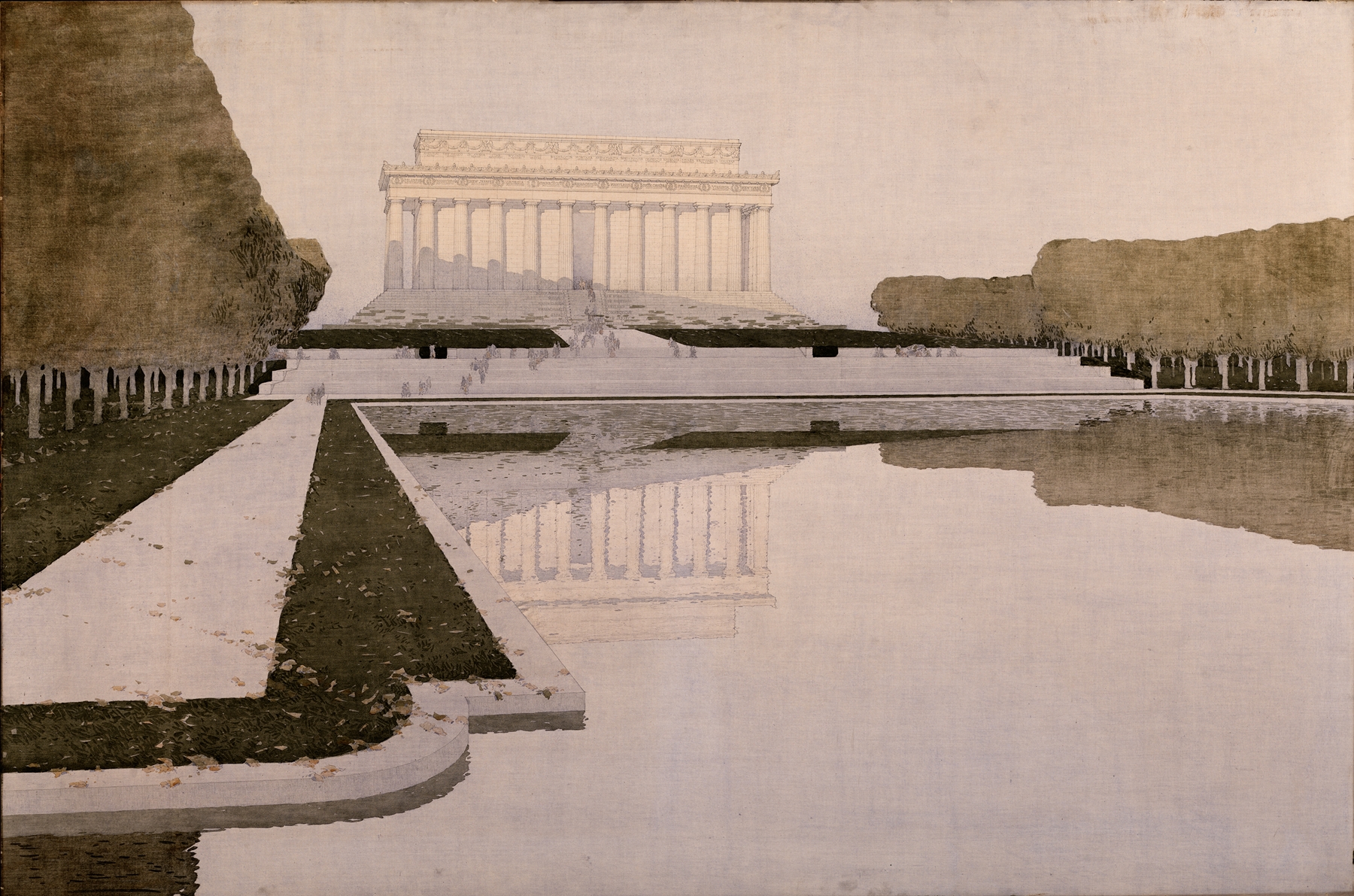
Lincoln Memorial
Henry Bacon
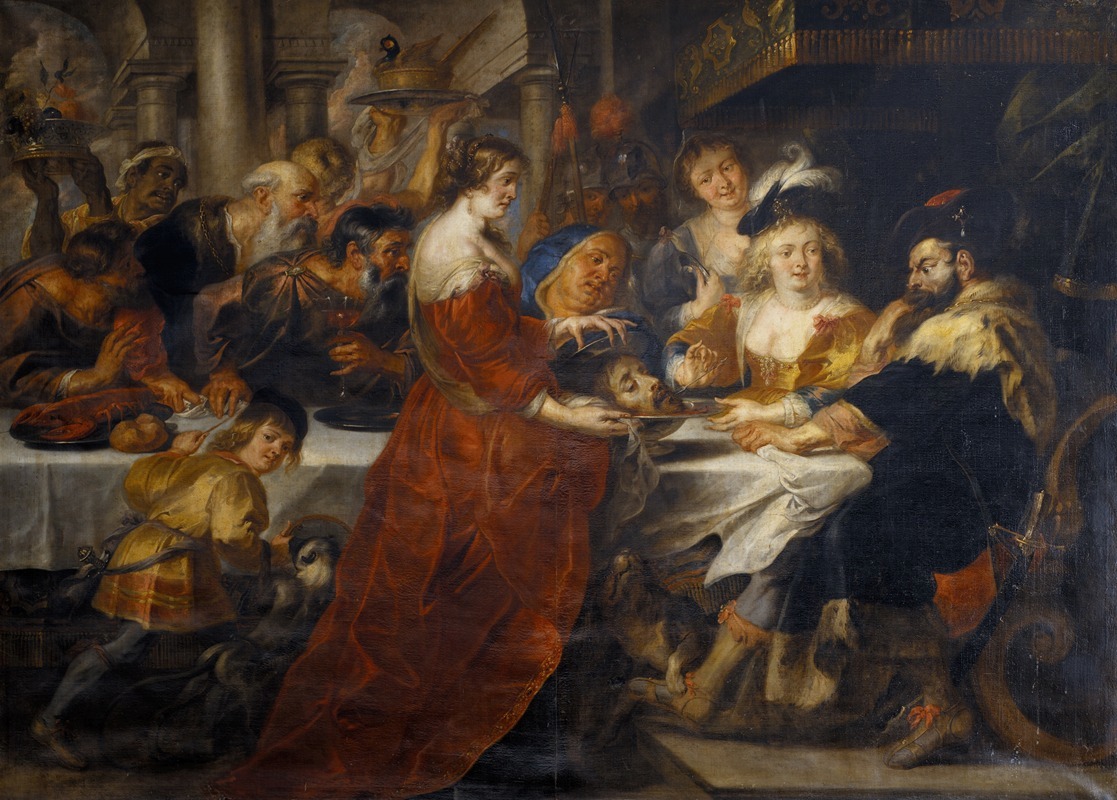
The Feast of Herod. Salome Bringing the Head of St John the Baptist on a Charger
Peter Paul Rubens
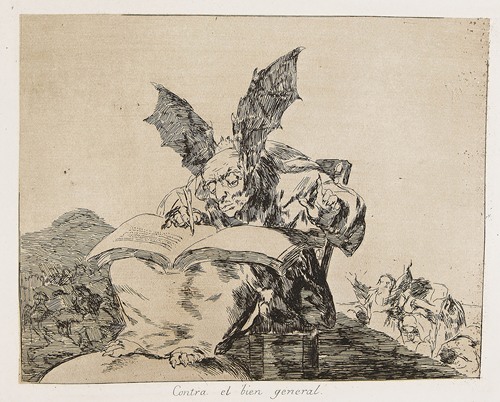
Los desastres de la guerra
Francisco de Goya
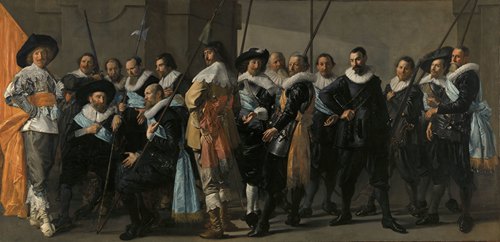
Militia Company of District XI under the Command of Captain Reynier Reael, Known as ‘The Meagre Company’
Frans Hals
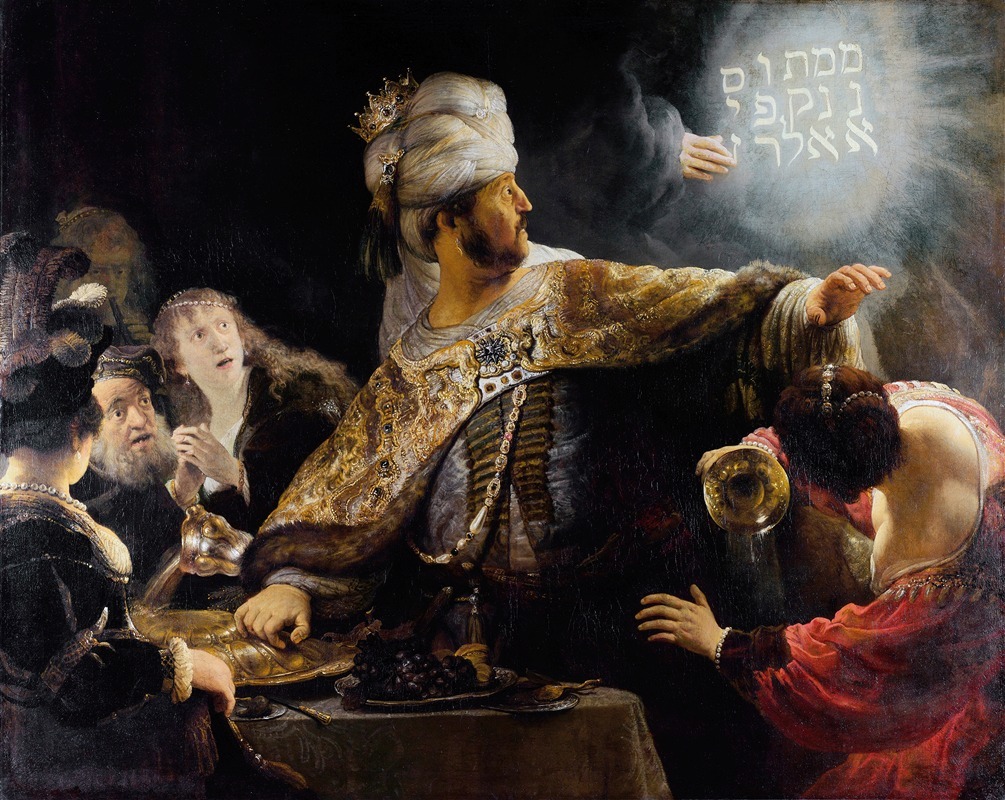
Belshazzar’s feast
Rembrandt van Rijn