
Funiculaire Chamonix-Planpraz, Le Brévent — History & Facts
What first catches the eye in Funiculaire Chamonix-Planpraz, Le Brévent is the drama of scale: a cable car, small and precise, glides above a forest of dark pines, dwarfed by the monumental sweep of the Alps behind it. The mountain’s icy slopes, rendered in cool lavenders and whites, dominate the composition, their jagged forms echoing the sharp geometry of the cable support. The passengers, mere silhouettes, are poised between earth and sky, suspended in a moment of technological daring.
The angled cables slice upward, drawing the viewer’s gaze toward the snowfields and the promise of adventure beyond. Broders uses bold contrasts and simplified forms to turn a feat of engineering into an emblem of modern aspiration. This image belongs to the golden age of travel posters, when destinations like Chamonix became icons of leisure and innovation for a new generation of tourists. Created in 1928, as documented by the Gallica Digital Library, the lithograph was part of a wave of publicity for the French railways and their mountain resorts.
Such posters, often commissioned by railway companies, were designed to seduce city dwellers with visions of escape and grandeur, blending Art Deco clarity with a sense of optimism about progress. History has kept few traces of the individual journeys taken on this funicular, but the poster endures as a window onto the ambitions and aesthetics of its era—inviting us to step into the carriage and look up at the peaks.
More Artworks by Roger Broders
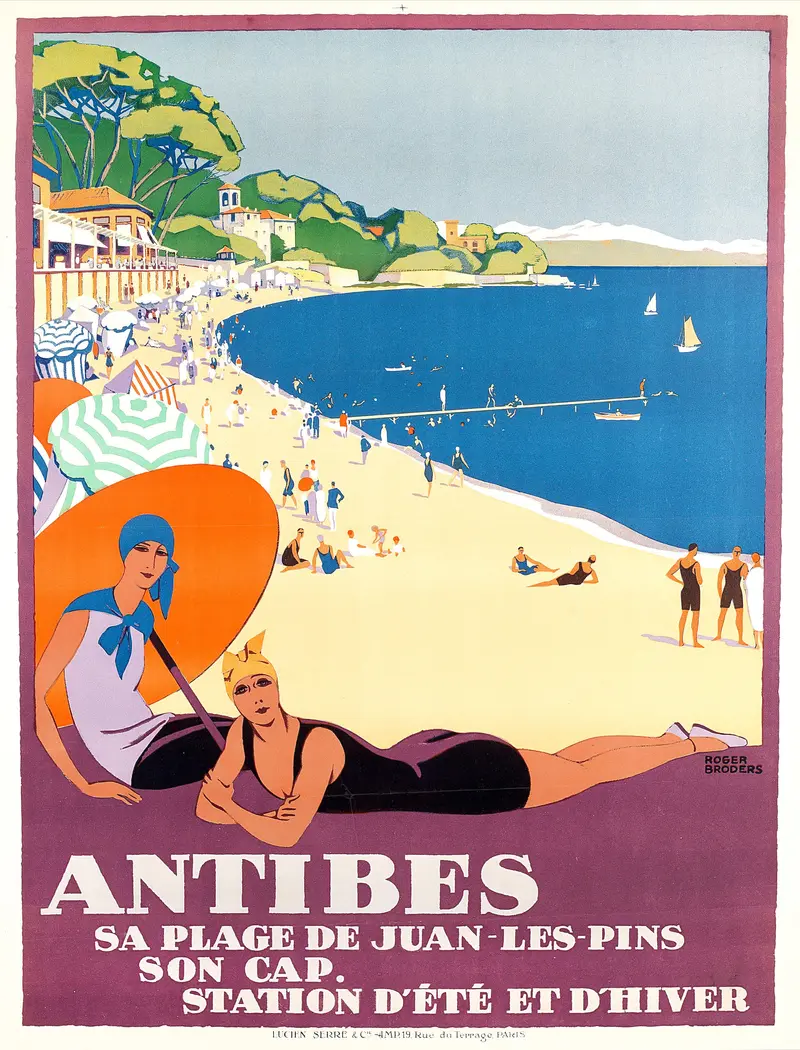
Antibes, sa plage de Juan-les-Pins
Roger Broders
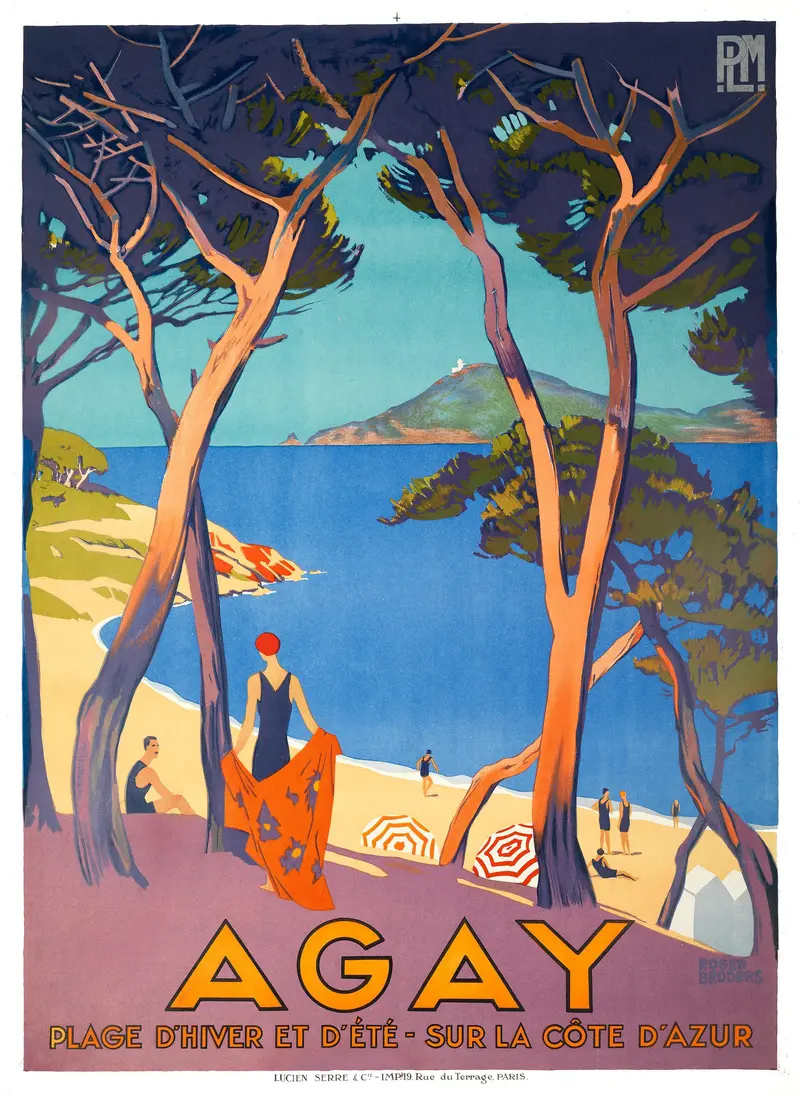
Agay, plage d'hiver et d'été
Roger Broders
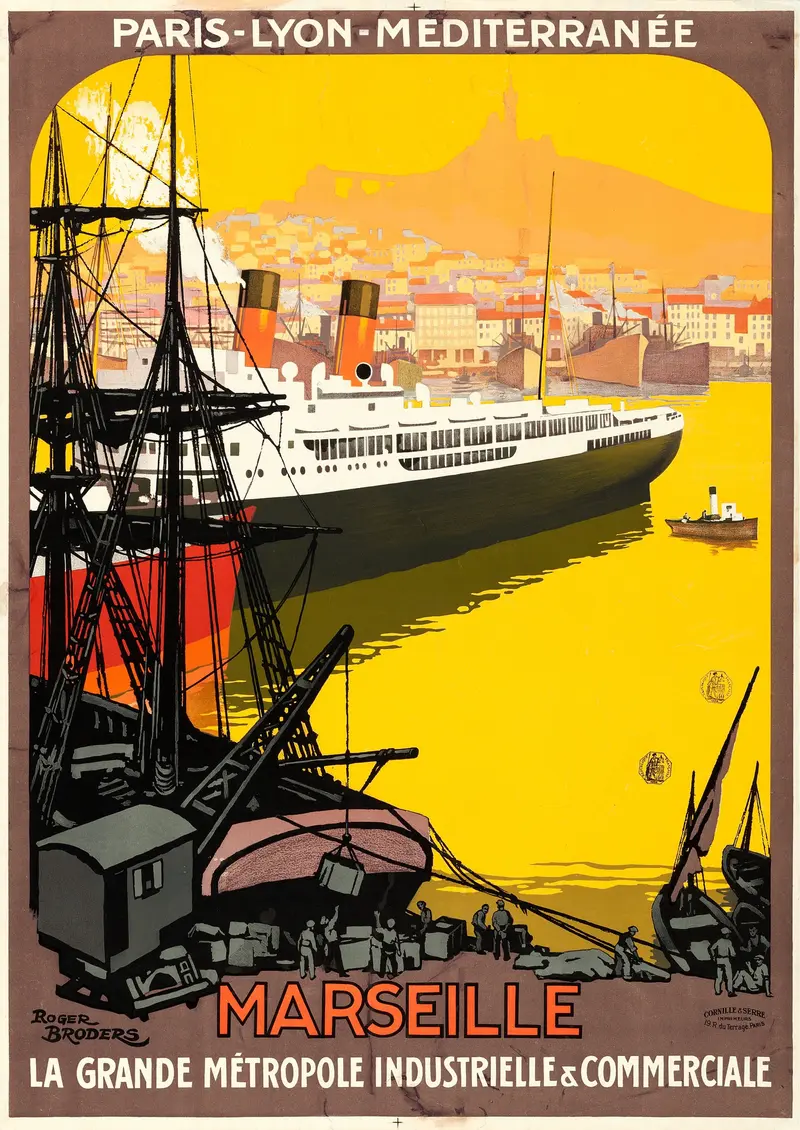
Marseille, la grande métropole industrielle et commerciale
Roger Broders
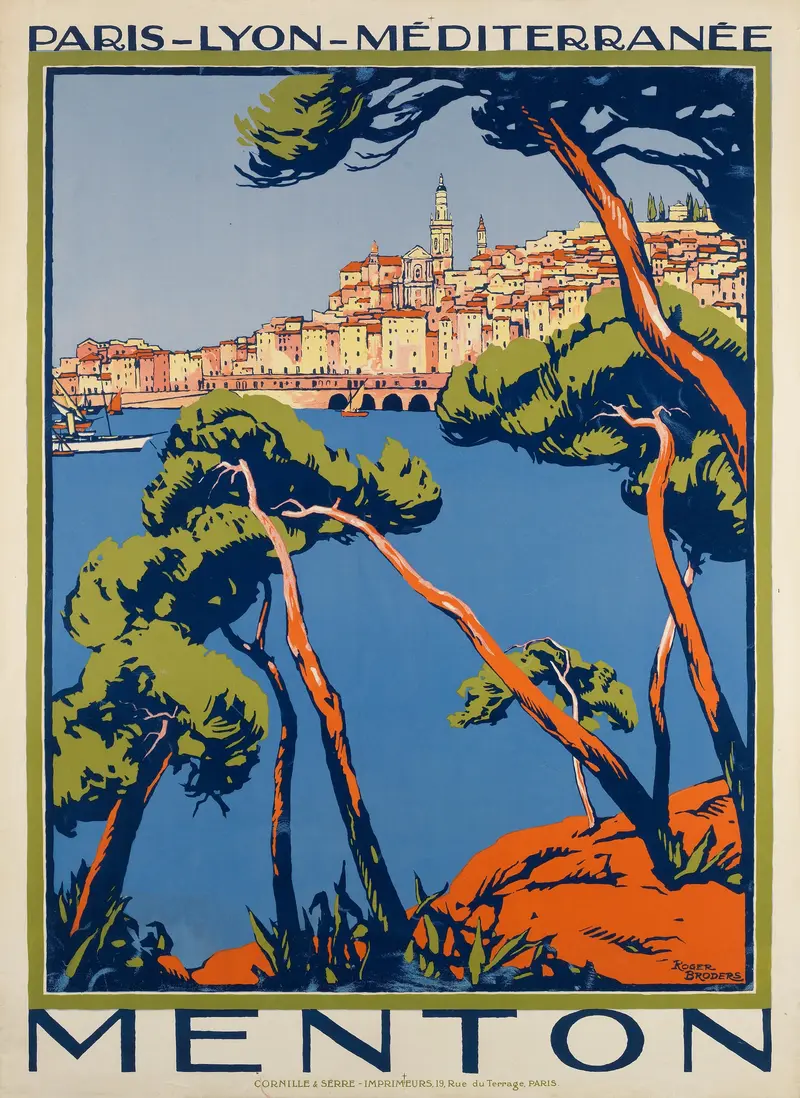
Menton
Roger Broders
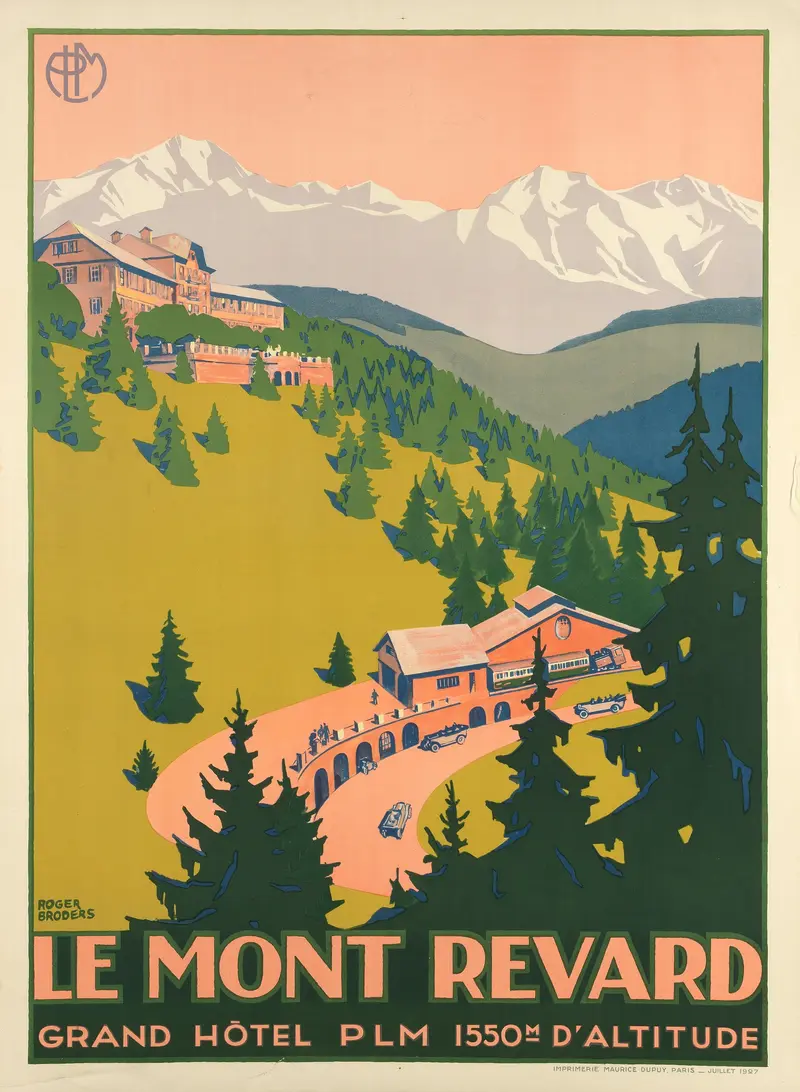
Le Mont Revard
Roger Broders
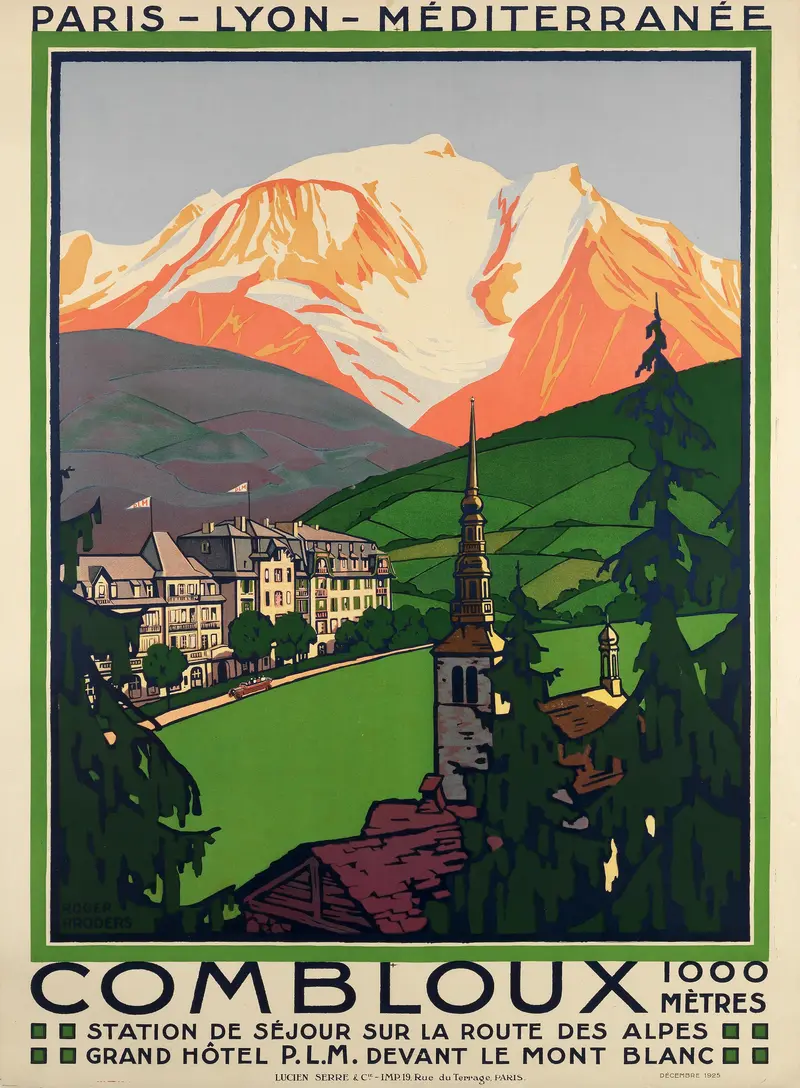
Combloux
Roger Broders
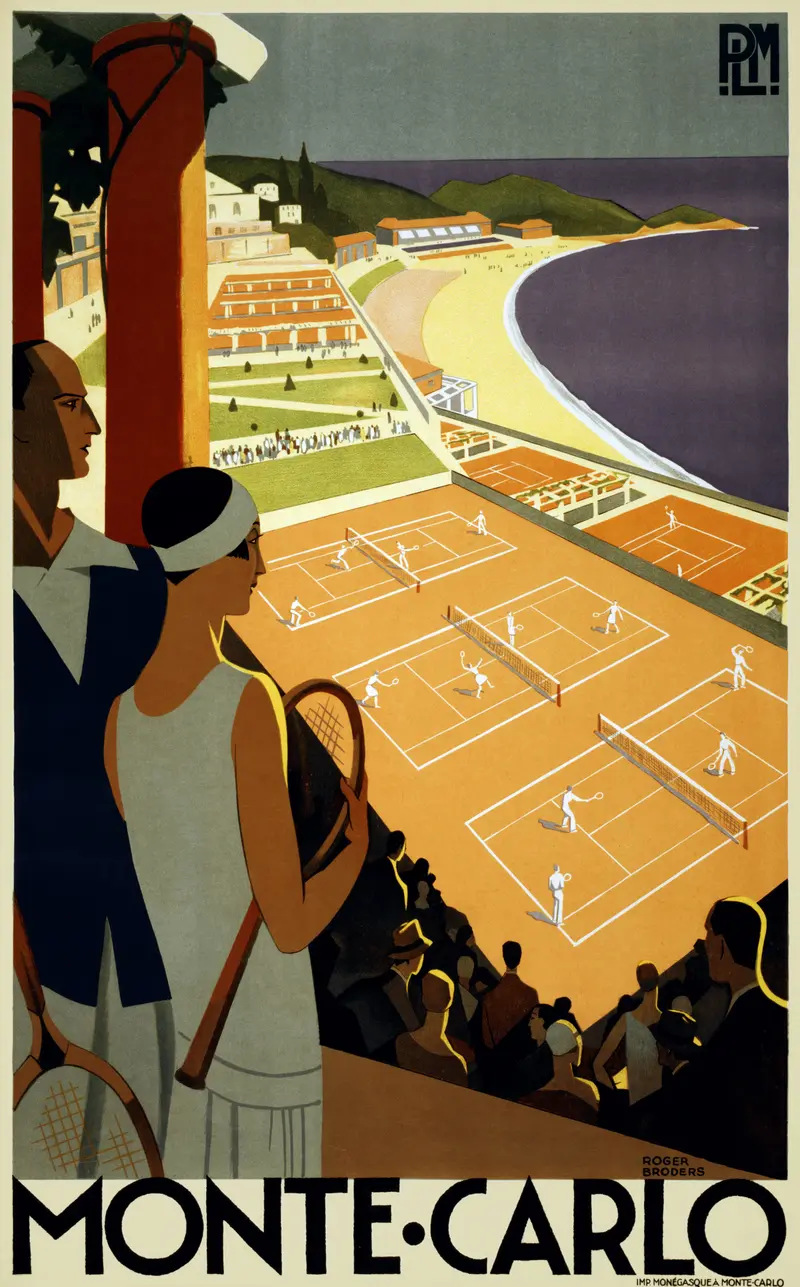
Monte-Carlo
Roger Broders
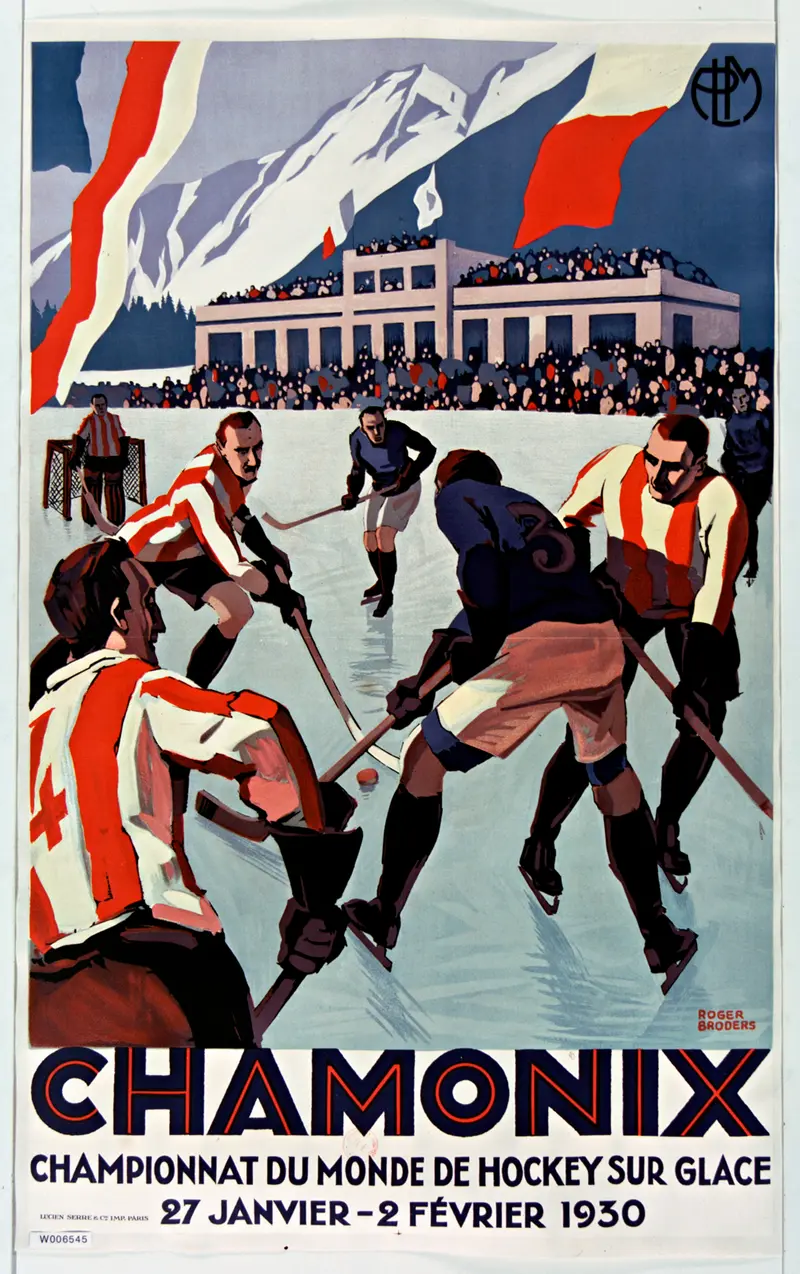
Chamonix, Championnat du monde de hockey sur glace 1930
Roger Broders
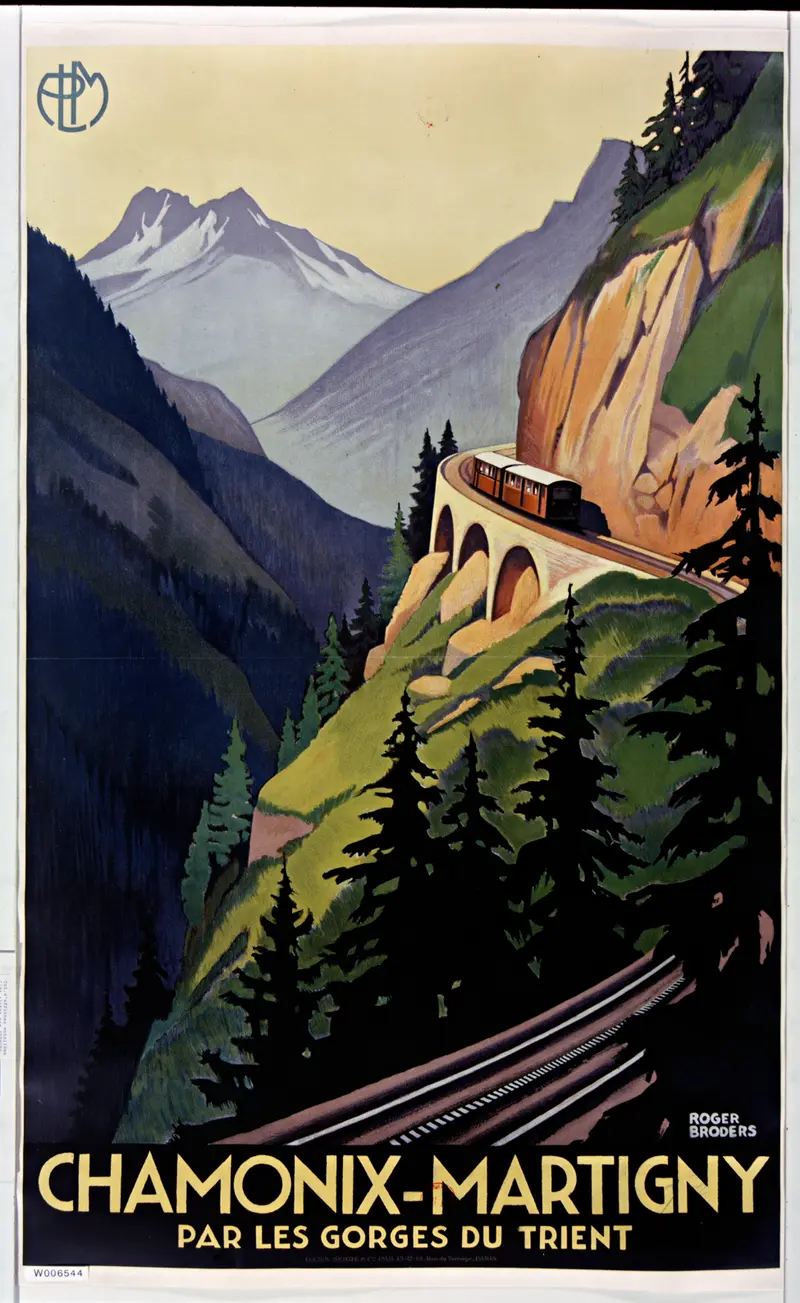
Chamonix-Martigny par les gorges du Trient
Roger Broders

La Chaîne du Mont-Blanc, l'Aiguille du Dru
Roger Broders
More Landscape Art

The Starry Night
Vincent van Gogh

View of Delft
Johannes Vermeer

Water Lilies
Claude Monet

The Grand Canal, Venice, looking north-west from the Ca' Corner to the Ca' Contarini degli Scrigni, with the campanile of Santa Maria della Carità
Canaletto

Windsor Castle
Canaletto

The Grand Canal looking North-East from the Palazzo Dolfin-Manin to the Rialto Bridge
Canaletto