
Fushan Monastery — History & Facts
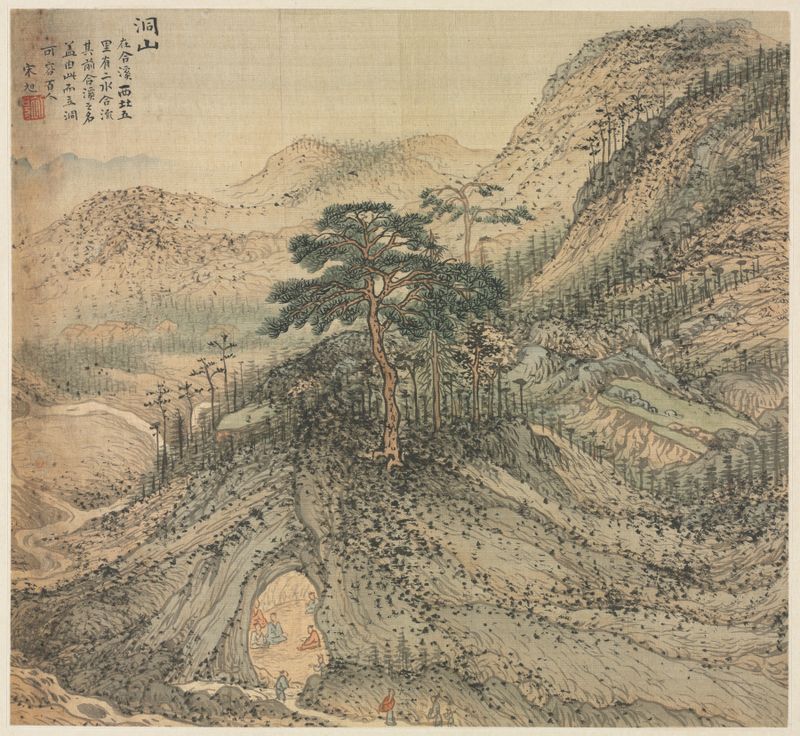
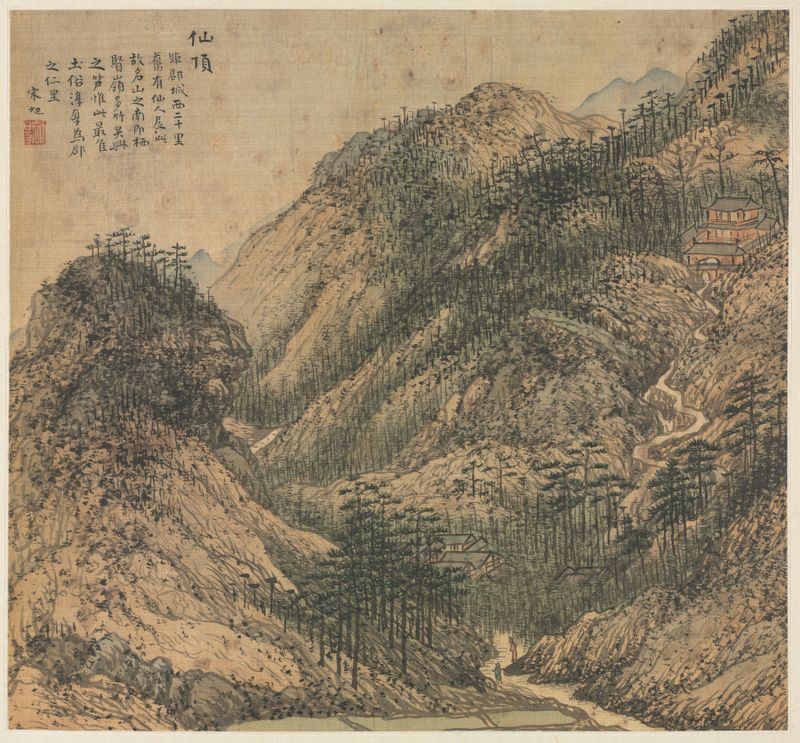
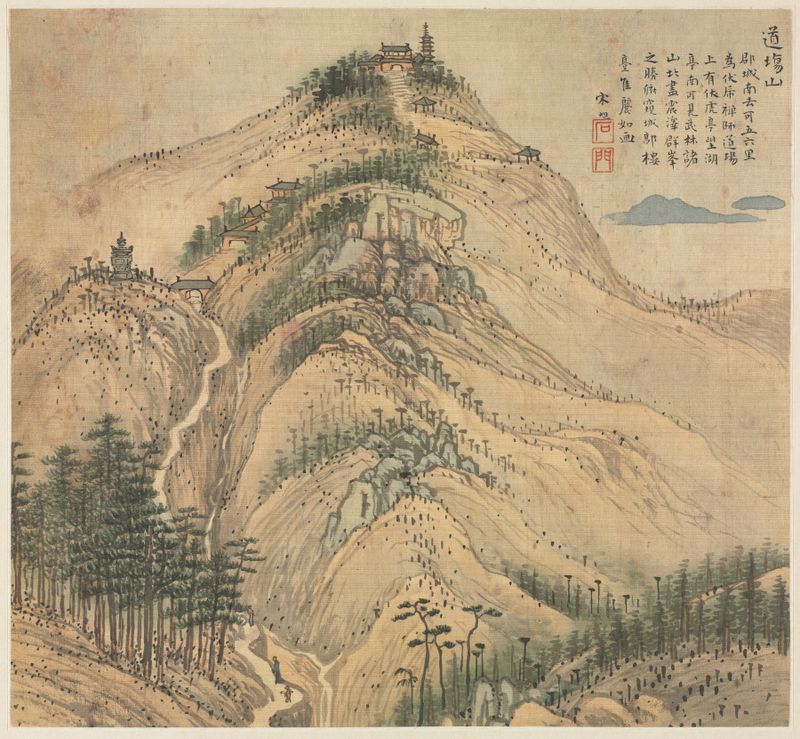
In a world swirling with chaos, the eye seeks refuge in the calm, yet vibrant strokes of artistry. Here lies a façade of serenity, yet beneath its surface, madness breathes. Look to the foreground where the delicate brushwork reveals the intricate architecture of Fushan Monastery. The stony texture of the building contrasts with the lush greenery, drawing your eye to the vibrant oranges and deep blues that dance across the canvas.
Notice how the light filters through the trees, casting ethereal shadows that ripple across the ground, amplifying a sense of tranquility interlaced with tension. The composition is meticulously balanced, yet the colors suggest an underlying turmoil, inviting deeper contemplation. As you delve further, the tension between nature and man-made structure crystallizes. The meticulously rendered temple stands unwavering, a bastion against the chaos of life beyond its walls.
Yet, the riot of colors surrounding it hints at a world driven by emotions, perhaps even madness. One cannot help but feel the pulse of life in the nearby foliage, whispering secrets of passion and unpredictability, contrasting the calm façade of the monastery. This dichotomy allows a dialogue between the serene and the frenzied, suggesting that both exist in a delicate coexistence. In 1588, as Song Xu painted this piece, he was entrenched in the rich artistic traditions of the Ming Dynasty, a time when the political landscape was in transition and cultural expression flourished.
Living in a society ripe with philosophical exploration, his work reflects not only the aesthetics of the era but also an introspective commentary on the complexities of the human experience, revealing how moments of madness can coexist with tranquility.
More Artworks by Song Xu
Browse all →




More Architecture Art
Browse all →
The statue of Liberty
Frédéric Auguste Bartholdi

View of Houses in Delft, Known as ‘The Little Street’
Johannes Vermeer

View of Houses in Delft, Known as ‘The Little Street’
Johannes Vermeer

The Cathedral in Rouen. The portal, Grey Weather
Claude Monet

The yellow house
Vincent van Gogh

The Church in Auvers-sur-Oise, View from the Chevet
Vincent van Gogh