Mt. Biyan (Green Cliff) — History & Facts
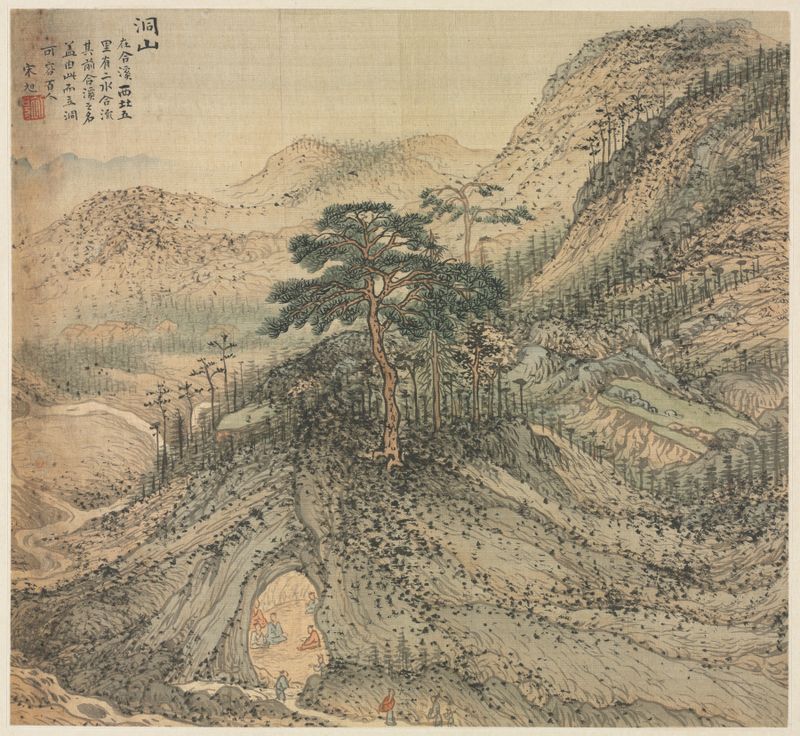
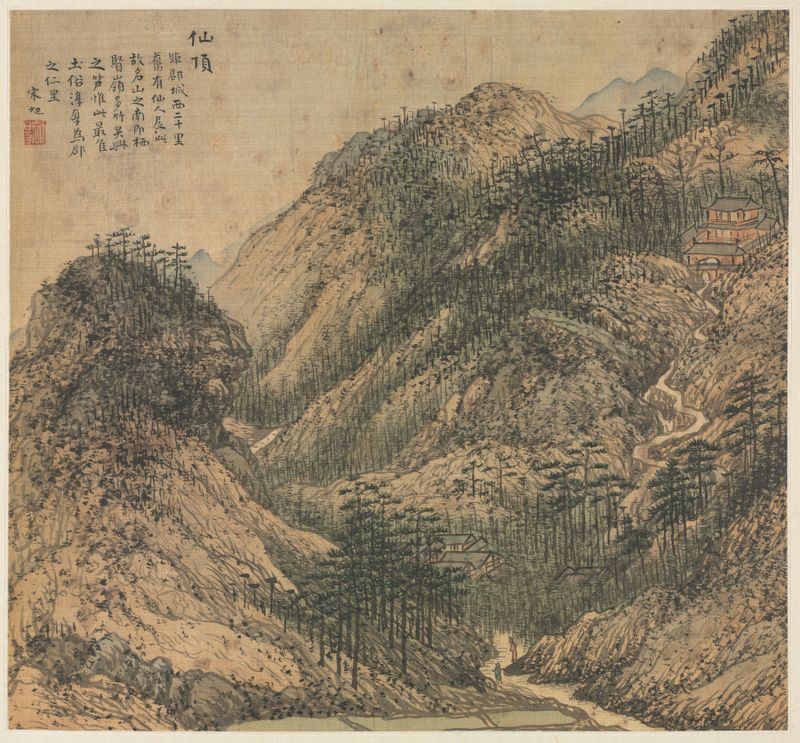
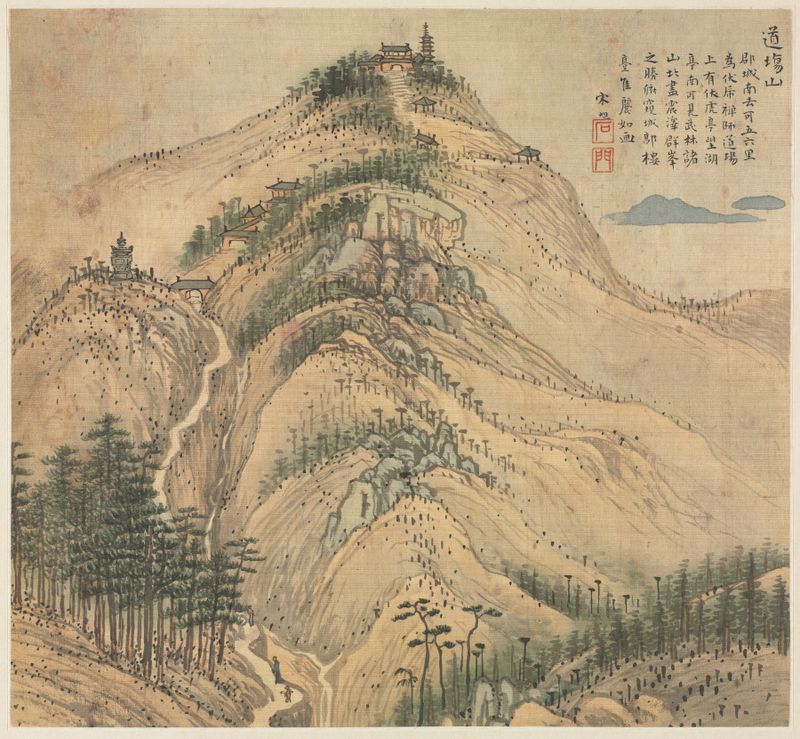
In the realm of ink and pigment, there lies a profound awakening, a connection between nature and the soul that transcends mere sight and seeps into the very essence of being. Look to the left at the striking, verdant mountains that rise with an almost ethereal grace, their textured surfaces alive with shades of green and hints of blue. The delicate strokes weave together to create an atmosphere dense with tranquility, as if each ridge holds untold stories of the earth. Notice how the light dances across the rocky outcrops, illuminating the subtle interplay between shadow and sun, reflecting the artist’s intimate understanding of his medium and environment. Within the composition lies a dialogue between chaos and calm, with the jagged peaks juxtaposed against the serene valleys below.
The muted tones of the sky, infused with hints of warmth, suggest a fleeting moment of dawn, awakening the landscape to new possibilities. Each brushstroke, imbued with intention, evokes a sense of reverence for nature and its timeless presence, inviting the viewer to contemplate the deeper connections between humanity and the world. Created in 1588, this work emerged during a period of cultural blossoming in the Ming Dynasty. Song Xu, a scholar-artist, found himself navigating the complexities of both personal ambition and the rich, evolving art world around him.
At this time, traditional Chinese landscape painting was flourishing, influencing Xu’s pursuit of perfection in representing natural beauty through his unique vision and technique.