Lüshan Hui — History & Facts
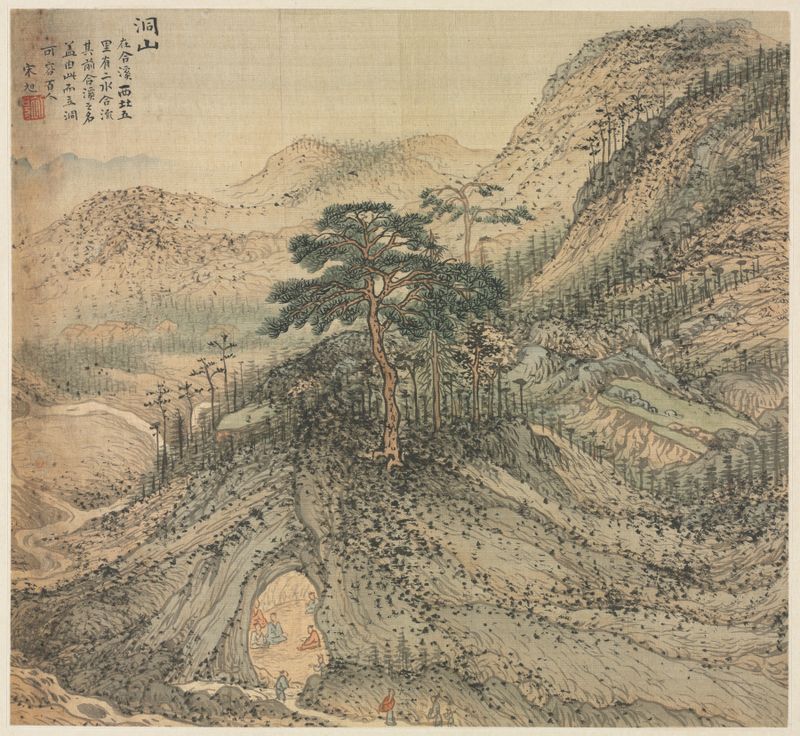
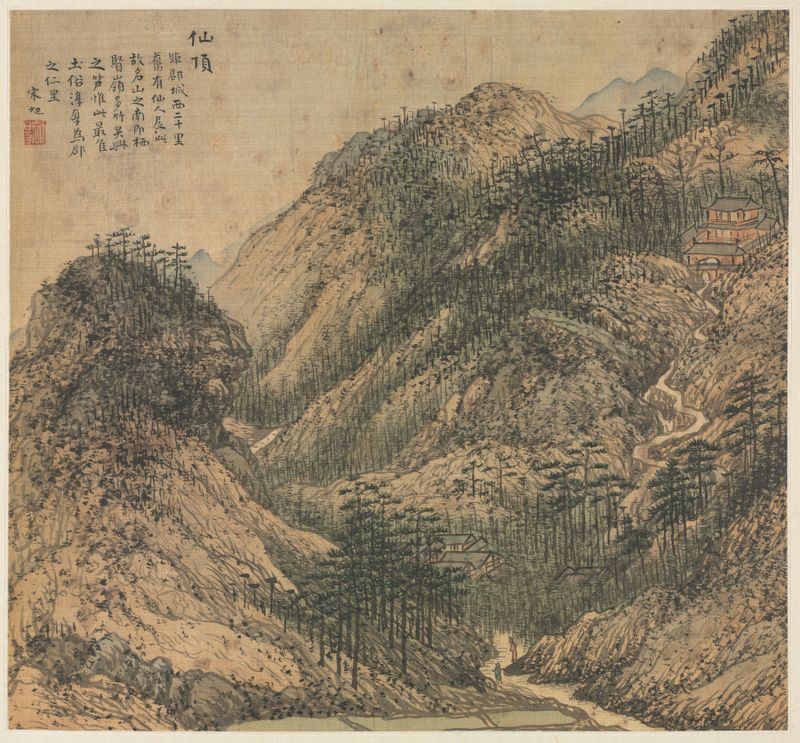
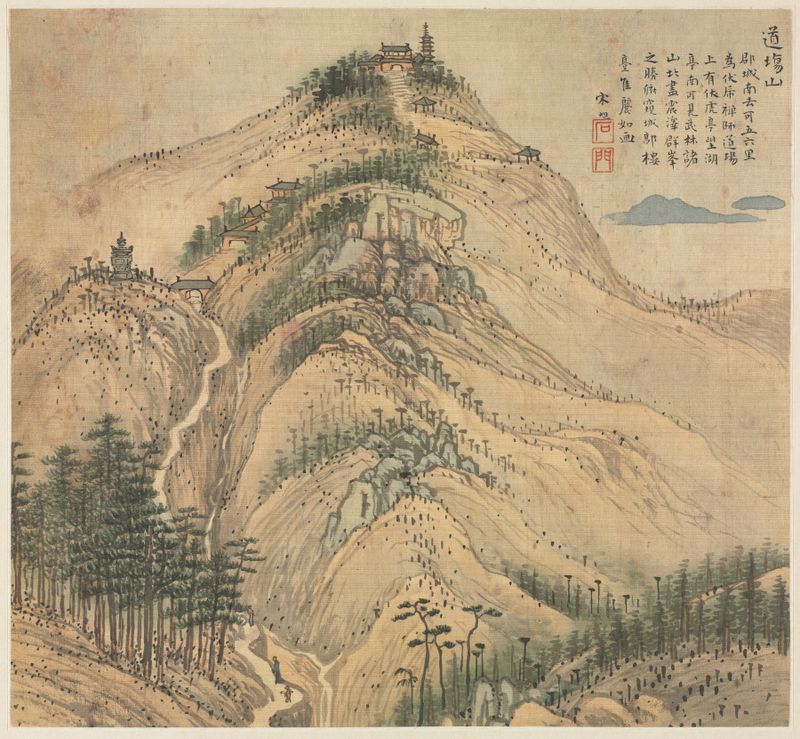
In the quiet embrace of Lüshan Hui, hope emerges from the brushstrokes, weaving a narrative of resilience against the passage of time. Look to the serene mountains in the background, their peaks kissed by ethereal mist; this is where your gaze should settle first. The delicate layers of ink and color create a harmony that is both soothing and inspiring. Notice how the foreground bursts with life—the vibrant greens of the flora juxtaposed with the soft blues of distant waters, inviting the viewer into a tranquil world.
The meticulous detail in the trees and rocks reveals not just the artist’s skill but a deep reverence for nature's beauty. Beneath the serene exterior lies an emotional tension. The lush landscape is a symbol of renewal, suggesting a cycle of rebirth and the promise of a brighter tomorrow. The gentle brushwork conveys a sense of peace, yet hints at the impermanence of such moments, echoing the fragility of hope.
As you absorb these elements, you may feel a connection to the artist's intentions, a bridge between past and present that transcends the canvas. In 1588, amidst the rich cultural backdrop of the Ming Dynasty, the artist created this work during a period of great artistic exploration and philosophical inquiry. Song Xu was influenced by the literati painting movement, which emphasized the merging of poetry, painting, and spirituality. His approach reflects a time when artists sought to embody the ideals of nature and emotion, engaging with the philosophical currents of their society and creating works that resonate through the ages.