Yutai Peak (Jade Terrace Peak) — History & Facts
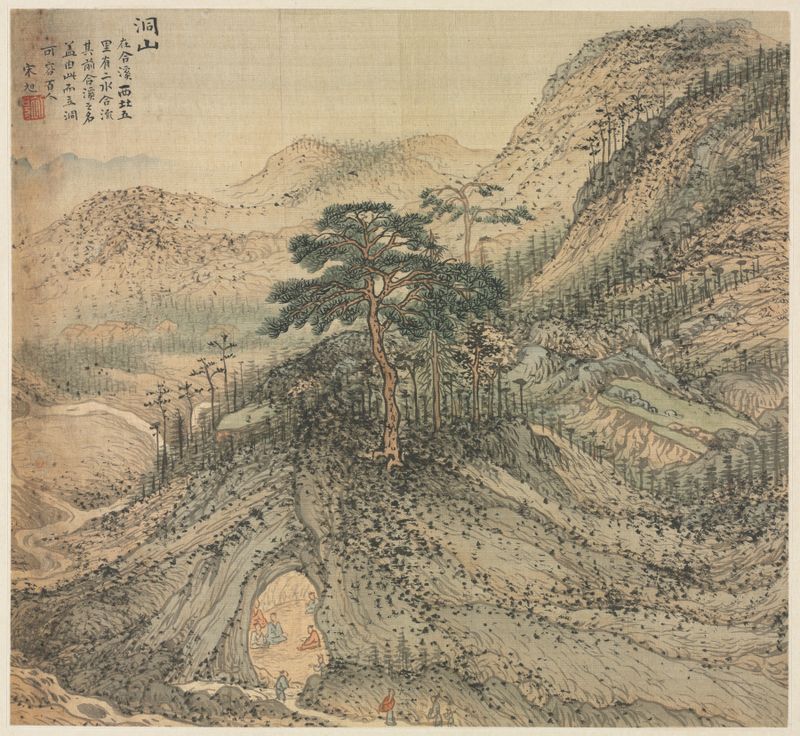
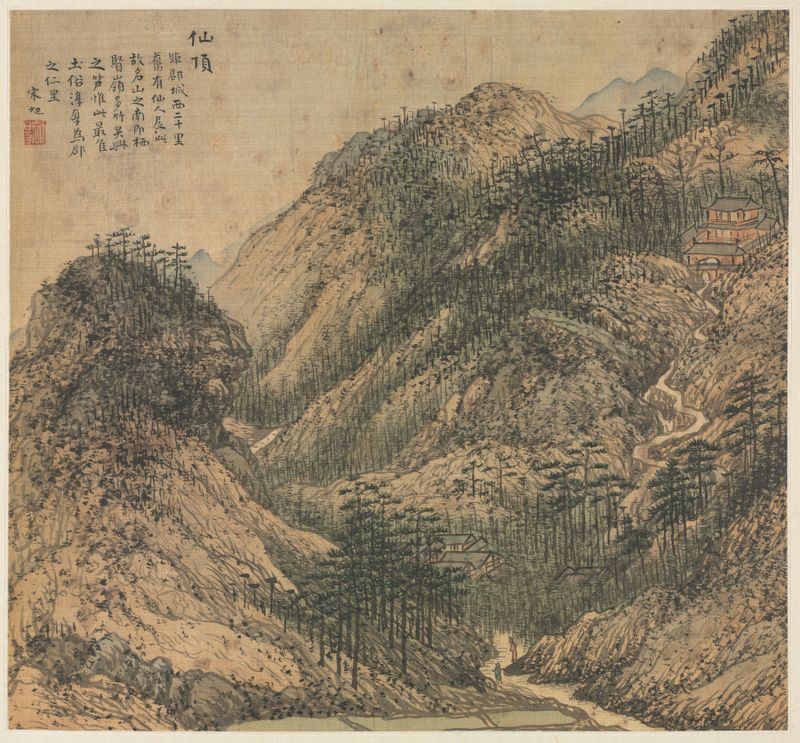
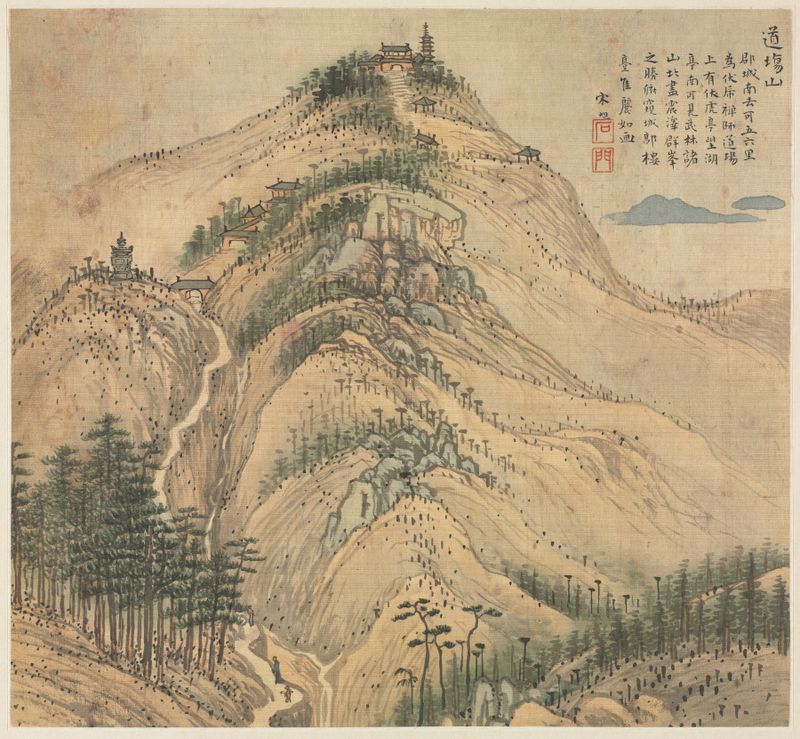
In the stillness of a moment captured on canvas, we find a realm where hope flourishes, even as shadows loom. Look to the serene emerald hues that envelop Yutai Peak, inviting your gaze to travel upward. The majestic mountain rises with grace, its peaks outlined against a delicate wash of sky, where wisps of clouds drift like dreams. The artist masterfully balances light and shadow, using soft brushstrokes to convey the gentle interplay of nature's elements.
Each layer of color blends harmoniously, creating a tranquil atmosphere that speaks of solitude and reflection. Delve deeper into the details, where the intricacies of foliage contrast the rocky terrain, symbolizing resilience against adversity. The careful arrangement of trees and rocks forms a dialogue about harmony in the midst of life's challenges. The distant figures, almost ghostly in their presence, evoke the idea of human insignificance versus nature's grandeur—a reminder that hope persists even in silence. In the late 16th century, Song Xu created this piece in a time marked by the rise of landscapes in Chinese painting, reflecting an increasing appreciation for nature.
Working within the artistic circles of the Ming Dynasty, he sought to convey philosophical concepts through his art, exploring the interplay between humanity and the natural world. This work exemplifies a pivotal moment in his career, as he embraced the beauty and solemnity of the landscape while embedding in it the enduring spirit of hope.