Mt. Fenghuang (Mt. Phoenix) — History & Facts
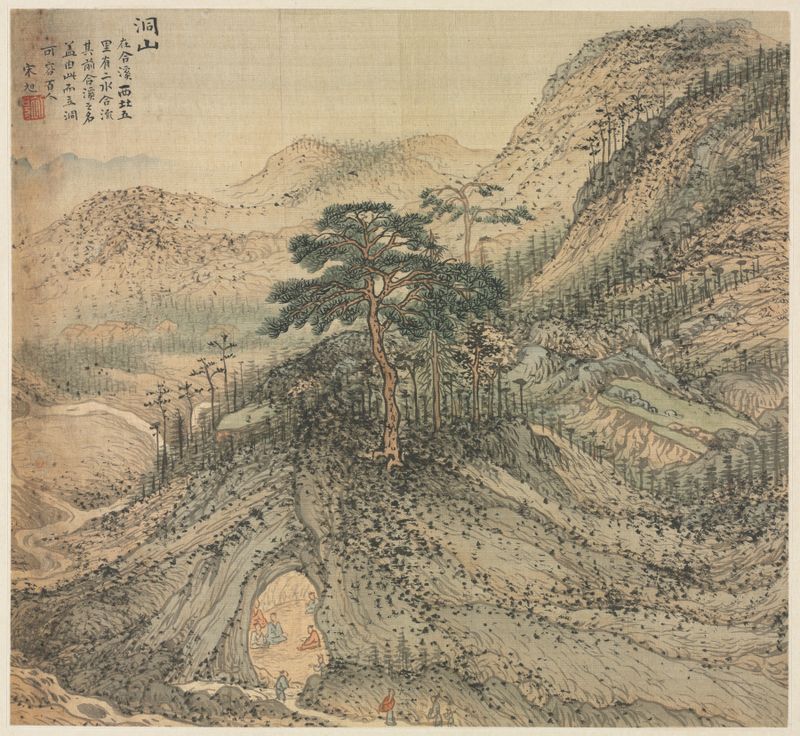
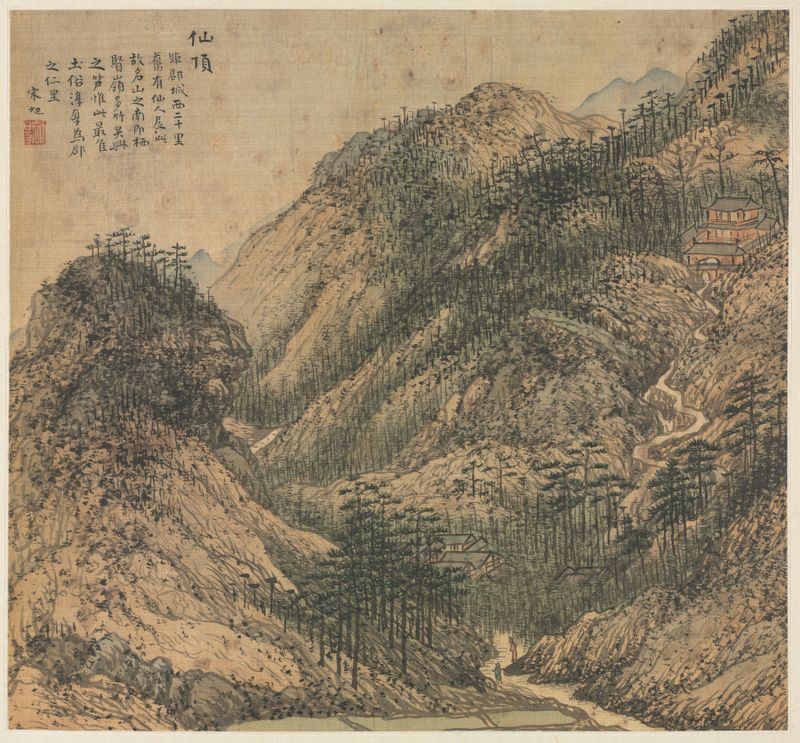
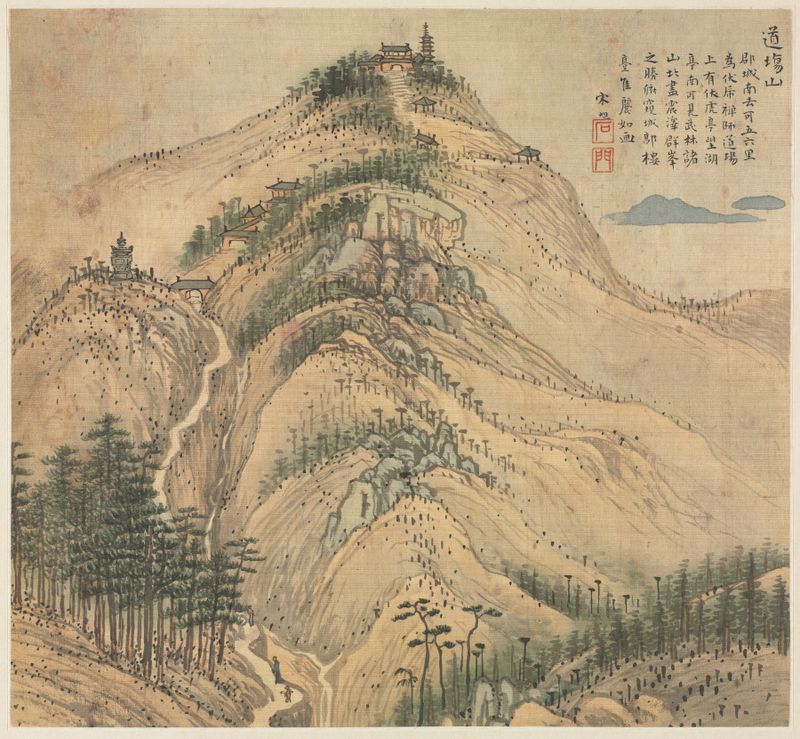
Is this a mirror — or a memory? In Mt. Fenghuang, a serene landscape captures the essence of balance, inviting contemplation of nature's harmony and our place within it. Look to the left at the sweeping curves of the mountains, their peaks rising gracefully against the soft, cloud-laden sky. The artist employs delicate brushstrokes that convey both majesty and tranquility, while the lush greenery in the foreground offers a vivid contrast to the muted tones of the mountains.
Notice how the light bathes the scene, illuminating specific areas and creating a sense of depth that draws the viewer's gaze deeper into the composition. Hidden within this tranquil landscape lies a rich interplay of permanence and transience. The majestic mountain symbolizes endurance, remaining steadfast through the passage of time, while the wispy clouds suggest the fleeting nature of existence. Each element embodies a balance between stability and change, echoing the philosophical principles deeply rooted in traditional Chinese thought.
It is a dialogue between the eternal and the ephemeral that resonates universally, inviting reflection on our own lives. During the late 16th century, a time of increased cultural exchange and artistic evolution in China, Song Xu created Mt. Fenghuang around 1588. This period saw the flourishing of landscape painting, driven by a search for deeper spiritual meanings amidst the chaos of the world.
The artist's work reflects his engagement with this evolving artistic landscape, embodying a serene simplicity that resonates with the era's philosophical inquiries.