Garden at Clifton Hall — History & Facts
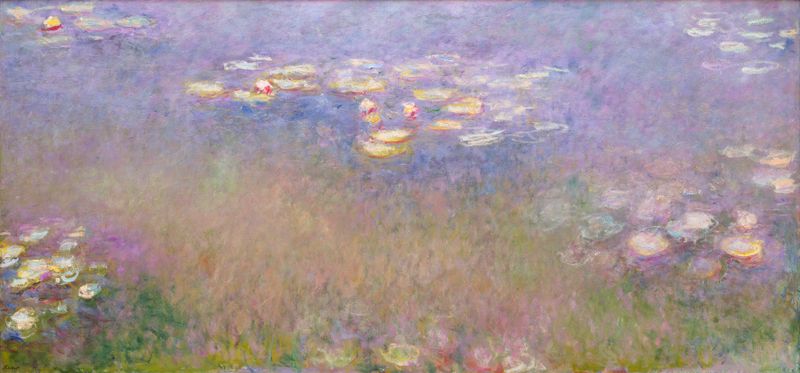
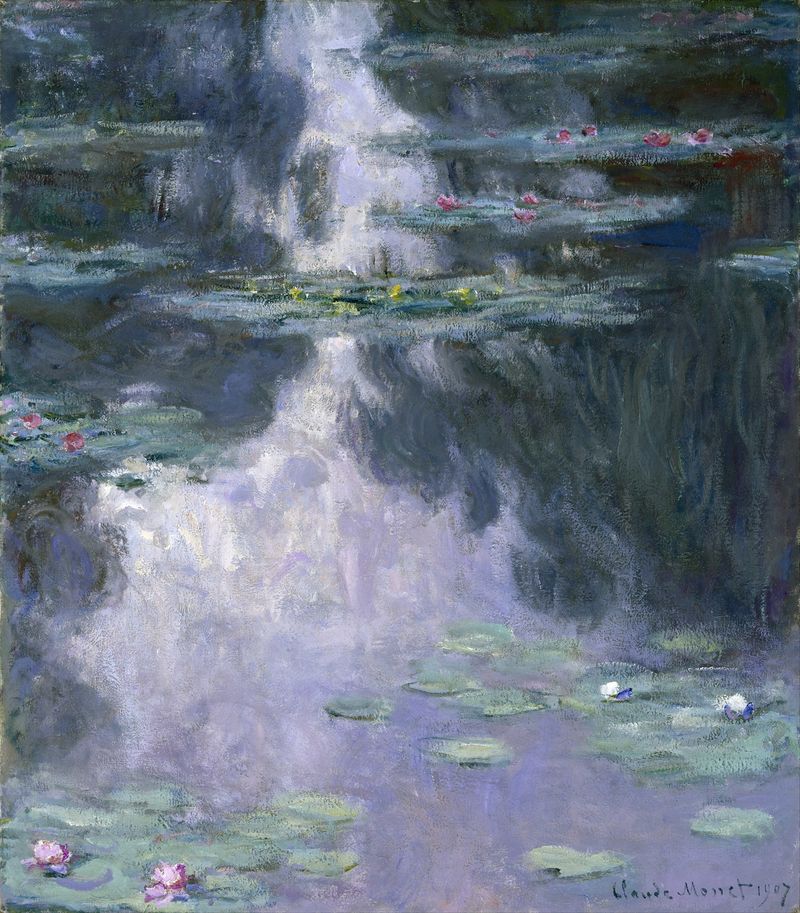
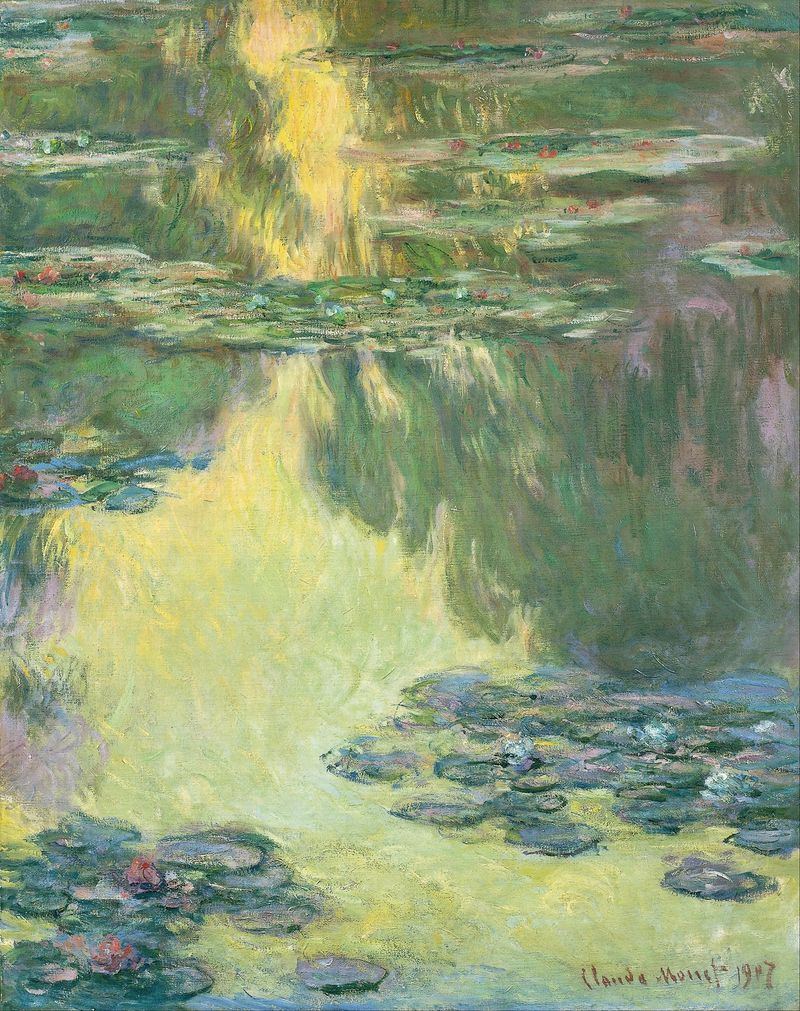
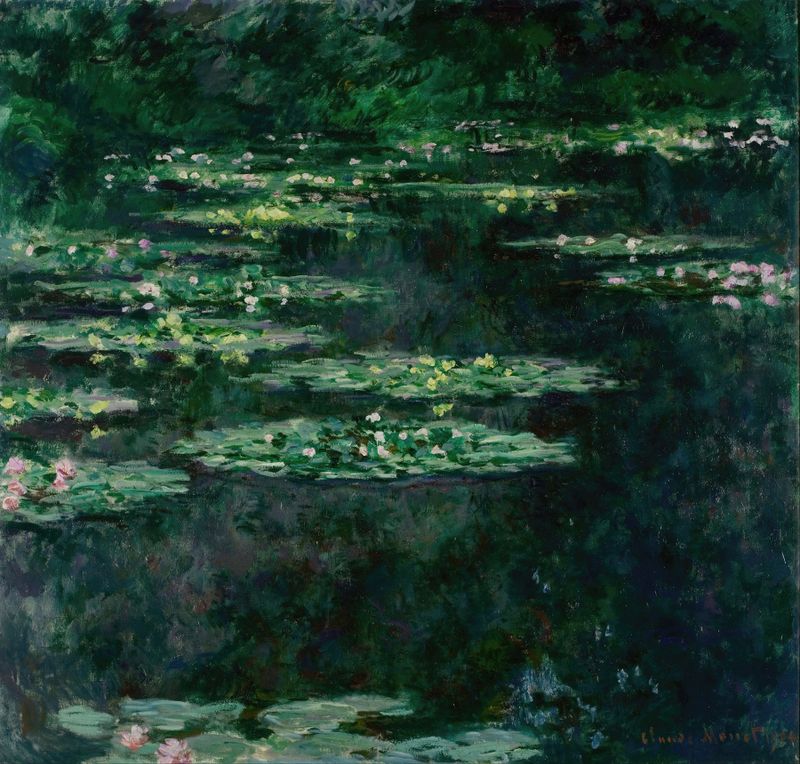
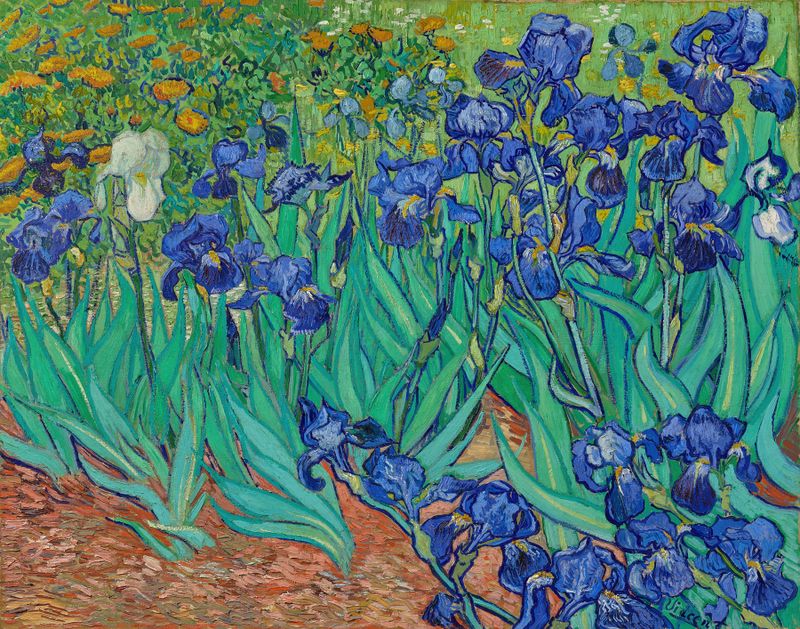
A sun-drenched garden unfolds, vibrant blossoms vying for attention among the swaying grasses. Yet, there’s an unsettling stillness beneath the beauty, as if the flowers whisper secrets of a darker history. A solitary figure stands at the center, her gaze cast downward, the rich colors of the flora stark against her somber attire. Look to the left at the vivid splashes of color emerging from the meticulously arranged petals; they seem to pulse with life.
Notice how the artist uses brushstrokes to evoke movement, the florals almost dancing in the warm sunlight. The composition is expertly balanced, drawing the eye towards the figure, whose muted clothing contrasts sharply with the riot of color, suggesting an emotional weight that lingers just beneath the surface. Here, the juxtaposition of beauty and restraint hints at violence lurking beneath the surface of domestic serenity. The garden, a symbol of growth and peace, also echoes a history of oppression.
The figure, seemingly trapped in melancholy, embodies the struggle for autonomy amid societal constraints, perhaps reflecting the artist’s own experiences as a woman in a male-dominated world. In 1845, Elizabeth Murray painted this piece while residing in England amidst a rising wave of social reform and the burgeoning women’s rights movement. During this time, the art world was evolving, with figures like her challenging traditional roles and pushing boundaries. Murray’s work, rich in both color and theme, captures the tension of her reality, making Garden at Clifton Hall a poignant commentary on the intersection of beauty and unrest.
More Artworks by Elizabeth Murray
Browse all →
Scarborough
Elizabeth Murray

From Barnard’s Book on Coloring
Elizabeth Murray

Cows in Landscape
Elizabeth Murray

Winchelsea Church
Elizabeth Murray

Caernarvon Castle
Elizabeth Murray

Val of Shanganagh, Dún Laoghaire, with Boats
Elizabeth Murray

Scarborough Castle
Elizabeth Murray
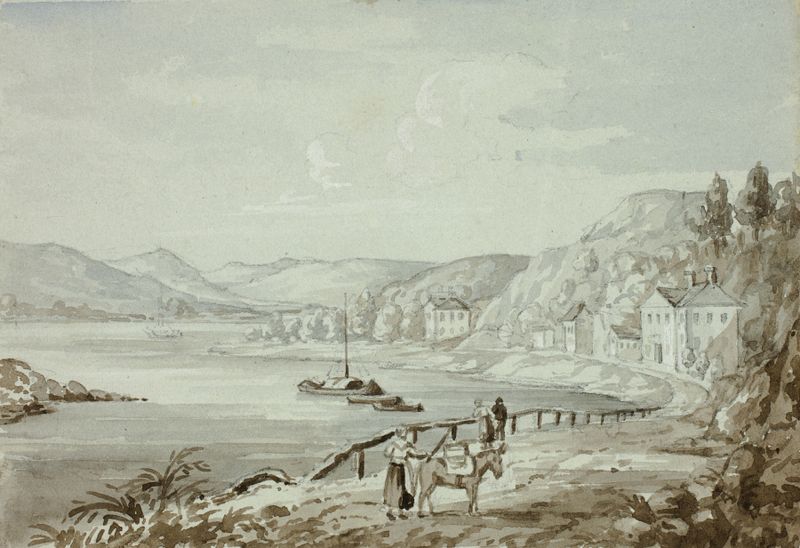
On the Rhine
Elizabeth Murray
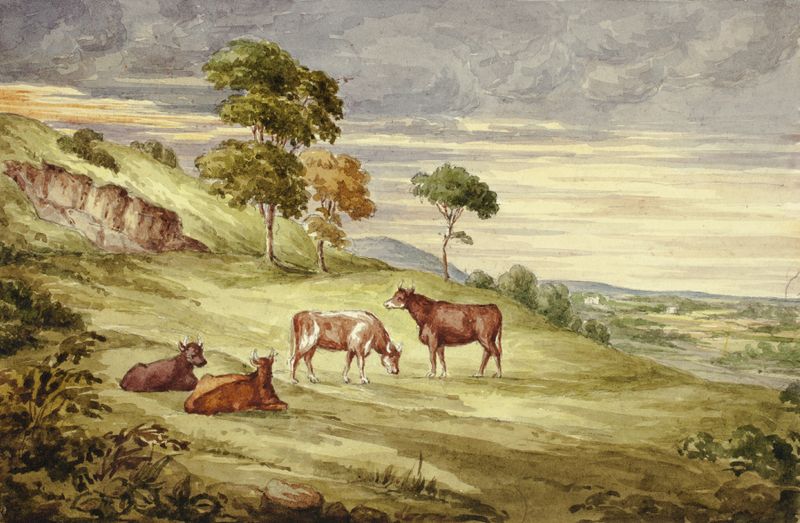
Deer Park, possibly Kilkenny
Elizabeth Murray
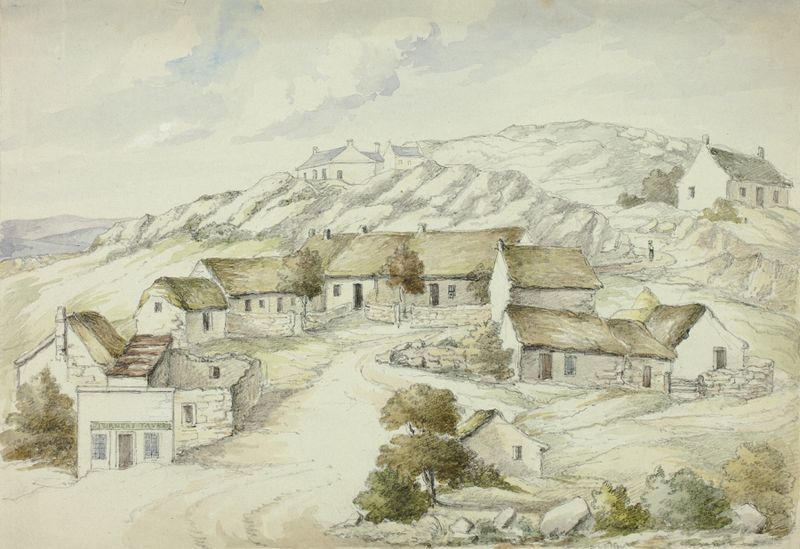
Kilkenny Village from the Rocks
Elizabeth Murray