
Garten — History & Facts
What secret hides in the quiet of the canvas? The stillness of Garten invites contemplation, urging us to delve deep into the serene embrace of nature's splendor. Look to the left at the lush greens that cascade down the hillside, where the vibrant foliage dances under the gentle brushstrokes of Julian Falat. Notice how the sunlight filters through the leaves, casting dappled shadows that create a rhythm of light and dark across the ground. The meticulously rendered details of the garden draw the eye, from the delicate blossoms that burst with color to the winding paths that invite exploration, each element harmonizing to evoke a sense of tranquility. The juxtaposition of light and shadow captures a moment suspended in time, reminiscent of life's fleeting beauty.
There’s an inherent tension between the wildness of the garden and the cultivated spaces, reflecting the struggle between natural chaos and human order. Each flower, each blade of grass seems to tell a story of resilience, whispering secrets of nature’s quiet strength in the face of changing seasons. In 1898, during a time when the Austrian art scene was evolving, Falat painted this scene while living in Waldhang bei Maria Taferl in the Wachau Valley. The artist, influenced by the burgeoning naturalism movement, sought to capture the harmony between land and light.
This work embodies his dedication to portraying the sublime beauty of the natural world, a reflection of both his personal experiences and the broader artistic currents of his time.
More Artworks by Julian Falat
Browse all →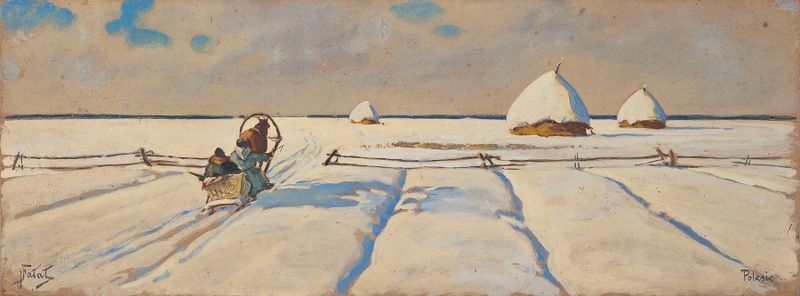
Sleigh in a snowy field – Polesia
Julian Falat
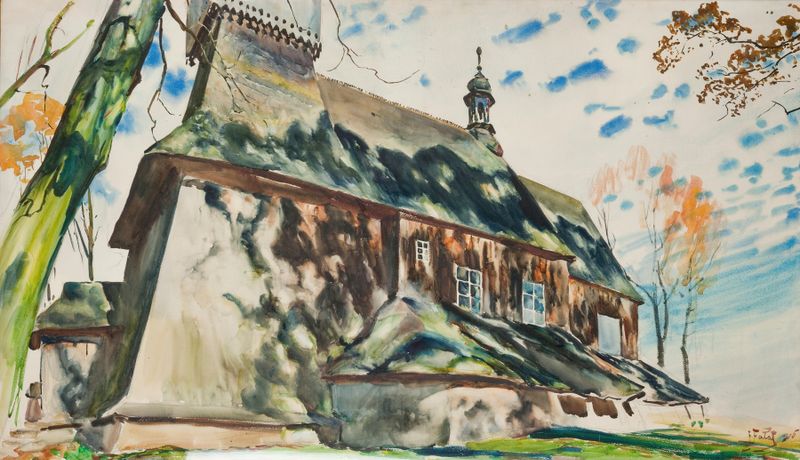
Church in Osiek
Julian Falat
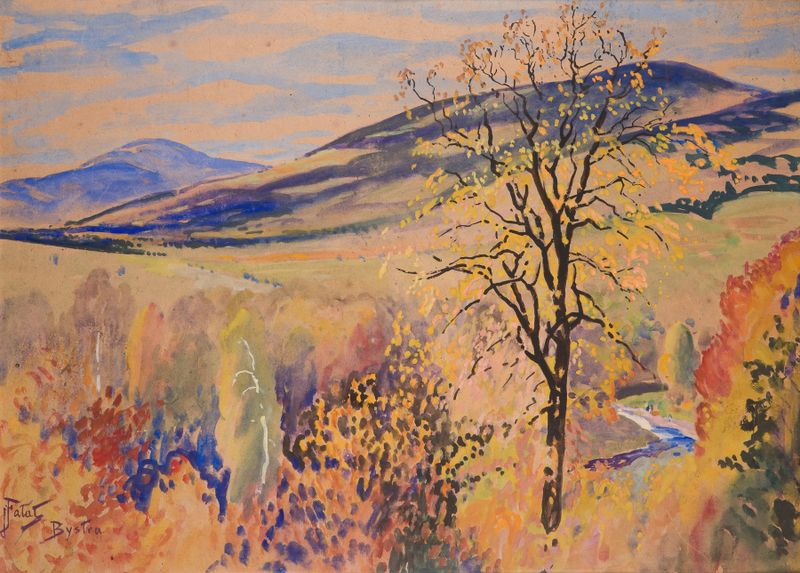
Pejzaż jesienny z Bystrej
Julian Falat
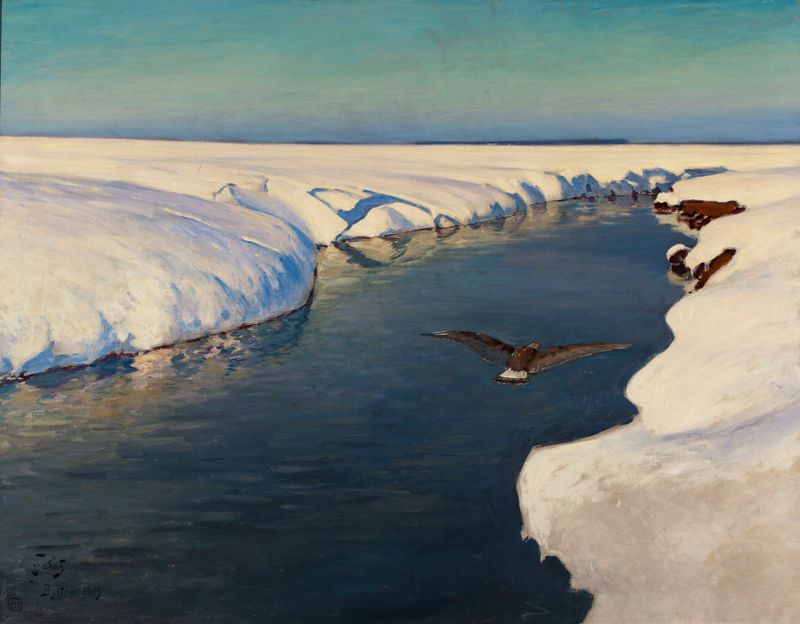
Winter landscape with a river and a bird
Julian Falat
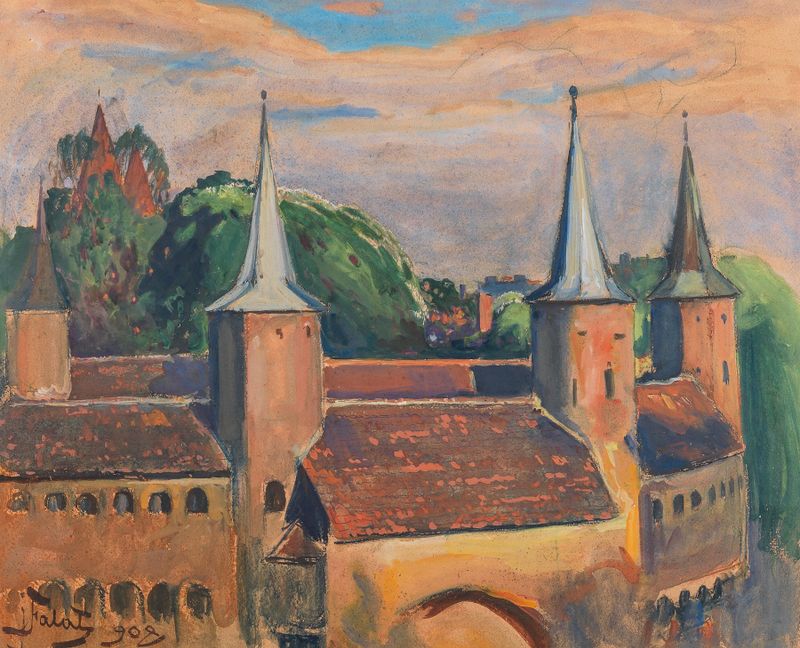
The Kraków Barbican
Julian Falat
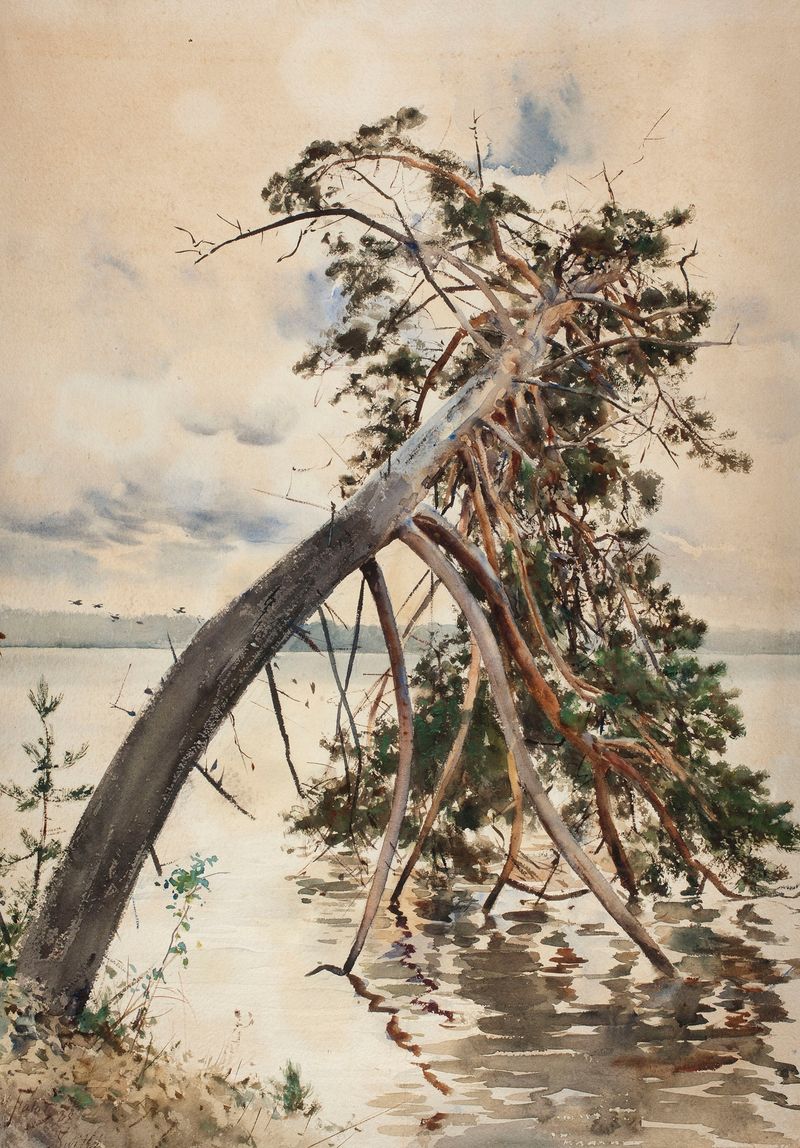
Świteź
Julian Falat
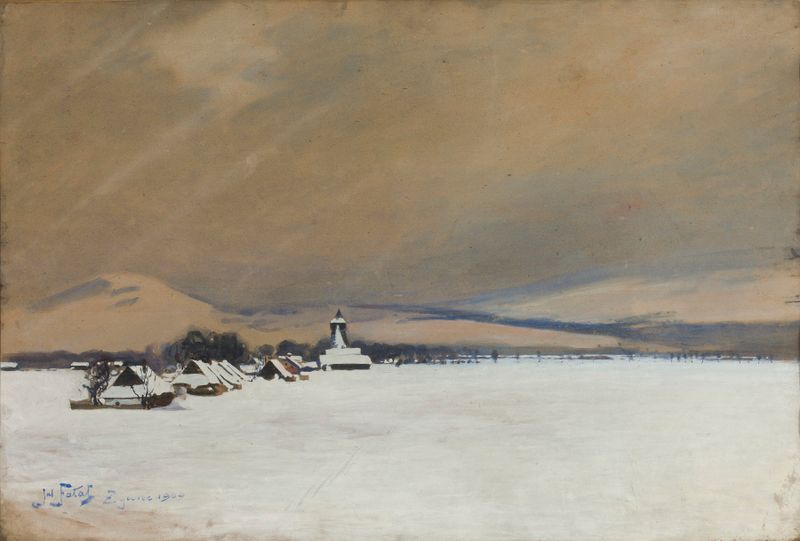
Winter landscape from Żywiec
Julian Falat
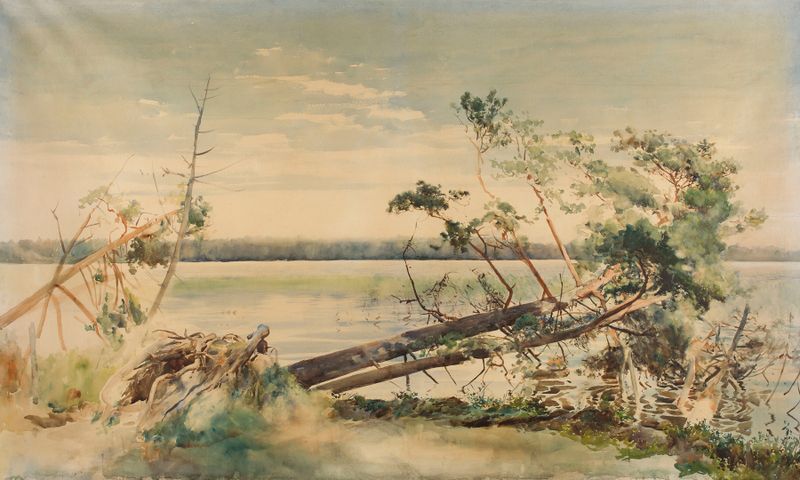
Świteź
Julian Falat
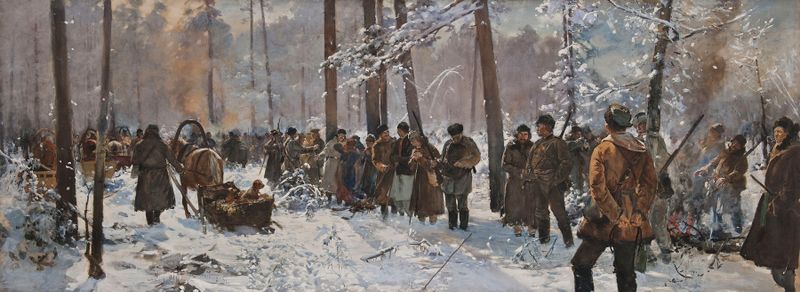
Battue at a hunt in Nieśwież
Julian Falat
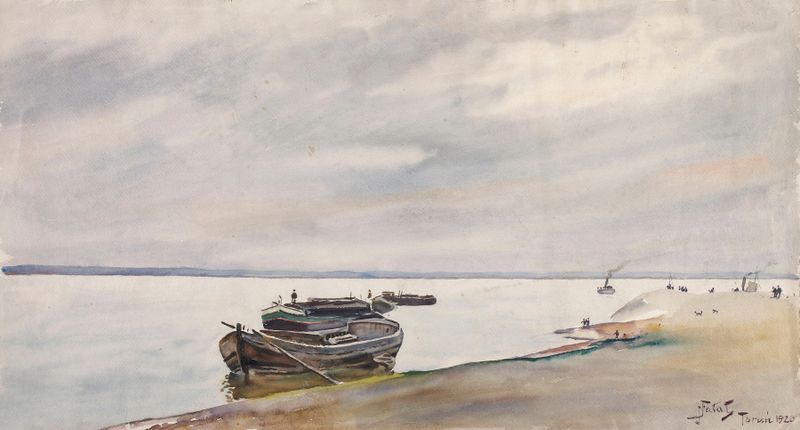
Boats and steamship on the Vistula near Toruń
Julian Falat





