
Gaston and his Sister — History & Facts
When Gaston and his Sister first appeared in exhibitions, viewers were struck by the painting’s quiet psychological charge—a hallmark of Gustave Van de Woestijne’s work, which often explored the inner worlds of his subjects. The painting’s date and commission remain uncertain, but it is widely recognized as one of the artist’s most enigmatic double portraits. Unlike many of his contemporaries in the early twentieth-century Belgian avant-garde, Van de Woestijne rarely depicted grand narratives or public figures; instead, he turned his gaze to the intimate dramas of daily life.
The identities of Gaston and his sister are not recorded, adding an air of mystery that has fueled speculation among art historians for decades. The scene captures a moment of stillness between the siblings, their gazes directed away from each other yet bound by an invisible thread. Gaston sits rigidly, his hands folded in his lap, while his sister’s slight lean and downcast eyes suggest a world of unspoken emotion. The subdued palette, dominated by earthy browns and muted greens, draws the viewer into the psychological tension between the figures.
Van de Woestijne’s careful modeling of their faces, with almost sculptural precision, recalls the introspective portraits of Félix Vallotton, though here the atmosphere is more hushed and ambiguous. The sparse background offers no clues, focusing all attention on the silent exchange—an invitation to contemplate the bonds and distances that shape family life. As with many works by Gustave Van de Woestijne, the precise provenance of Gaston and his Sister is not fully documented. The painting is believed to have remained in private hands for much of its existence, surfacing occasionally in retrospectives dedicated to the artist’s career.
Its style suggests it was painted during Van de Woestijne’s mature period, when he was associated with the Symbolist movement in Belgium, though the lack of a clear date leaves room for debate. Today, the painting is prized for its psychological depth and subtle composition, standing as a testament to Van de Woestijne’s ability to find drama in the quietest of human encounters.
More Artworks by Gustave Van de Woestijne
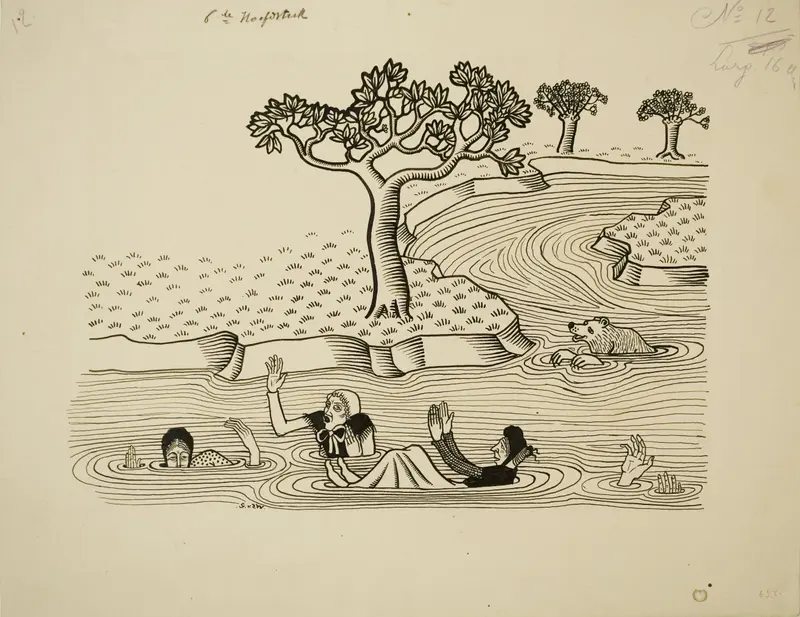
How Brown went out with Reynard where he thought he was eating honey and how he was caught by head and feet and suffered further misfortune
Gustave Van de Woestijne
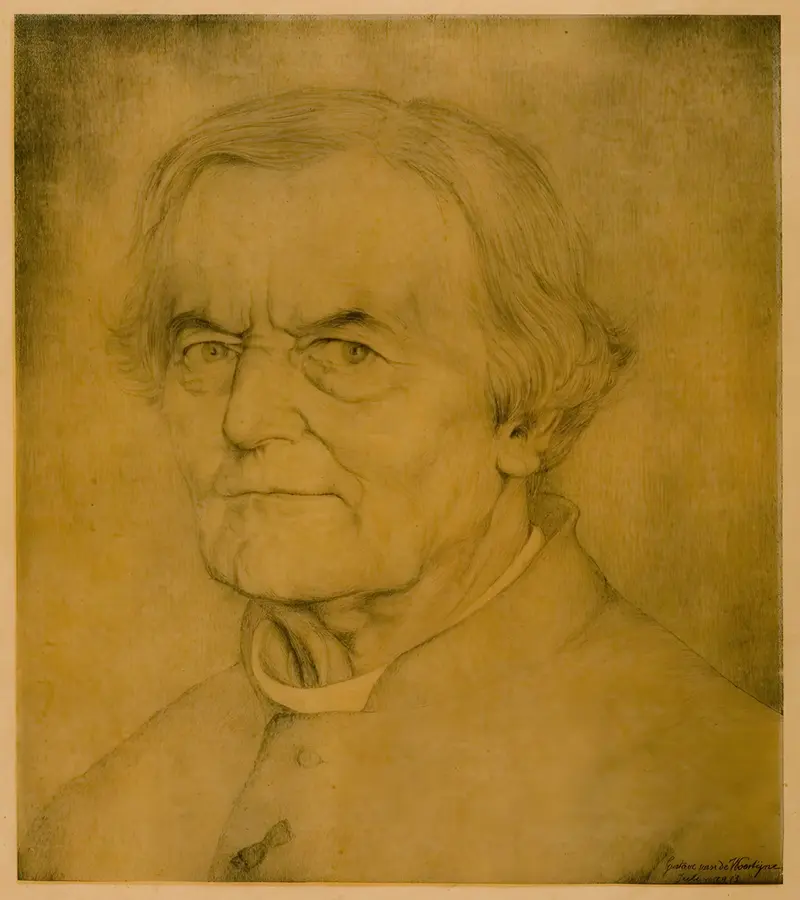
Portrait of Hugo Verriest
Gustave Van de Woestijne
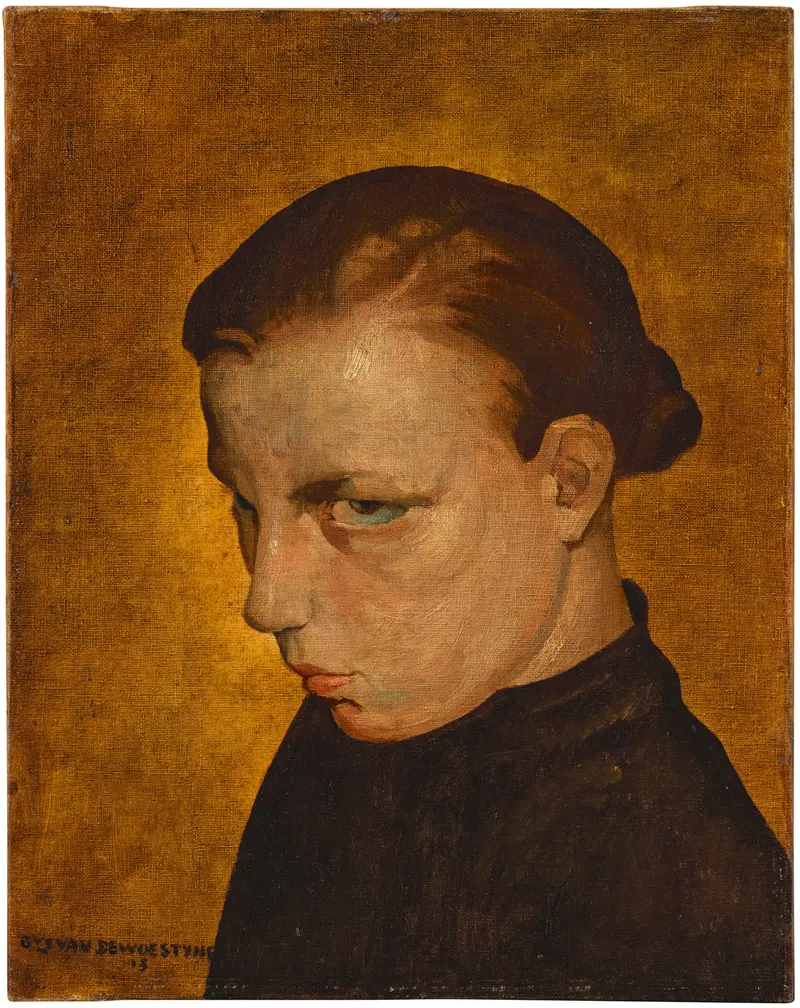
Angèle
Gustave Van de Woestijne
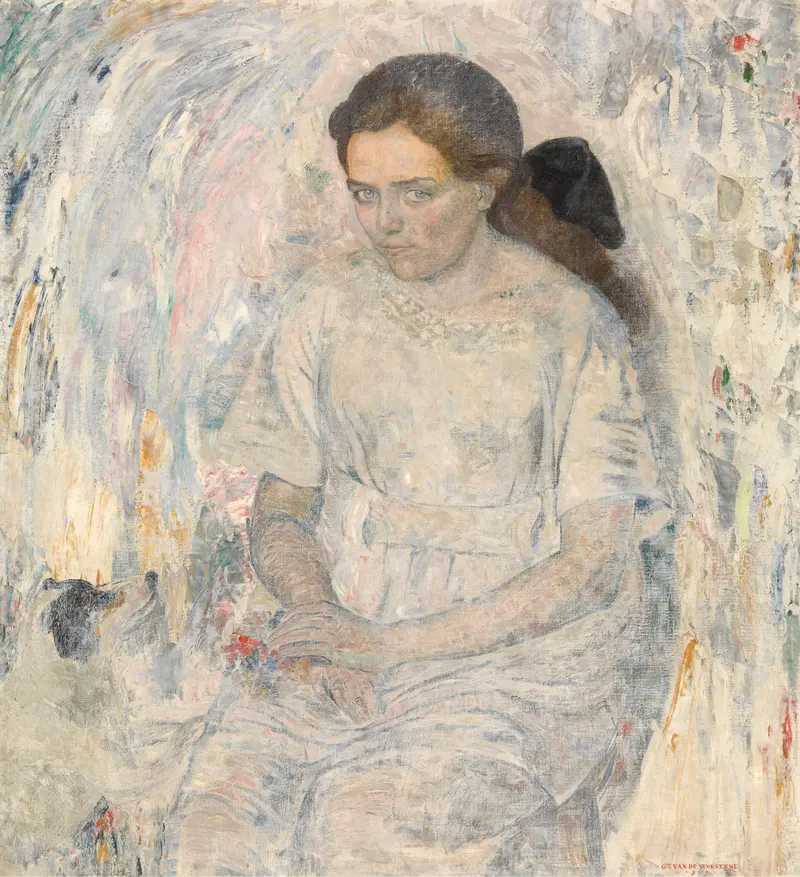
Adrienne
Gustave Van de Woestijne
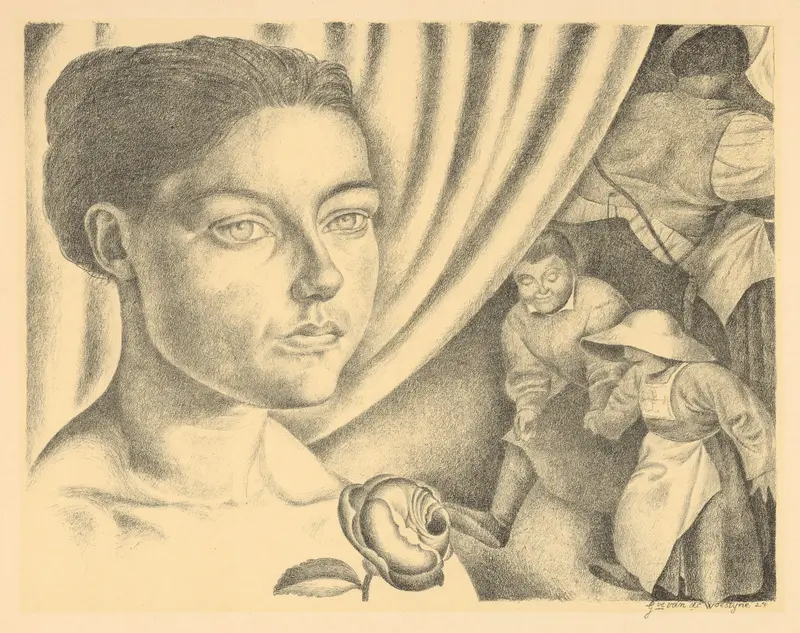
Jeune Femme
Gustave Van de Woestijne
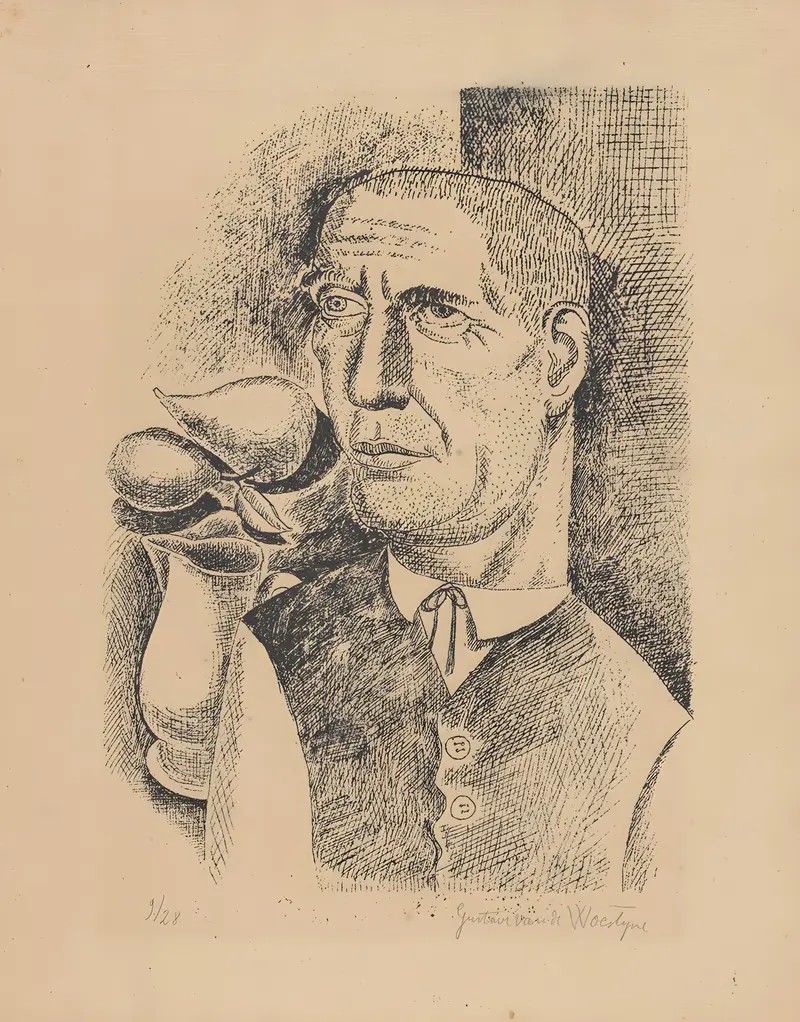
Boer op zijn zondags (Paysan endimanché)
Gustave Van de Woestijne
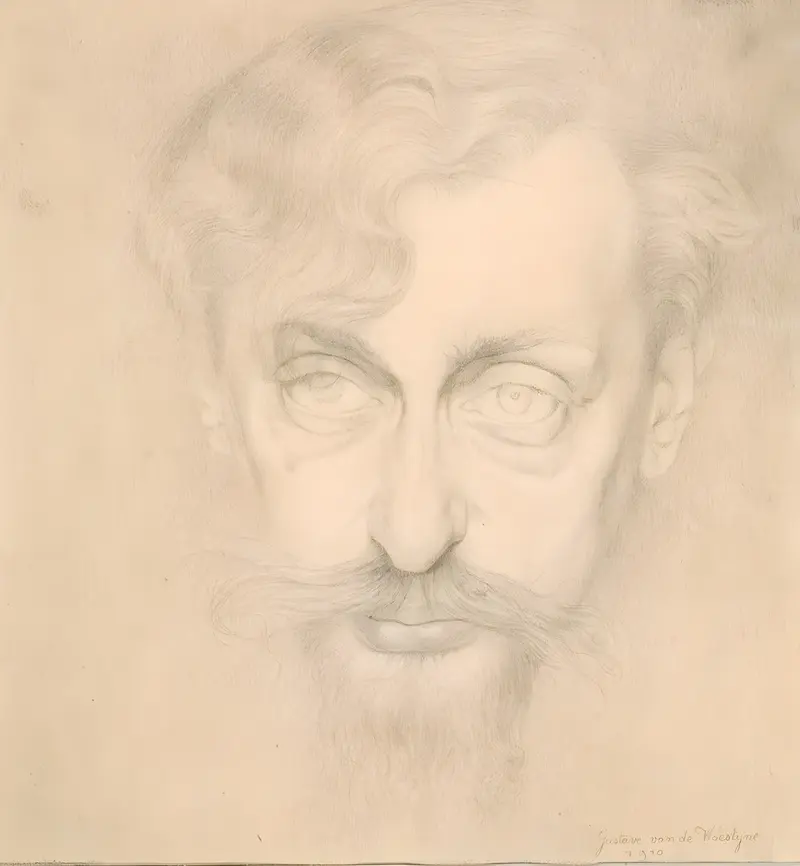
Portrait of the Writer Karel van de Woestijne
Gustave Van de Woestijne
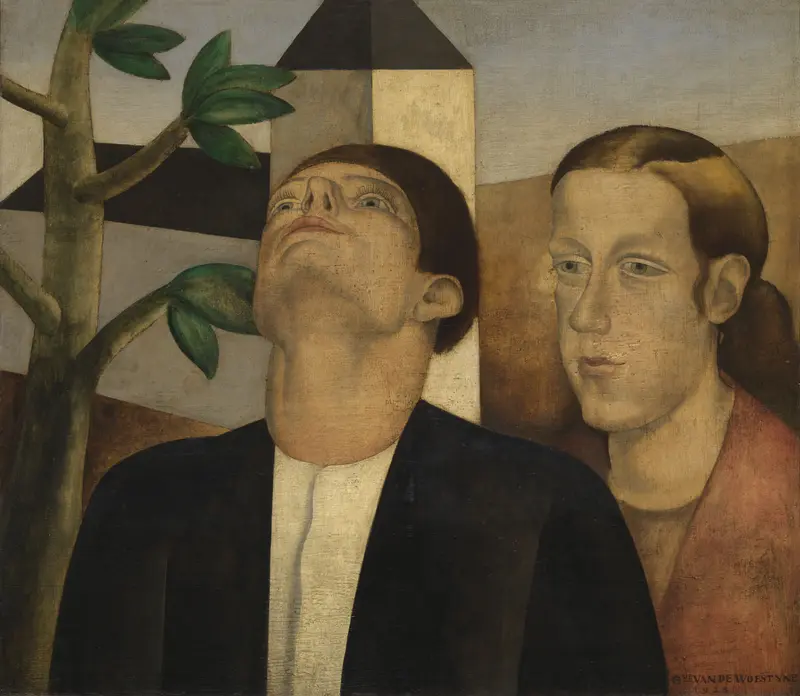
Azure
Gustave Van de Woestijne
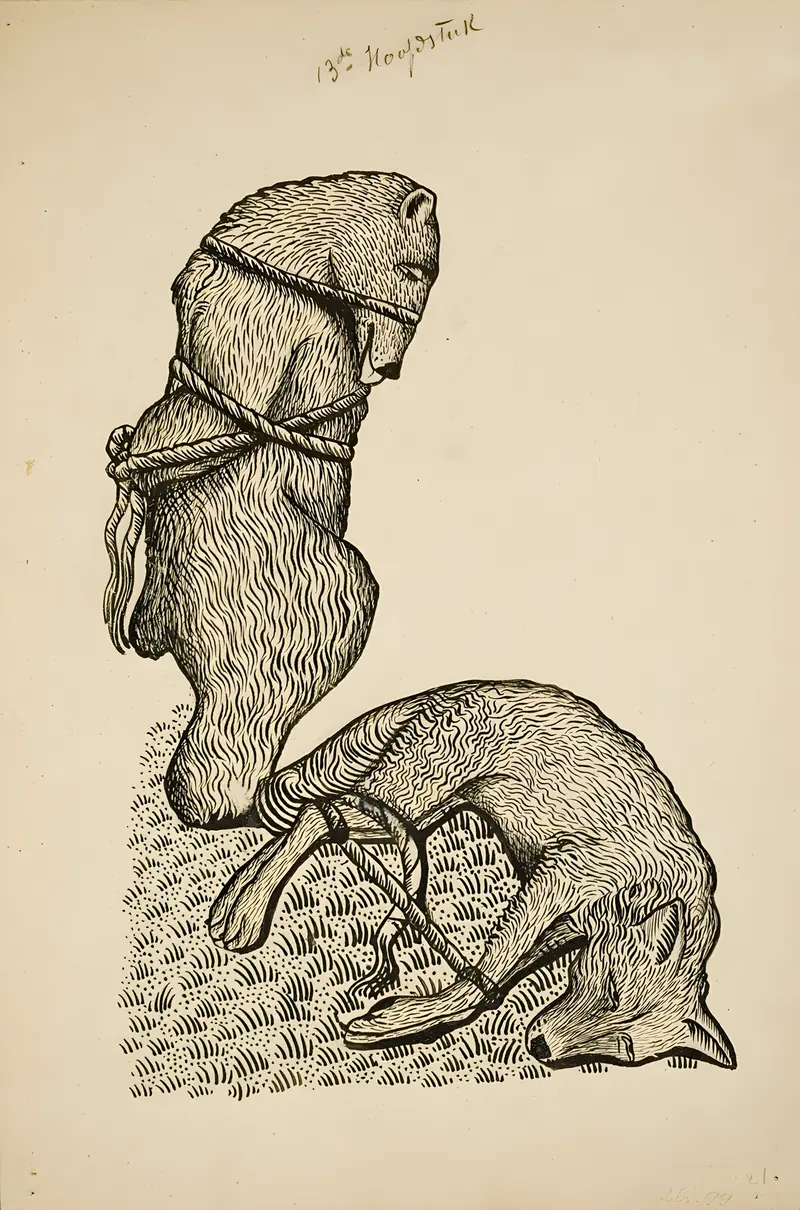
How Reinaert devises a new trick to get free and exterminate his enemies
Gustave Van de Woestijne
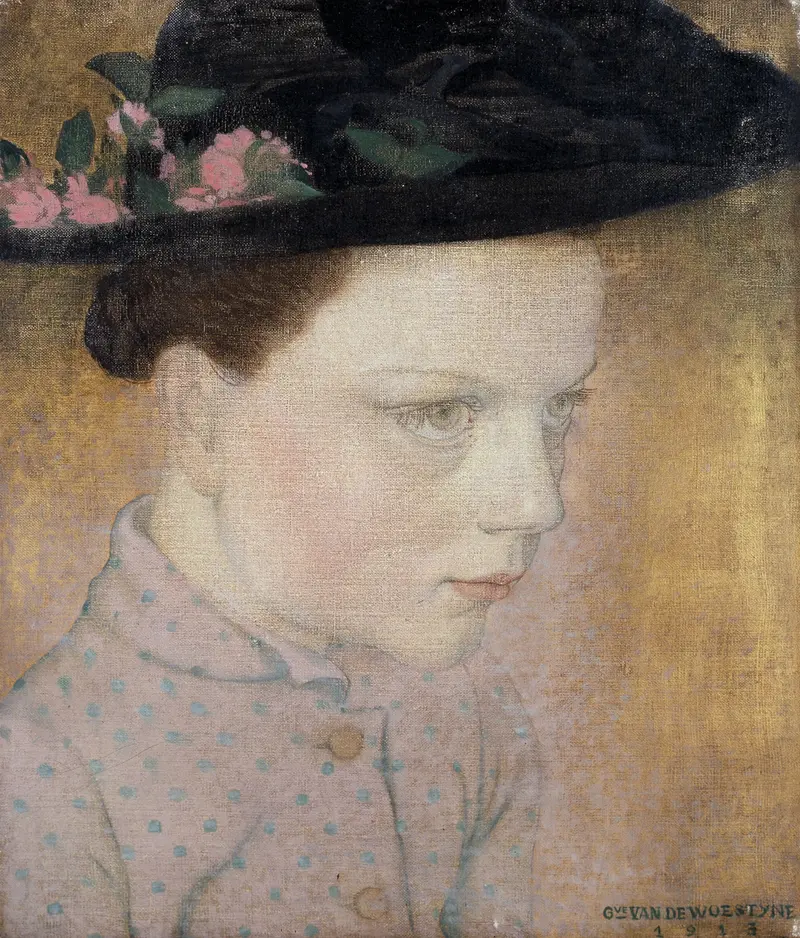
Country Girl
Gustave Van de Woestijne





