
Gate of Carisbrooke Castle — History & Facts
In that stillness lies the legacy of generations, echoing through the stone walls and archways of time. It captures a moment suspended not just in paint, but in history, whispering stories of those who passed through its gates. Look to the left at the imposing stone arch, standing as a steadfast guardian of the castle. Notice how the warm, golden sunlight bathes the textured surfaces, accentuating the intricate details of the masonry.
The artist employs a rich palette, melding earthy tones with vibrant greens, inviting the viewer’s eye to wander across the lush landscape that seems to breathe around the castle. The clouds draped overhead suggest a fleeting moment, beautifully contrasting the permanence of the fortress. Yet within this seemingly serene portrayal lies an undercurrent of tension. The strength of the castle juxtaposes the delicate touch of nature, hinting at a fragility within its legacy.
Each shadow cast by the stone speaks to the passage of time, while the verdant foliage encroaches, reminding us that history is always at risk of being reclaimed. It’s a dialogue between the man-made and the organic, illustrating the perpetual conflict of preservation and decay. In 1805, the artist was deeply influenced by the Romantic movement, exploring themes of nature and history. Living in England during a period of burgeoning nationalism and evolving artistic expression, Philip James de Loutherbourg sought to capture the essence of places like Carisbrooke Castle, which held significant cultural resonance.
His work reflects not only a keen observation of the landscape but also a growing awareness of the importance of heritage in turbulent times.
More Artworks by Philip James de Loutherbourg
Browse all →
Iron Works, Colebrook Dale
Philip James de Loutherbourg
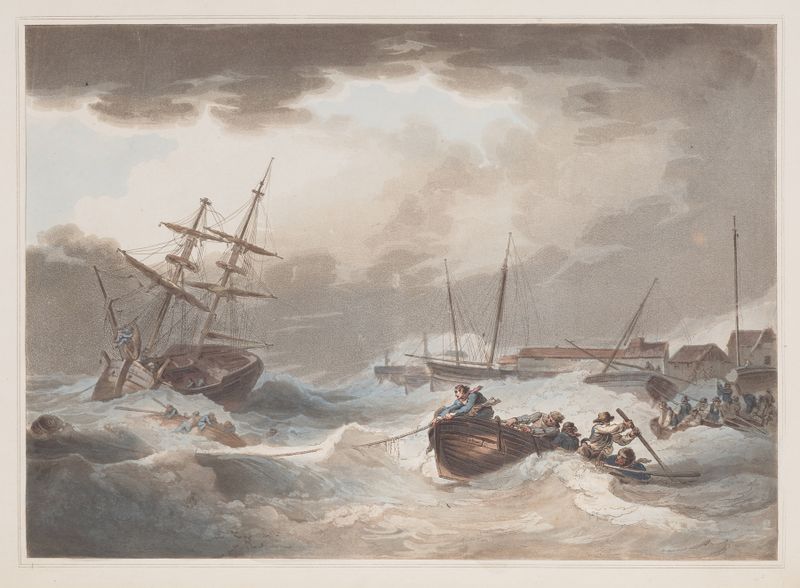
Storm off Margate
Philip James de Loutherbourg
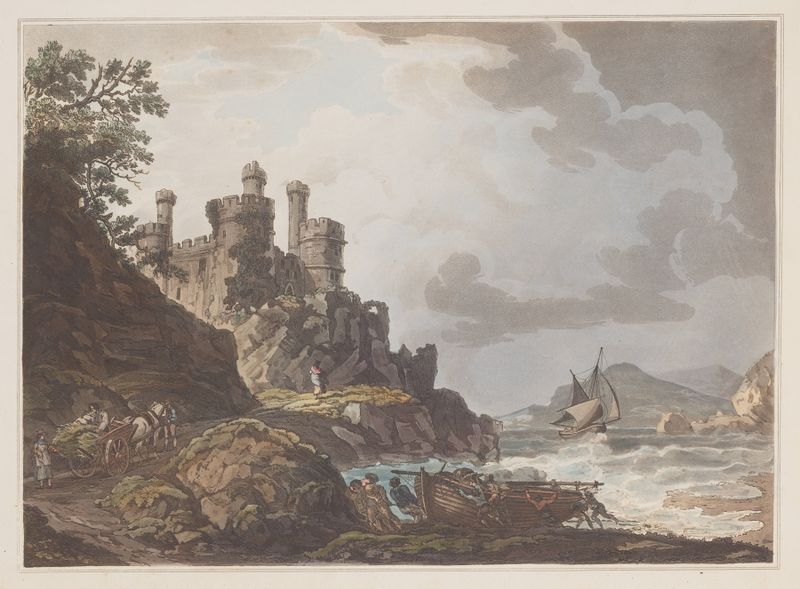
Conway Castle
Philip James de Loutherbourg
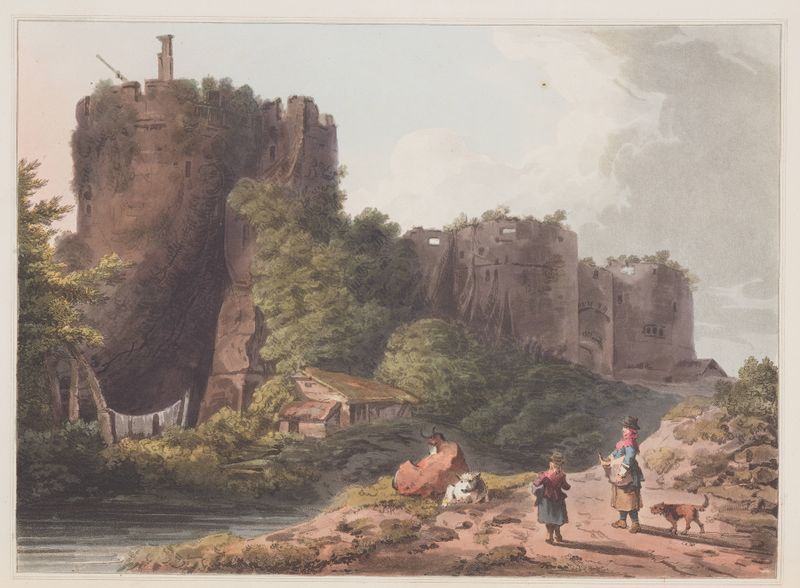
Chepstow Castle in Monmouthshire
Philip James de Loutherbourg
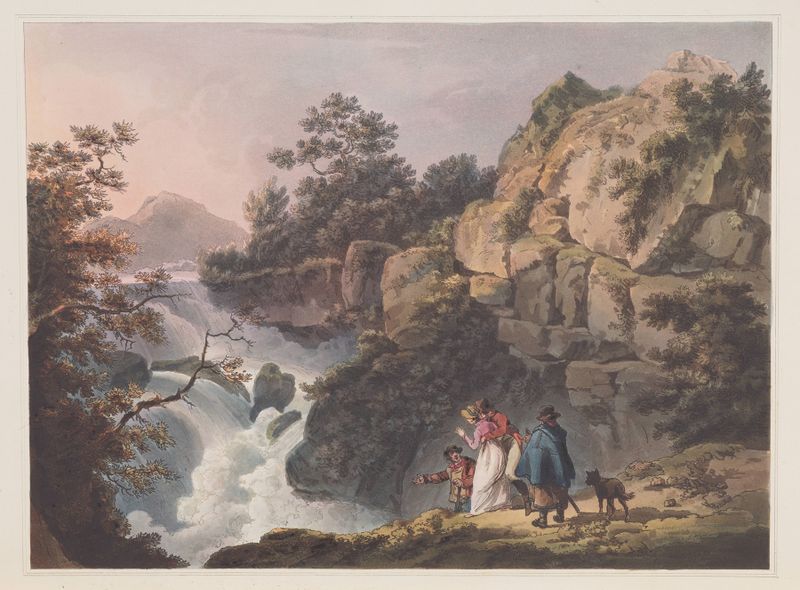
Cataract on the Llugwy
Philip James de Loutherbourg

Tintern Abbey
Philip James de Loutherbourg
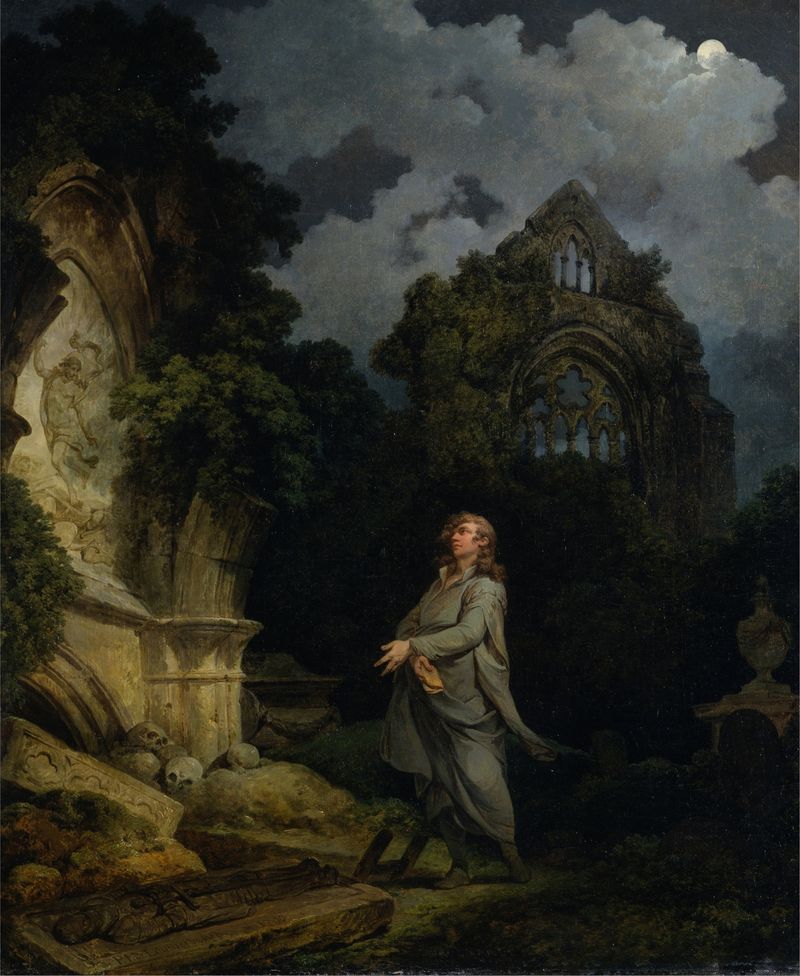
Visitor to a Moonlit Churchyard
Philip James de Loutherbourg

A Storm at the Entrance of a Mediterranean Port
Philip James de Loutherbourg
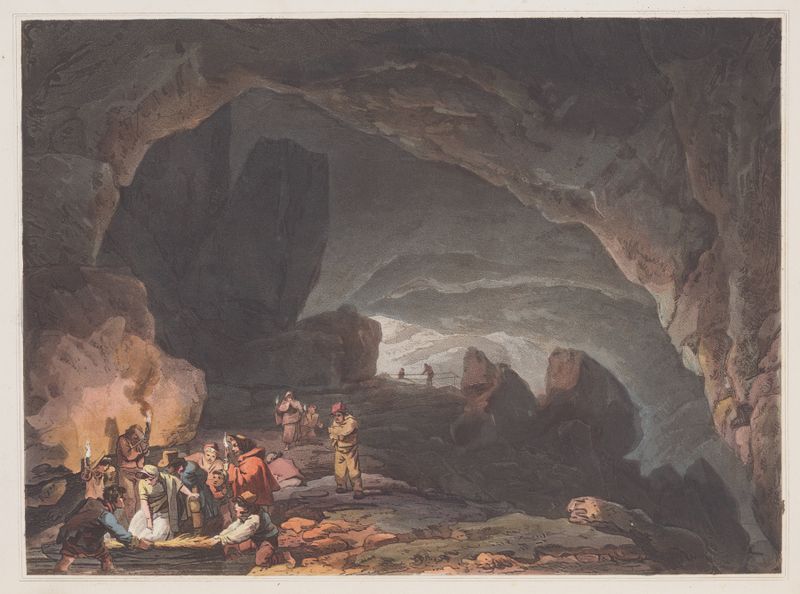
Peak’s Hole, Derbyshire
Philip James de Loutherbourg
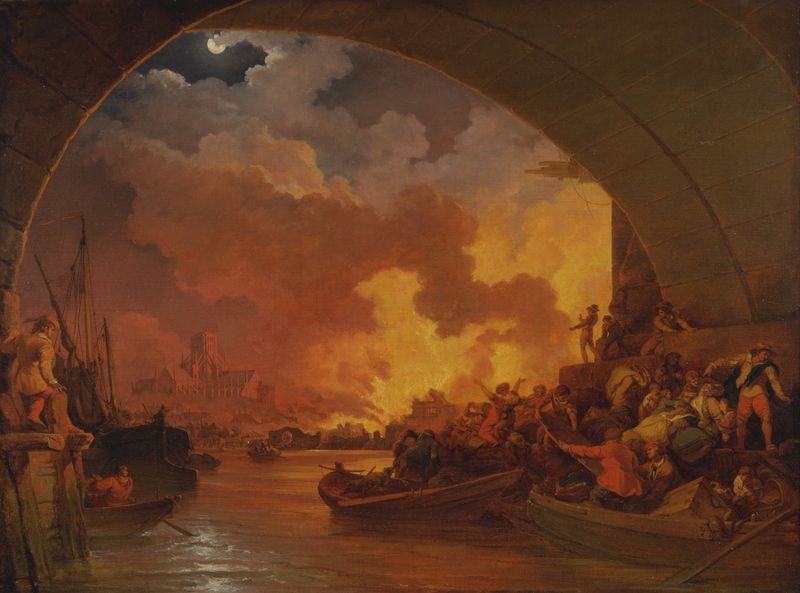
The Great Fire of London
Philip James de Loutherbourg
More Architecture Art
Browse all →
The statue of Liberty
Frédéric Auguste Bartholdi

View of Houses in Delft, Known as ‘The Little Street’
Johannes Vermeer

View of Houses in Delft, Known as ‘The Little Street’
Johannes Vermeer

The Cathedral in Rouen. The portal, Grey Weather
Claude Monet

The yellow house
Vincent van Gogh

The Church in Auvers-sur-Oise, View from the Chevet
Vincent van Gogh