Gathering of May-lily (La cueillette du muguet) — History & Facts
What first draws the eye in Gathering of May-lily (La cueillette du muguet) is the quiet choreography of figures absorbed in their task, each gesture woven into the dappled undergrowth. A young woman stands at the left, her basket dangling loosely, as if pausing between movements; another crouches low, intent on the delicate stems she gathers. The light, rendered in fine, restless lines, filters through the trees and pools on their backs and arms, guiding us from figure to figure and into the deeper woods beyond.
The composition is alive with the hush of shared labor, each detail—folded cloth, bent knee, the scattered lilies—serving to anchor us in this fleeting, communal moment. Created in 1908, this work by Auguste Lepère belongs to a world on the cusp of modernity, yet still deeply rooted in rural ritual. The gathering of lily of the valley, a flower steeped in springtime tradition and humble celebration, was a subject that resonated with artists chronicling the rhythms of everyday life. In France, such scenes were cherished for their connection to the land and to the cycles of the year, often commissioned for private homes or as illustrations for literary journals.
While history has kept few traces of this particular print’s journey, its presence today in the National Gallery of Art’s collection—made accessible through open access—invites us to linger among these figures, and perhaps to hear, in the silence, the rustle of leaves and the soft exchange of hands and blossoms.
More Artworks by Auguste Lepère

Le Pont-Neuf (Paris)
Auguste Lepère
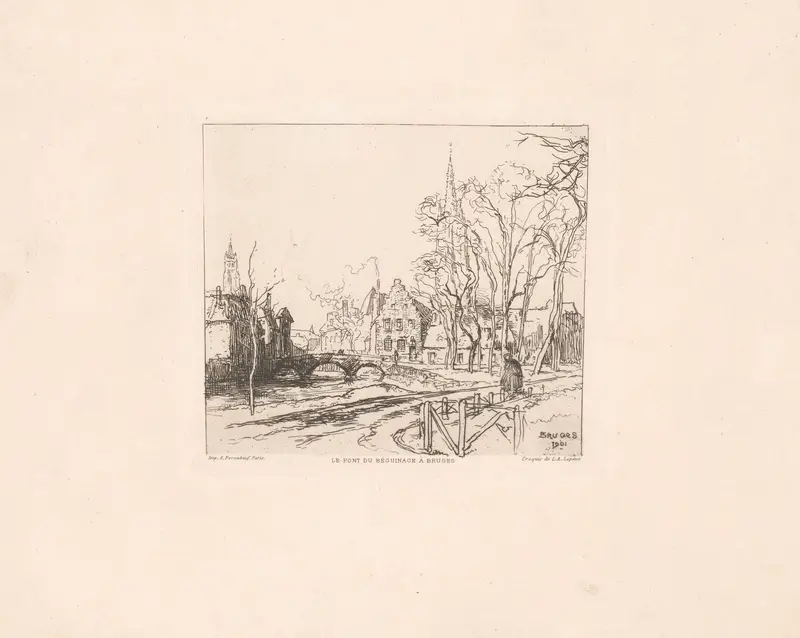
Le pont du Beguinage à Bruges
Auguste Lepère
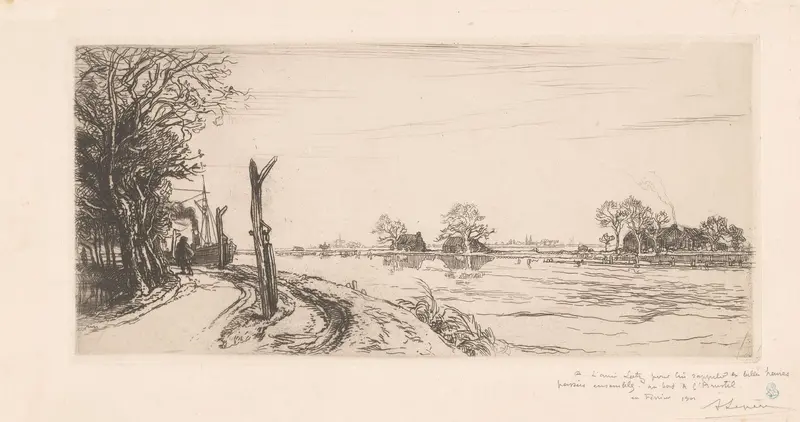
Au bord de l’Amstel
Auguste Lepère
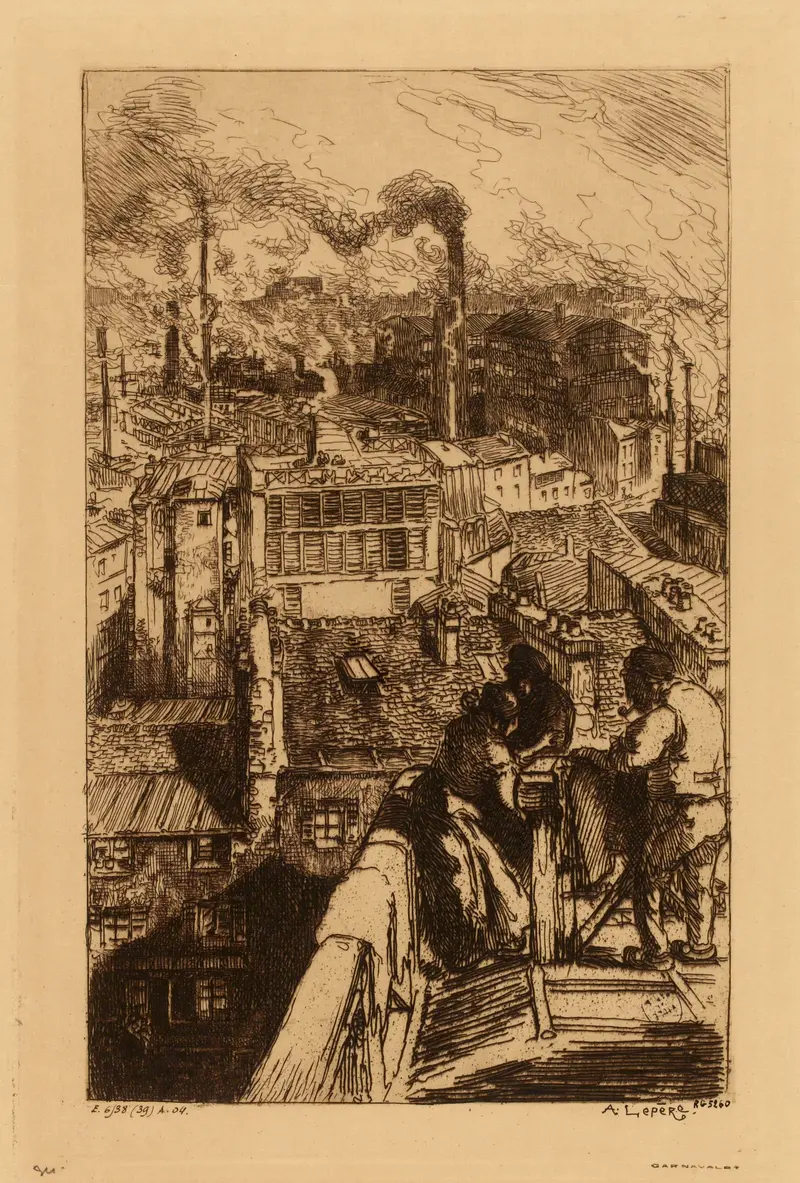
Le quartier des Gobelins
Auguste Lepère
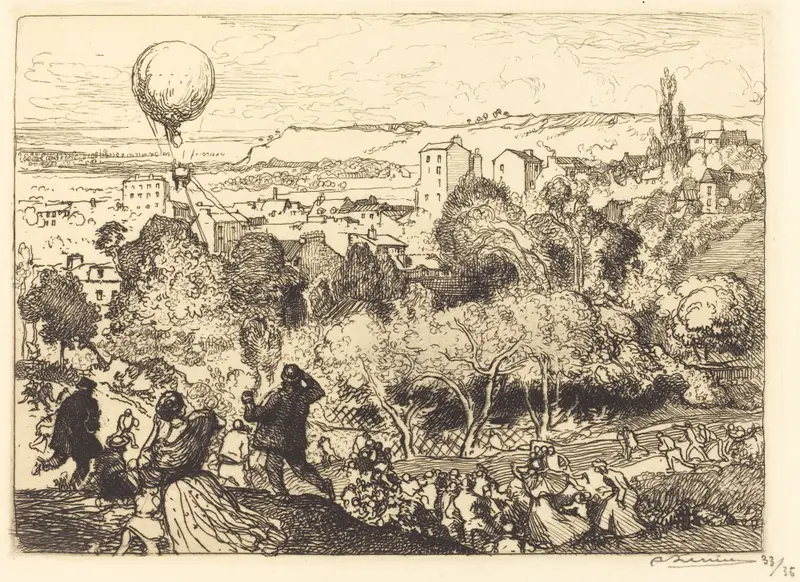
The Falling Balloon, in Pre-Saint-Gervais (Lebaloon qui tombe, au Pre-Saint-Gervais)
Auguste Lepère
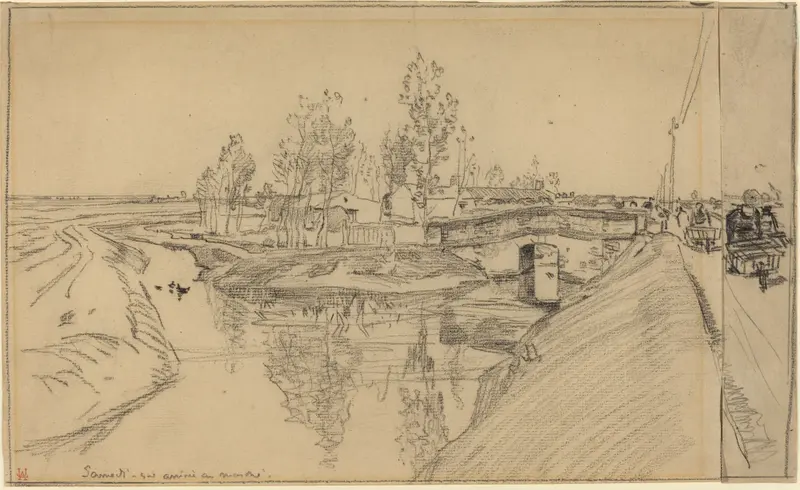
Arrivee au Marche
Auguste Lepère
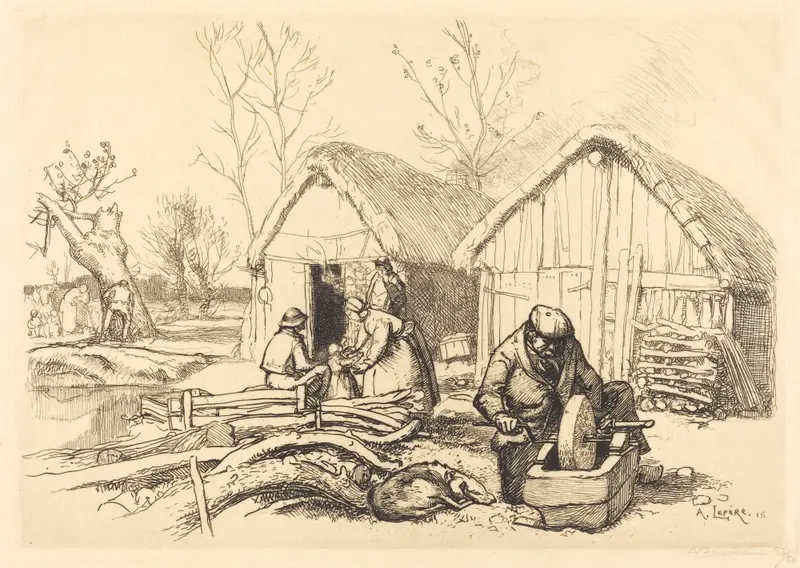
The House of the Woodcutter, Vendee (La maison du bucheron, Vendee)
Auguste Lepère
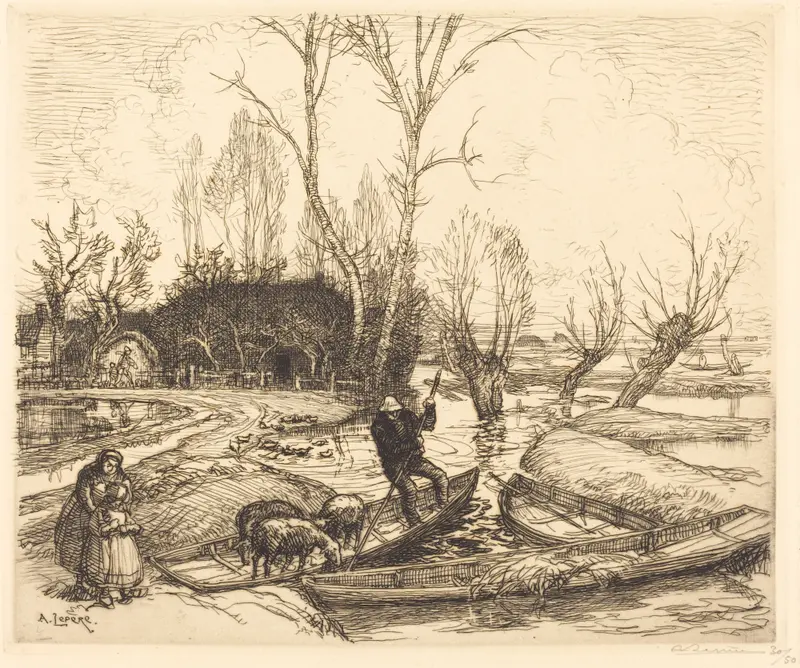
In the Deluged Marsh - The Shepherd (Au marais inonde - Le berger)
Auguste Lepère
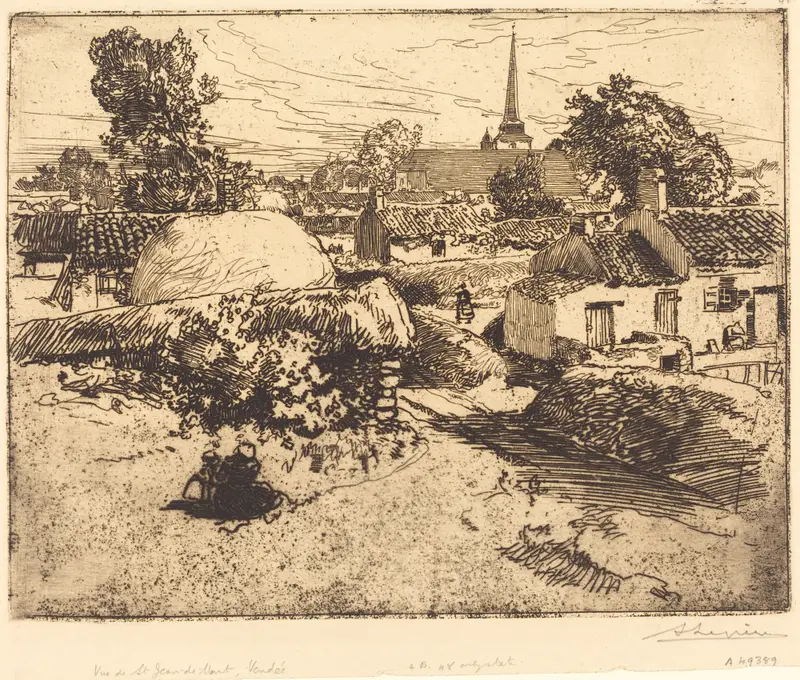
View of St.-Jean-de-Mont, Vendee (Vue de St.-Jean-de-Mont, Vendee)
Auguste Lepère
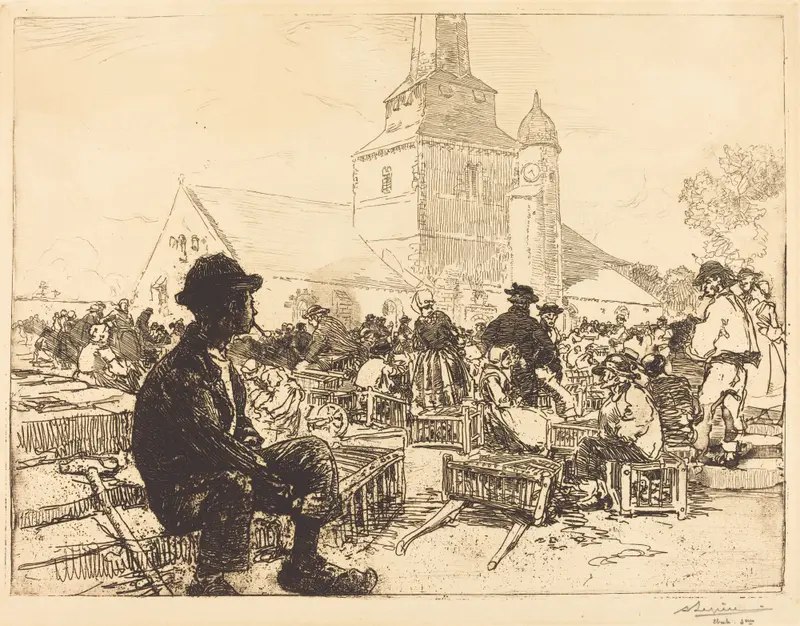
Poultry Market at St.-Jean-de-Mont (Marche a la volaille, a St.-Jean-de-Mont)
Auguste Lepère