
Geloof — History & Facts
In an age of fleeting moments, the act of creating a lasting image can unearth profound truths. Geloof, a remarkable work from the early Renaissance, invites us to confront the delicate interplay between faith and reality, where every brushstroke is a testament to enduring belief. Look to the center of the canvas, where the figure of a woman stands in quiet contemplation. Her expression is serene yet introspective, drawing the viewer into her sacred moment.
Notice the soft, subdued tones that envelop her, creating a sense of stillness in contrast to the intricate details of the surrounding elements. The luminescence of her garments suggests an ethereal quality, allowing light to dance gently upon the fabric, while shadows linger softly, evoking an atmosphere of reverence. Delve deeper into the symbolism woven throughout the painting. The delicate balance between light and darkness mirrors the duality of faith—a journey filled with uncertainty yet illuminated by divine assurance.
The presence of the open book beside her hints at knowledge and wisdom, suggesting that truth emerges from the depths of contemplation. Each detail, from the folds of her garment to the gentle curvature of her hand, conveys a profound sense of connection to the eternal. In 1530, Lucas van Leyden was navigating a burgeoning period of artistic exploration in the Netherlands. Amidst the rise of humanism and deepening religious discourse, he sought to encapsulate the spiritual essence of his time through engaging compositions.
Geloof stands as a testament to this quest, intertwining personal reflection with broader cultural narratives, and solidifying his place among the influential artists of the Renaissance.
More Artworks by Lucas van Leyden
Browse all →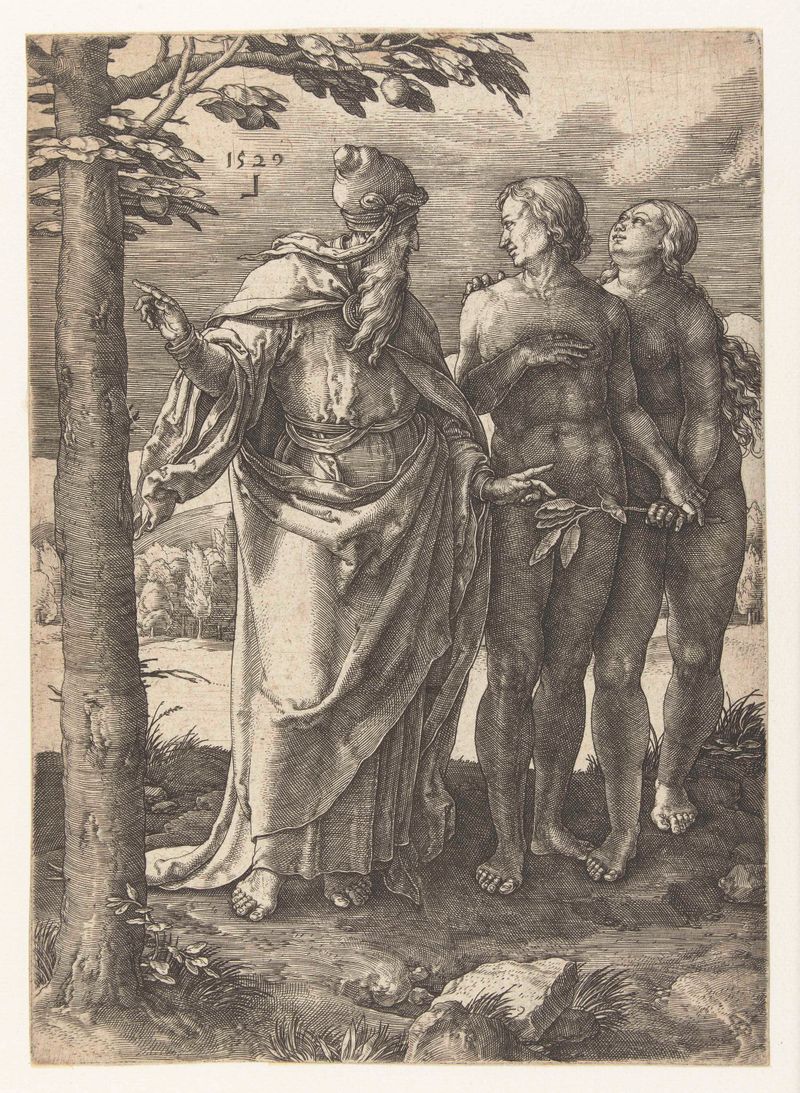
Het eerste verbod
Lucas van Leyden
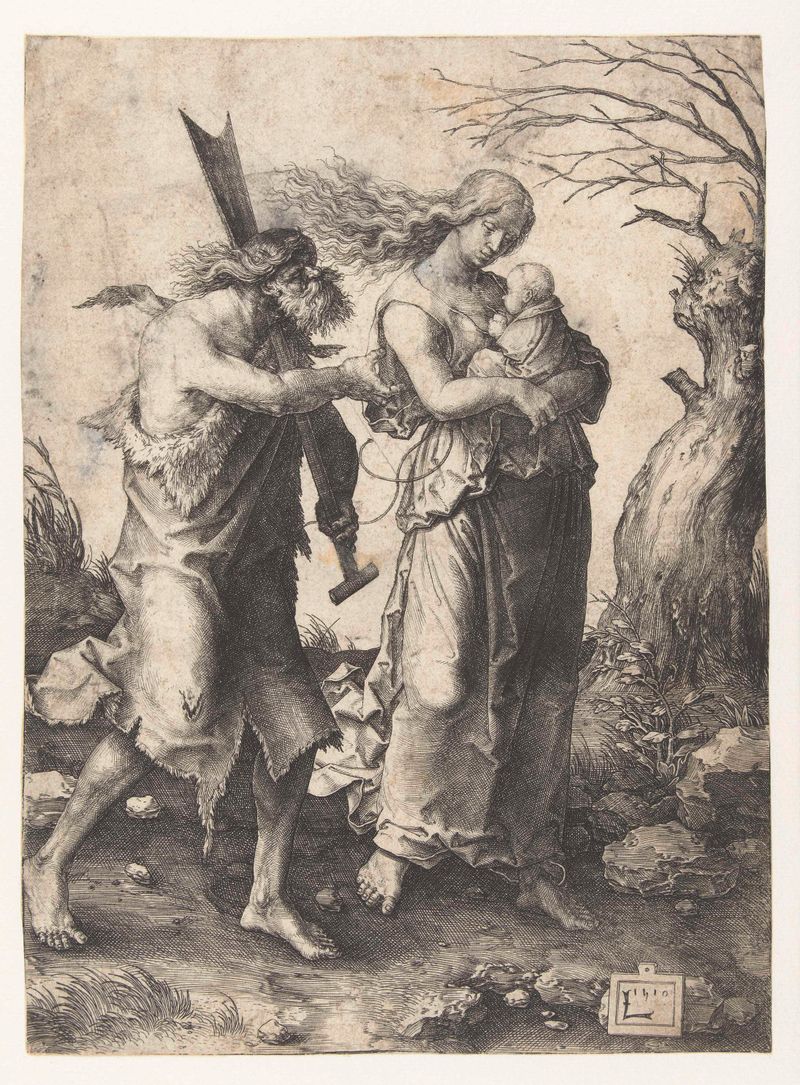
Adam en Eva na de verdrijving uit het paradijs
Lucas van Leyden
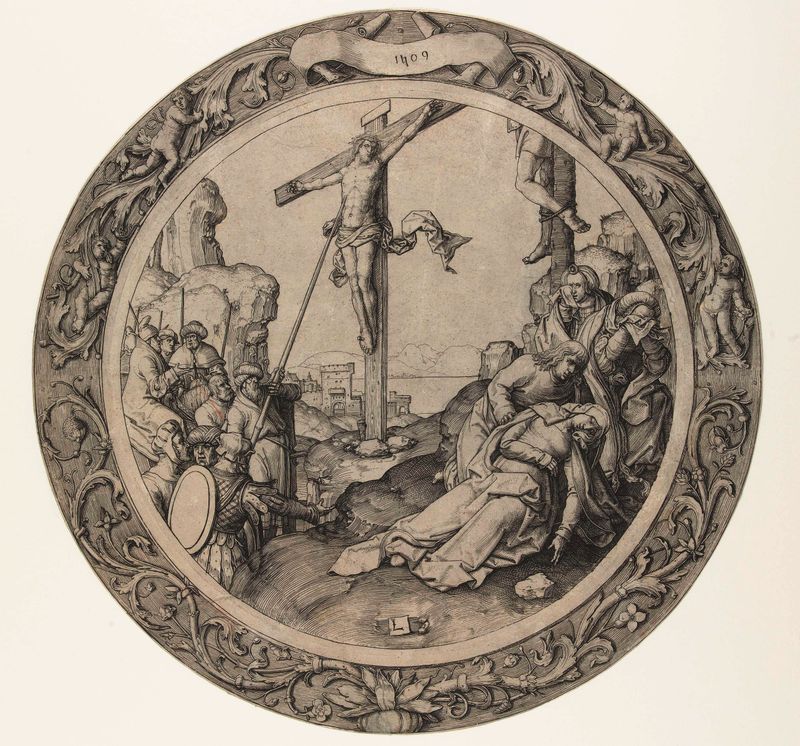
De kruisiging
Lucas van Leyden
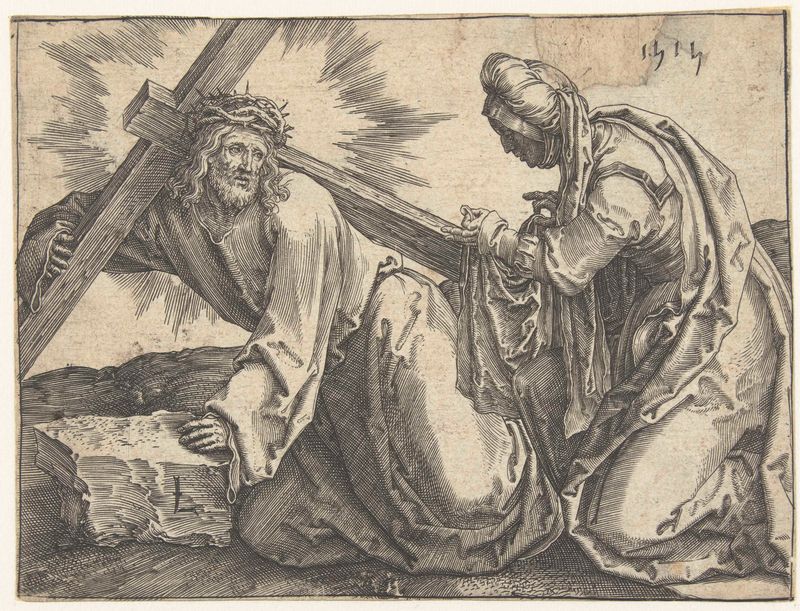
Kruisdraging
Lucas van Leyden
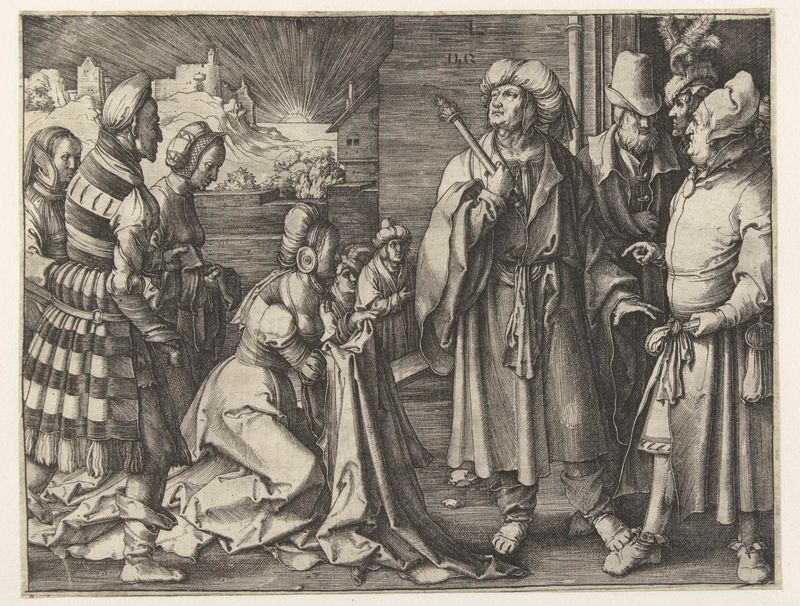
De vrouw van Potifar beschuldigt Jozef
Lucas van Leyden
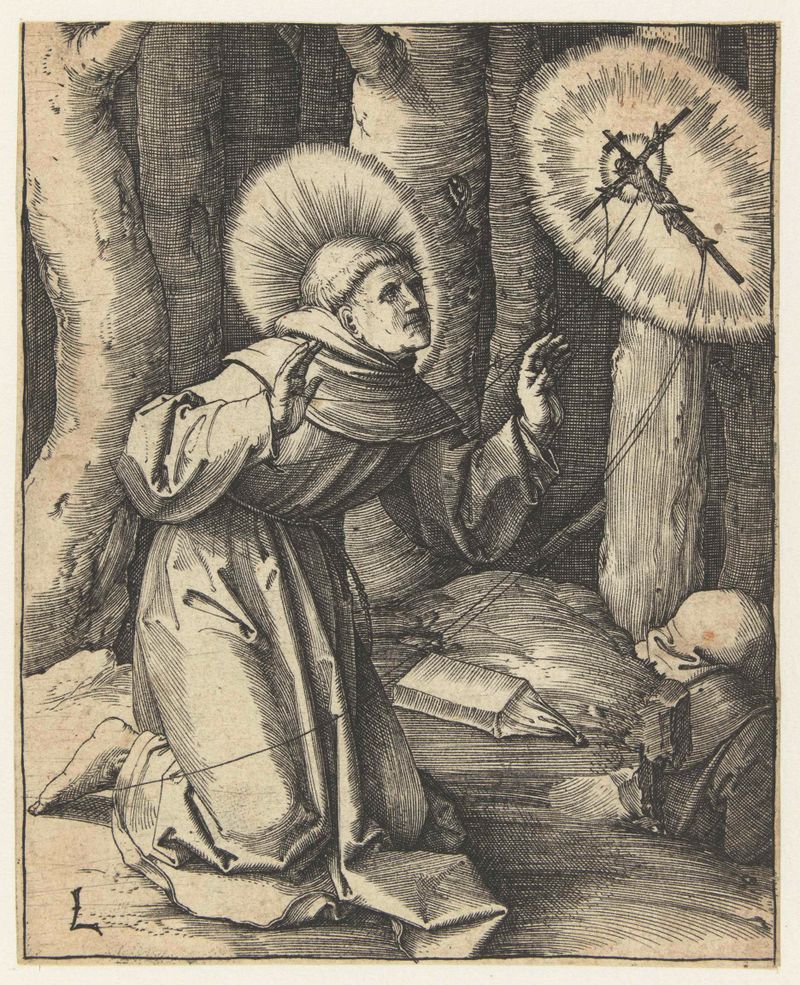
De stigmatisatie van de heilige Franciscus
Lucas van Leyden
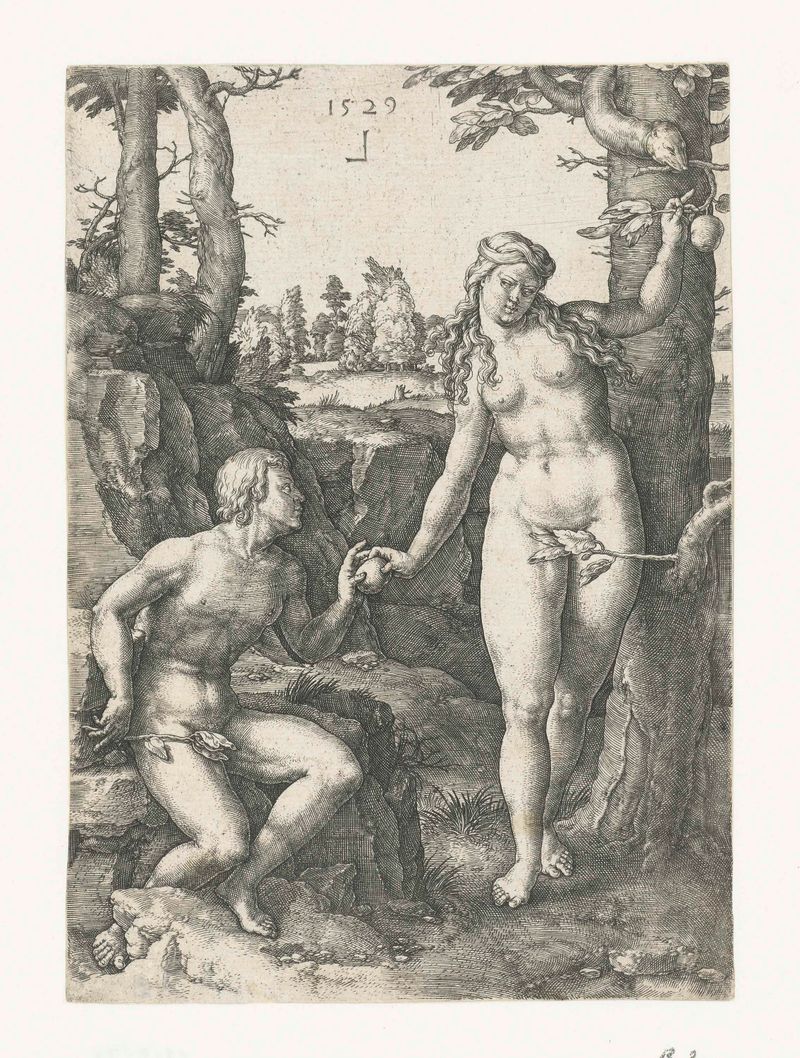
De zondeval
Lucas van Leyden
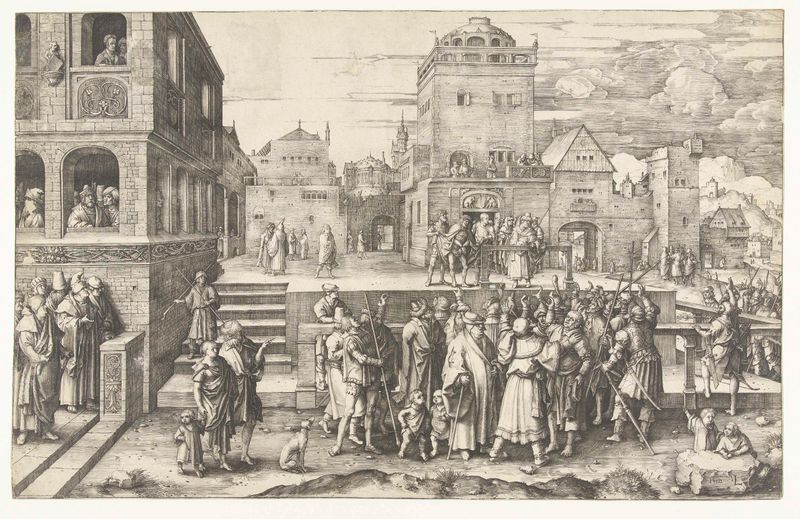
De grote Ecce Homo
Lucas van Leyden
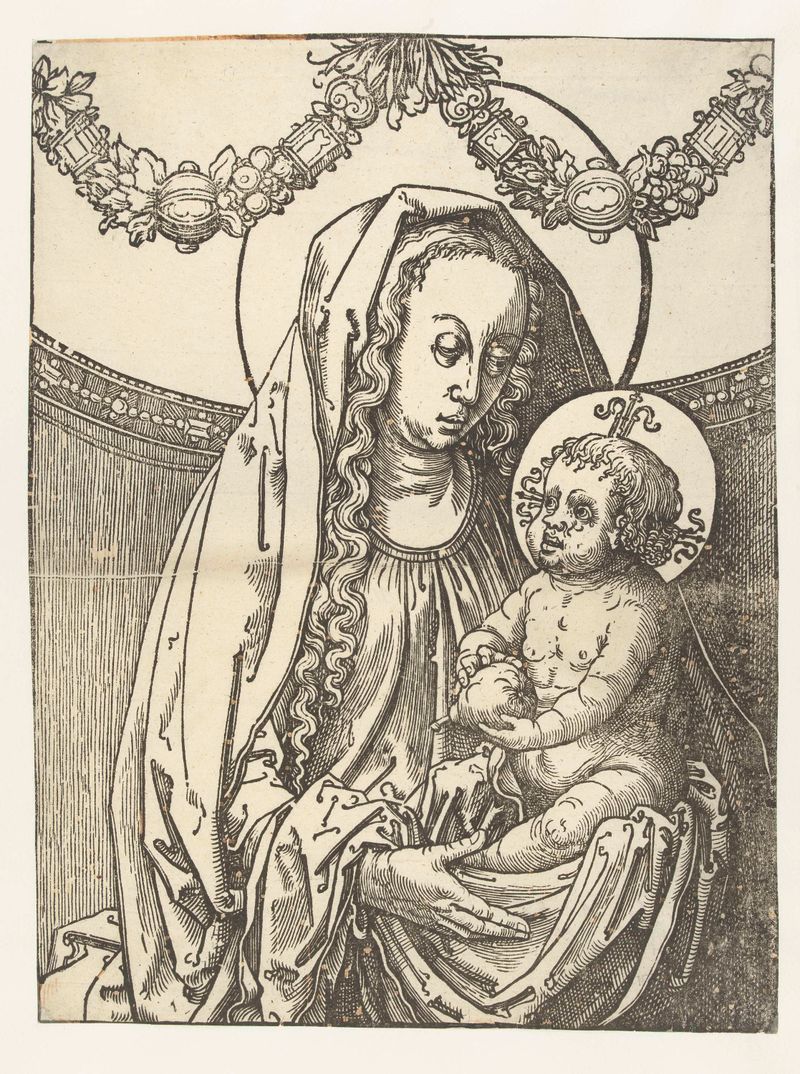
Maria met kind
Lucas van Leyden

Doornenkroning
Lucas van Leyden
More Religious Art
Browse all →
The Return of the Prodigal Son
Rembrandt van Rijn

The Garden of Earthly Delights
El Bosco

Count Orgaz’ funeral
El Greco

The Hundred Guilder Print: the central piece with Christ preaching, the plate arched
Rembrandt van Rijn

The Descent from the Cross
Rogier van der Weyden

The return of the prodigal son
Rembrandt van Rijn