
George W. Vanderbilt — History & Facts
A haze of shadow and restraint draws the viewer first to the face, then to the hands—two islands of clarity in a muted sea. The figure stands tall, his gaze meeting ours with a quiet, almost wary confidence. The suit is rendered in deep, smoky tones, nearly dissolving into the background, but the crisp white of the collar and the delicate mustache anchor him in the present.
Look at the way his hands grip a slender cane or baton, not as a prop but as a subtle badge of identity, poised yet unshowy. The light falls gently, picking out the planes of his face and the shine of his shoes, while the rest dissolves into suggestion and atmosphere. This portrait belongs to the world of late nineteenth-century society, when the likes of James McNeill Whistler were sought out for their ability to capture not just likeness but presence. Painted between 1897 and 1903, and now in the National Gallery of Art, the work speaks to a moment when portraiture was both a declaration of status and a study in psychology.
Patrons of this era wanted more than a record—they wanted to see themselves as modern, sophisticated, and enigmatic. In this image, history has kept few traces of the sitter’s story, but the painting’s quiet drama invites us to imagine the ambitions and uncertainties of its time. Let your eyes linger on the edges, where form slips into shadow, and consider what is revealed—and what is left unsaid.
More Artworks by James McNeill Whistler
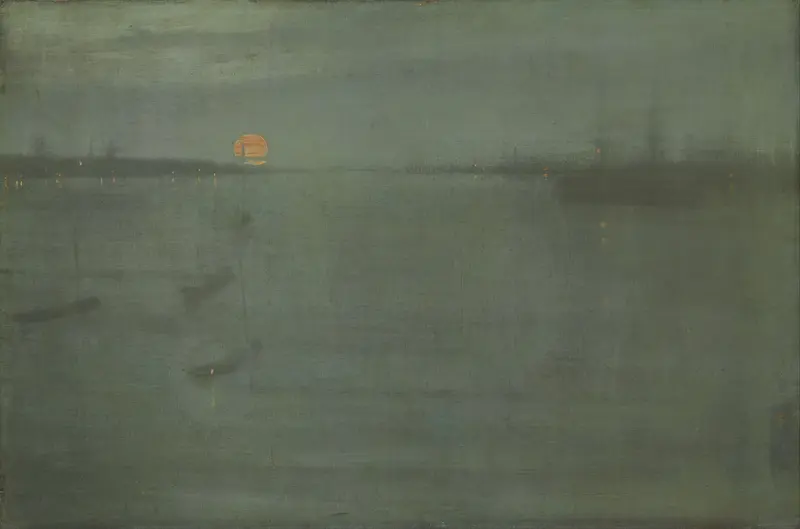
Nocturne: Blue and Gold—Southampton Water
James McNeill Whistler
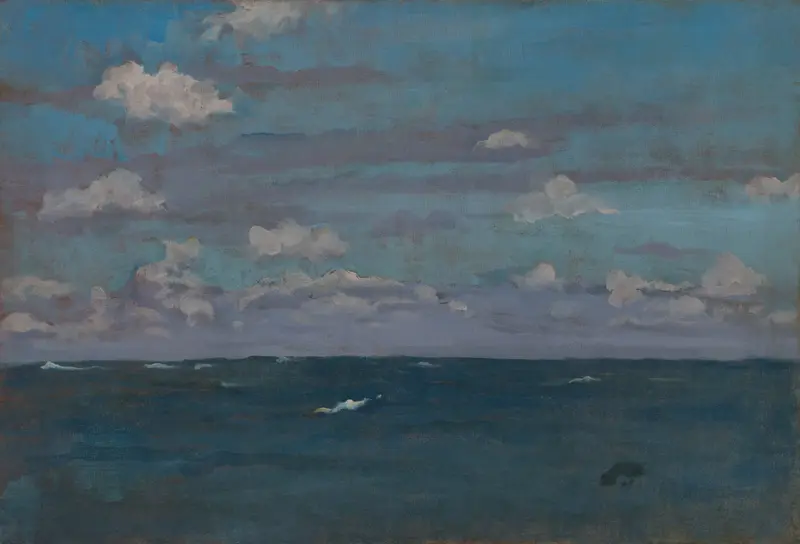
Violet and Silver—The Deep Sea
James McNeill Whistler
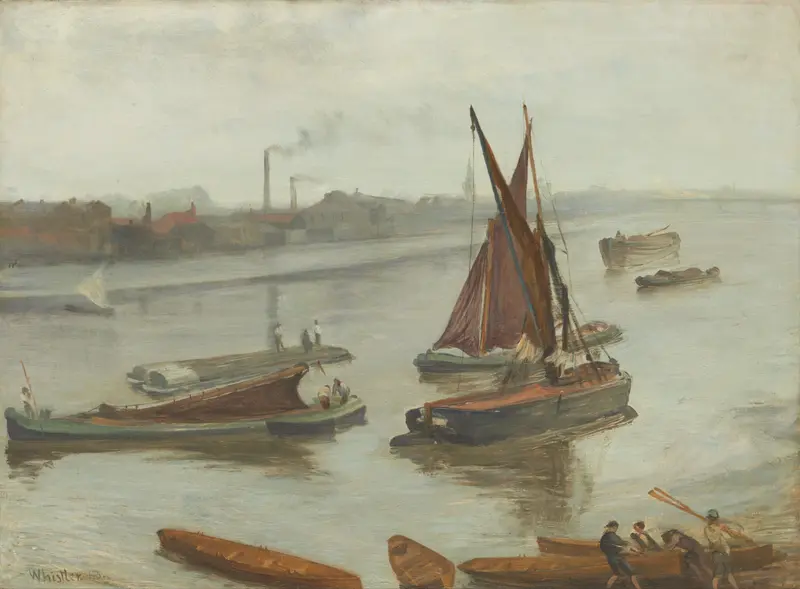
Grey and Silver: Old Battersea Reach
James McNeill Whistler
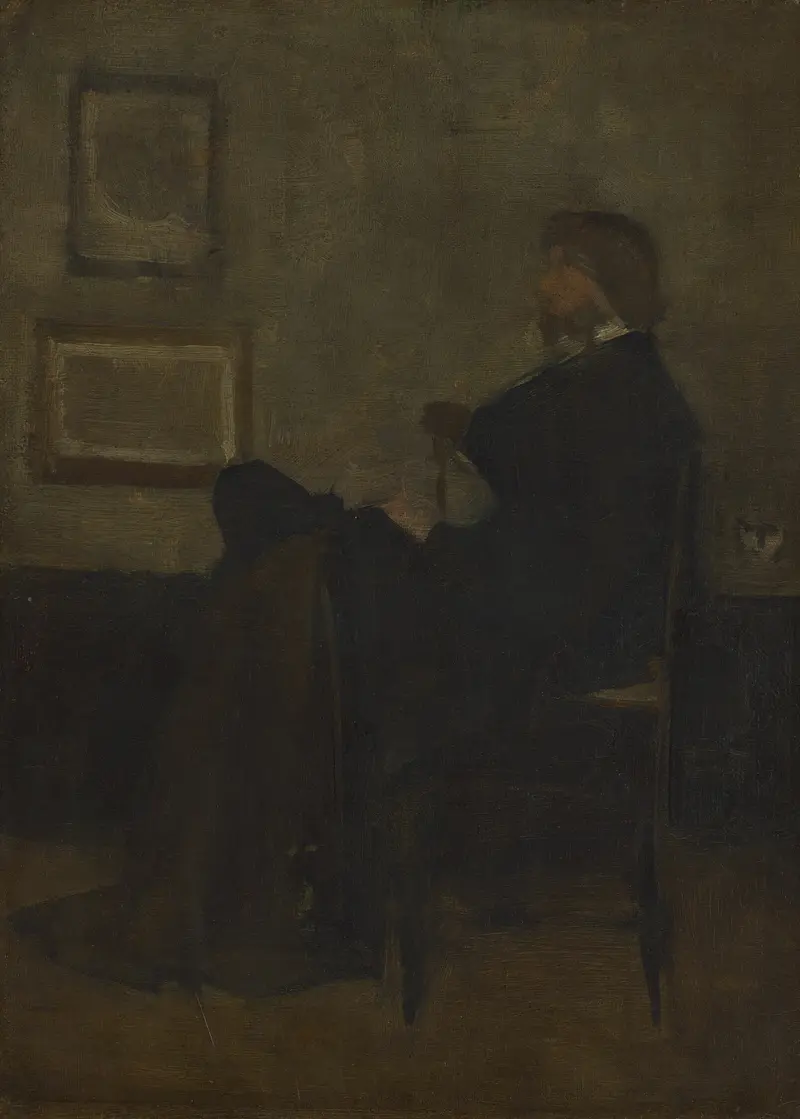
Study for "Arrangement in Grey and Black, No. 2: Portrait of Thomas Carlyle"
James McNeill Whistler
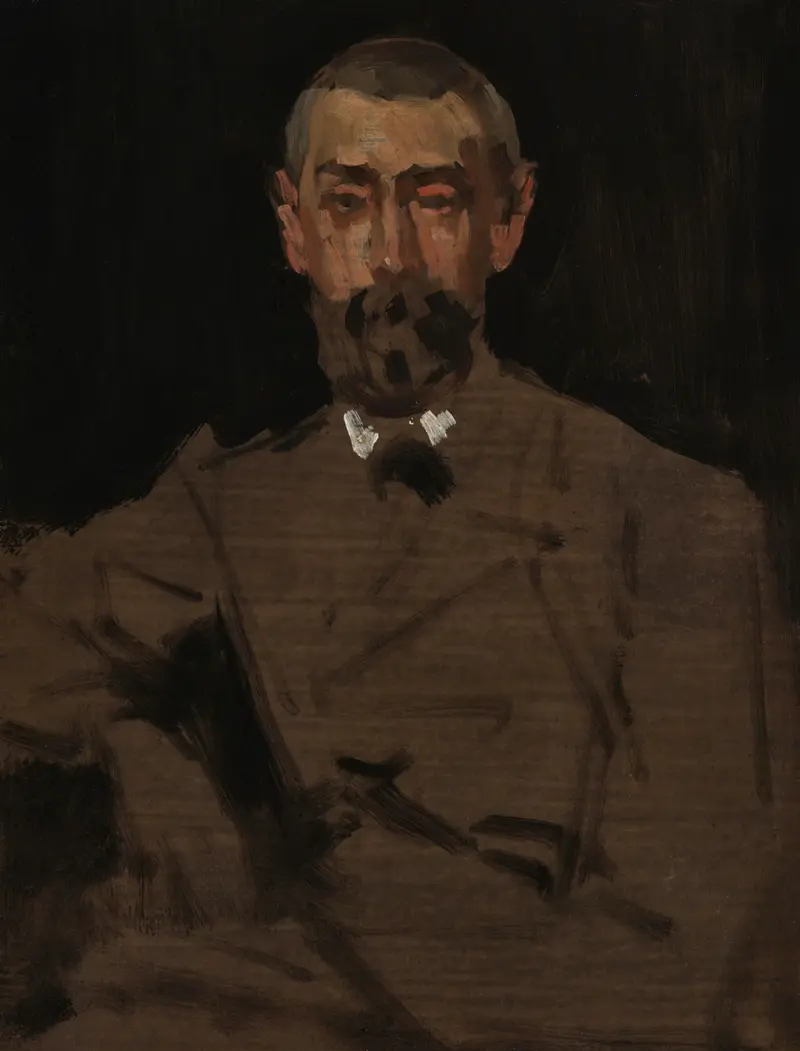
Portrait of M. R. Elden
James McNeill Whistler
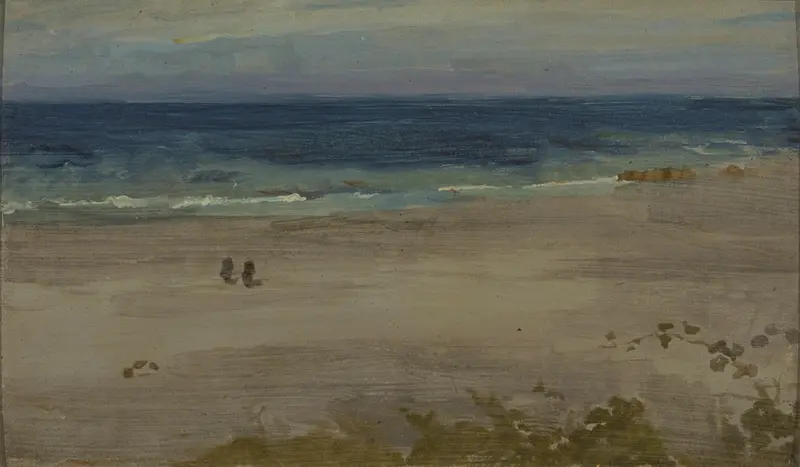
The Blue Sea
James McNeill Whistler
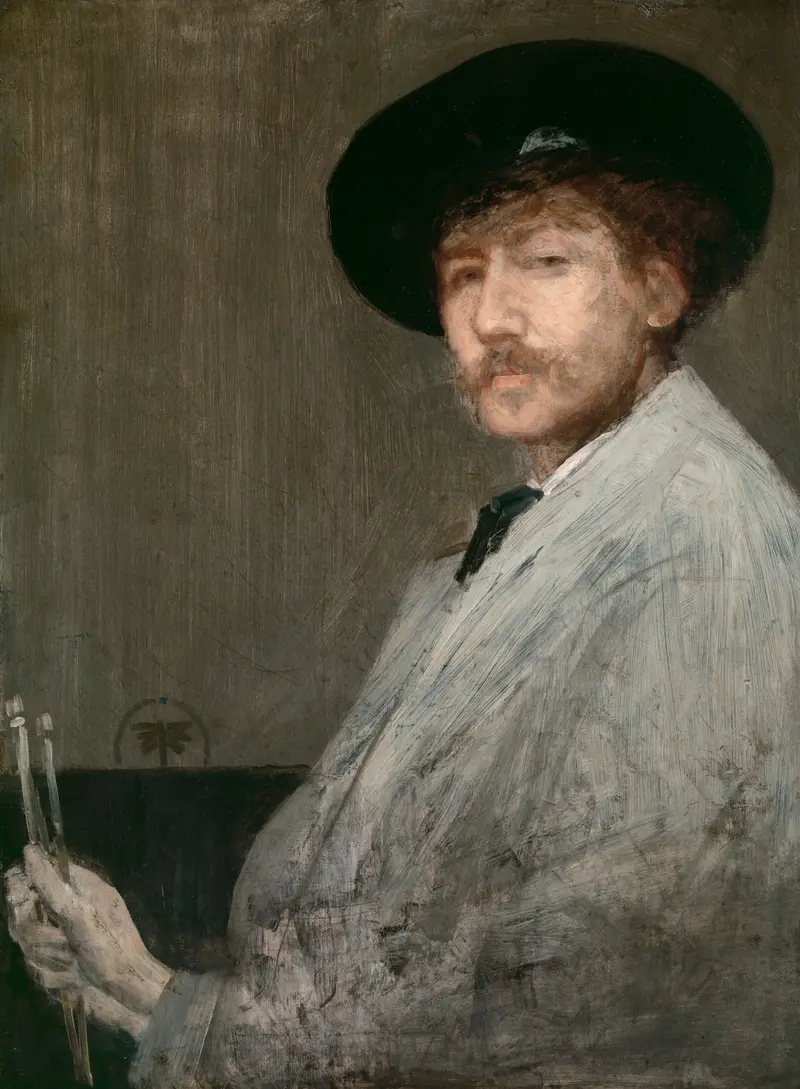
Arrangement in Gray: Portrait of the Painter
James McNeill Whistler
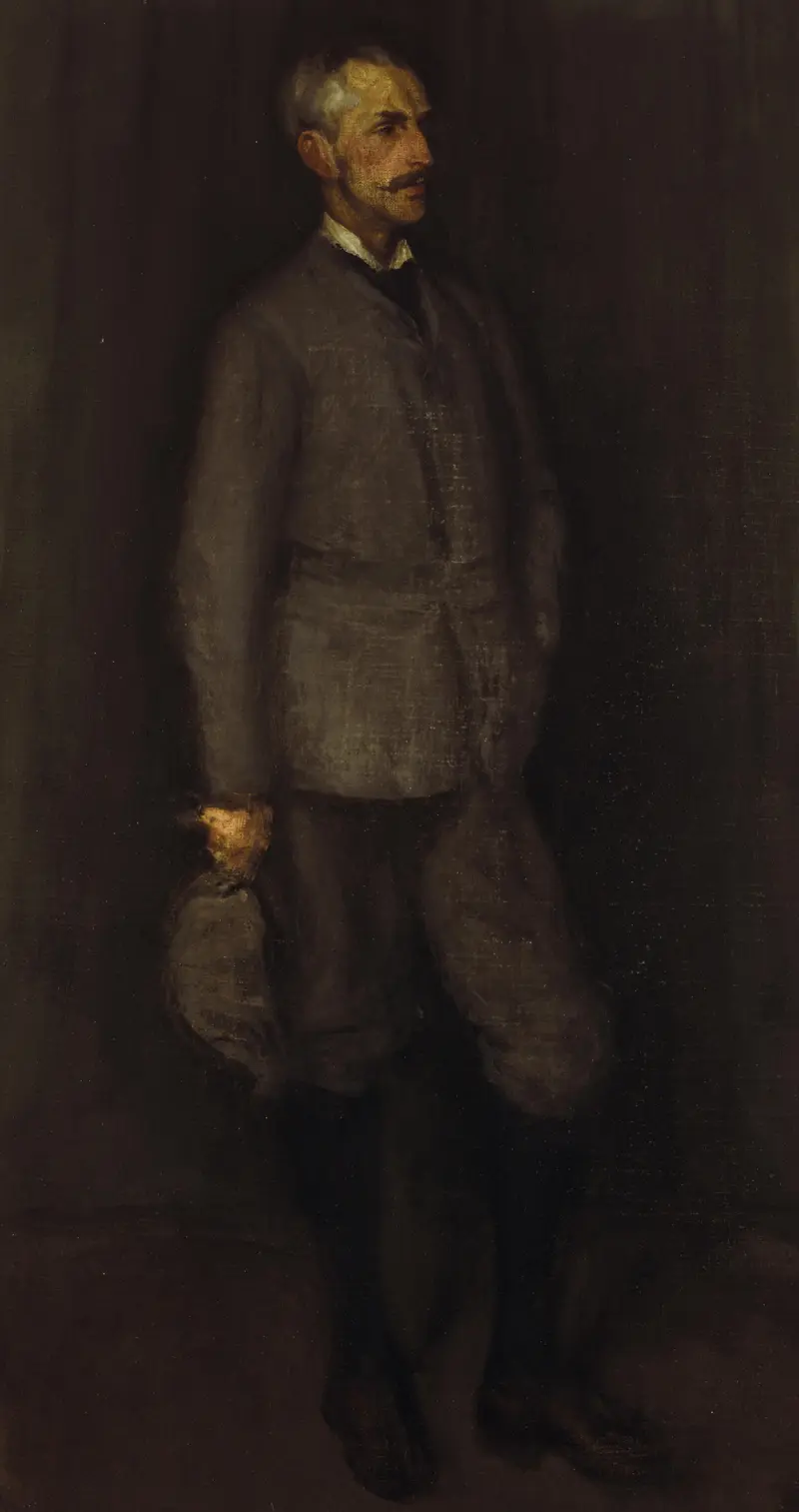
Arrangement in Grey and Green. Portrait of John James Cowan
James McNeill Whistler
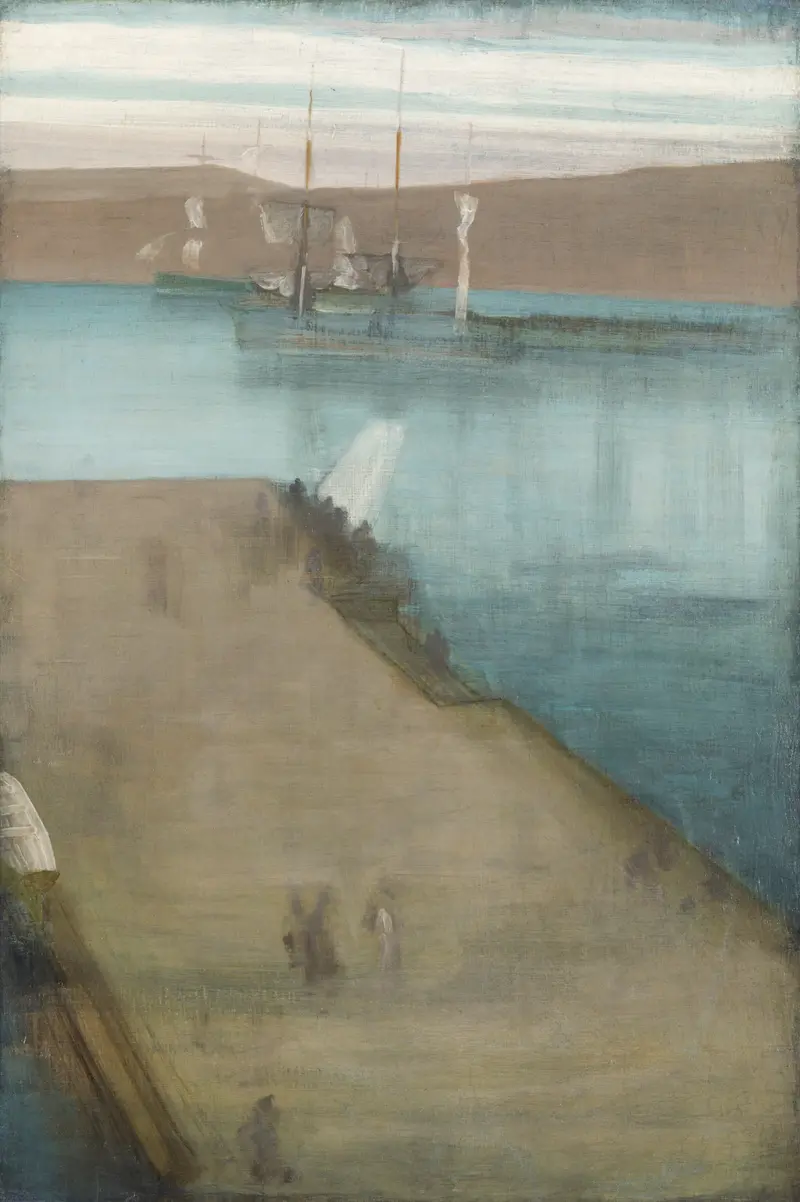
Valparaiso Harbor
James McNeill Whistler
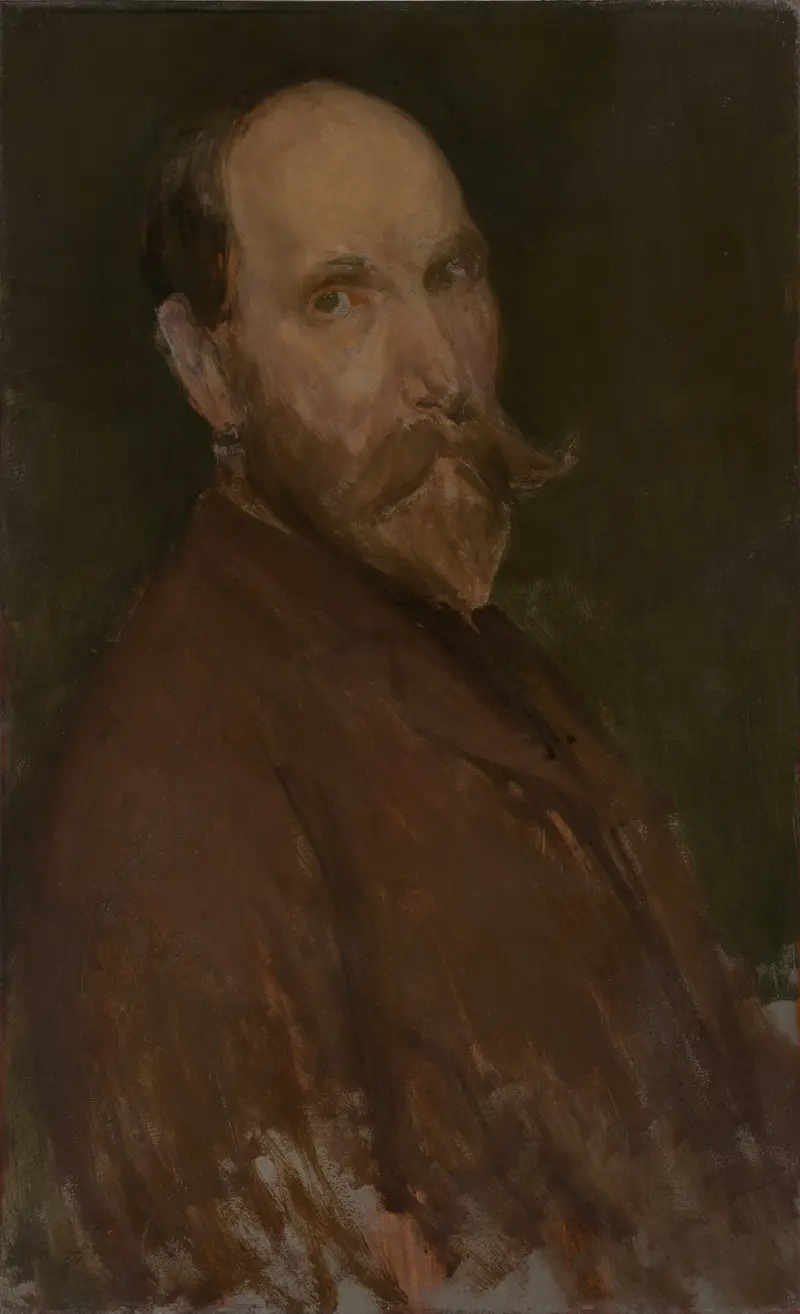
Charles Lang Freer
James McNeill Whistler





