
Geseling van Christus — History & Facts
In the tension of faith and doubt, we discover our most profound selves. Look to the right at the delicate rendering of Christ’s figure, bathed in a soft light that contrasts starkly with the darkened background. The meticulous details of his robe, rich in hues of red and brown, draw your eye, inviting contemplation as the folds suggest both majesty and vulnerability. Notice how the light falls upon his face, illuminating his serene expression, yet shadowing the figures lurking in the background, symbolizing the unseen struggles of faith.
The composition balances these elements, creating a dialogue between illumination and obscurity. The emotional tension is palpable, evident in the contrasting gestures of the figures surrounding Christ. Their faces evoke a myriad of responses: reverence, skepticism, and despair. The artist captures the essence of conflict—between belief and disbelief, the seen and unseen, the temporal and eternal.
Each character’s expression is a window into the complex landscape of faith, suggesting that the journey to understanding is fraught with uncertainty. Lucas van Leyden painted Geseling van Christus in 1521 during a time of religious upheaval in Europe, marked by the rise of Protestantism. At this moment, the artist navigated the intricate dynamics of faith and doubt within his own society. His works reflected the emerging tensions of the Reformation, presenting not only spiritual narratives but also the personal struggles inherent to belief in a transforming world.
More Artworks by Lucas van Leyden
Browse all →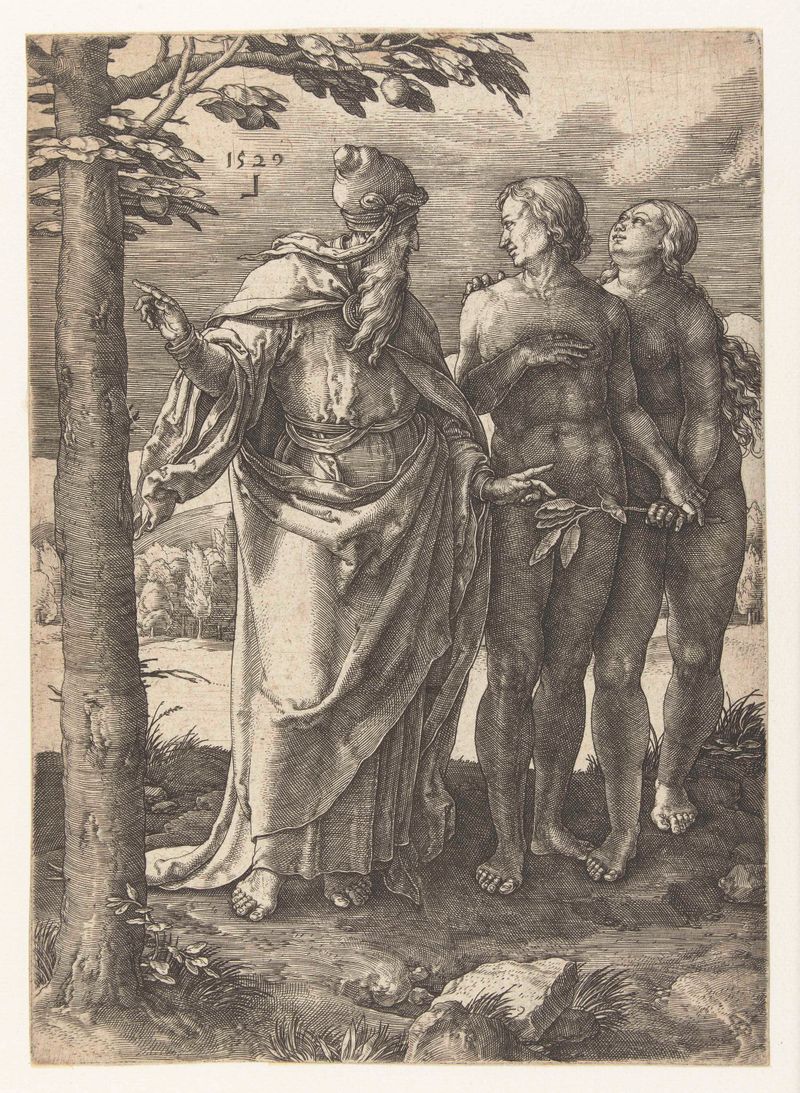
Het eerste verbod
Lucas van Leyden
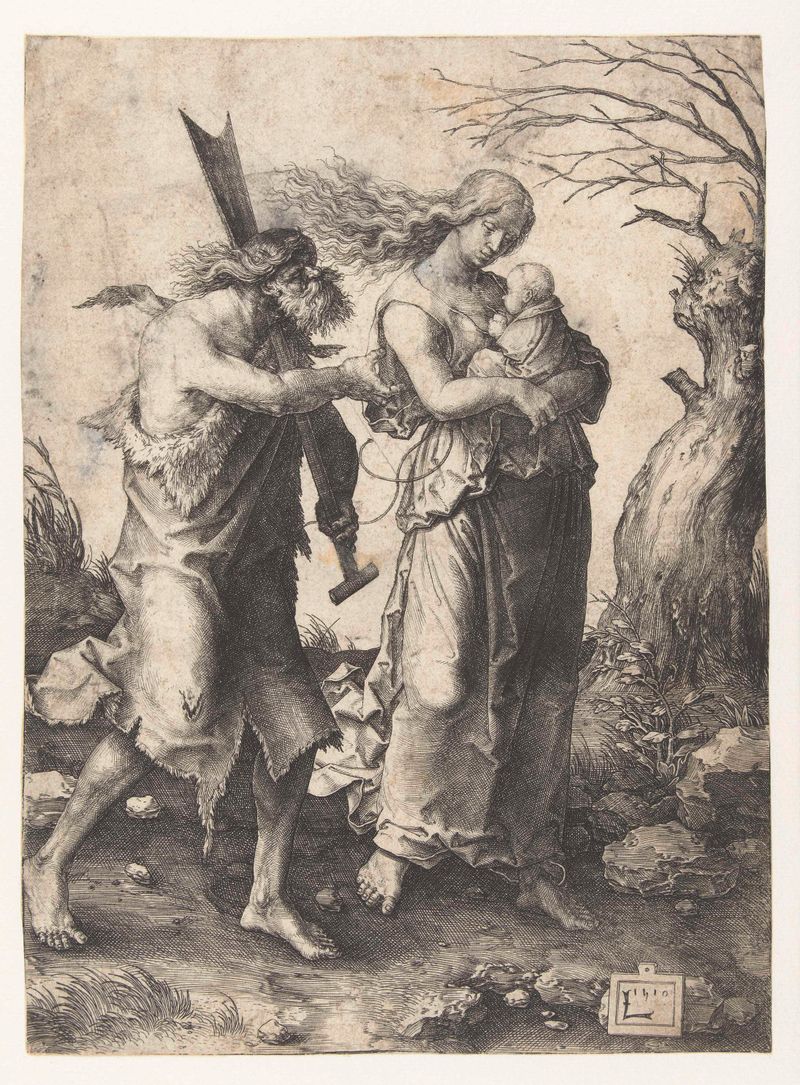
Adam en Eva na de verdrijving uit het paradijs
Lucas van Leyden
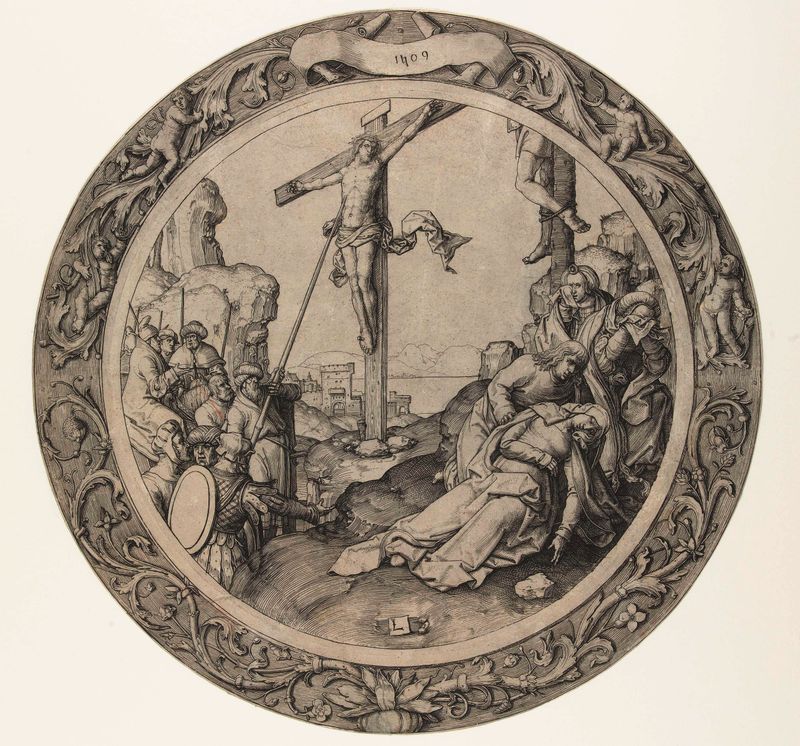
De kruisiging
Lucas van Leyden
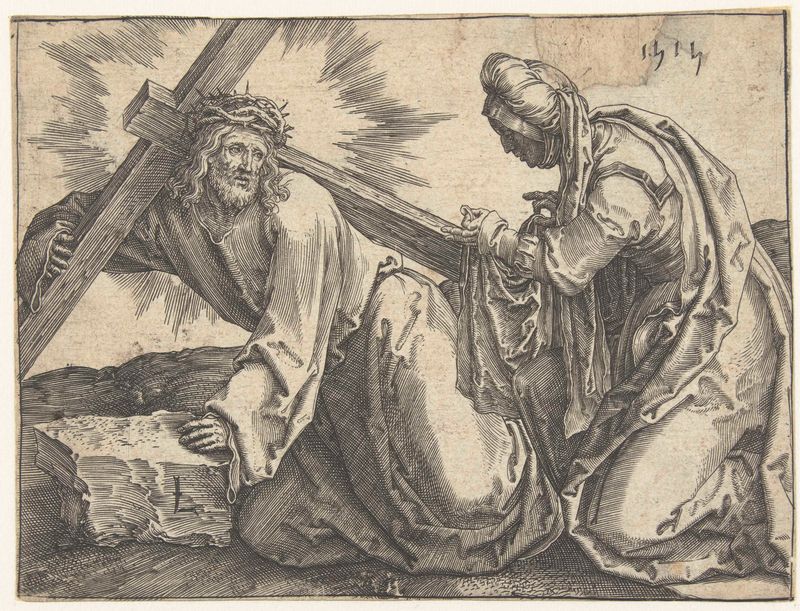
Kruisdraging
Lucas van Leyden
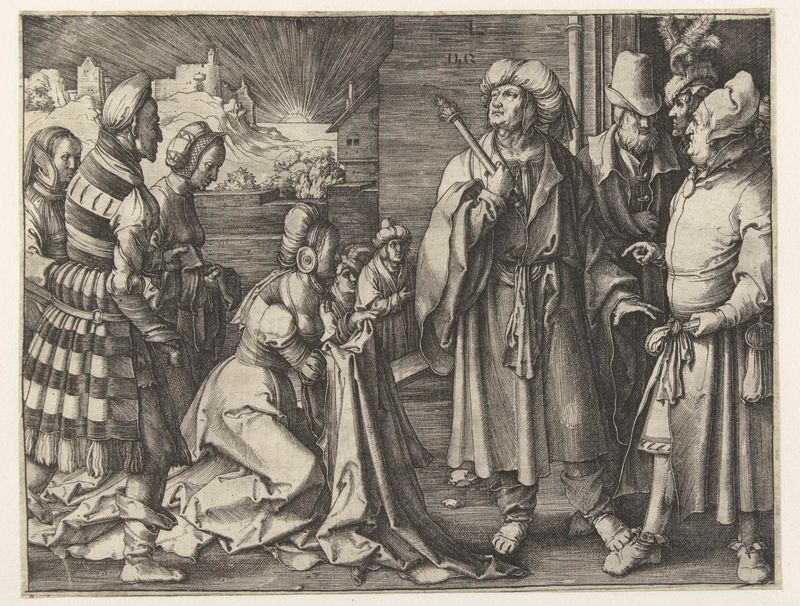
De vrouw van Potifar beschuldigt Jozef
Lucas van Leyden
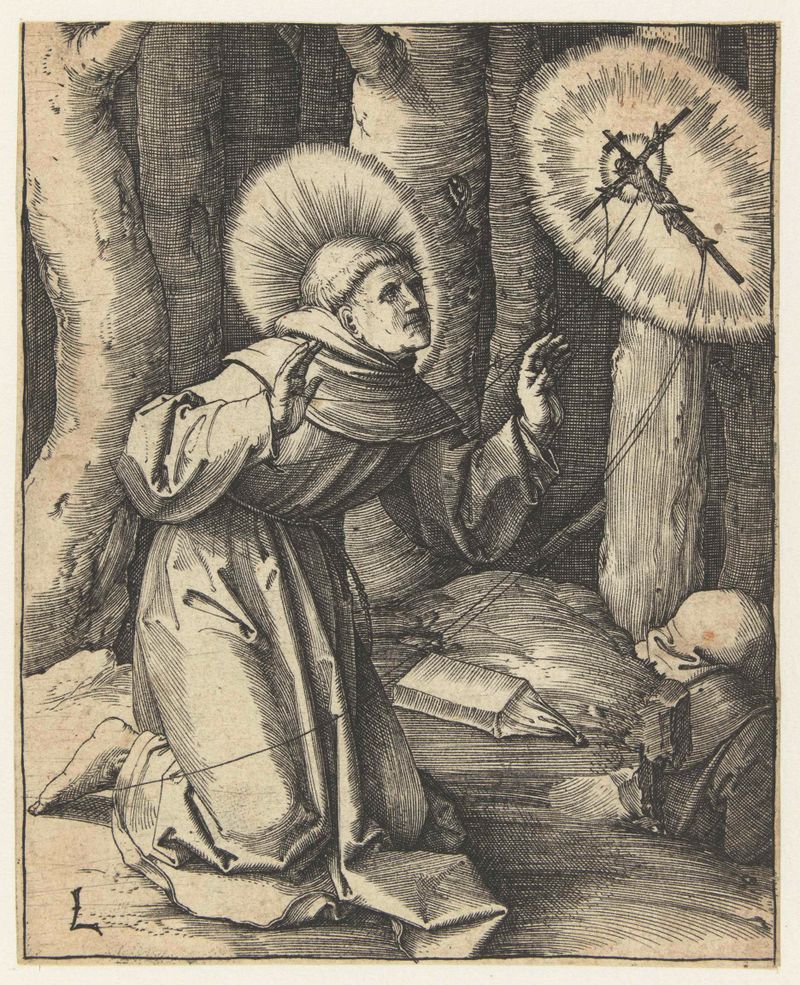
De stigmatisatie van de heilige Franciscus
Lucas van Leyden
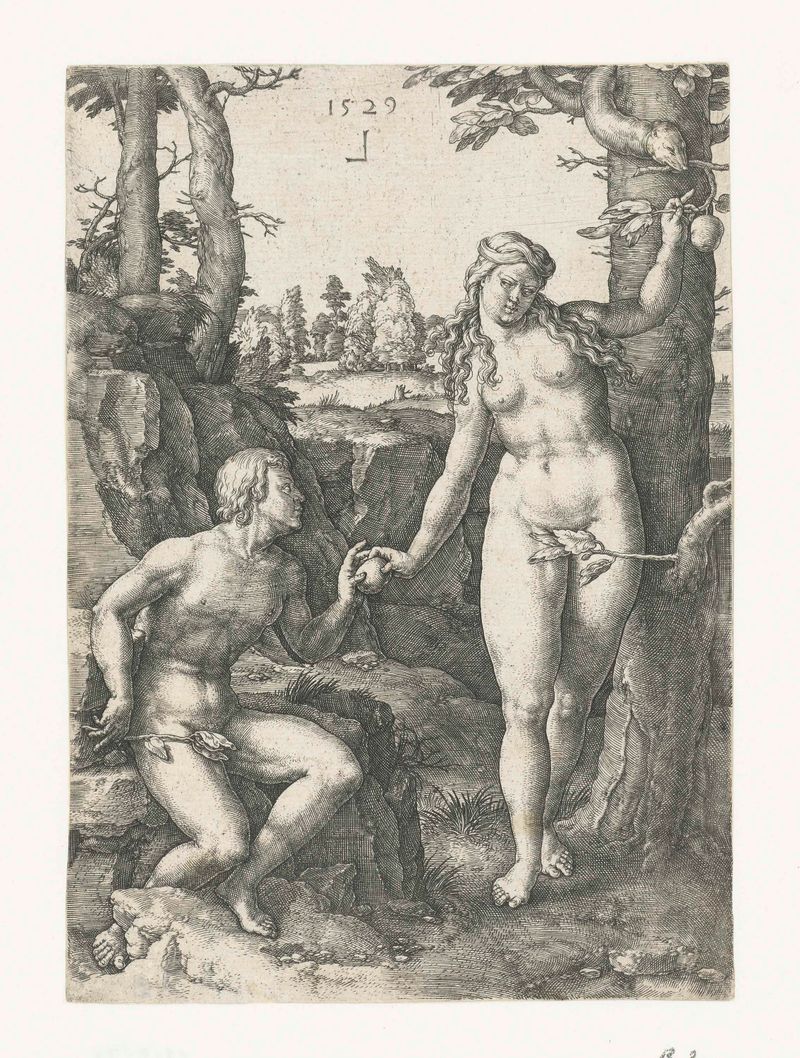
De zondeval
Lucas van Leyden
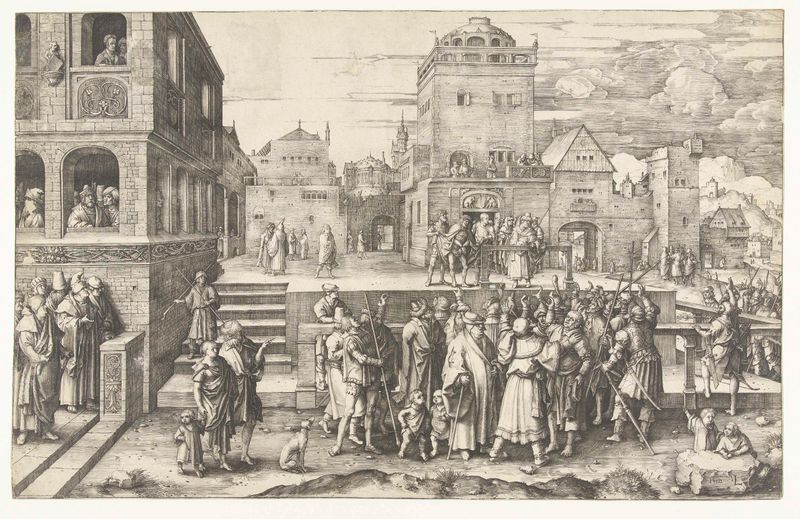
De grote Ecce Homo
Lucas van Leyden
Maria met kind
Lucas van Leyden

Doornenkroning
Lucas van Leyden
More Religious Art
Browse all →
The Return of the Prodigal Son
Rembrandt van Rijn

The Garden of Earthly Delights
El Bosco

Count Orgaz’ funeral
El Greco

The Hundred Guilder Print: the central piece with Christ preaching, the plate arched
Rembrandt van Rijn

The Descent from the Cross
Rogier van der Weyden

The return of the prodigal son
Rembrandt van Rijn