
Gęsiarka — History & Facts
A girl stands rooted in the shadow of a rocky outcrop, her gaze steady and reserved, as if she has been caught in a moment of private thought. The eye is drawn first to her red kerchief, patterned with flowers and tied firmly under her chin—a flash of warmth against the cool, stony backdrop. In her hands she holds a single reed, its tip arching gently toward a small flock of geese at her feet, suggesting both her responsibility and the quiet rituals of rural life.
The light falls softly across her face, illuminating the careful seriousness of her expression, while the earth-toned palette grounds her in the landscape. Everything here is purposeful: the geese clustered at her boots, the sturdy shoes, the thick skirt—each detail speaks to a life shaped by the rhythms of work and nature. Painted in 1881 by Antoni Gramatyka, this work belongs to a tradition of late nineteenth-century Polish realism, when artists sought to capture the dignity and hardship of peasant life. Such paintings were rarely grand commissions; instead, they were often created for local collectors or regional exhibitions, reflecting a growing interest in national identity and everyday experience.
The National Museum in Warsaw now houses this piece, a testament to the era’s fascination with the rural world at a time when Poland’s political future was uncertain and its cultural memory fiercely guarded. History has kept few traces of the girl herself, but her presence endures—inviting us to look again, and to wonder what stories lie behind that steady, watchful gaze.
More Artworks by Antoni Gramatyka

Stefan Batory among Schoolboys
Antoni Gramatyka
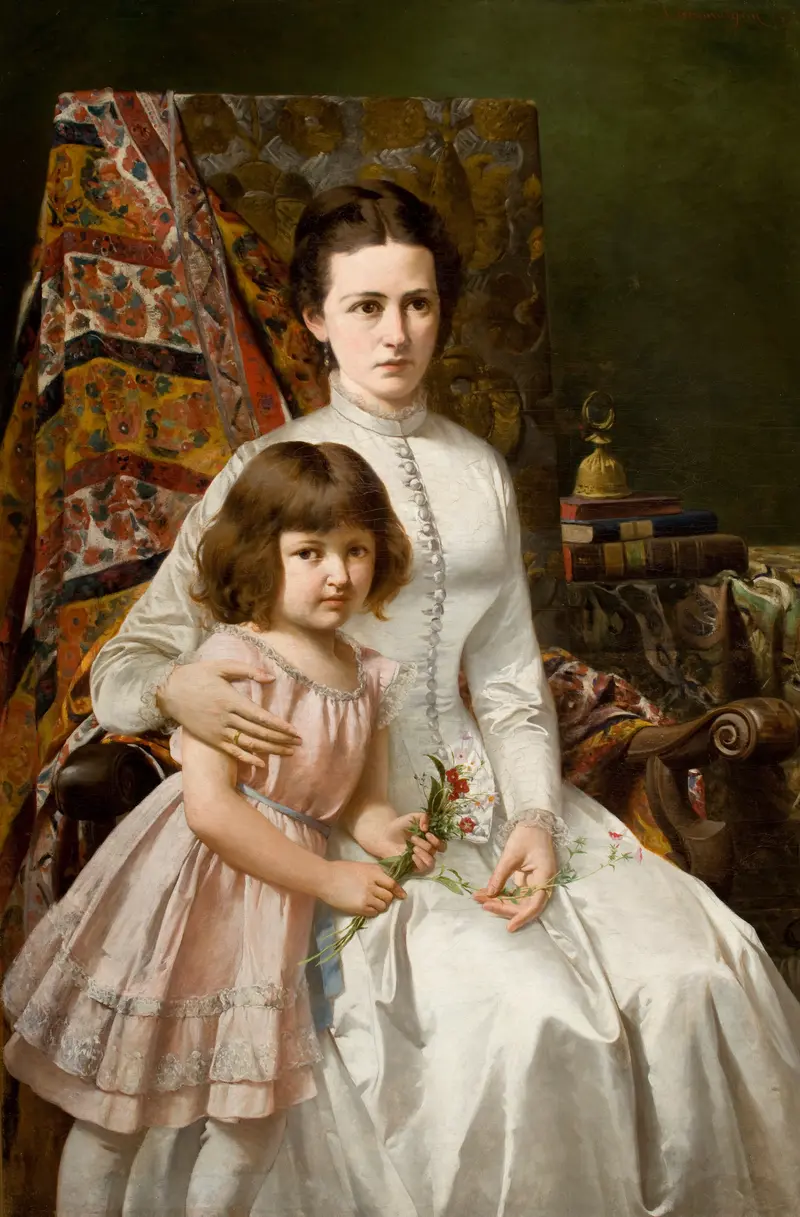
Portrait of Wife with Daughter Anna
Antoni Gramatyka
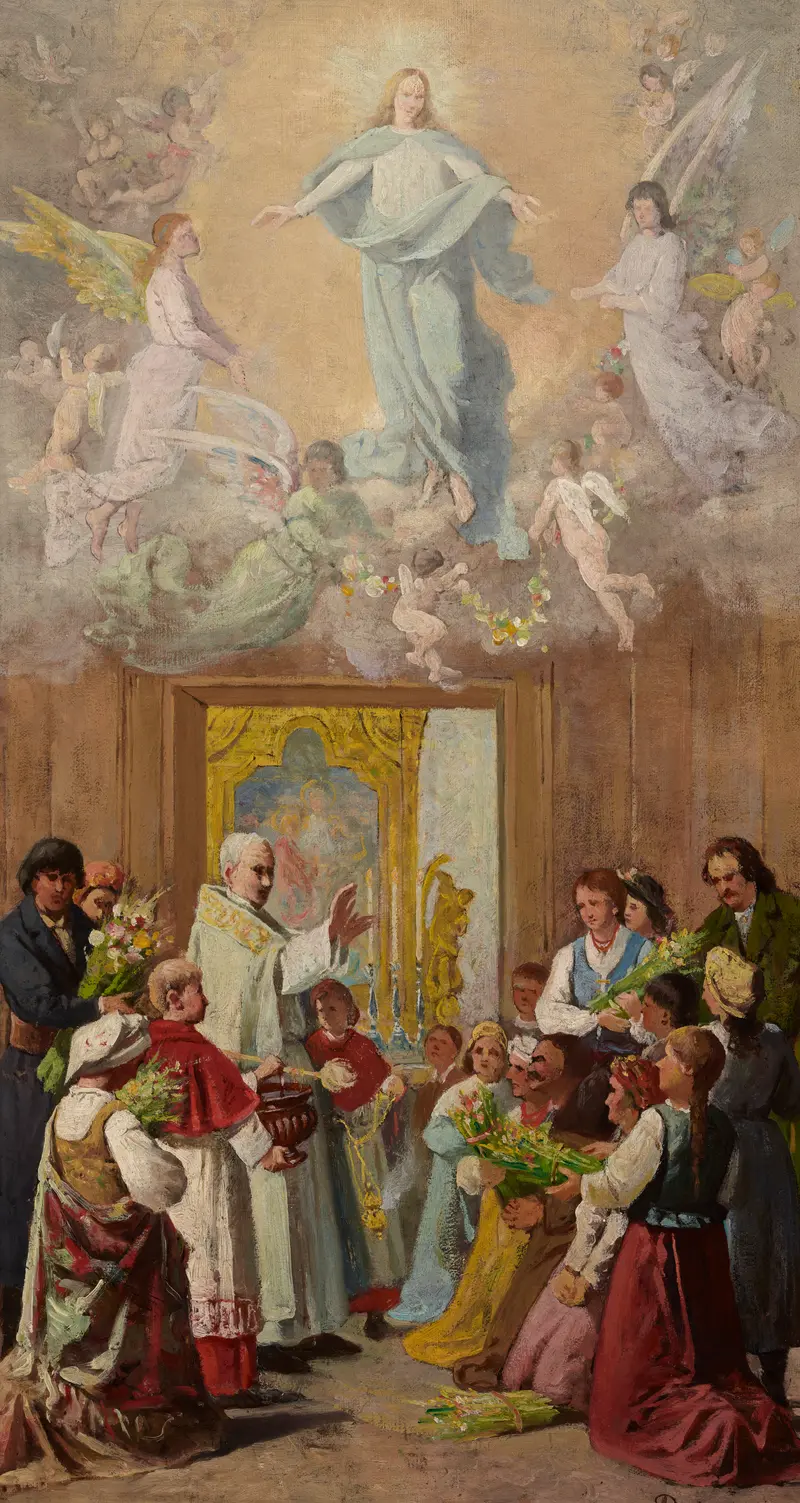
Feast of Our Lady of Herbs
Antoni Gramatyka
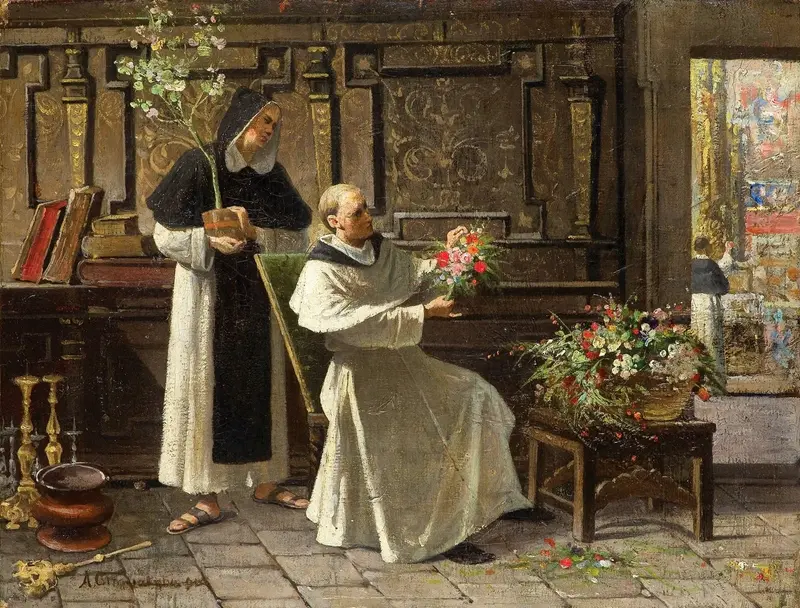
W uroczystość Matki Boskiej Zielnej
Antoni Gramatyka
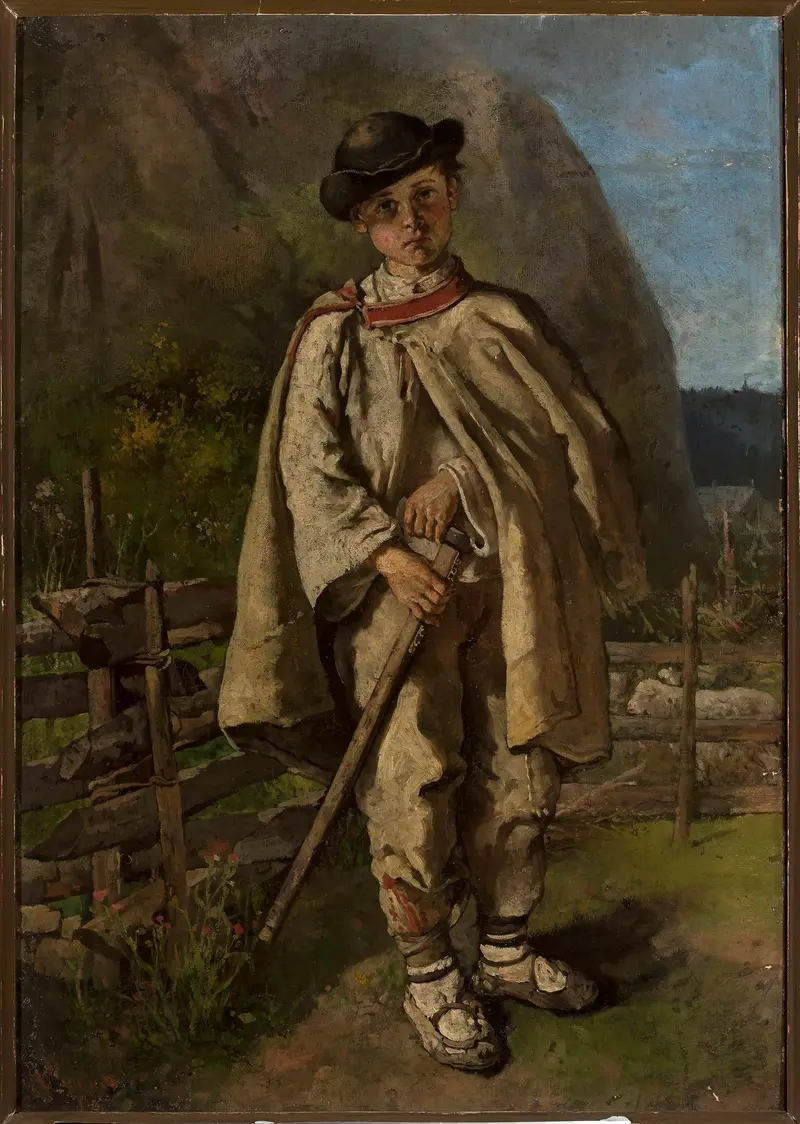
Portrait of a Highlander boy
Antoni Gramatyka
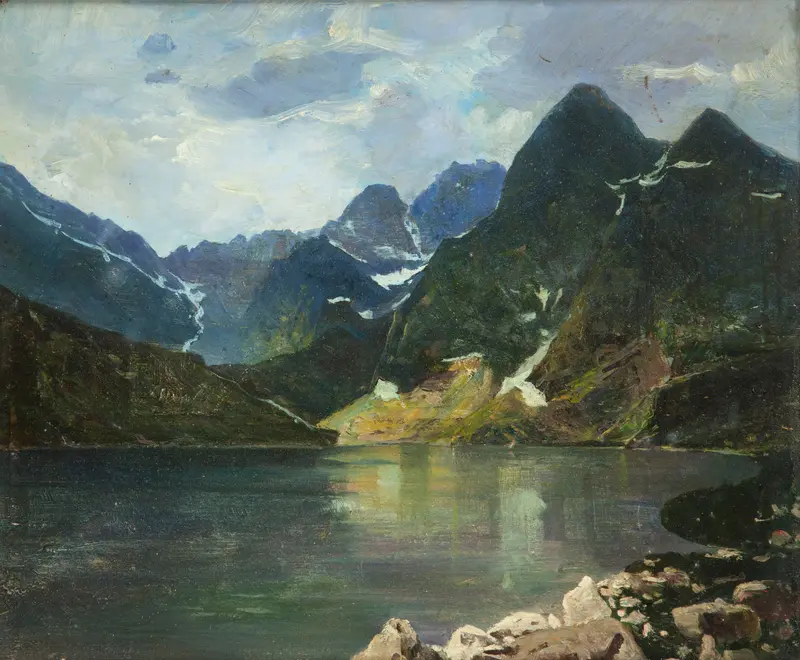
The Morskie Oko Lake
Antoni Gramatyka
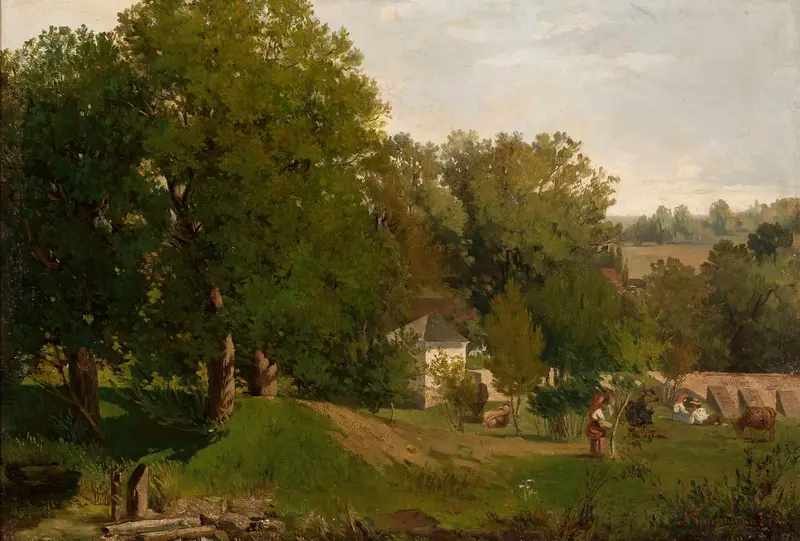
View from Kalwaria Zebrzydowska
Antoni Gramatyka
More Genre Scene Art

Banquet of the Officers of the St George Civic Guard
Frans Hals

Rembrandt and Saskia in the Scene of the Prodigal Son
Rembrandt van Rijn

Bal du moulin de la Galette
Pierre-Auguste Renoir

Quadrille at the Moulin Rouge
Henri de Toulouse-Lautrec

A Burial at Ornans
Gustave Courbet

When Will You Marry?
Paul Gauguin