
W uroczystość Matki Boskiej Zielnej — History & Facts
What draws the eye first is the quiet choreography of hands at work: a monk, seated and intent, arranges a bouquet of wildflowers while a nun stands nearby, cradling a potted sapling. Light pours in from the right, illuminating their white habits and the riot of petals on the table, then leading the viewer’s gaze to the golden glow of an altar just beyond the doorway. The scene is hushed but purposeful; every gesture is part of a ritual of preparation.
Books and candlesticks on the left hint at scholarship and ceremony, while the scattered blossoms on the floor remind us that devotion is often built from humble, earthly things. Painted in 1901 by Antoni Gramatyka, this work belongs to a moment when Polish artists often turned to scenes of monastic and rural life, capturing the rhythms of faith and tradition in a rapidly changing world. Such images were not only records of religious practice but also quiet affirmations of cultural identity, especially in times when Poland’s own sovereignty was contested. History has kept few traces of this particular painting, now recorded in the agraart.pl collection, but its subject—preparations for the Feast of the Assumption, known in Poland as the Day of Our Lady of Herbs—speaks to a deep-rooted custom where flowers and herbs were gathered and blessed.
The painting invites us to linger, to notice how the sacred and the everyday intertwine in the careful work of human hands.
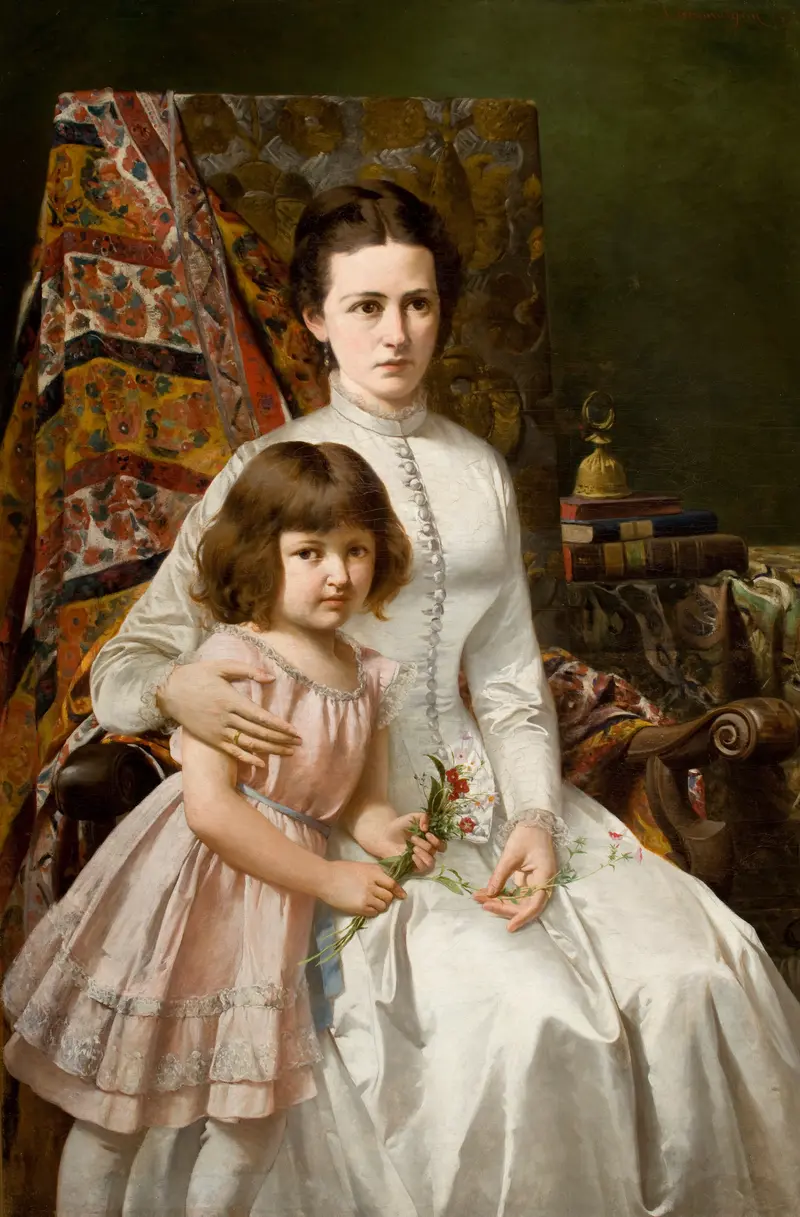
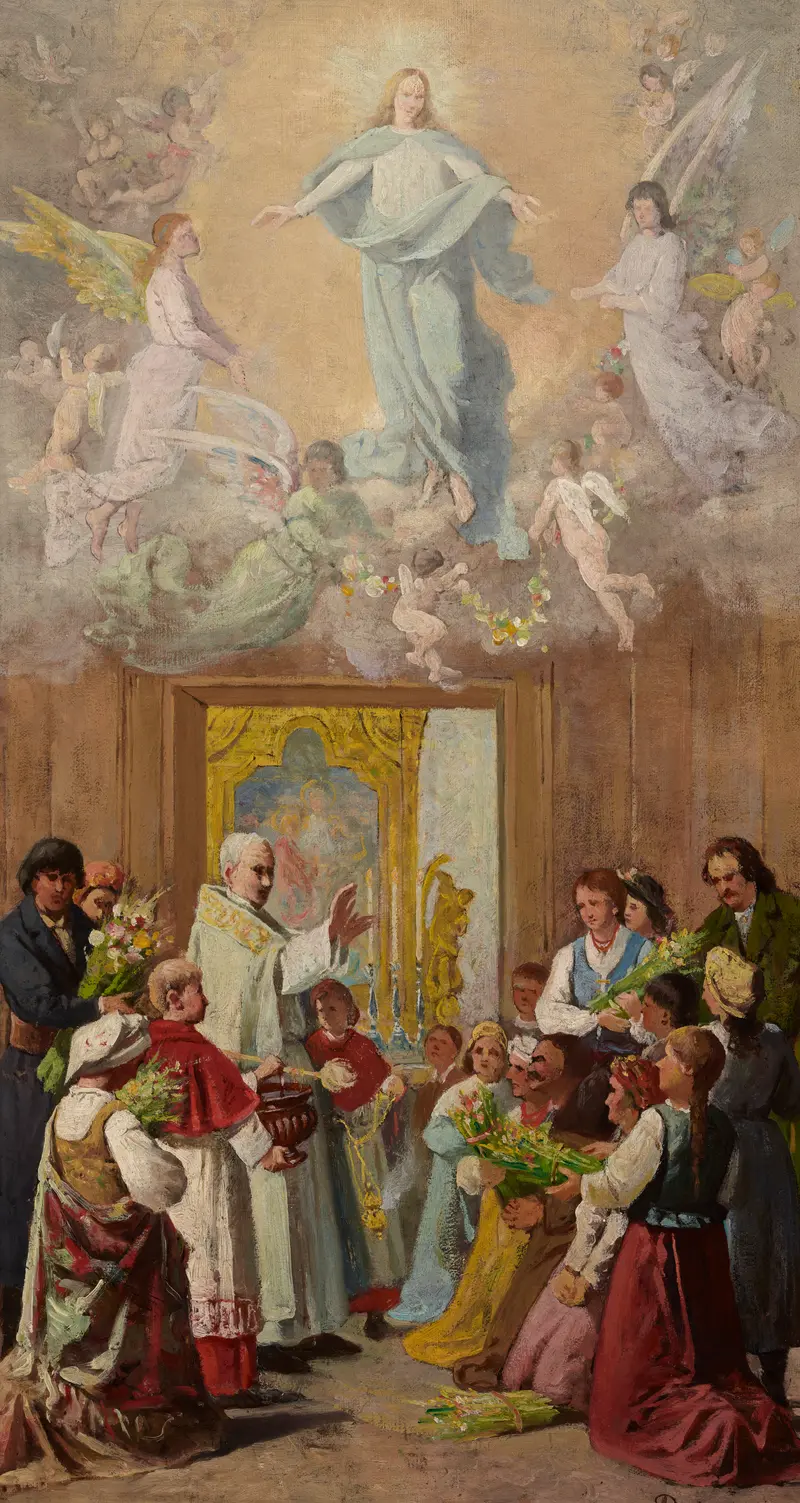
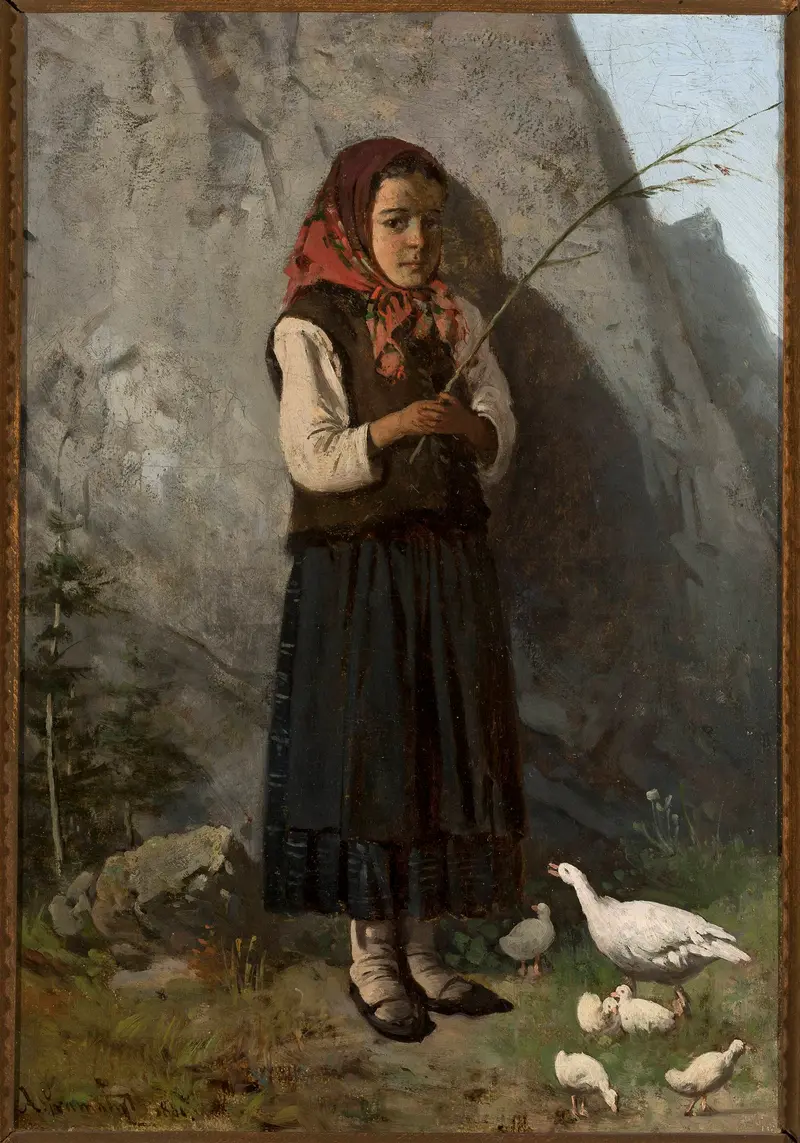
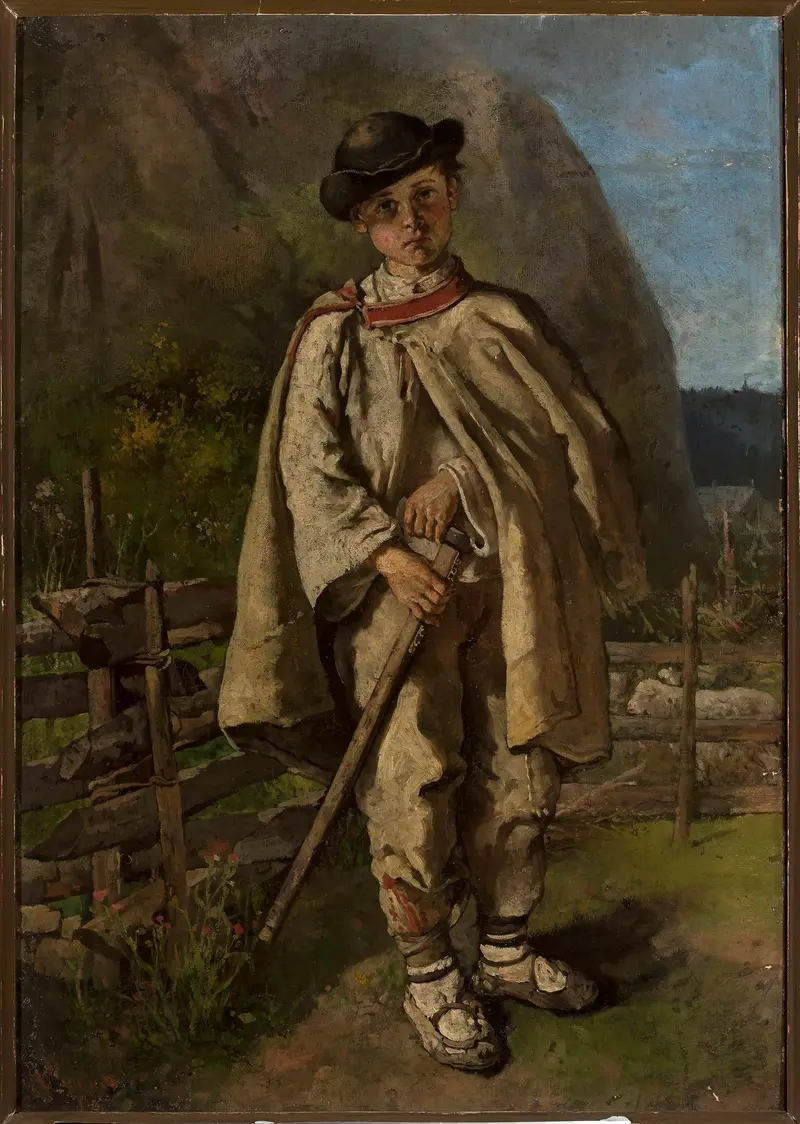
More Artworks by Antoni Gramatyka

More Genre Scene Art

Banquet of the Officers of the St George Civic Guard
Frans Hals

Rembrandt and Saskia in the Scene of the Prodigal Son
Rembrandt van Rijn

Bal du moulin de la Galette
Pierre-Auguste Renoir

Quadrille at the Moulin Rouge
Henri de Toulouse-Lautrec

A Burial at Ornans
Gustave Courbet

When Will You Marry?
Paul Gauguin