
Gevangenneming — History & Facts
Can paint confess what words never could? In Gevangenneming, the weight of betrayal hangs palpably in the air, a silent witness to treachery and anguish. Look to the left, where the figures are entwined in an intimate struggle — the vibrant, swirling lines of Callot's etching accentuating their frantic gestures. Notice how the cloaked figure, draped in dark hues, seems to hover like a specter, the contrasting light illuminating a face twisted in despair. The intricate details of their attire draw your gaze, revealing not just the artful craftsmanship of fabric but the emotional fabric of the scene itself, where each fold echoes the tension and torment of the moment. Within this captured scene lies a tapestry of emotional contrasts.
The juxtaposition of the bold, chaotic composition against the subdued color palette evokes a clash between hope and inevitability. Each figure’s expression tells a story of inner conflict, where the betrayal transcends mere action, becoming a shared tragedy. The background, shrouded in shadows, amplifies this sense of isolation, drawing attention to the betrayal's raw reality, leaving the viewer to ponder the unseen narratives that led to this moment. Between 1624 and 1625, Jacques Callot created Gevangenneming amidst a period of great artistic exploration in France.
He was developing his unique style, merging realism with elements of drama, reflecting the tumultuous socio-political landscape of Europe at the time. As the Thirty Years' War raged, themes of conflict and betrayal seeped into the consciousness of artists, influencing the works they produced and forever altering the narrative of art history.
More Artworks by Jacques Callot
Browse all →
Titelprent voor de prentreeks 'De kleine apostelen' (Het martelaarschap van de apostelen)
Jacques Callot
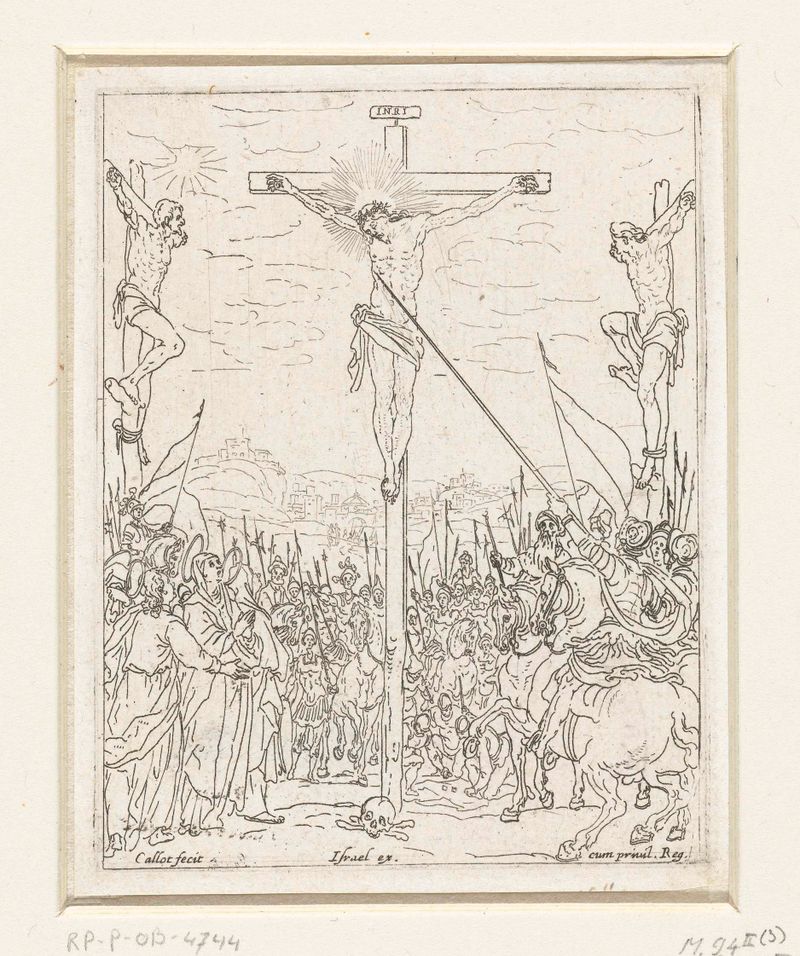
Kruisiging
Jacques Callot

De doortocht door de Rode Zee
Jacques Callot

De verloren zoon als zwijnenhoeder
Jacques Callot

Annunciatie
Jacques Callot
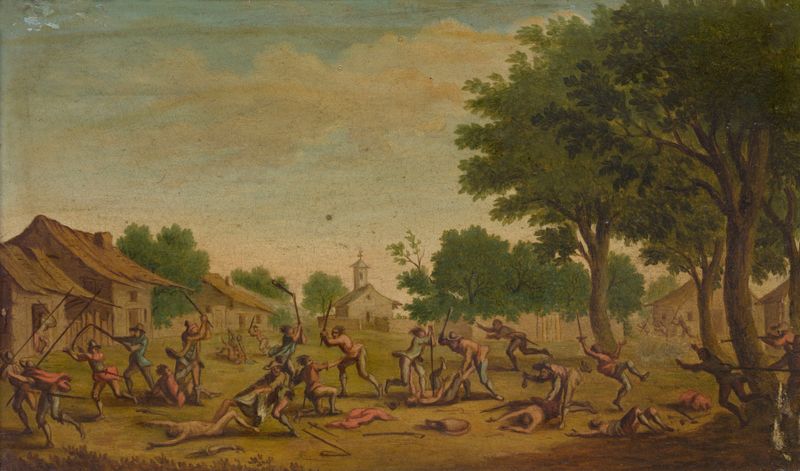
Village Fight
Jacques Callot

Titelprent voor prentreeks 'Het leven van Maria'
Jacques Callot
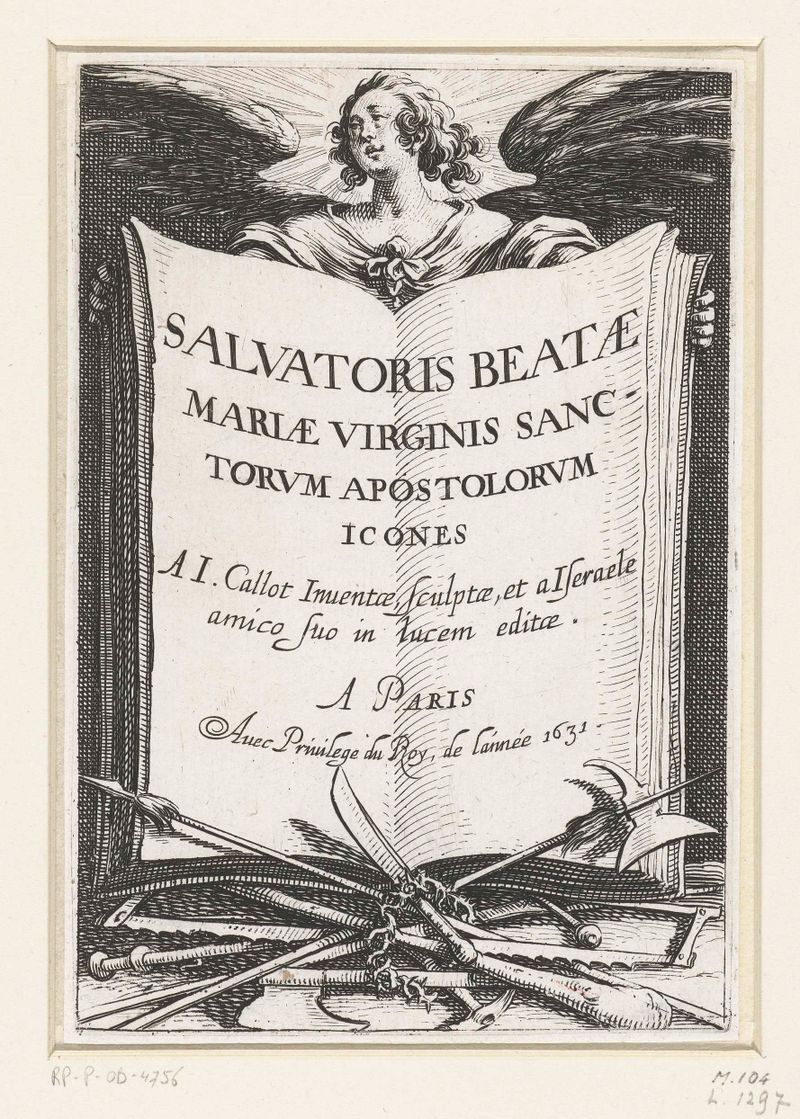
Titelprent voor de prentreeks 'De grote apostelen' (Christus, Maria en de apostelen)
Jacques Callot

Christus aan het volk getoond (Ecce homo)
Jacques Callot
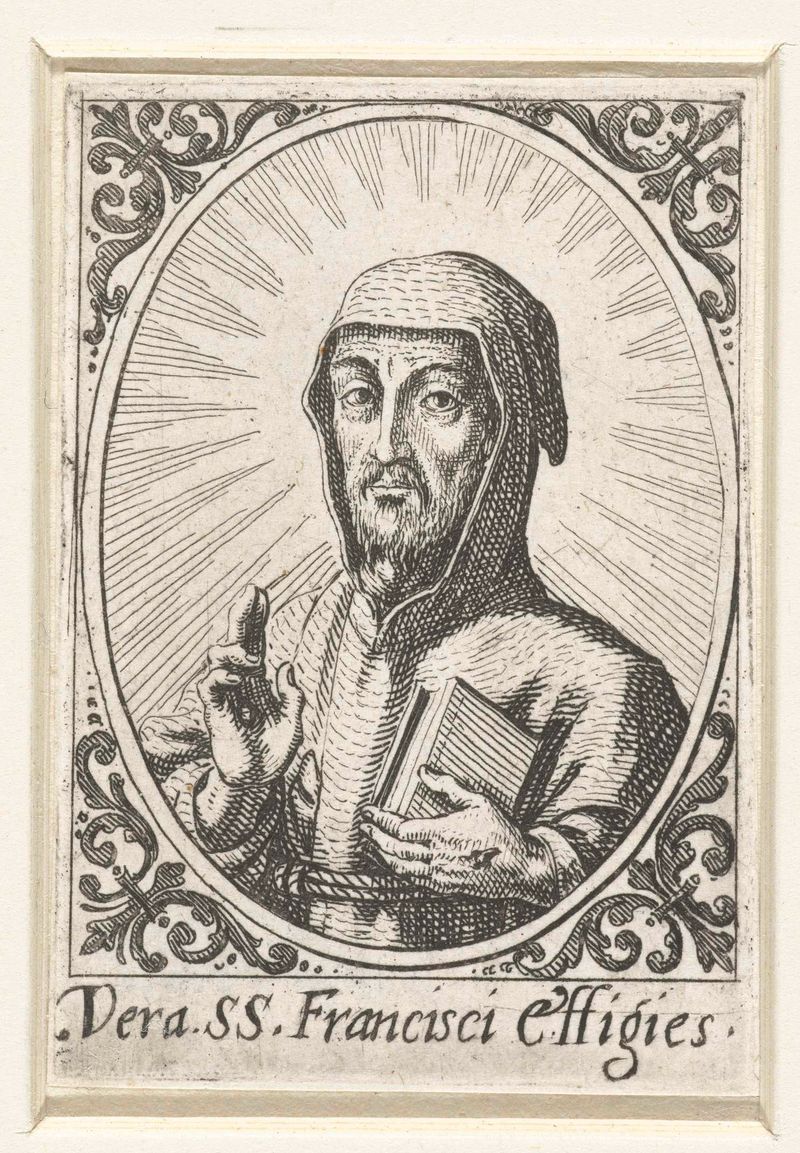
Portret van de Heilige Franciscus
Jacques Callot





