Gezicht in het dorp Harmelen — History & Analysis
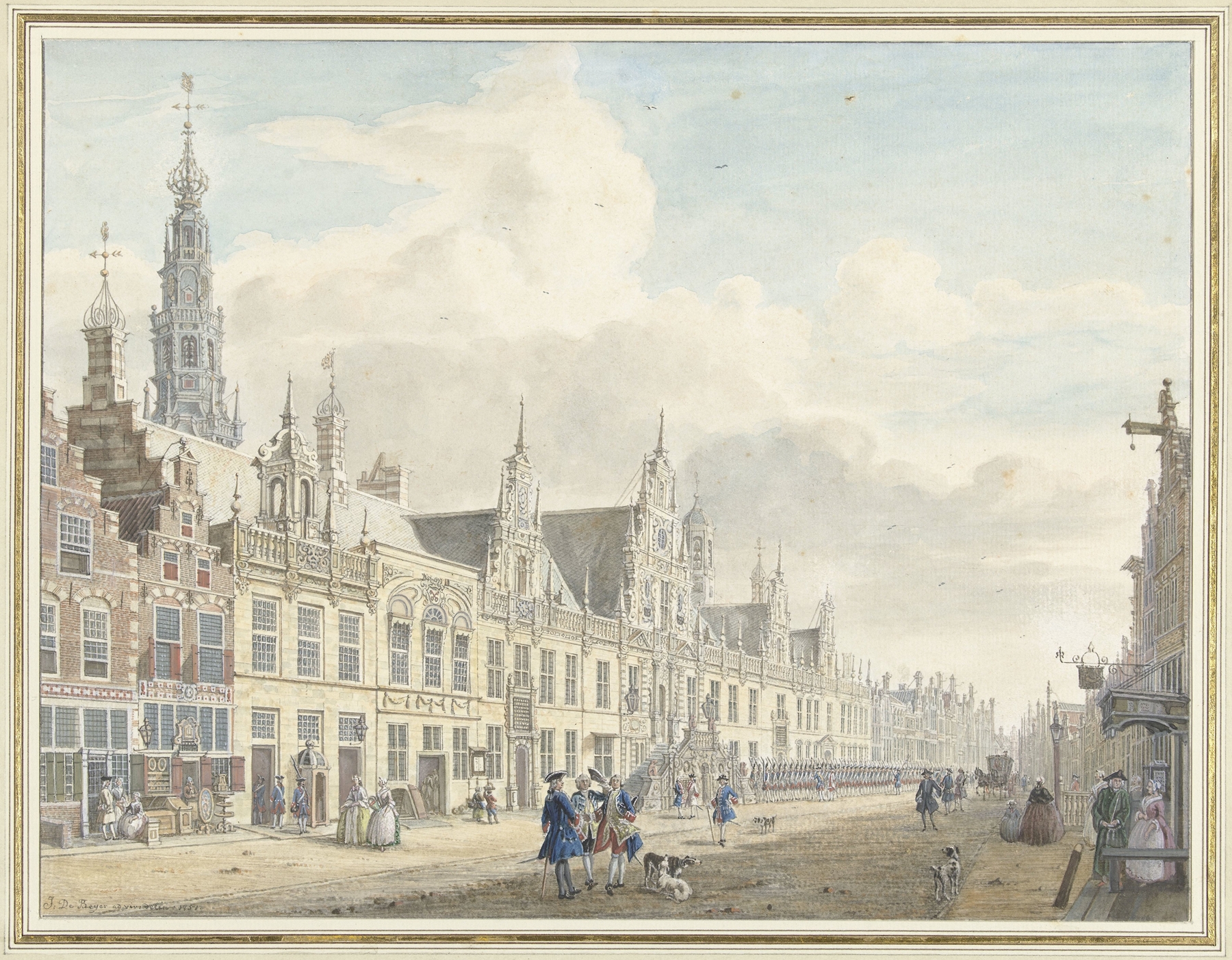
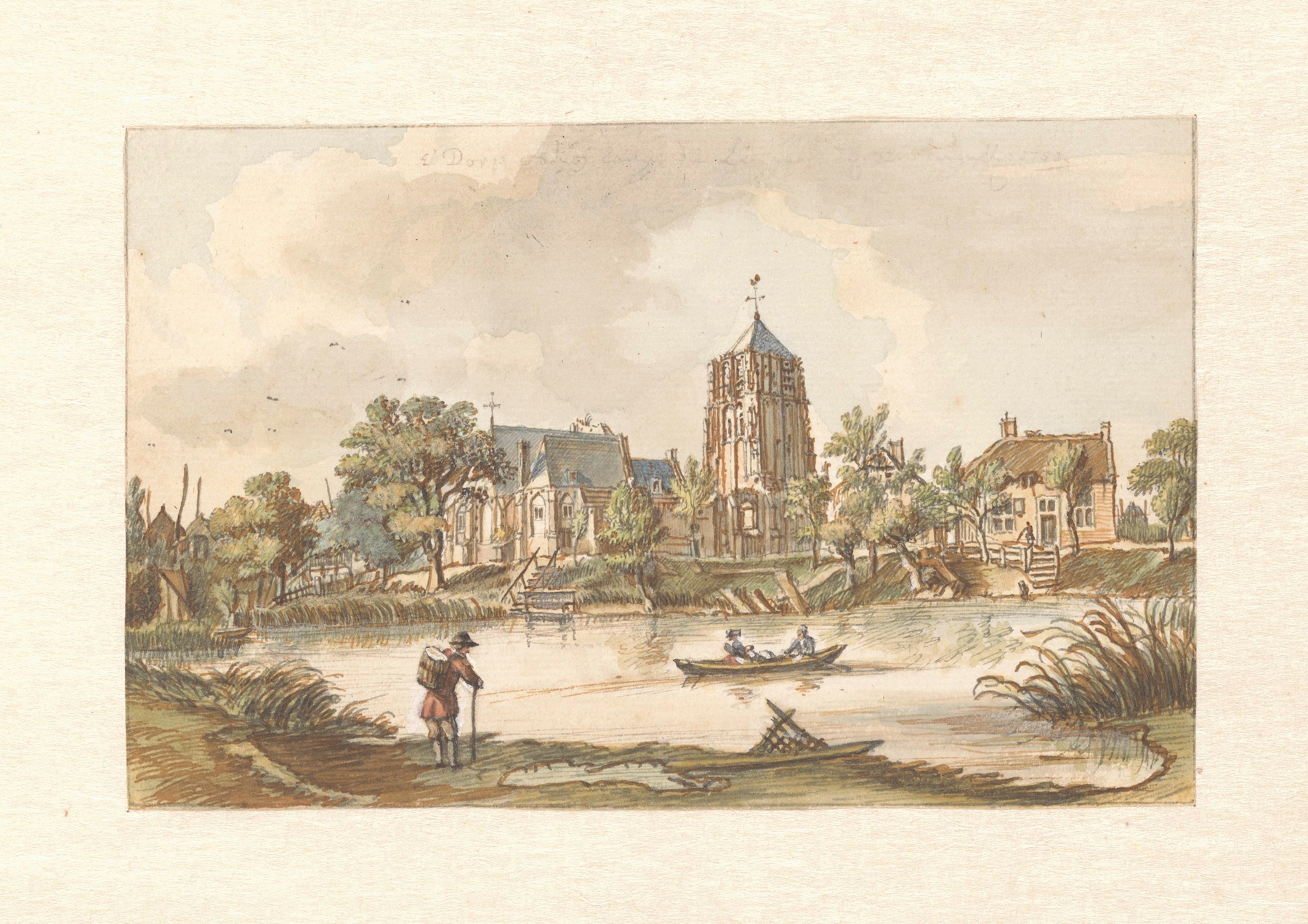
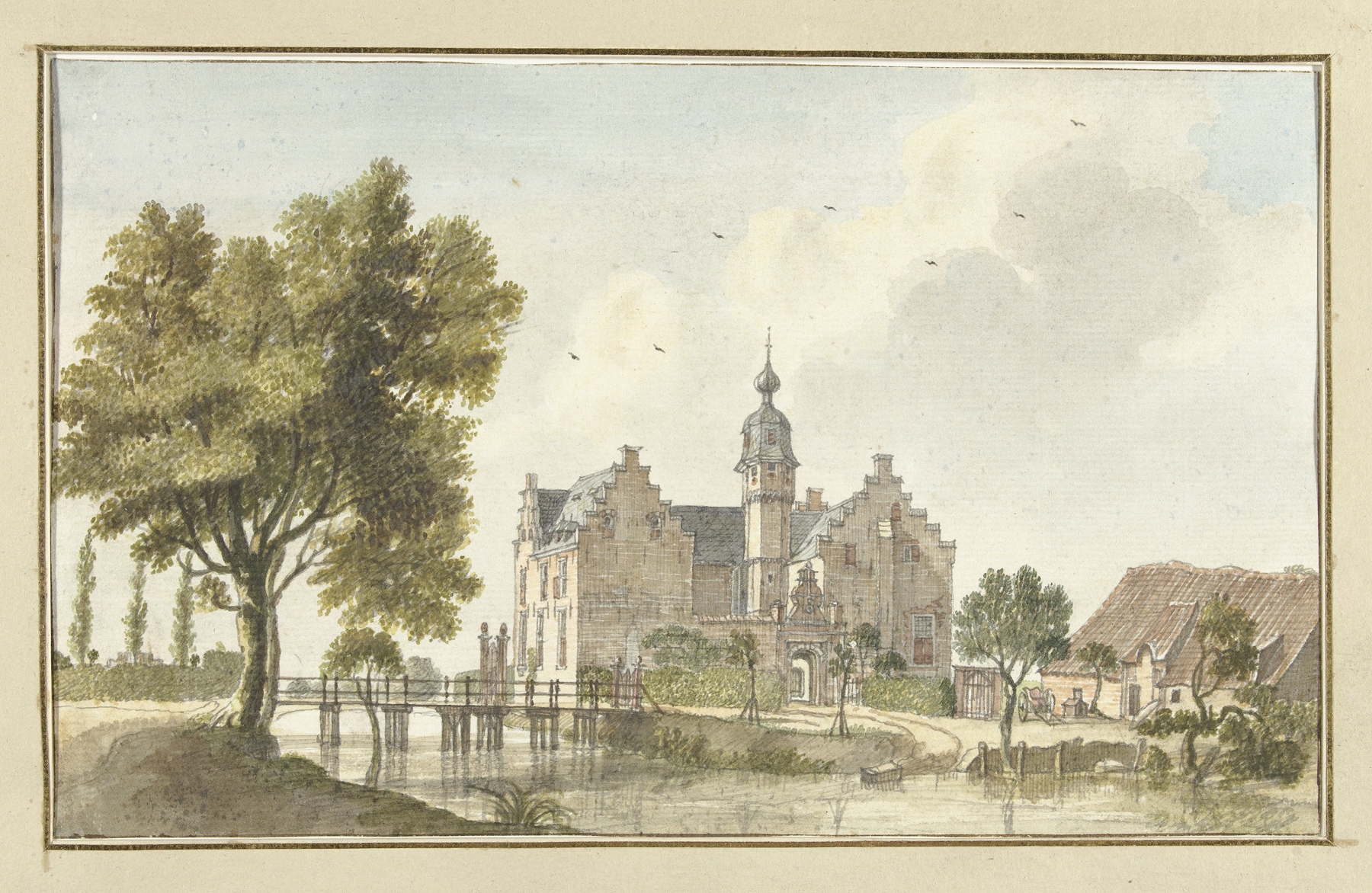
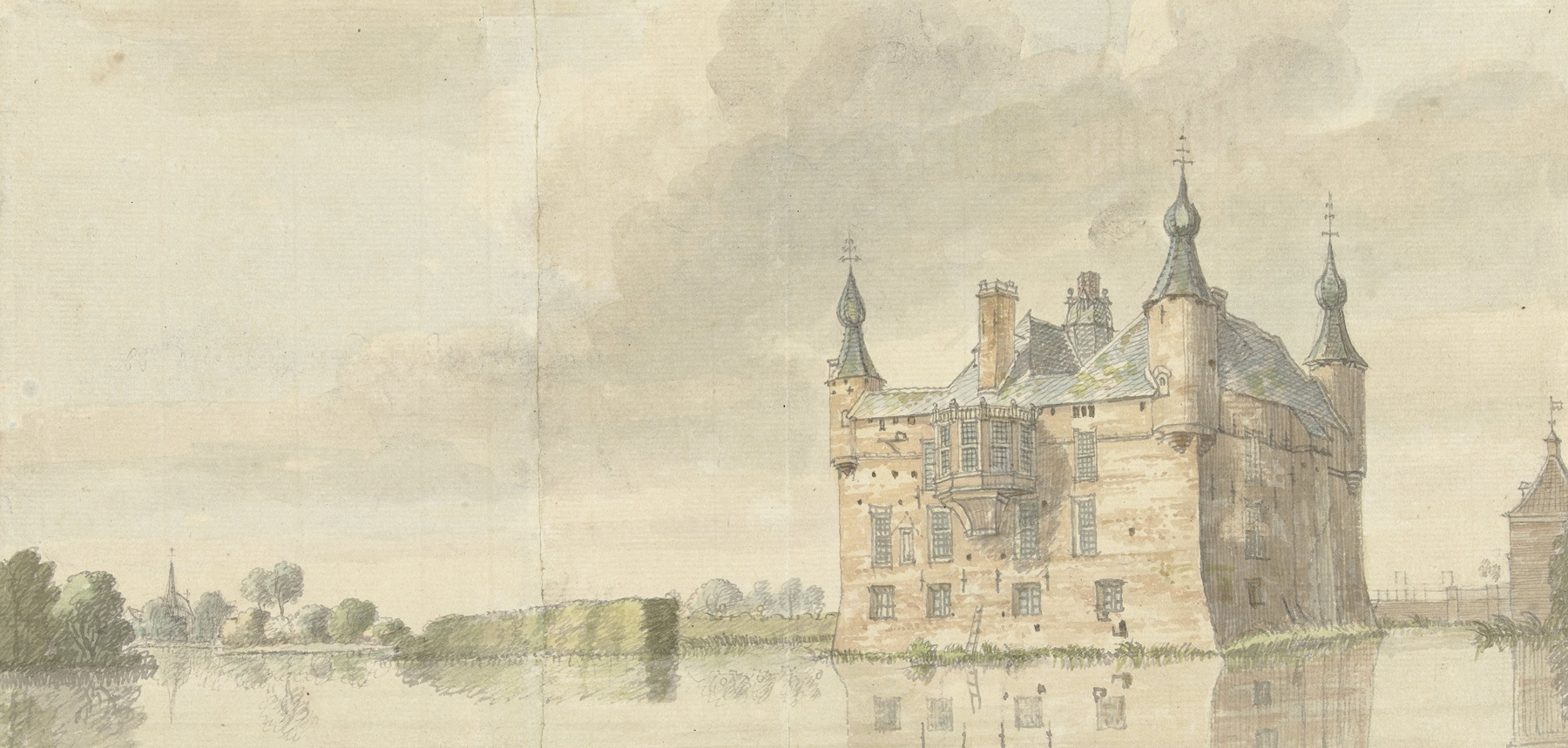
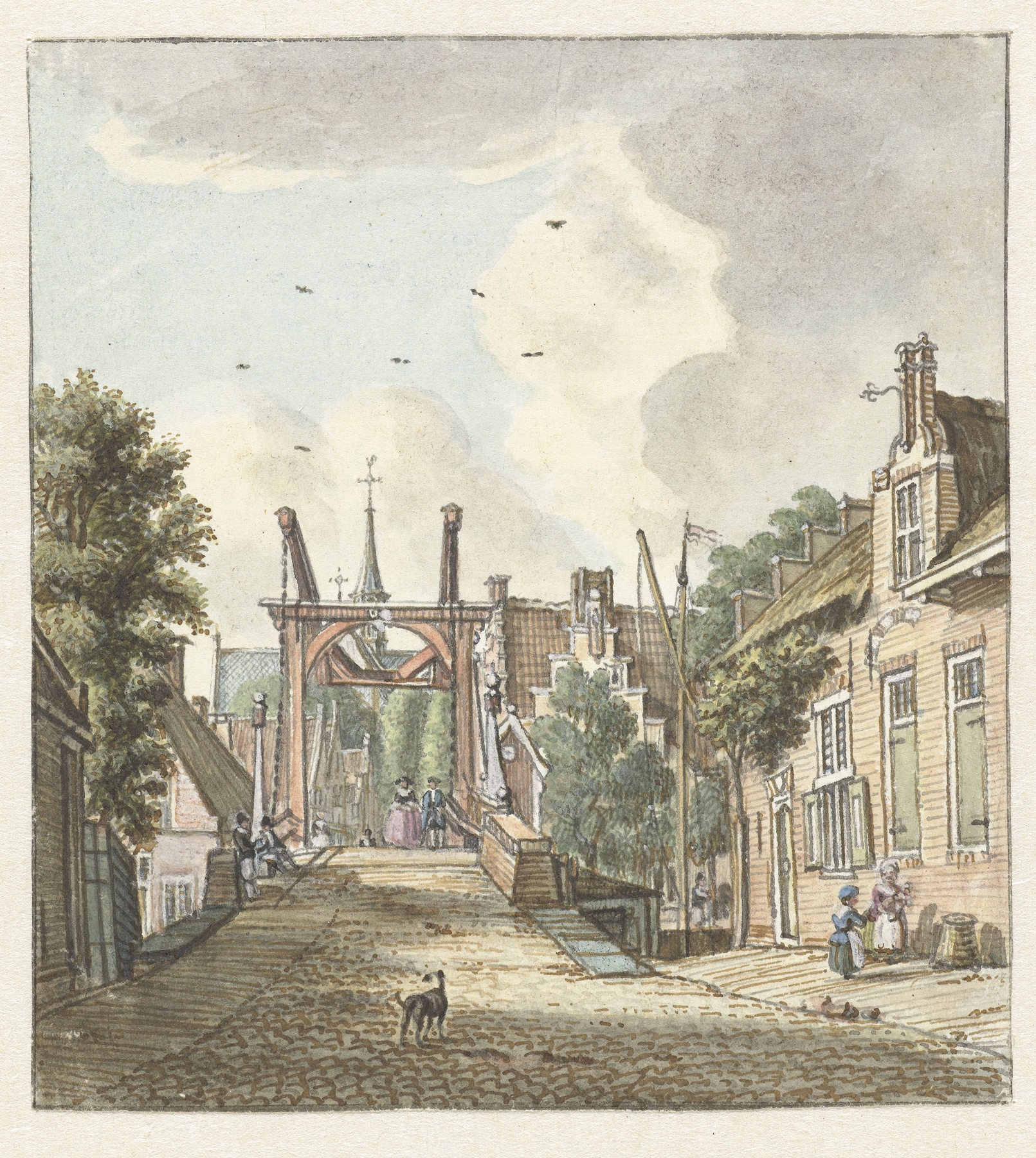
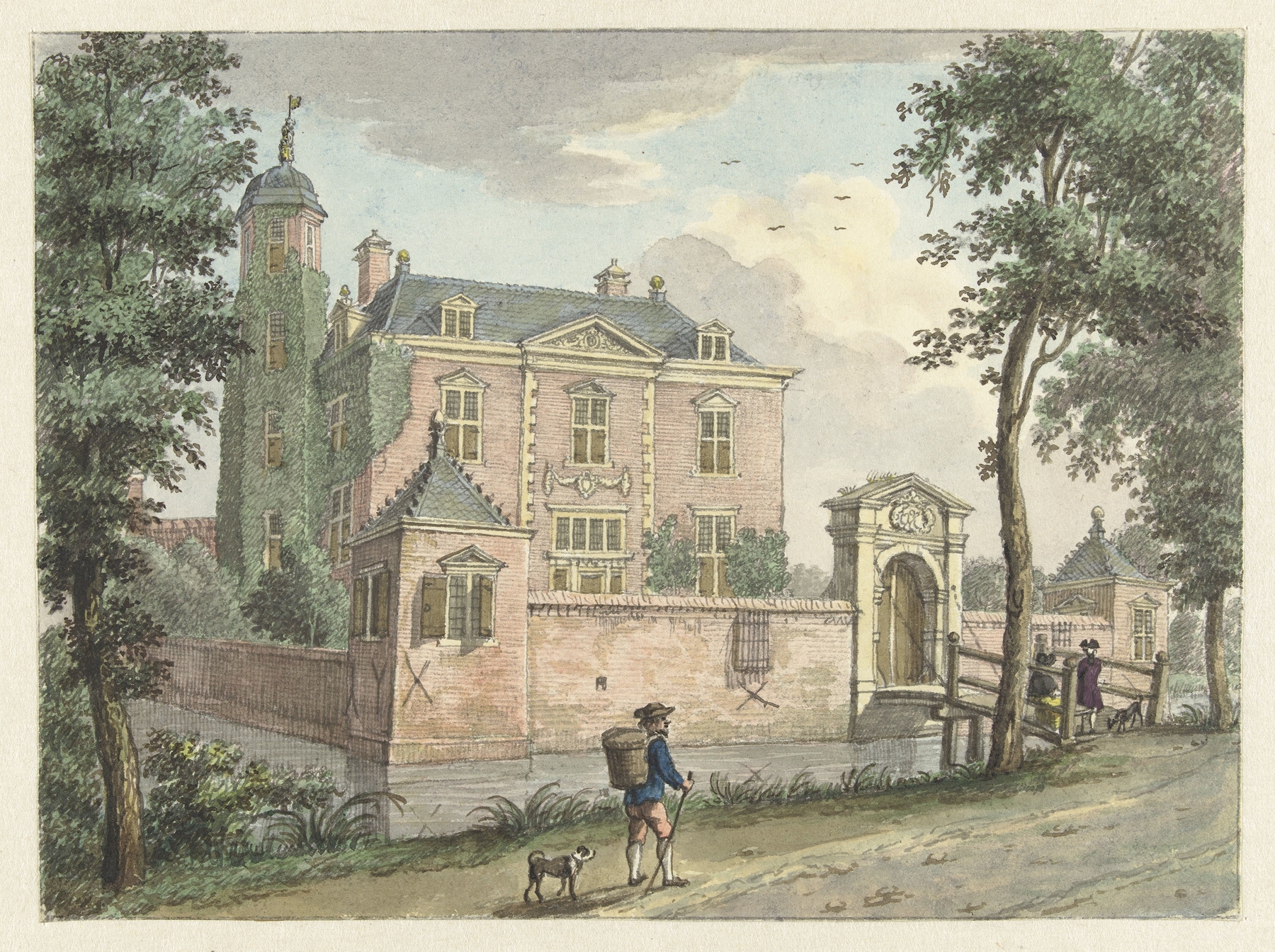
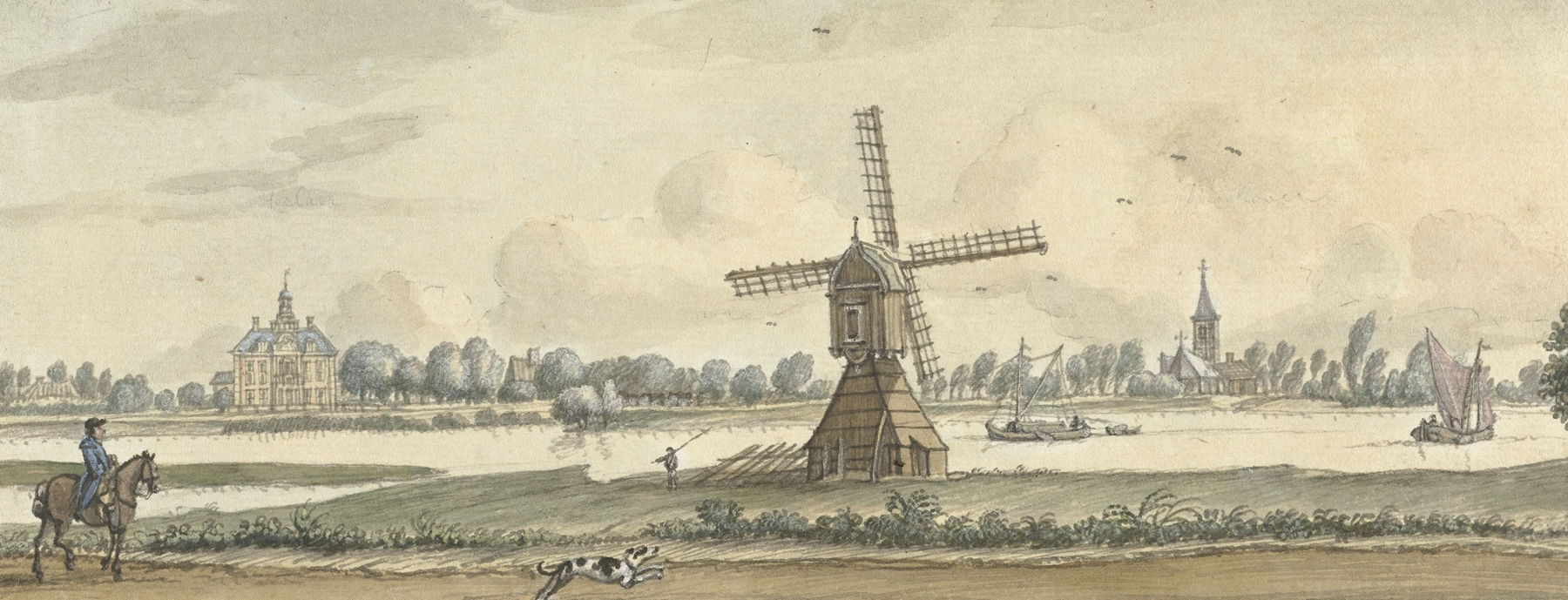
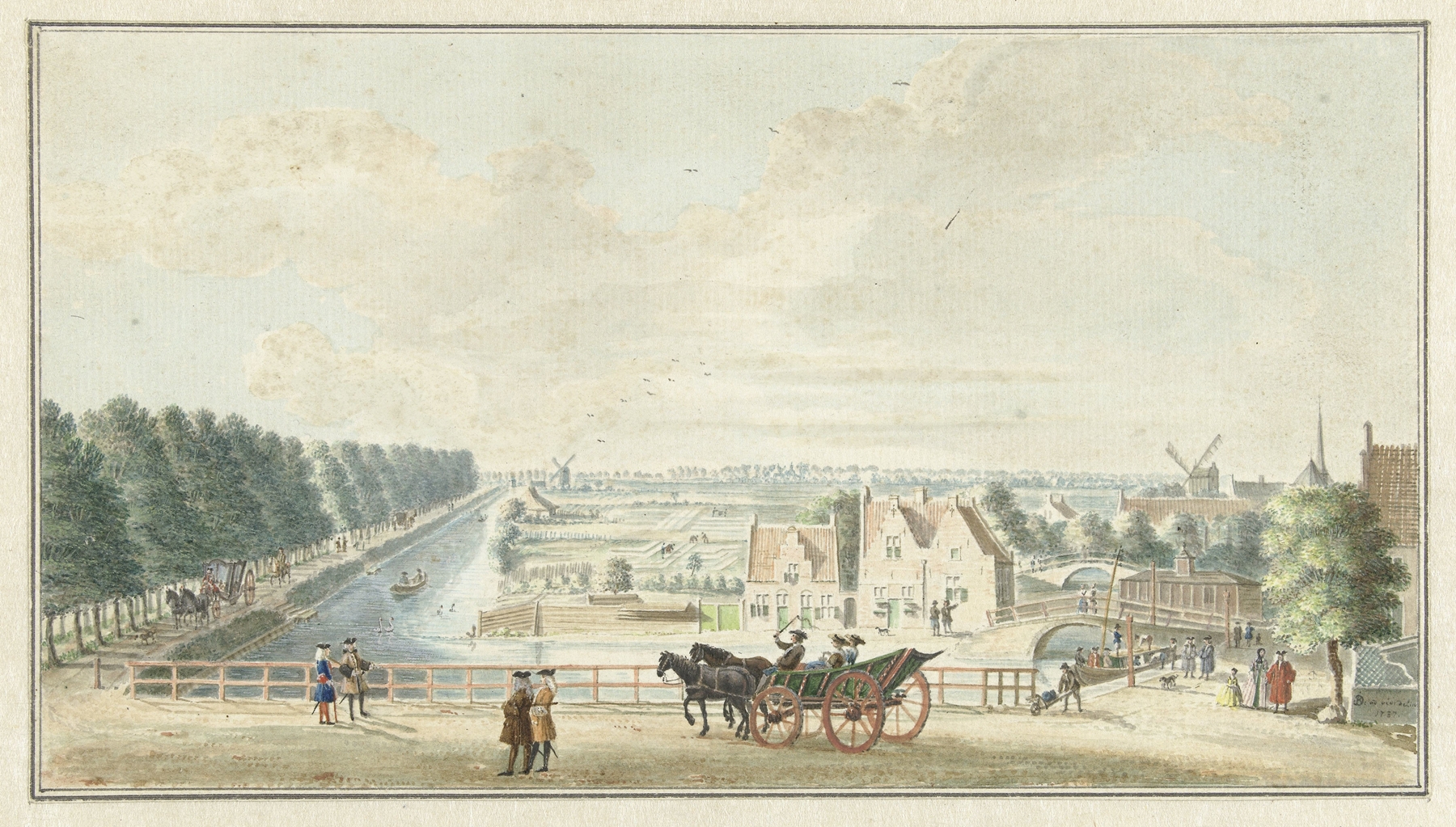
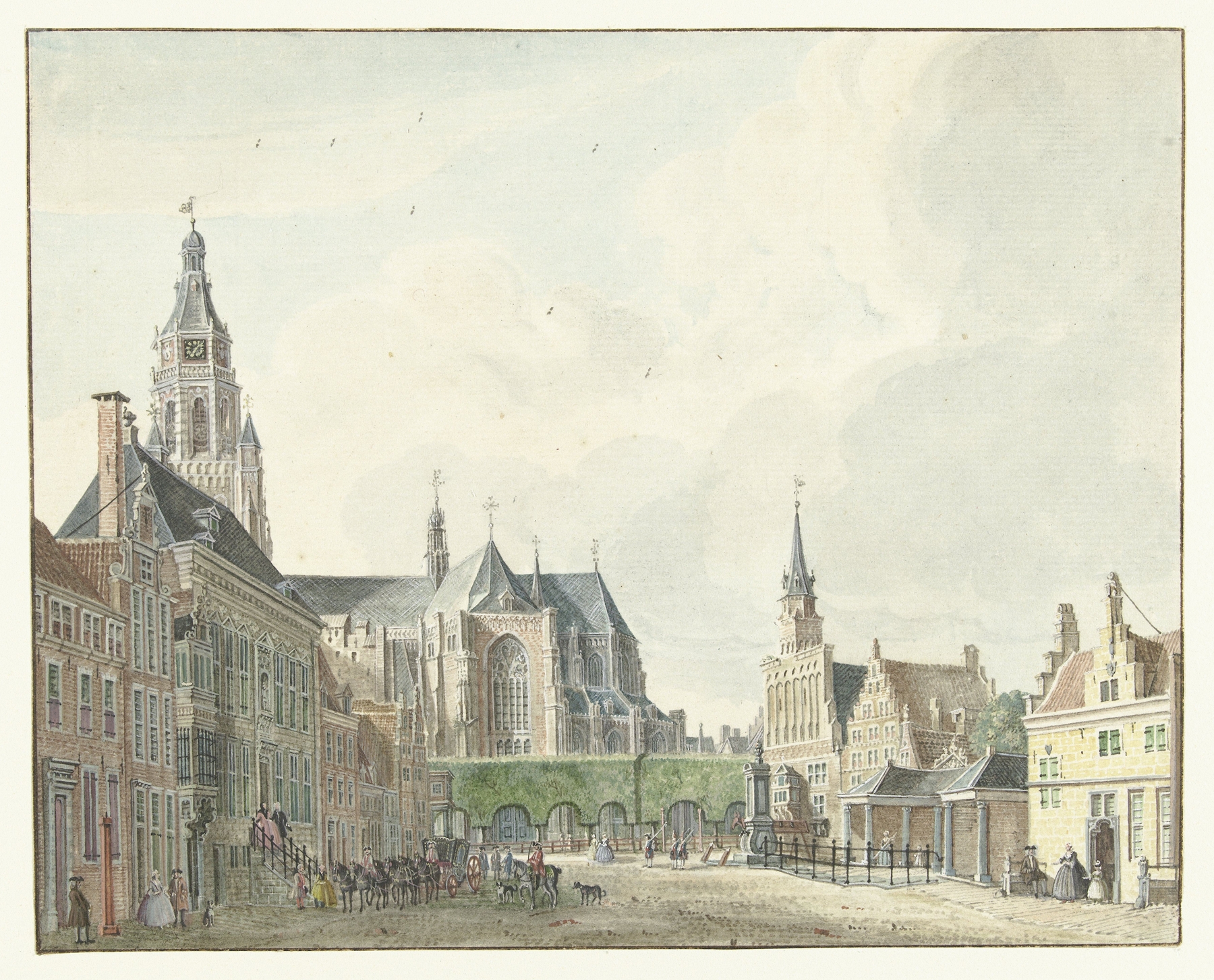
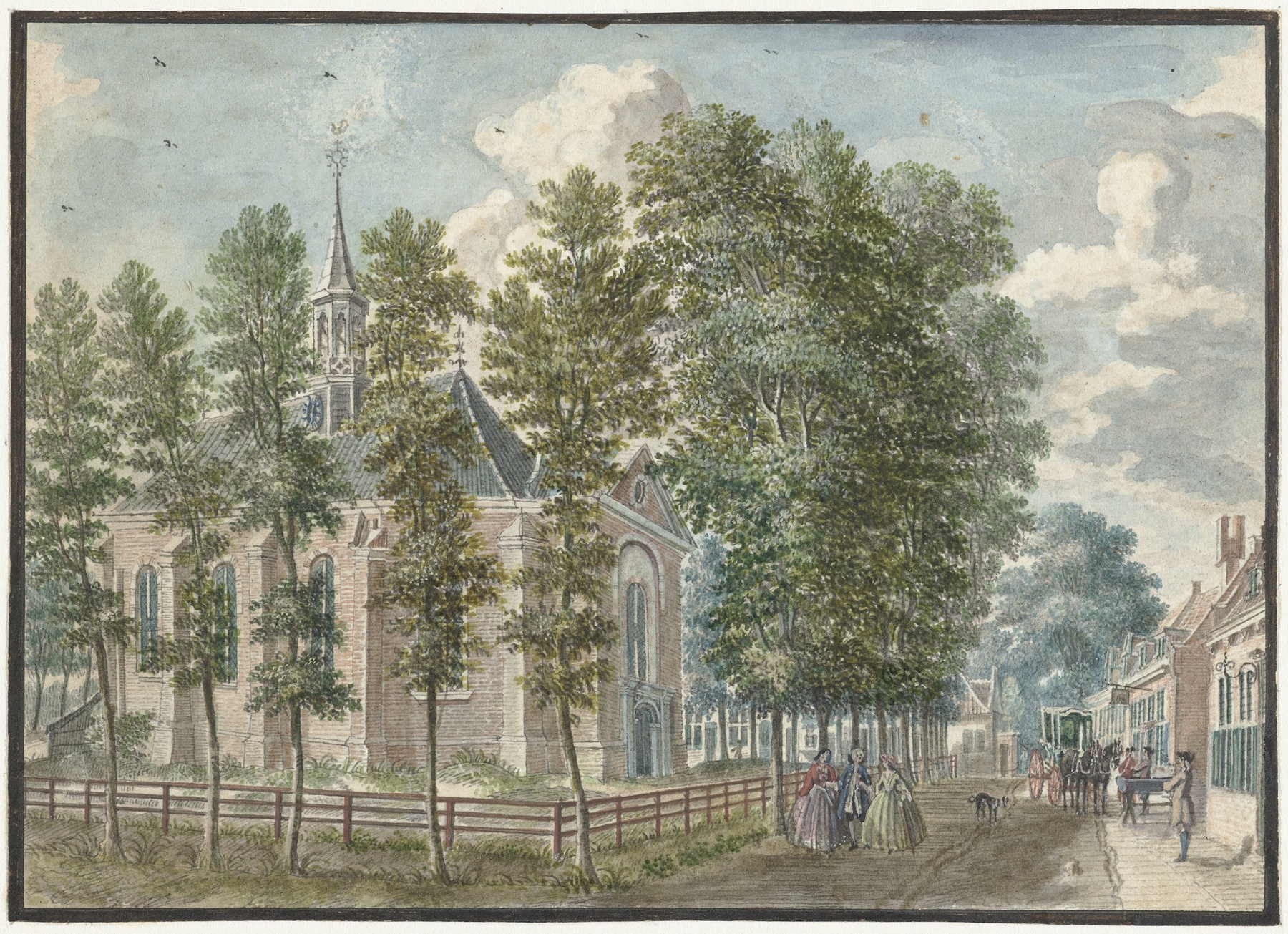
“Under the brush, chaos becomes grace.” In Gezicht in het dorp Harmelen, the fleeting moments of destiny in everyday life are captured with meticulous care, inviting reflection on the nature of time and existence. To begin your exploration, look to the left of the canvas where the quaint village unfolds. Notice the delicate strokes outlining the thatched roofs and weathered facades, each detail meticulously rendered. The soft greens of the fields contrast with the warm earth tones of the buildings, creating a harmonious balance that draws the viewer’s eye across the landscape.
The sky, painted with gentle blues and whites, evokes a sense of tranquility, while the subtle play of light highlights the nuances of the scene, making every element feel alive. Delve deeper into the composition and reveal the emotional tensions hidden within. The villagers, engaged in their daily tasks, embody the rhythm of life, yet there is an underlying stillness that speaks of moments paused in time. The distant horizon hints at the uncharted, reminding us of the paths taken and those yet to be discovered.
Each figure represents not only their role but the collective fate of the community, suggesting that destiny is woven through both the mundane and the sublime. In 1749, Jan de Beijer painted this work during a period of artistic transition in the Netherlands as the Baroque style gave way to a more subdued realism. He was developing a unique approach to landscape painting, influenced by the changing perspectives of the Enlightenment era. Living in a time of burgeoning urbanization and social change, de Beijer sought to capture the essence of village life, reflecting not just the physical landscape but also the human spirit’s connection to place and time.