
Gezicht op de Kleine Houtpoort te Haarlem — History & Facts
In the stillness of each stroke, there lies an unseen ecstasy, a celebration of life's transient moments captured in time. Look closely at the intricate details of Gezicht op de Kleine Houtpoort te Haarlem. Focus first on the arching gateway, where the architecture of the medieval city invites you into its embrace. Notice how the delicate lines of ink etch both the solidity of the stone and the soft play of light that dances across it, suggesting warmth amidst the chill of history.
The subtle gradations of shade underscore a harmonious balance between the towering structure and the tranquil landscape beyond, inviting the eye to wander along the cobblestone path. As you explore this composition, consider the contrast between the solidity of the gate and the ethereal wisps of clouds above, hinting at the fleeting nature of time. The figures in the distance, mere silhouettes, evoke a sense of both isolation and community, lost yet connected by the shared experience of space. Each detail, from the fluttering leaves to the gentle bend of the trees, intertwines with the cityscape, suggesting that nature and civilization are forever entwined in an eternal dance of existence. Painted in 1676, Gezicht op de Kleine Houtpoort te Haarlem emerged during a period of transition in Europe, where artists were increasingly seeking to express the nuances of daily life.
Wenceslaus Hollar, a Bohemian artist living in the Netherlands, was deeply influenced by his surroundings and the rising interest in landscape depictions, navigating the delicate interplay between realism and imagination within an evolving artistic landscape.
More Artworks by Wenceslaus Hollar
Browse all →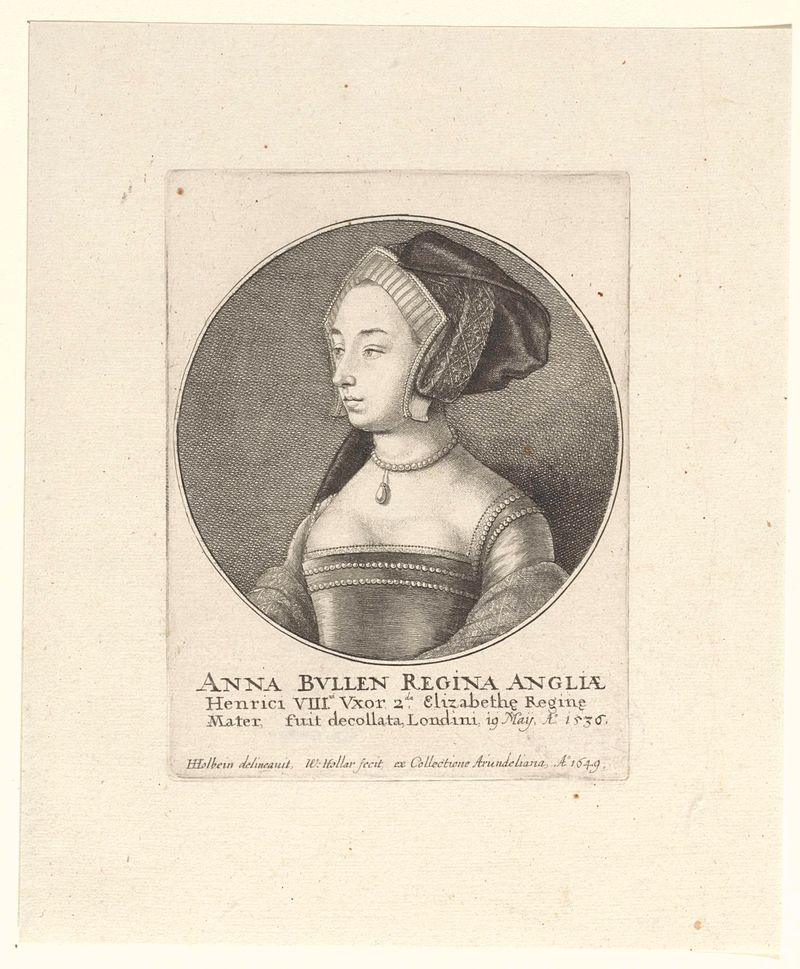
Portret van Anna Boleyn, koningin van Engeland
Wenceslaus Hollar
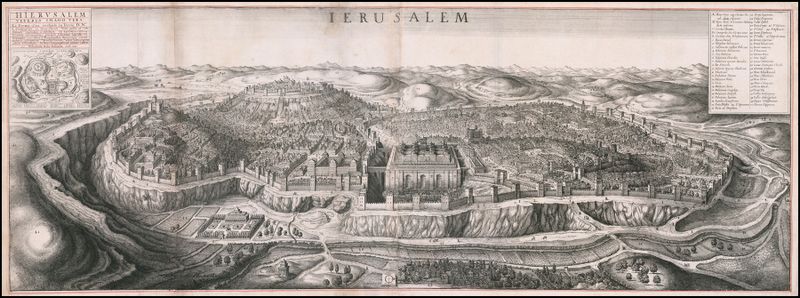
Bird’s eye view of Jerusalem
Wenceslaus Hollar
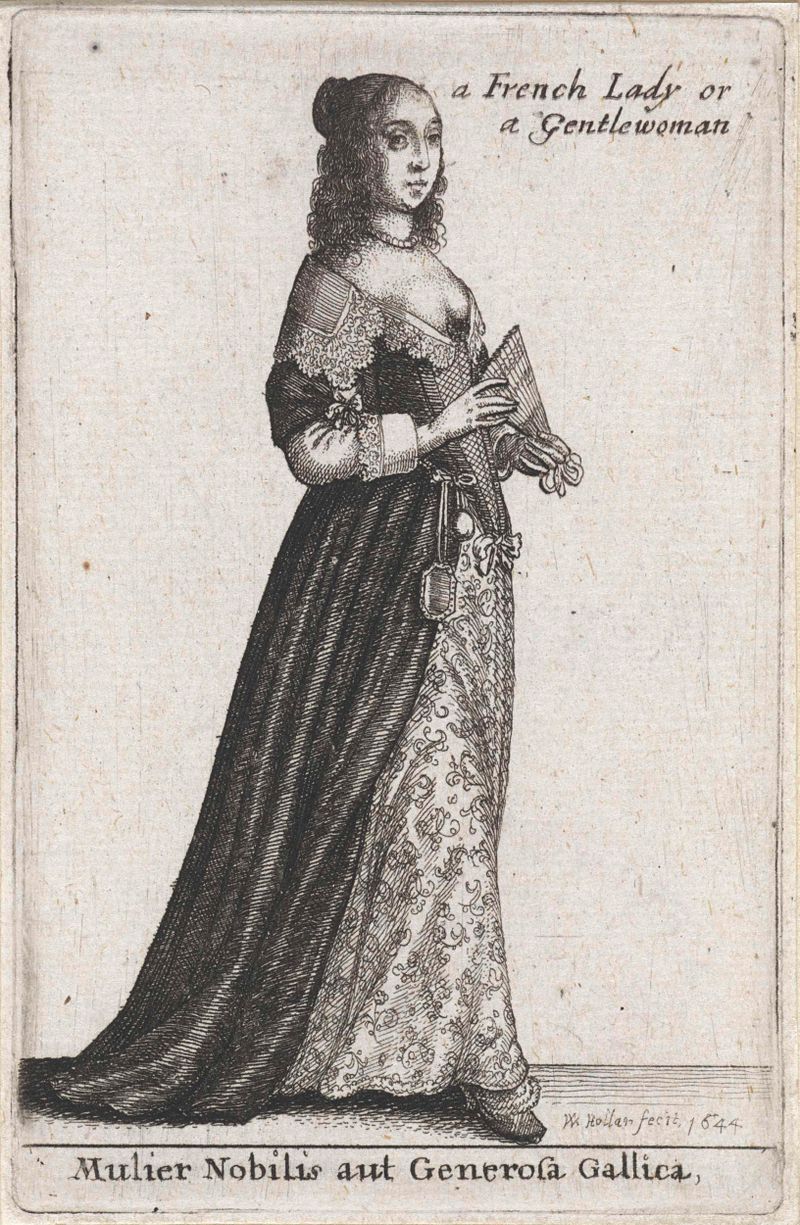
Mulier Nobilis aut Generosa Gallica / a French Lady or Gentlewoman
Wenceslaus Hollar
Titelprent voor: Ornatus Muliebris Anglicanus
Wenceslaus Hollar
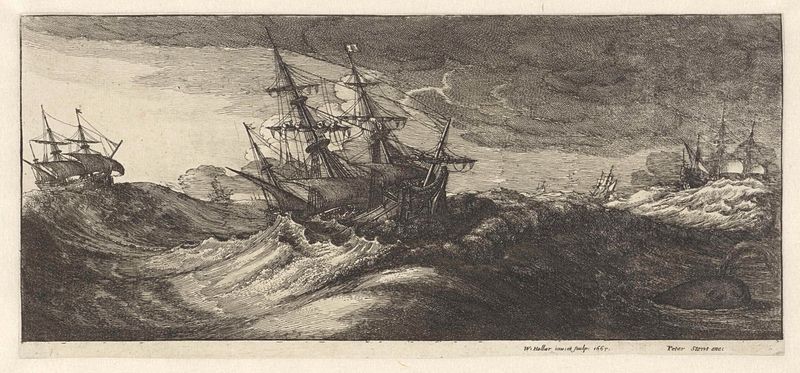
Oorlogsschepen en een walvis in een zeestorm
Wenceslaus Hollar
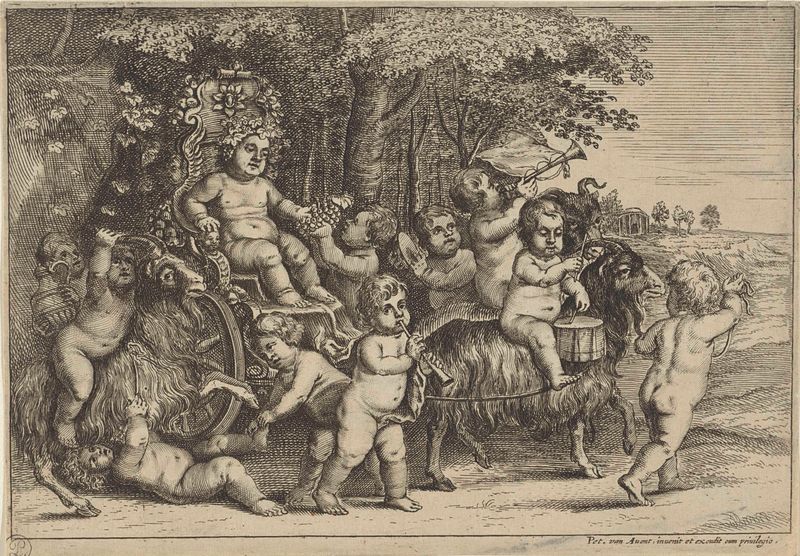
Optocht van bacchant en jongetjes op geiten
Wenceslaus Hollar
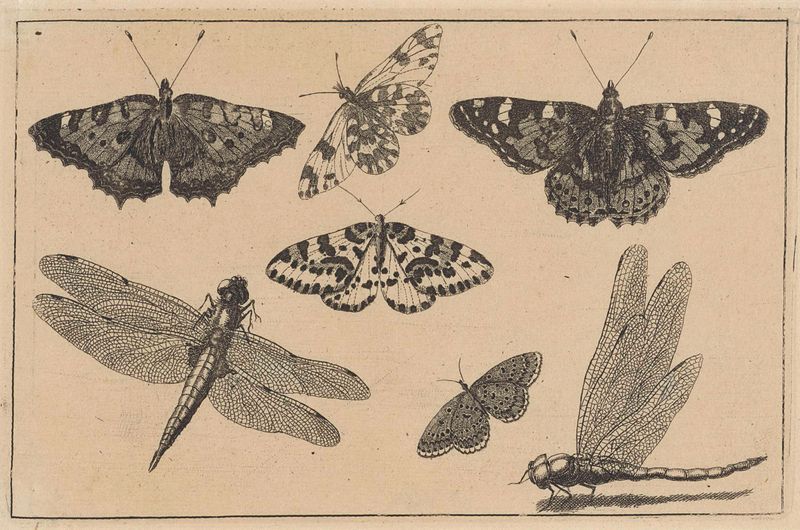
Twee libellen en vijf vlinders
Wenceslaus Hollar
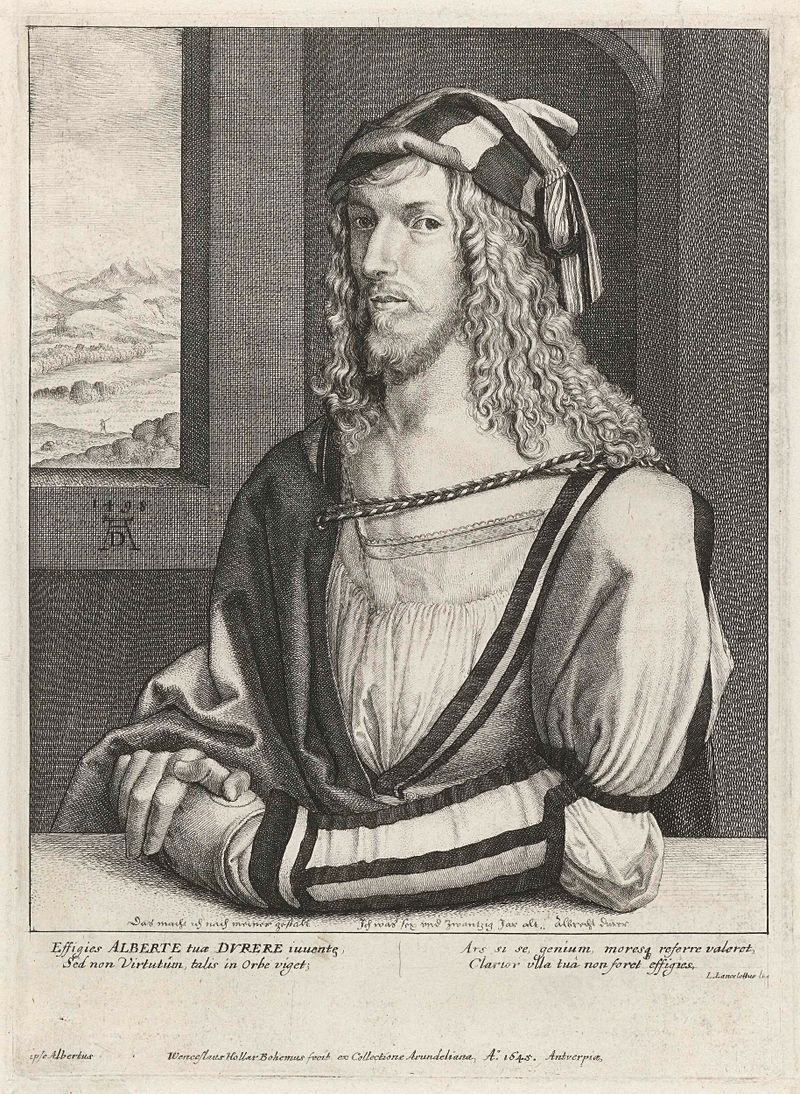
Portret van Albrecht Dürer
Wenceslaus Hollar
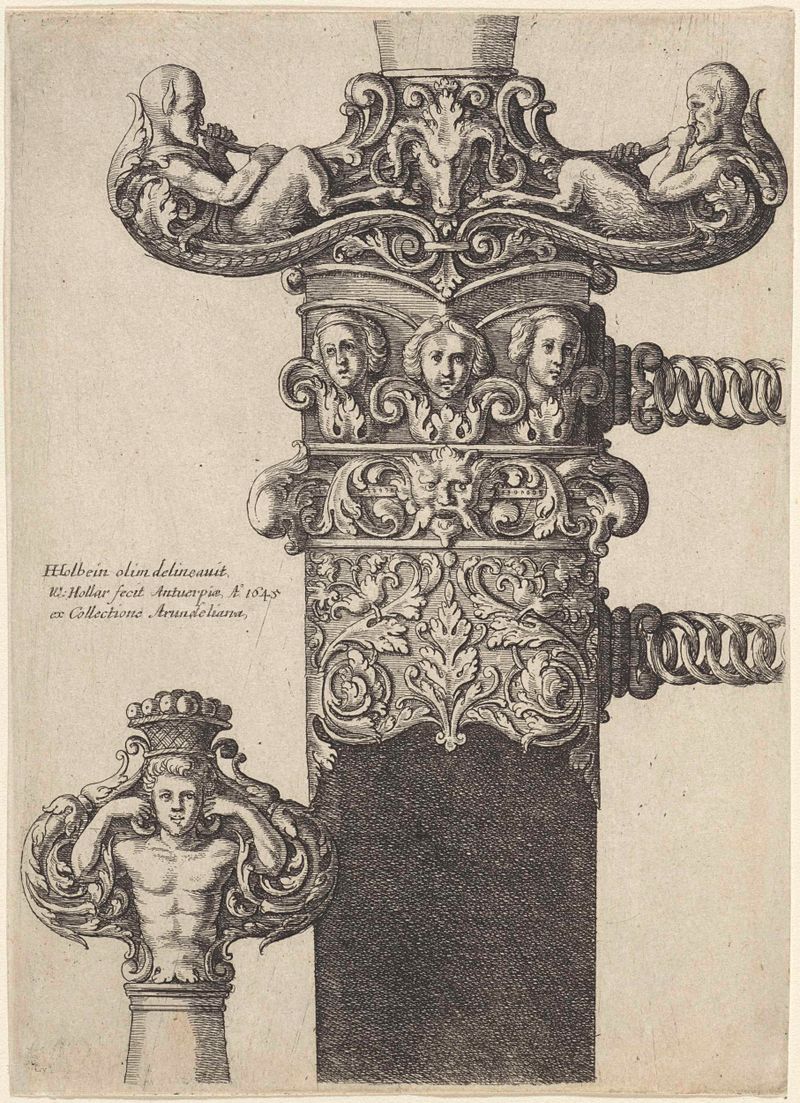
Ornamenteel ontwerp voor een dolk
Wenceslaus Hollar
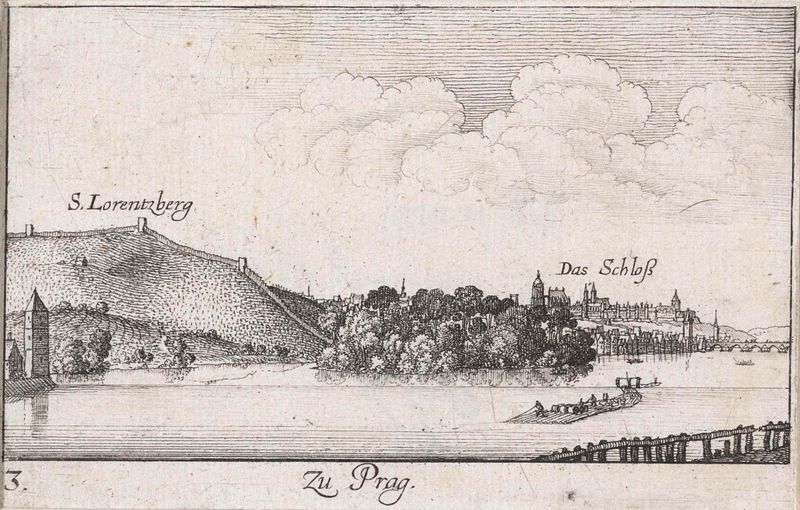
Gezicht op Praag vanaf de Moldau
Wenceslaus Hollar
More Architecture Art
Browse all →
The statue of Liberty
Frédéric Auguste Bartholdi

View of Houses in Delft, Known as ‘The Little Street’
Johannes Vermeer

View of Houses in Delft, Known as ‘The Little Street’
Johannes Vermeer

The Cathedral in Rouen. The portal, Grey Weather
Claude Monet

The yellow house
Vincent van Gogh

The Church in Auvers-sur-Oise, View from the Chevet
Vincent van Gogh