Gezicht op Scherpenzeel — History & Analysis
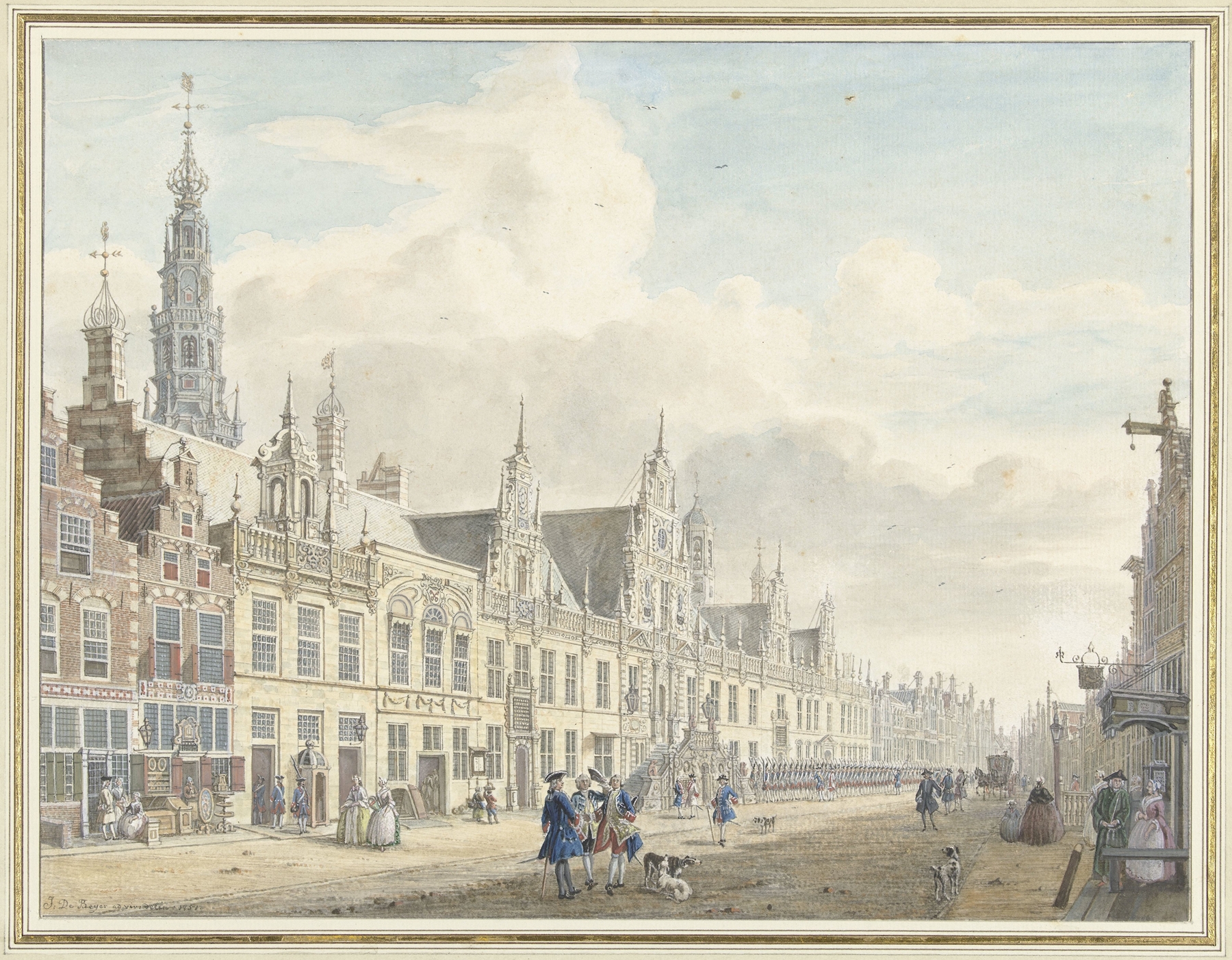
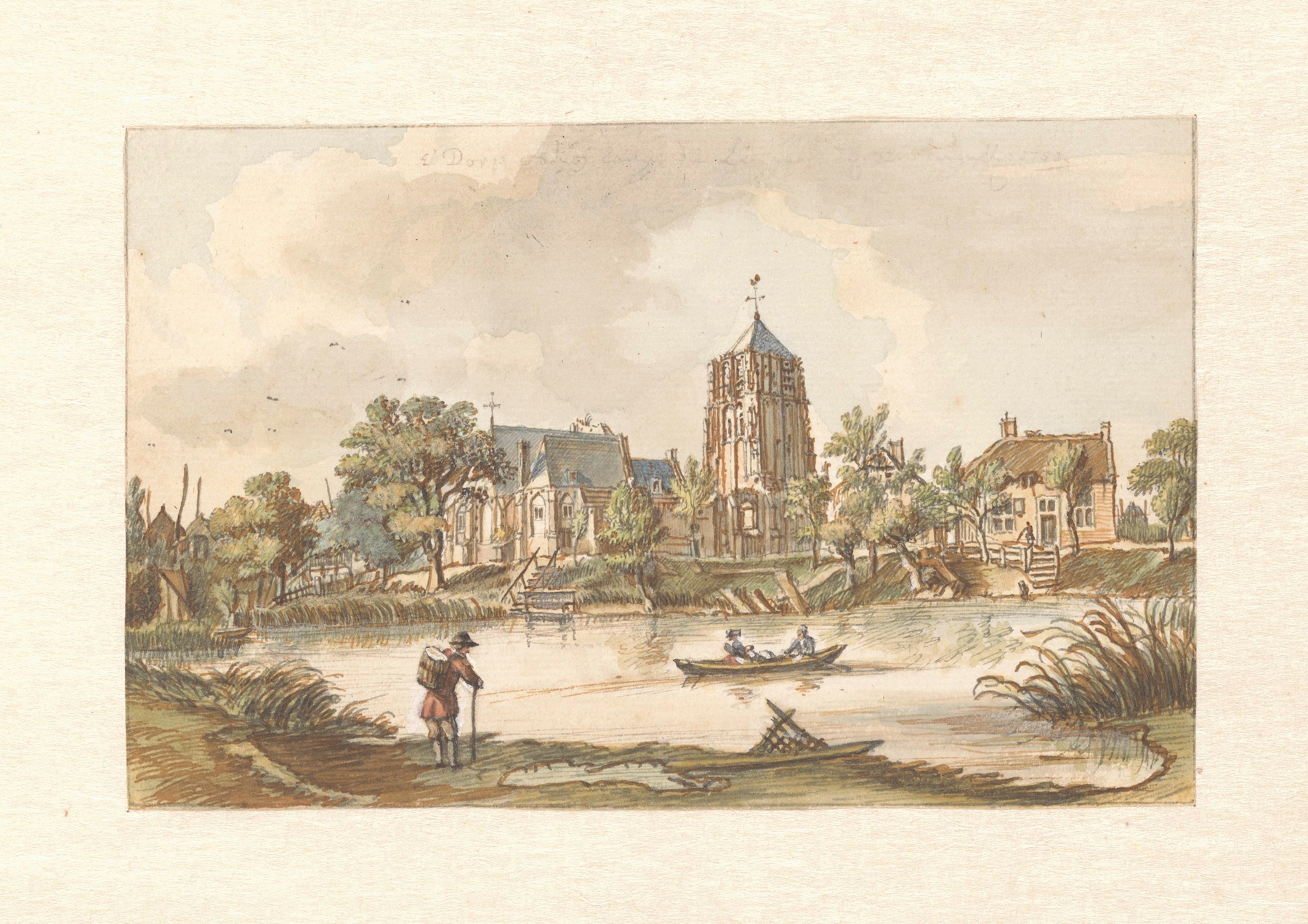
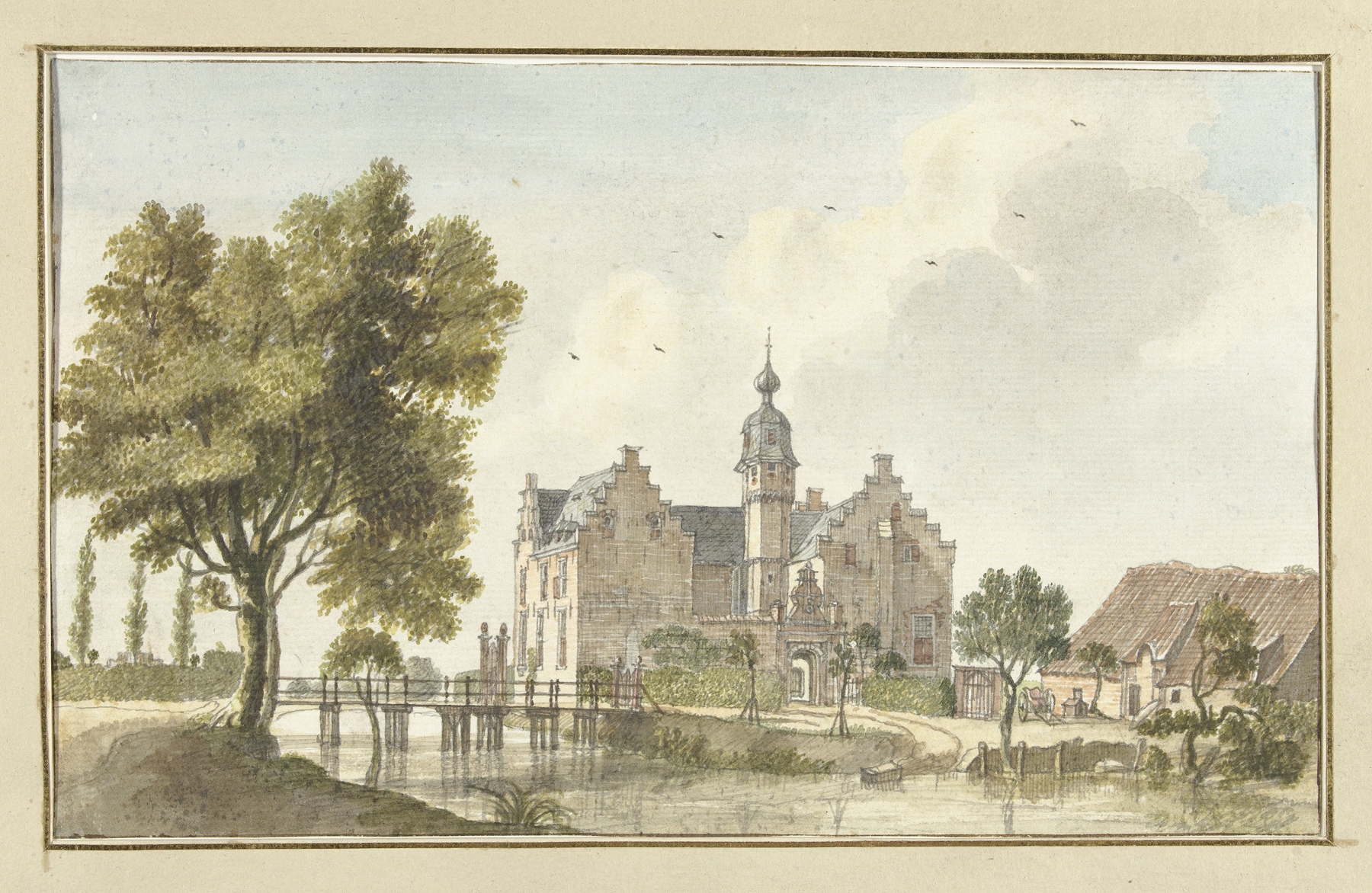
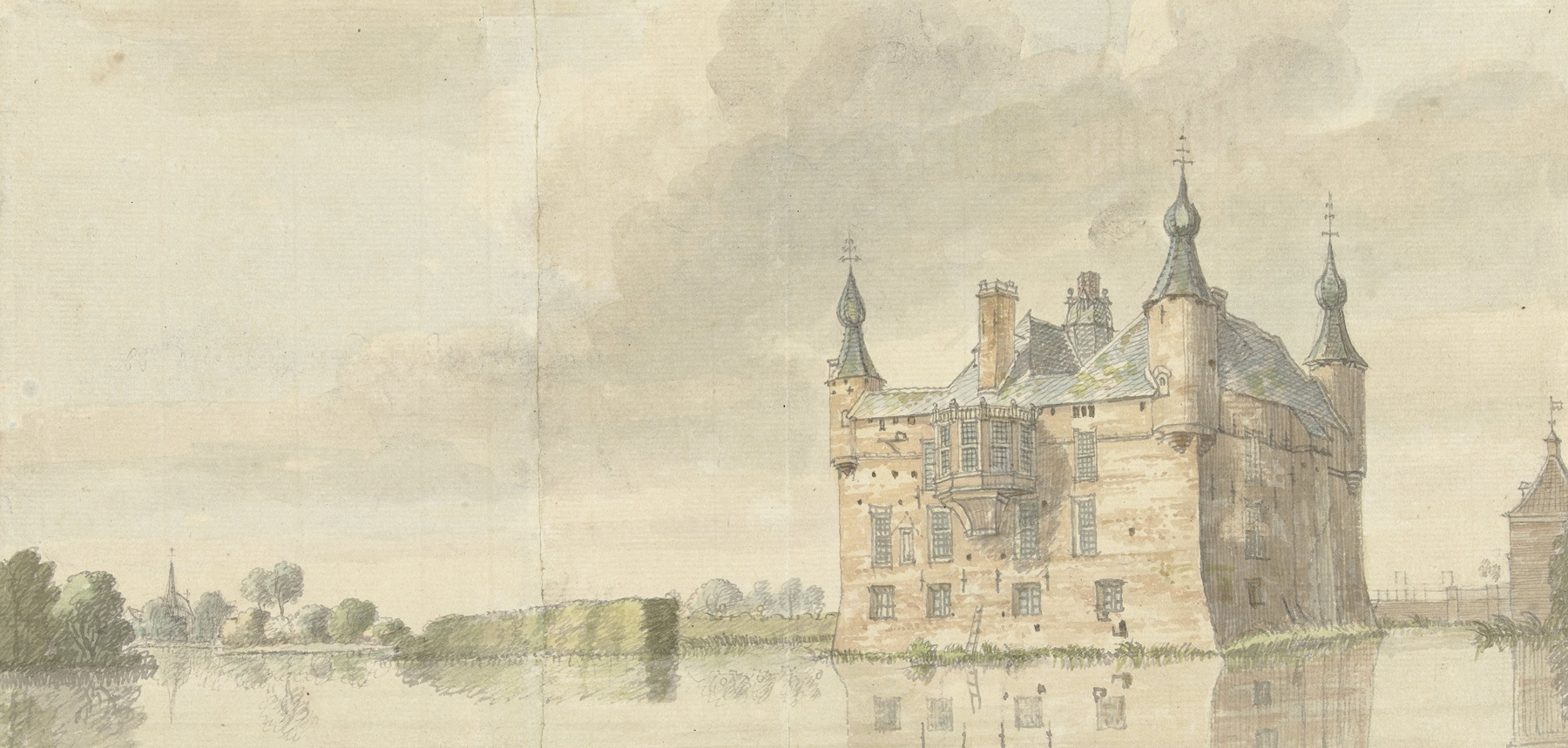
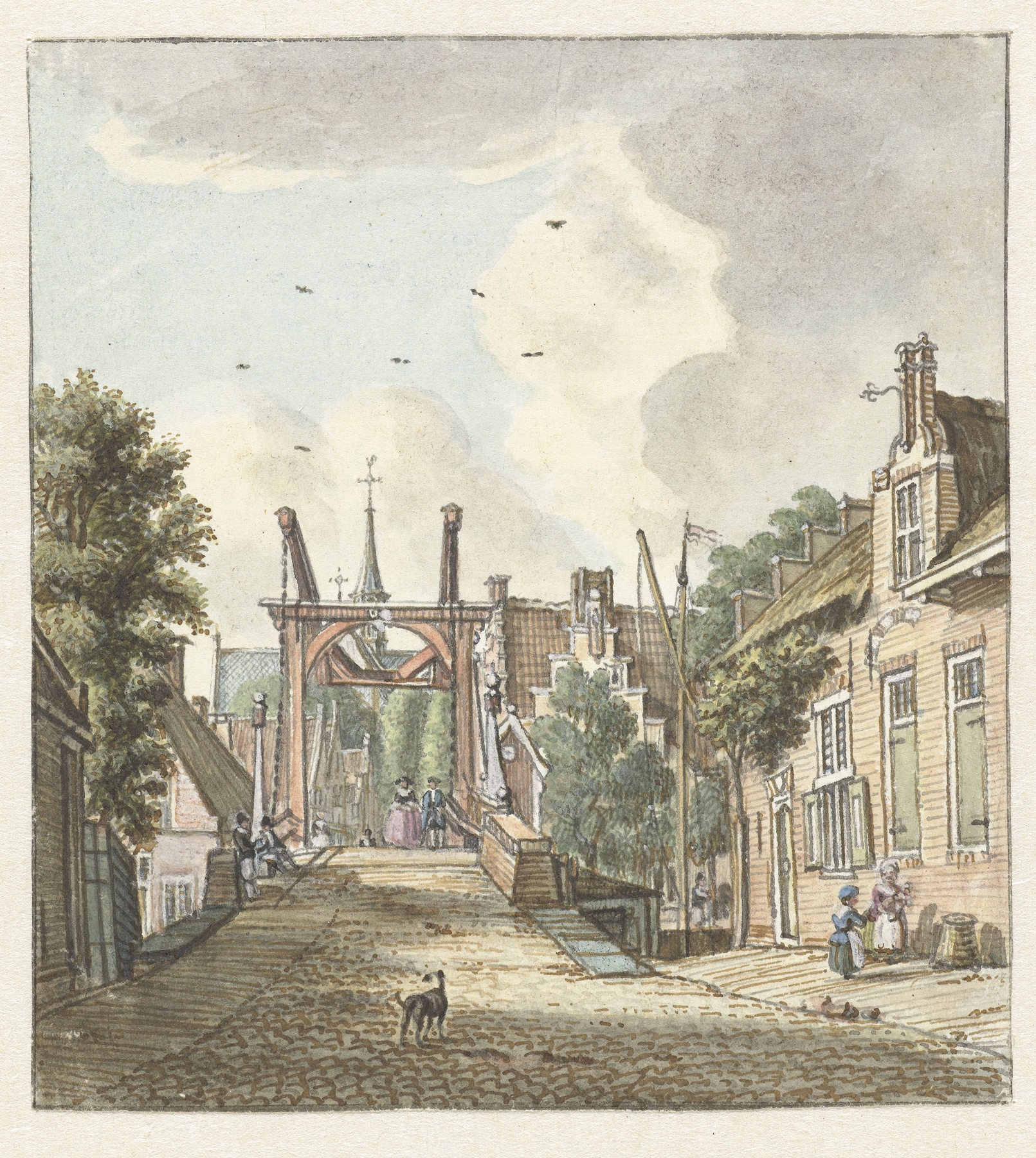
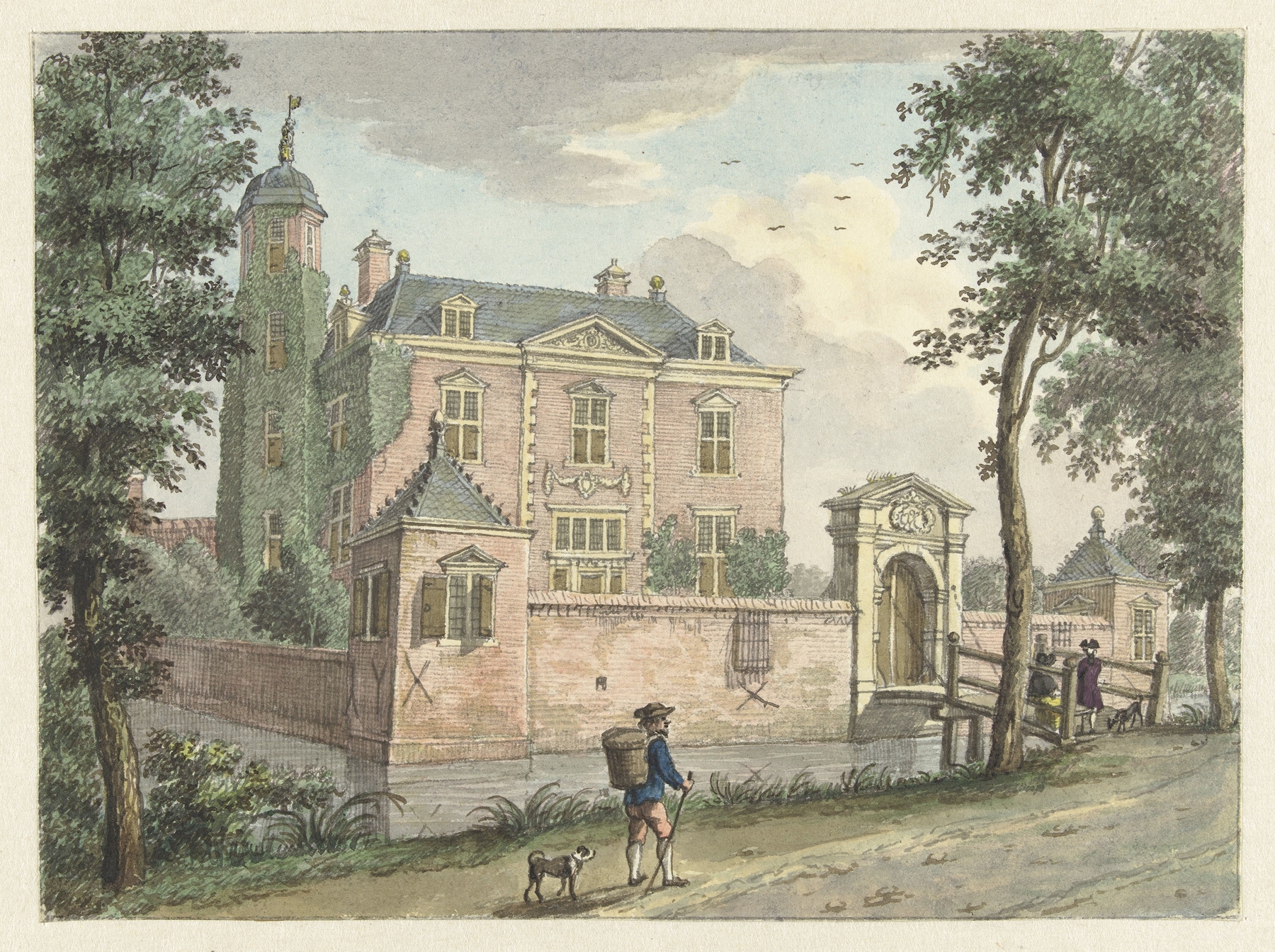
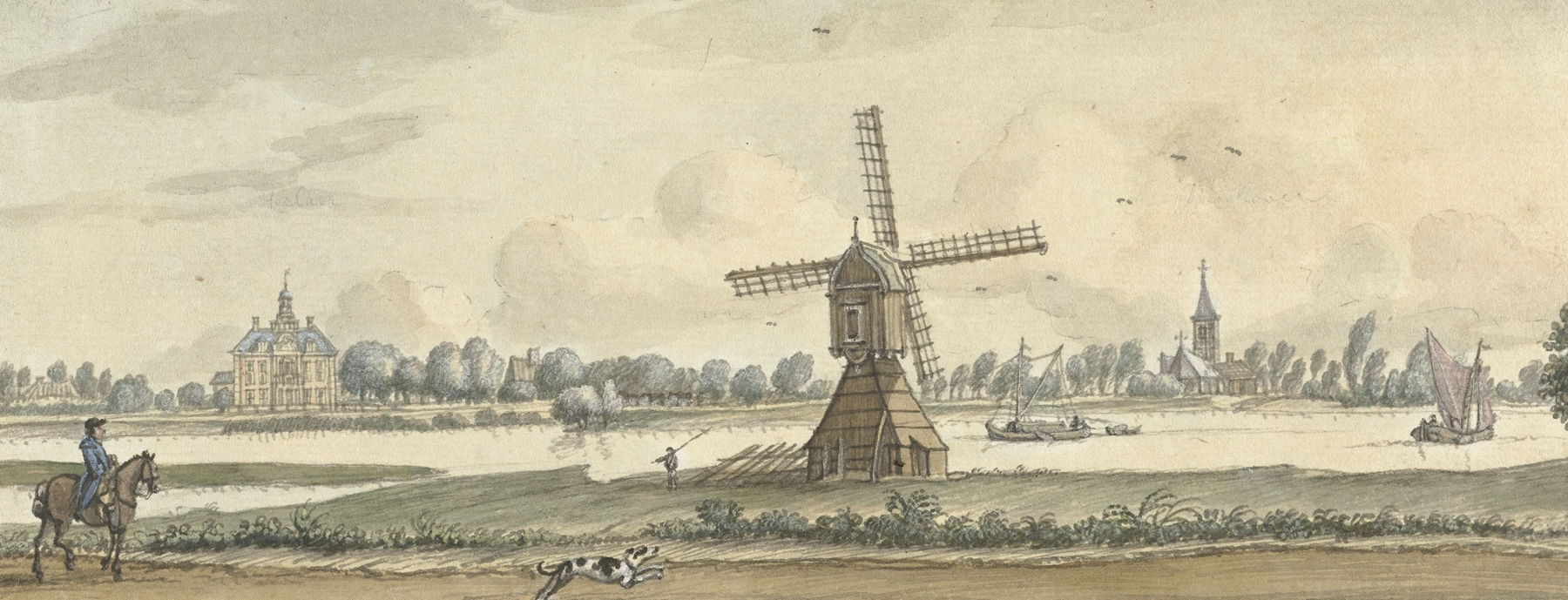
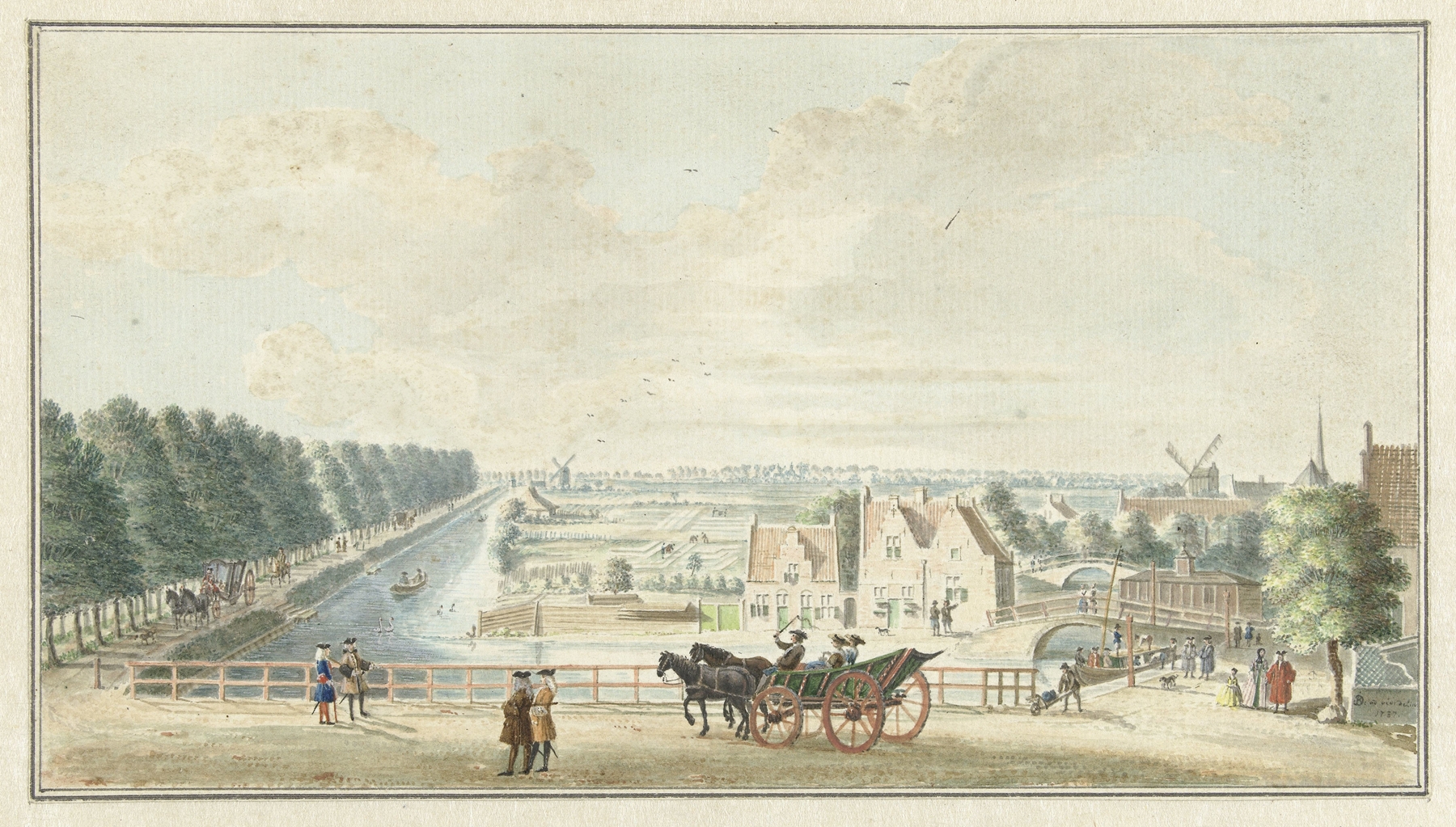
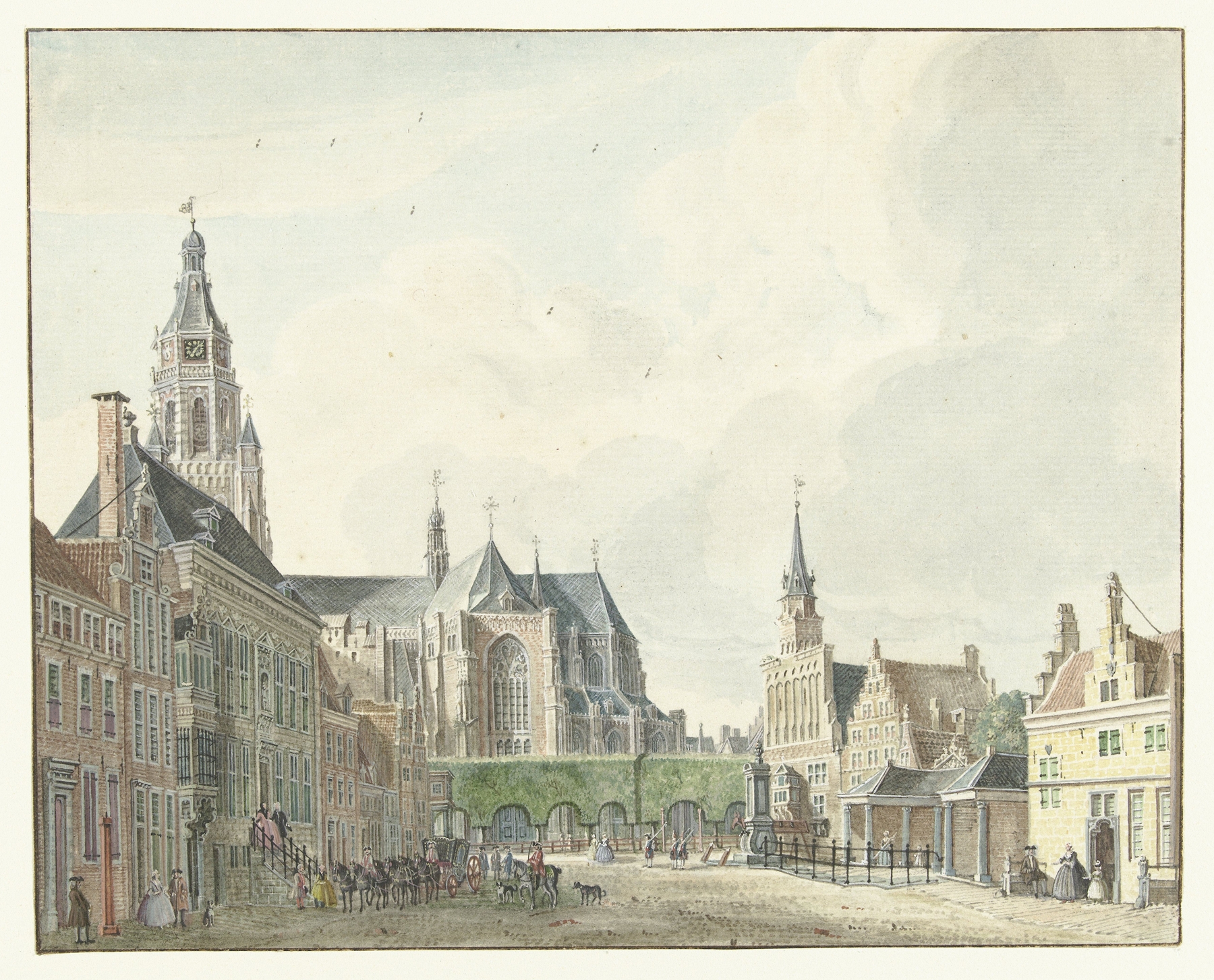
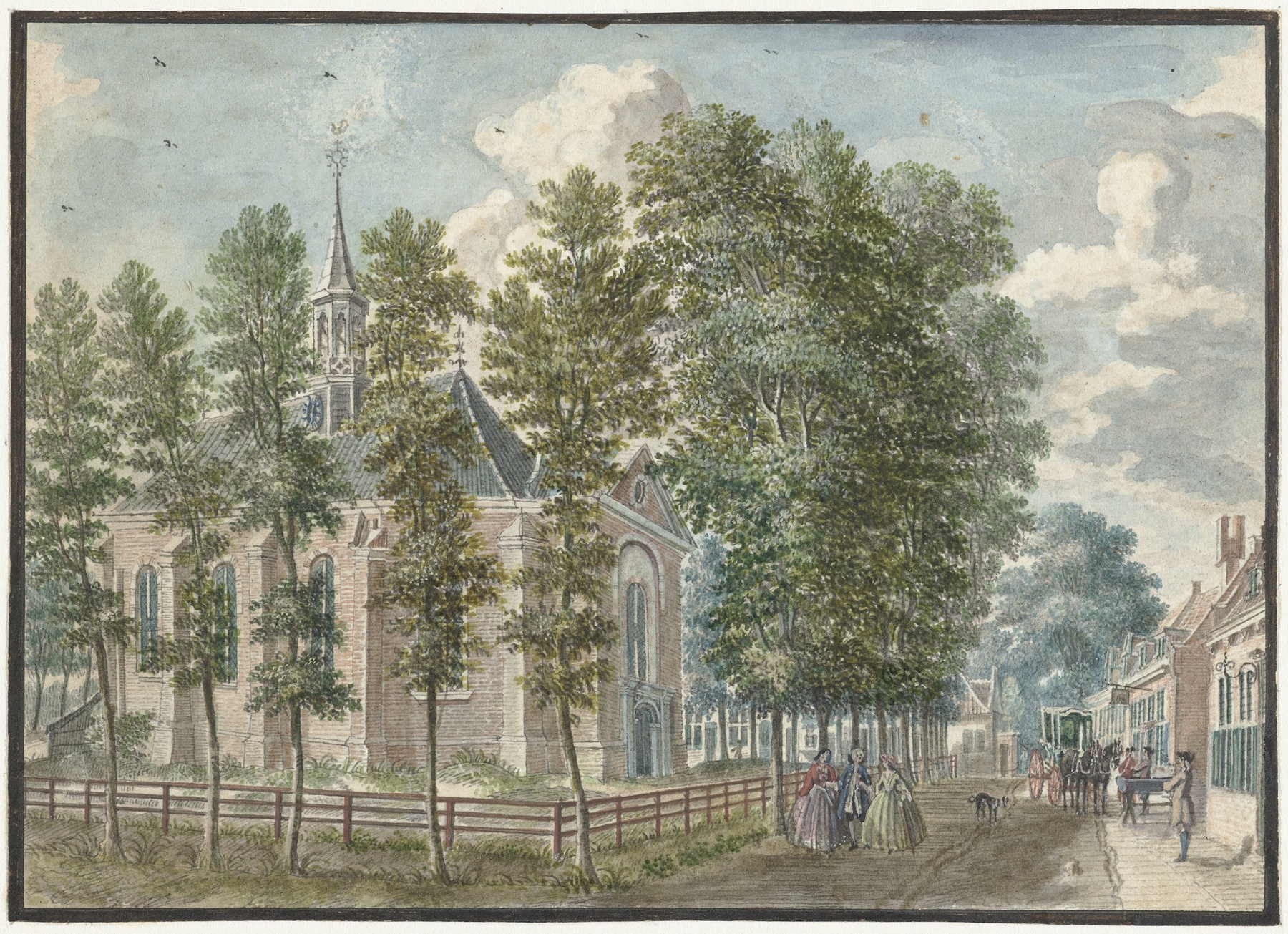
“Under the brush, chaos becomes grace.” This sentiment captures the essence of a world meticulously crafted from the untamed chaos of nature, leaving behind a legacy that transcends time. Look closely at the foreground, where the lush greens of the landscape sweep gently into the cool blues of the sky. The artist deftly employs a soft palette, allowing the play of light and shadow to define the contours of the rolling hills. Notice how the delicate brushstrokes evoke the texture of the trees and the shimmering surface of the water, inviting the viewer to linger in this serene moment.
Each stroke seems intentional, revealing the harmony between the natural elements that compose this idyllic scene. Beneath this tranquil façade lies a deeper narrative. The juxtaposition of the vibrant life in the fields against the distant, almost ethereal landscape hints at the passage of time and the impermanence of life. The solitary path winding through the fields symbolizes a journey, not just through the physical landscape but through memory and history, suggesting the continuity of existence regardless of change.
This emotional tension between the present beauty and the inevitable march of time resonates with profound significance. Jan de Beijer painted Gezicht op Scherpenzeel during the 18th century, a period marked by a growing interest in landscape art within the Dutch Golden Age. While navigating his career in the Netherlands, de Beijer was influenced by the serene beauty of his surroundings and the artistic advancements of his time. This work reflects his dedication to capturing the essence of the Dutch countryside, a pursuit that would cement his legacy in the realm of landscape painting.