
Gier in de wind — History & Facts
In the delicate interplay of time and decay, beauty and ruin converge, inviting contemplation on the transient nature of existence. Look to the center of the composition, where a figure stands resolute against a gusting wind — their posture a striking contrast against the utter stillness of the backdrop. Notice how the swirling lines of the wind create a sense of movement, almost alive, encircling the figure like a whisper of ghosts. The muted palette, with soft grays and browns, enhances the atmosphere of decay, each stroke suggesting the fragile balance between life and its inevitable conclusion. Hidden within this scene lies a profound commentary on human vulnerability.
The figure’s pose, half-defiant and half-submissive, reflects an internal struggle against the relentless passage of time. The delicate details of worn clothing and weathered skin evoke empathy, revealing the layers of experience that speak to the universal conflict with mortality. It's a poignant reminder that even in the face of the inevitable, there exists a haunting beauty in our fight against decay. In the years 1625 to 1629, Jacques Callot crafted Gier in de wind, a work steeped in the Baroque sensibility of emotional depth and dramatic expression.
Living in France during a time rife with political turmoil and artistic evolution, Callot was influenced by the changing tides of society. His mastery of etching and ability to capture the intricacies of human emotion distinguished him in the art world, allowing him to explore themes of fragility and decay that resonate profoundly with viewers across centuries.
More Artworks by Jacques Callot
Browse all →
Titelprent voor de prentreeks 'De kleine apostelen' (Het martelaarschap van de apostelen)
Jacques Callot
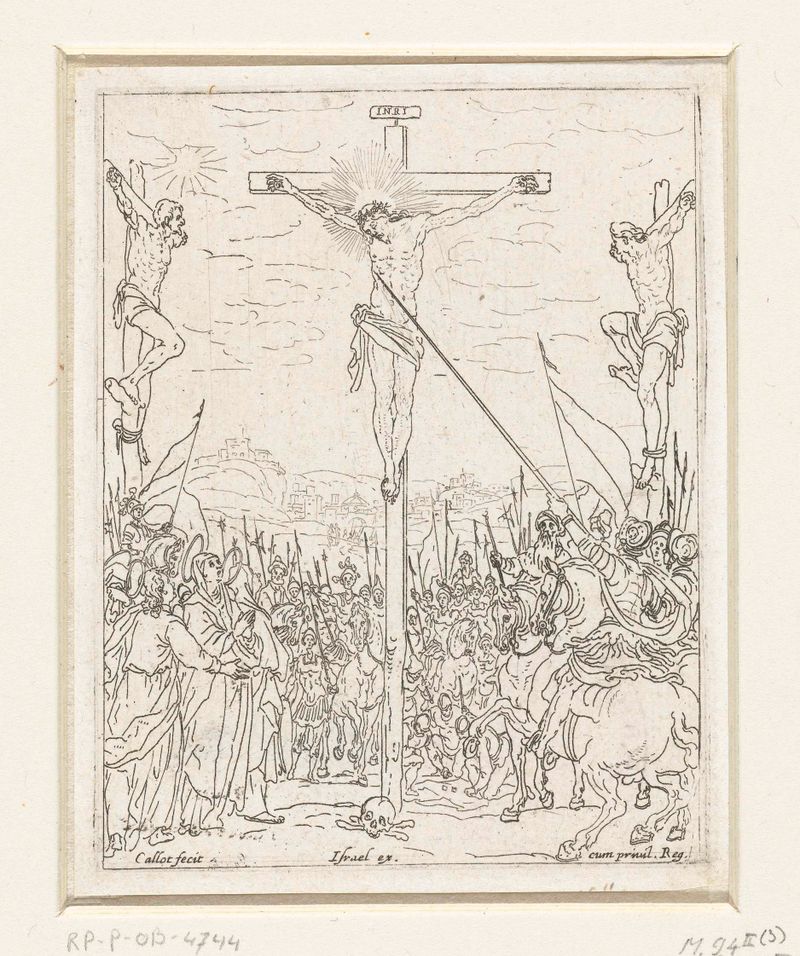
Kruisiging
Jacques Callot

De doortocht door de Rode Zee
Jacques Callot

De verloren zoon als zwijnenhoeder
Jacques Callot

Annunciatie
Jacques Callot
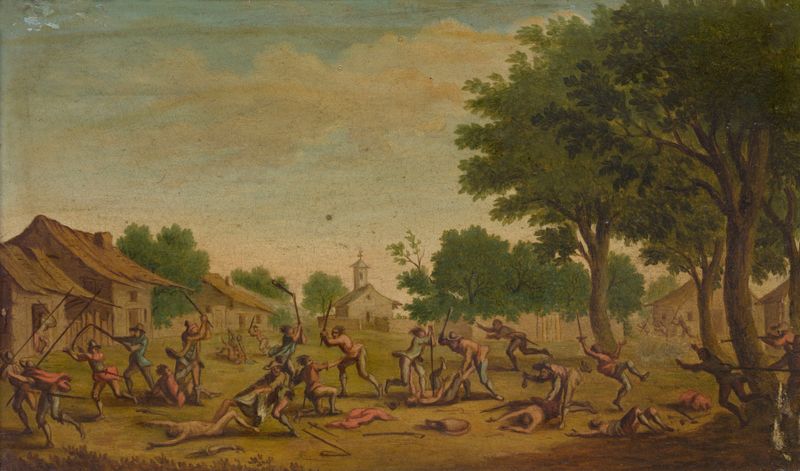
Village Fight
Jacques Callot

Titelprent voor prentreeks 'Het leven van Maria'
Jacques Callot
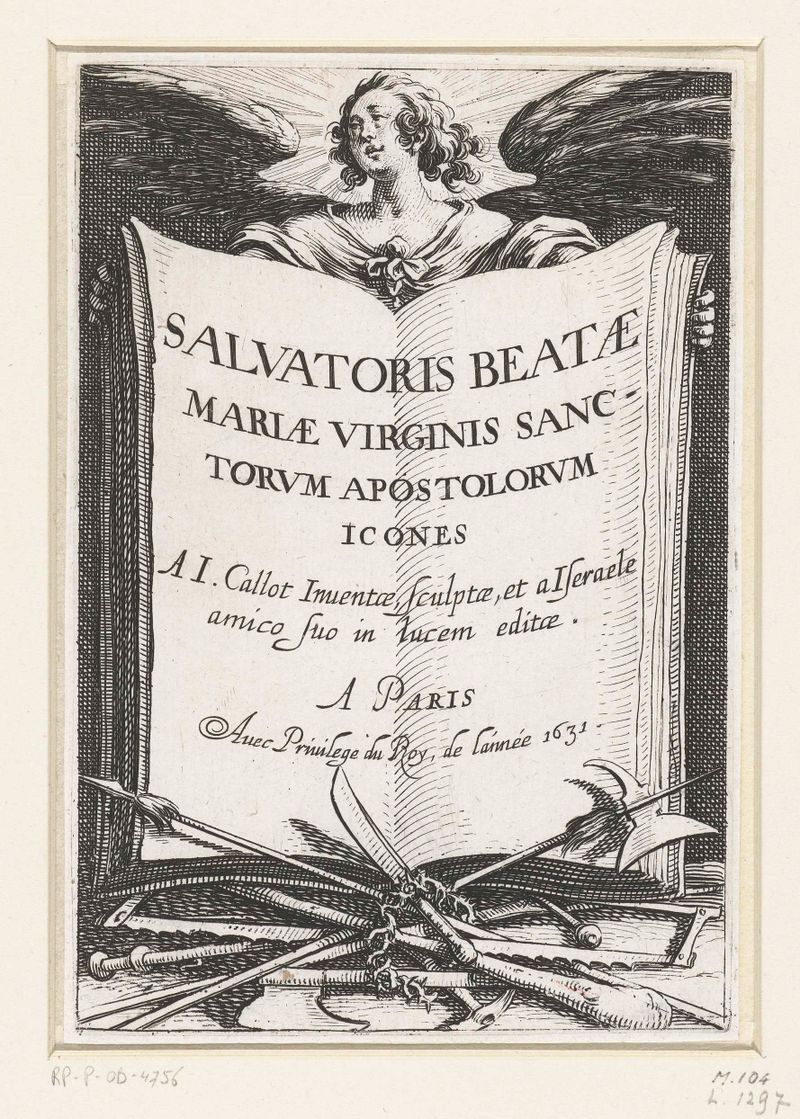
Titelprent voor de prentreeks 'De grote apostelen' (Christus, Maria en de apostelen)
Jacques Callot

Christus aan het volk getoond (Ecce homo)
Jacques Callot
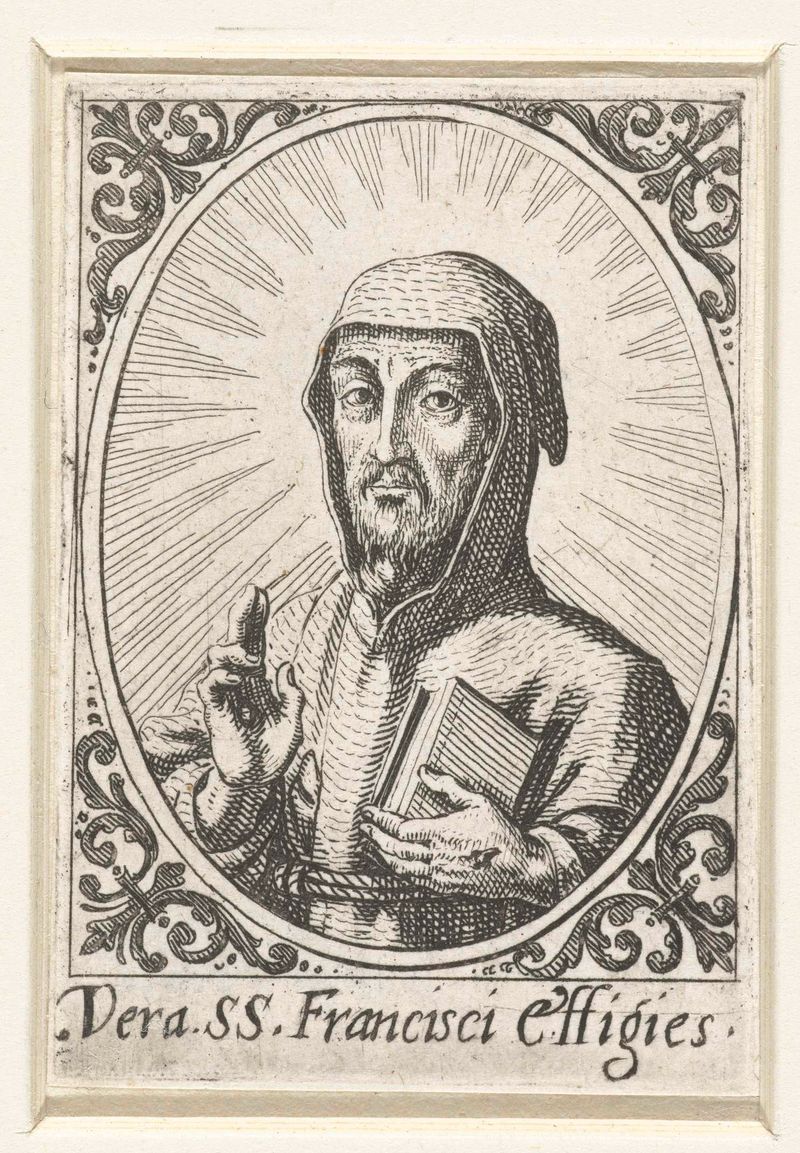
Portret van de Heilige Franciscus
Jacques Callot





