
Giovanni Bellini - Padre Eterno (2) - Musei Civici Pesaro — History & Facts
Few images of God the Father from the Italian Renaissance are as rare and debated as Padre Eterno (2) by Giovanni Bellini. Painted in the final year of the artist’s life, this work belongs to a small group of depictions of the Eternal Father, a subject that was both theologically sensitive and artistically challenging in early 16th-century Venice. Scholars still discuss whether this painting was intended as a standalone devotional image or as part of a larger altarpiece, as its original context remains uncertain.
The painting’s attribution to Bellini is undisputed, yet its purpose and patron are lost to history, adding to its allure. At the heart of the composition, God the Father emerges from radiant clouds, his right hand raised in blessing and his left holding a globe, signifying dominion over the world. The long, flowing beard and solemn gaze evoke the biblical Creator at the very moment of benediction, a gesture that promises protection and order. The golden light that encircles his figure is not just a symbol of divinity, but also a painterly device that separates the sacred from the earthly realm.
Unlike Michelangelo’s dynamic God in the Sistine Chapel, Bellini’s vision is one of calm authority, rooted in the Venetian tradition of luminous color and gentle modeling. The painting’s journey is largely undocumented until its presence in the Musei Civici of Pesaro, where it remains today. It stands as one of the final works of Giovanni Bellini, who, even in his eighties, continued to innovate within the conventions of Venetian religious art. While the specifics of its commission and early history are unknown, the work’s refined technique and spiritual intensity mark it as a testament to Bellini’s enduring influence.
Today, visitors encounter it not as part of a grand altarpiece, but as a solitary vision of the divine, a fitting coda to the career of one of the Renaissance’s most revered painters.
More Artworks by Giovanni Bellini
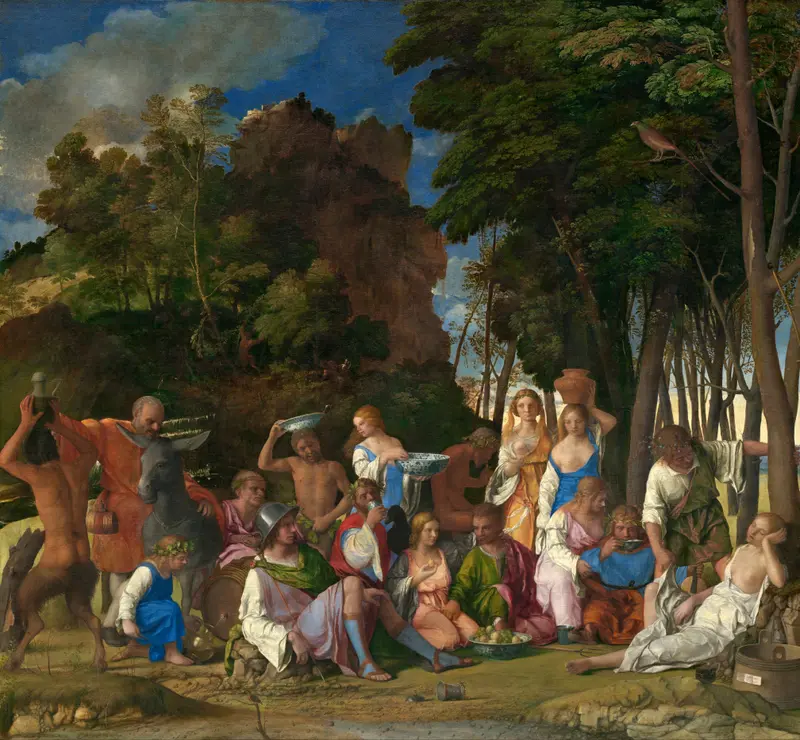
The Feast of the Gods
Giovanni Bellini

Madonna and Child enthroned with Saints and Angels
Giovanni Bellini
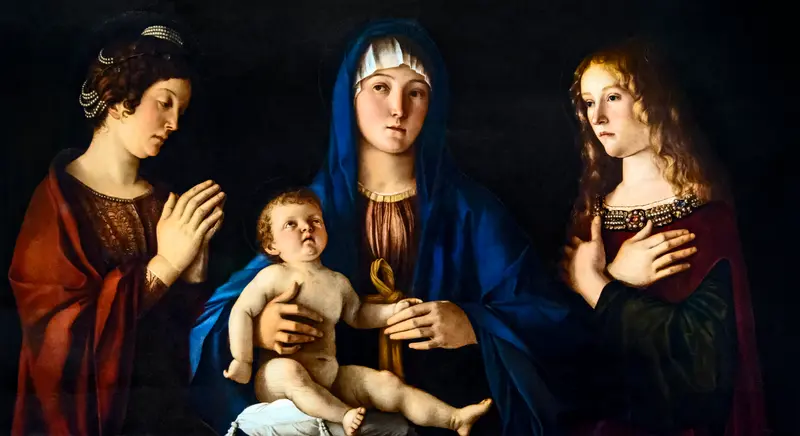
Madonna and Child between Saints Catherine and Mary Magdalene
Giovanni Bellini
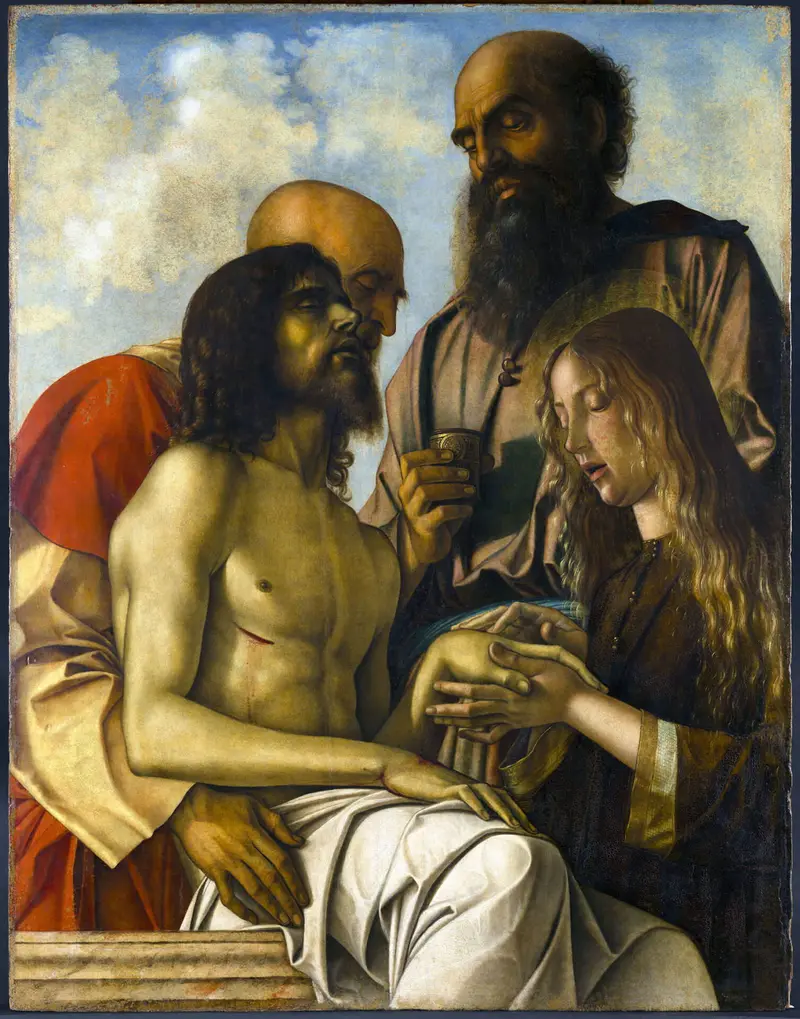
Lamentation over the Dead Christ
Giovanni Bellini
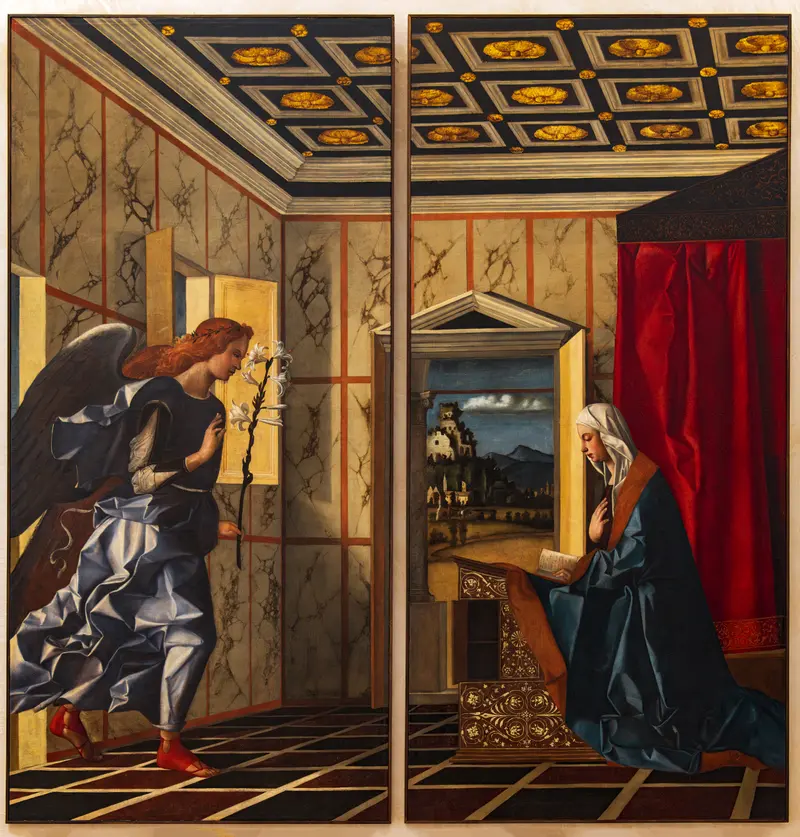
Annunciation
Giovanni Bellini
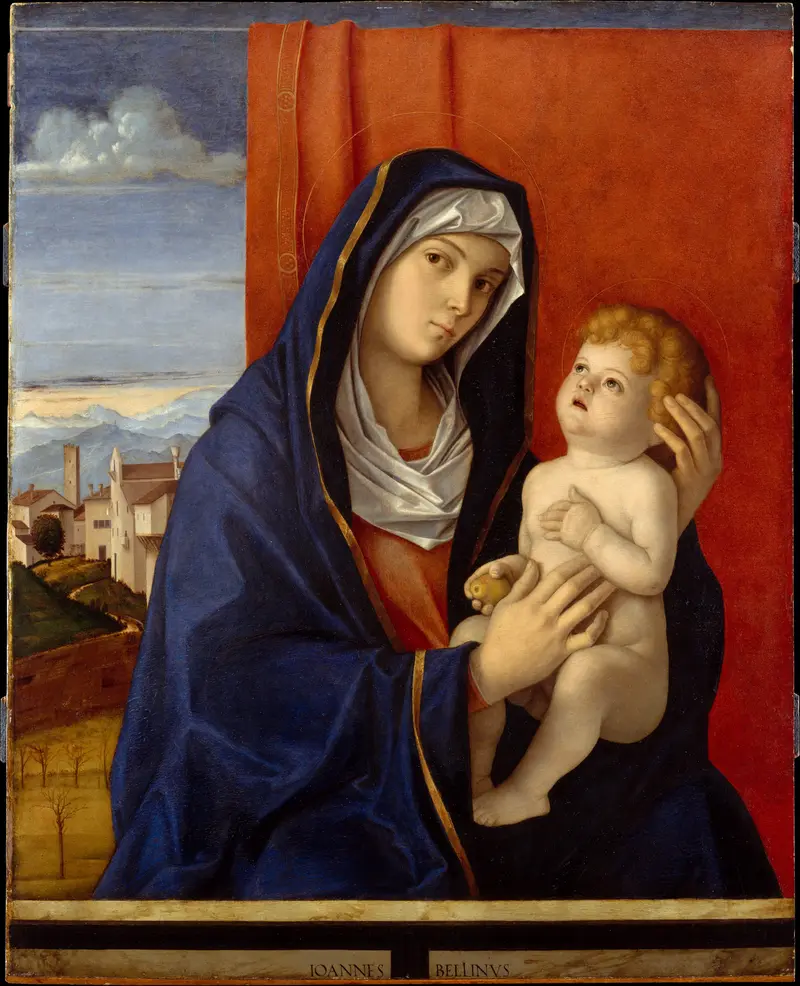
Madonna and Child
Giovanni Bellini
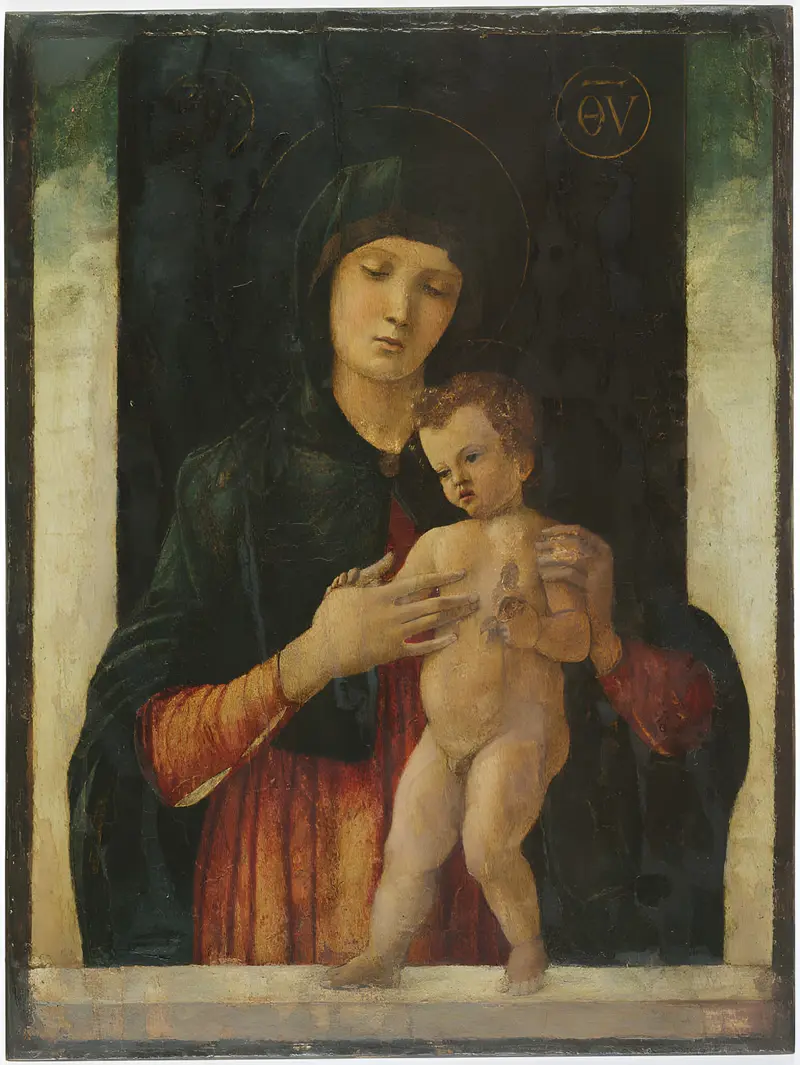
The Virgin and Child
Giovanni Bellini
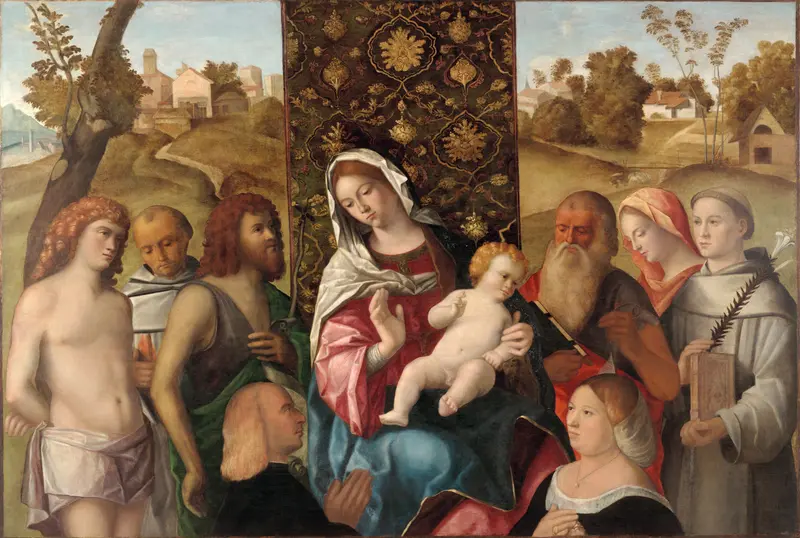
Virgin and Child with Saints Sebastian, Francis, John the Baptist, Jerome, an unidentified female saint, Saint Anthony of Padua and two donors
Giovanni Bellini
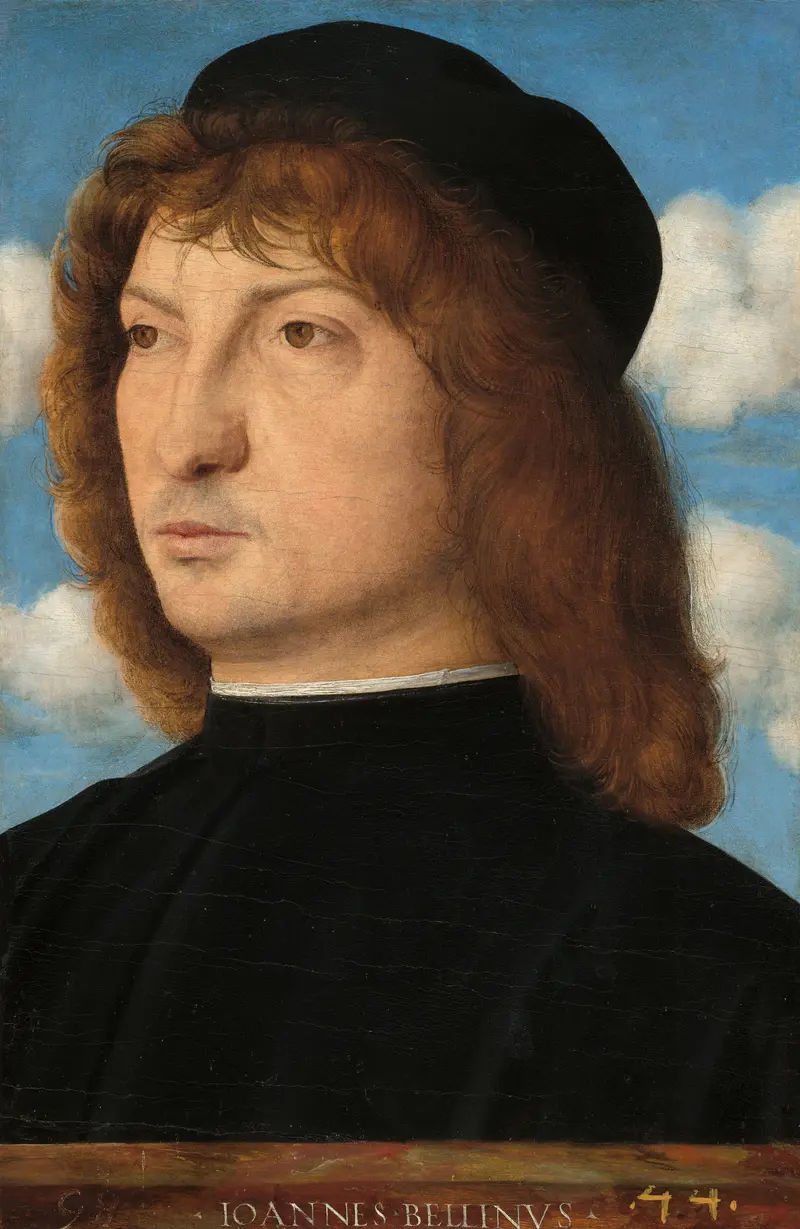
Portrait of a Venetian Gentleman
Giovanni Bellini
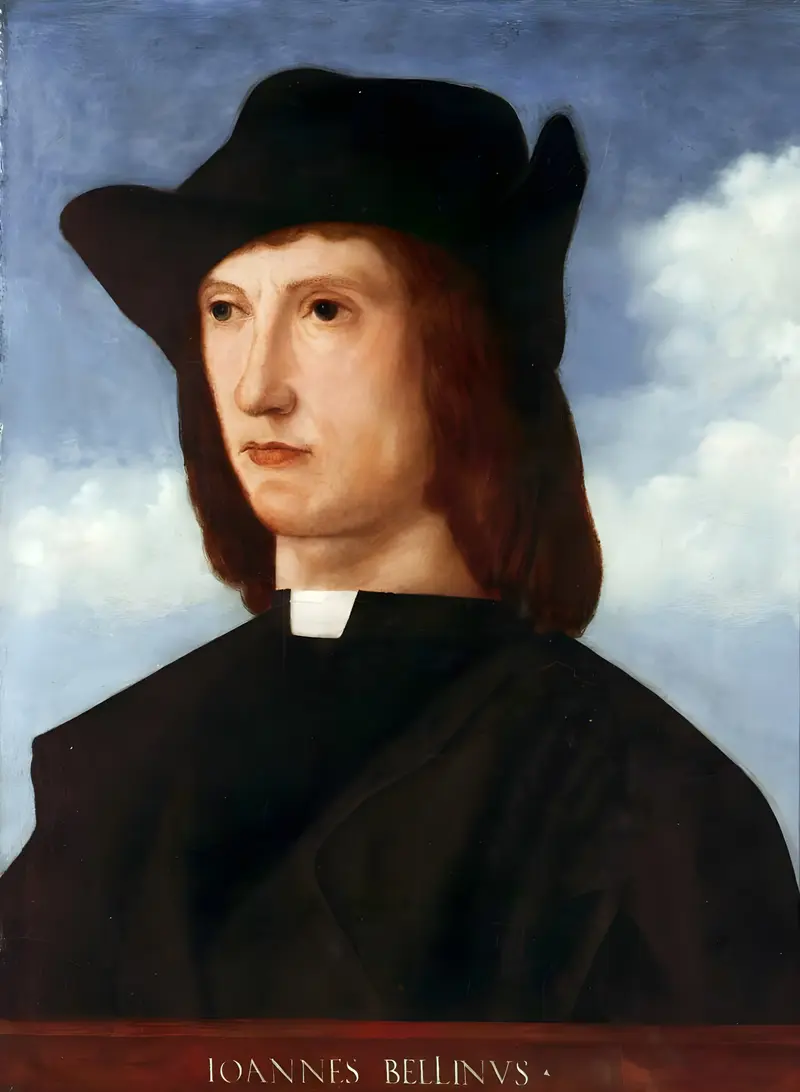
Portrait of a Young Man
Giovanni Bellini





