
Glasgow Cathedral — History & Facts
Did the painter know this moment would outlive them? In the shadow of towering spires and weathered stone, a world of faith stands timeless, echoing whispers of devotion through the ages. Focus on the cathedral's grand silhouette, where intricate gothic architecture reaches skyward, bathed in the soft, golden light of dawn. Notice how the delicate interplay of light and shadow reveals the texture of the ancient stones, each façade telling a story of perseverance against time. The palette of cool blues and warm ochres envelops the scene, inviting exploration of both the physical structure and the spiritual essence it embodies. As you absorb the scene, consider the contrast between the solid permanence of the cathedral and the fleeting nature of the figures depicted below—small yet significant, they bridge the gap between the divine and the mortal.
Each gesture, every hint of movement, carries an unspoken connection to the faith that inspires the towering edifice. In this delicate balance lies a profound reflection on the human experience; an exploration of how the sacred can evoke both reverence and yearning. In the years 1794 to 1795, Girtin was in the throes of a burgeoning career, influenced by the Romantic movement and the emerging trend of capturing the sublime in landscape painting. At this time, he was exploring the intersection of realism and emotion, a pursuit that would eventually lead to his recognition as a master of watercolor.
The period was marked by great changes in Britain, and Girtin’s works would contribute significantly to the evolving narrative of art, emphasizing both the beauty of nature and the power of faith.
More Artworks by Thomas Girtin
Browse all →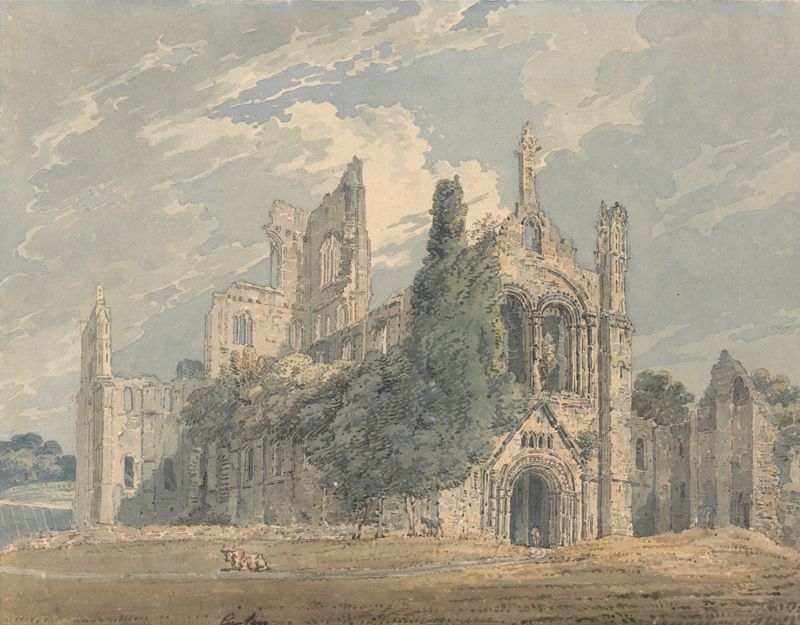
Kirkstall Abbey from the N.W.
Thomas Girtin
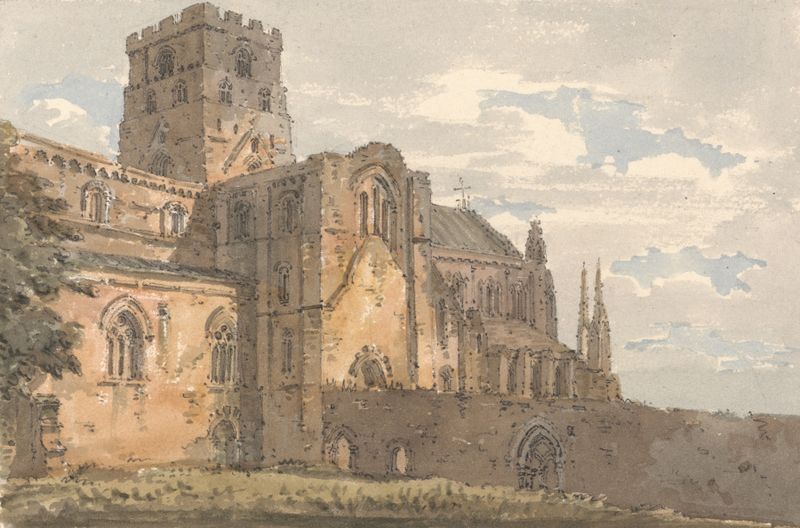
Carlisle Cathedral, Cumberland, from the South-west
Thomas Girtin
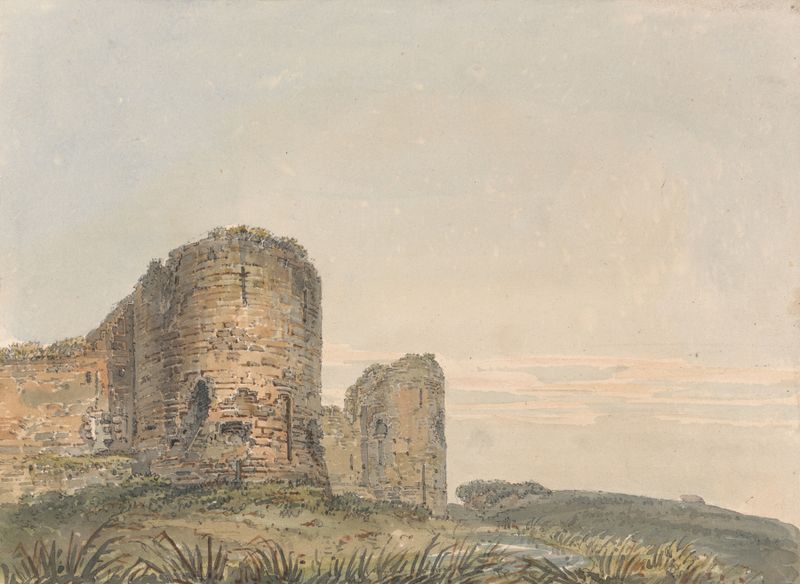
Pevensey Castle, Sussex
Thomas Girtin
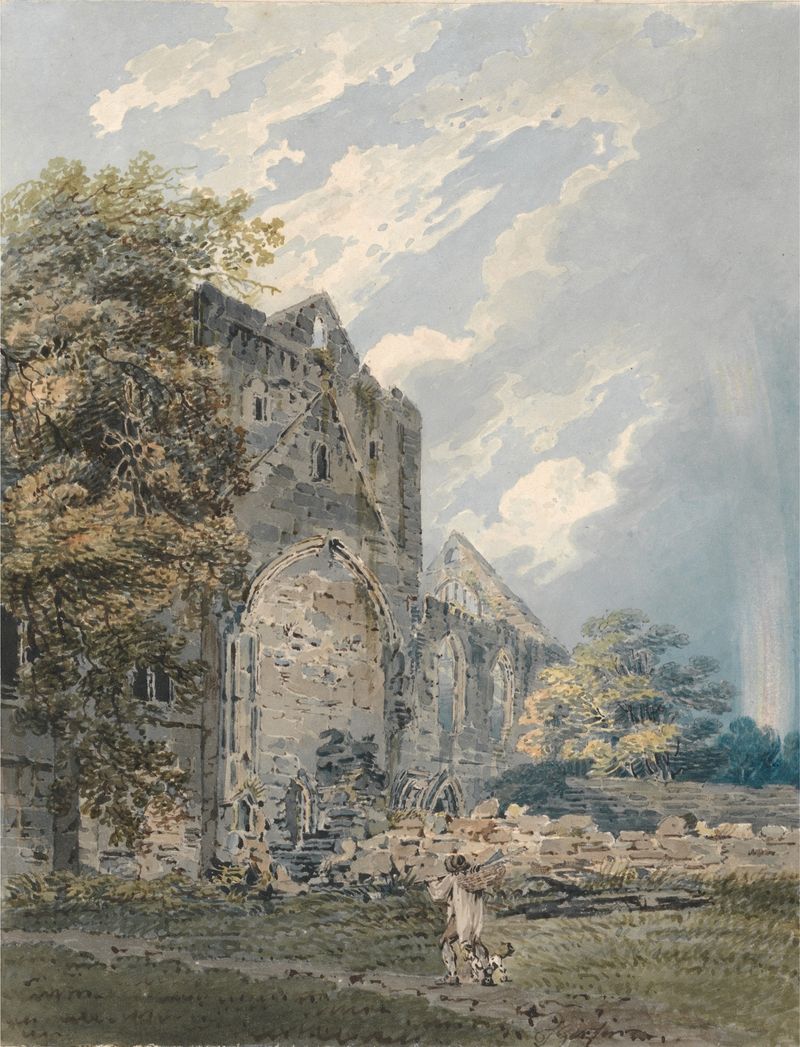
Pluscardine Abbey, Elgin
Thomas Girtin
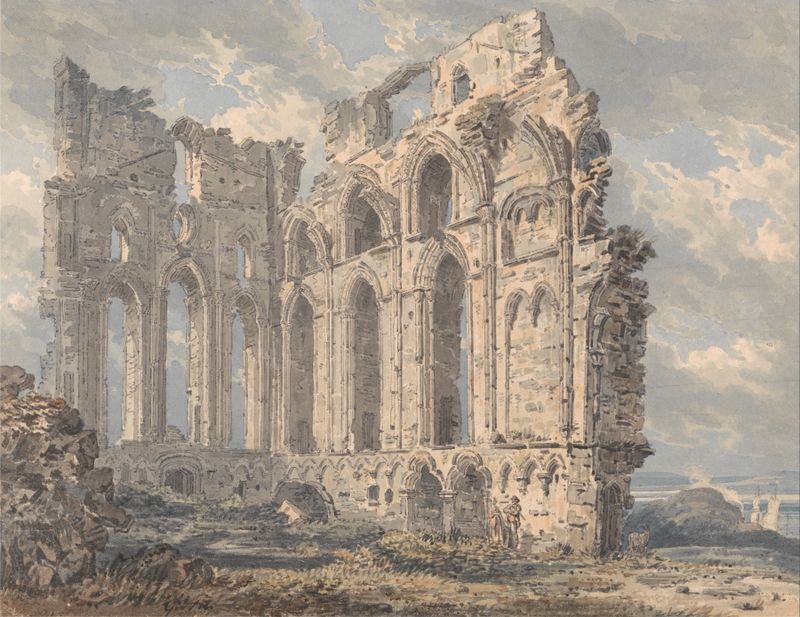
Tynemouth Priory, Northumberland
Thomas Girtin
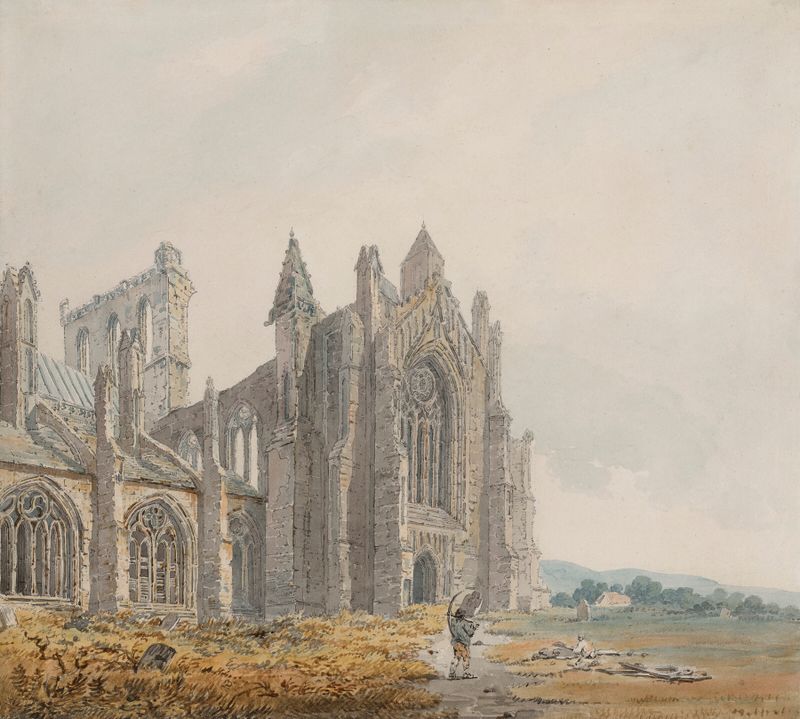
Melrose Abbey, Scotland
Thomas Girtin
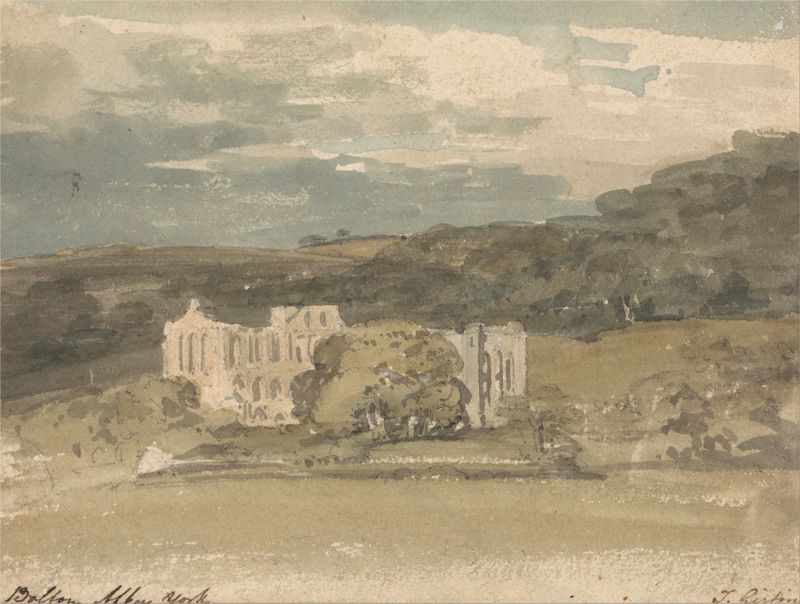
Rievaulx Abbey, Yorkshire
Thomas Girtin
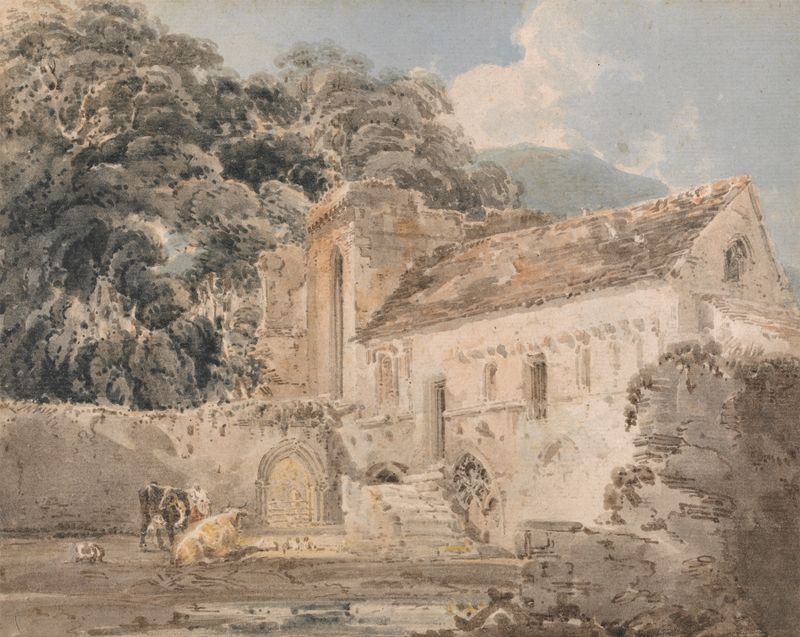
Valle Crucis Abbey, Denbighshire
Thomas Girtin
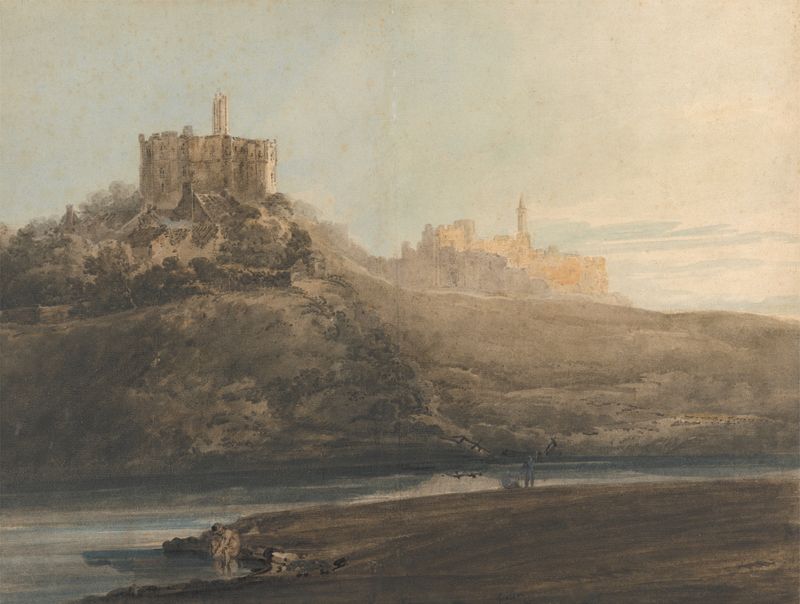
Warkworth Castle, Northumberland
Thomas Girtin
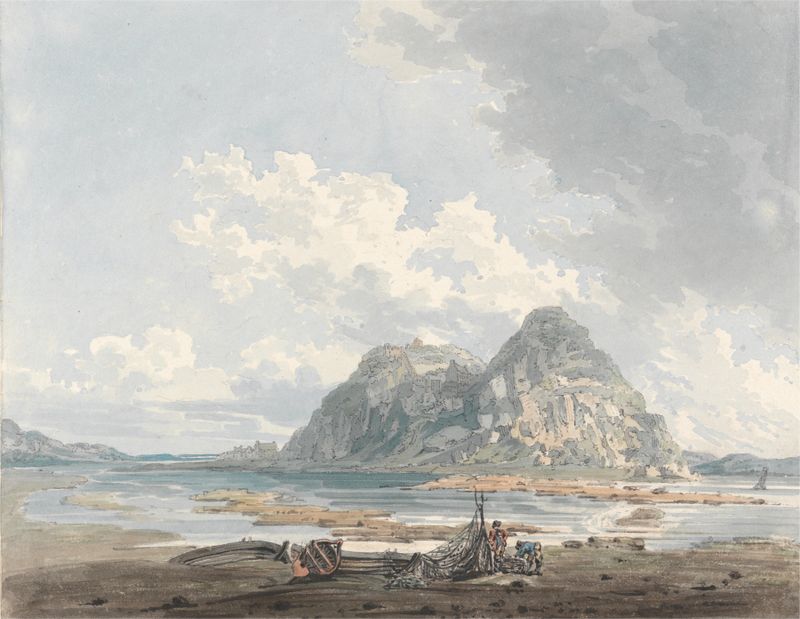
Dumbarton Rock and Castle
Thomas Girtin
More Architecture Art
Browse all →
The statue of Liberty
Frédéric Auguste Bartholdi

View of Houses in Delft, Known as ‘The Little Street’
Johannes Vermeer

View of Houses in Delft, Known as ‘The Little Street’
Johannes Vermeer

The Cathedral in Rouen. The portal, Grey Weather
Claude Monet

The yellow house
Vincent van Gogh

The Church in Auvers-sur-Oise, View from the Chevet
Vincent van Gogh