
Glen Massan — History & Facts
No one is certain why Gustave Doré, best known as the virtuoso illustrator of Divine Comedy and Don Quixote, turned his hand to the Scottish Highlands in Glen Massan. The work’s date and medium remain undocumented, and its origins are shrouded in as much mist as the glen itself. What is clear is that Doré’s vision of Scotland captured the imagination of his contemporaries, who were swept up in the Victorian fascination with the wild and romantic north.
The painting stands as a rare example of Doré’s landscape work, a genre he explored only occasionally, making it a curiosity among his vast output of literary and religious scenes. In Glen Massan, Doré fixes our gaze on a moment of solitary grandeur: a narrow valley, hemmed by steep, brooding hills, with a river threading its silver way through the heart of the scene. A lone figure—perhaps a shepherd or wanderer—stands dwarfed by the scale of nature, emphasizing the human presence as both fragile and persistent. The dramatic contrasts of light and shadow, a hallmark of Doré’s engravings, are here translated into atmospheric effects: clouds part to illuminate patches of heather and stone, while distant peaks dissolve into haze.
Compared to J.M.W. Turner’s Scottish landscapes, which revel in color and movement, Doré’s approach is more graphic and theatrical, using composition and chiaroscuro to heighten the sense of awe and isolation. The painting’s physical journey is as elusive as its origins. No records survive of a patron or exhibition, and it is not listed in the major catalogues of Doré’s work.
Some scholars speculate that it may have been intended as an illustration or study for a larger project, perhaps inspired by the wave of interest in Scottish themes following Queen Victoria’s visits to Balmoral. Today, Glen Massan is chiefly known through reproductions and references in studies of Doré’s lesser-known paintings, its whereabouts uncertain. It remains a testament to the artist’s restless curiosity and his ability to find drama not only in epic tales, but in the silent sweep of a Highland valley.
More Artworks by Gustave Doré

The Deluge
Gustave Doré
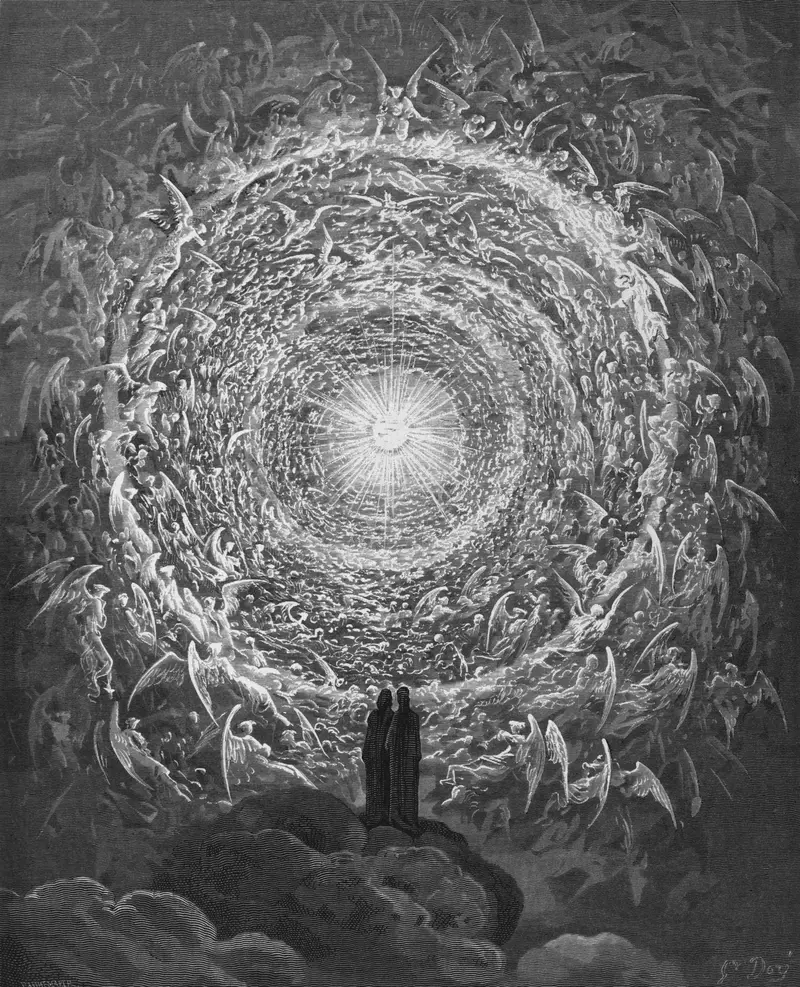
The Empyrean (Paradiso, Canto 31)
Gustave Doré
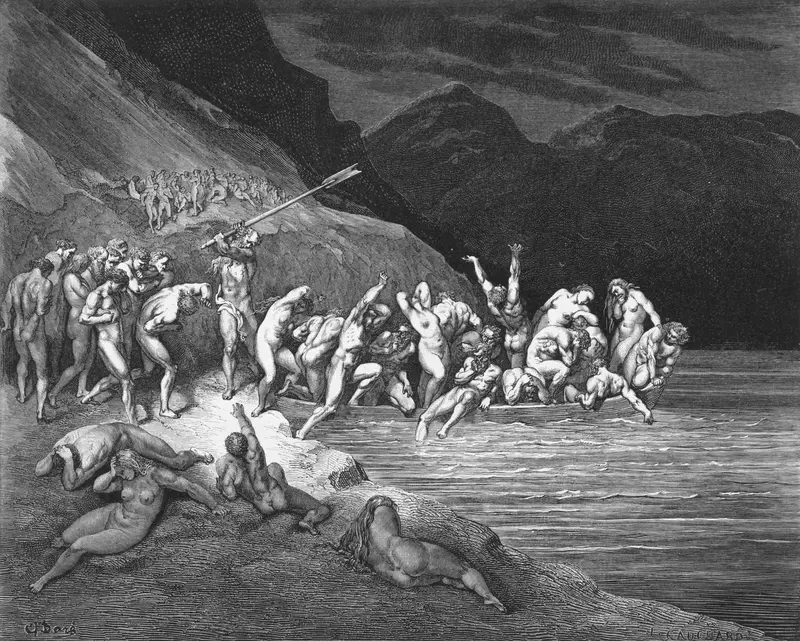
Charon (Inferno, Canto 3)
Gustave Doré
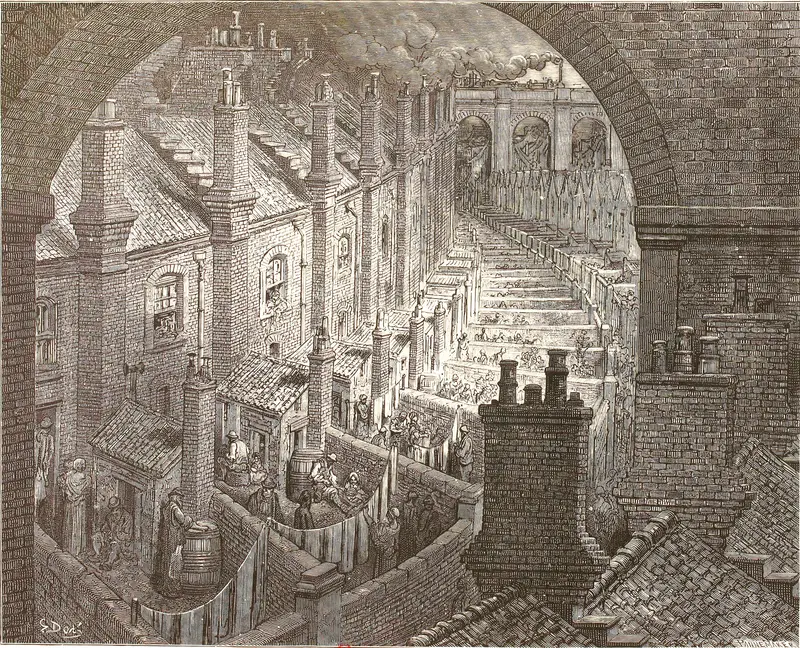
Over London by Rail
Gustave Doré
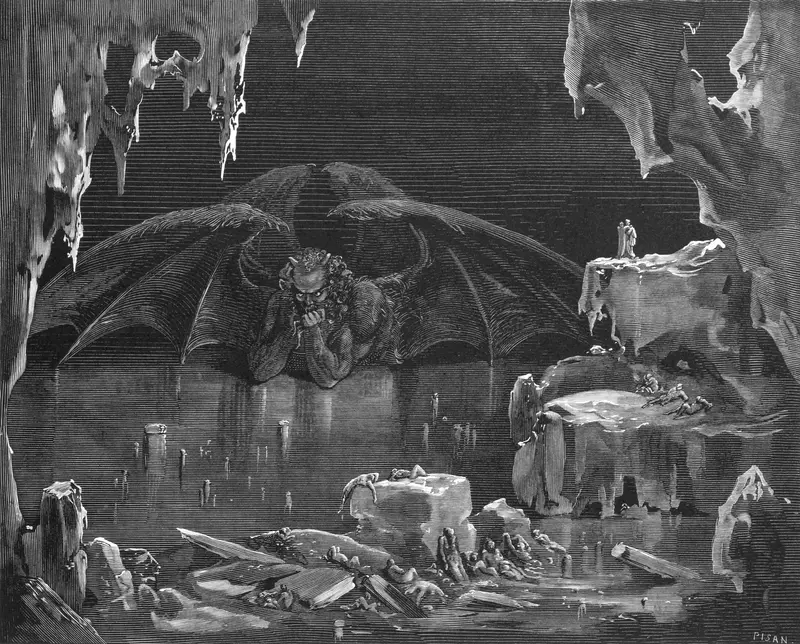
Lucifer, King of Hell
Gustave Doré
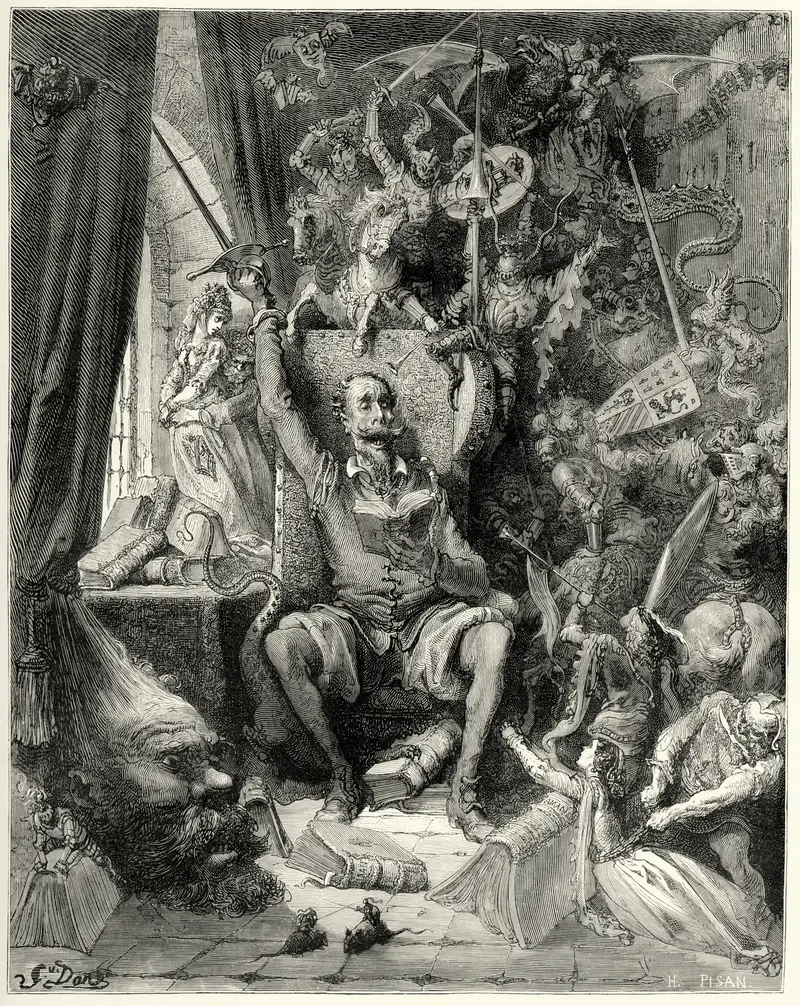
Don Quixote in His Library
Gustave Doré
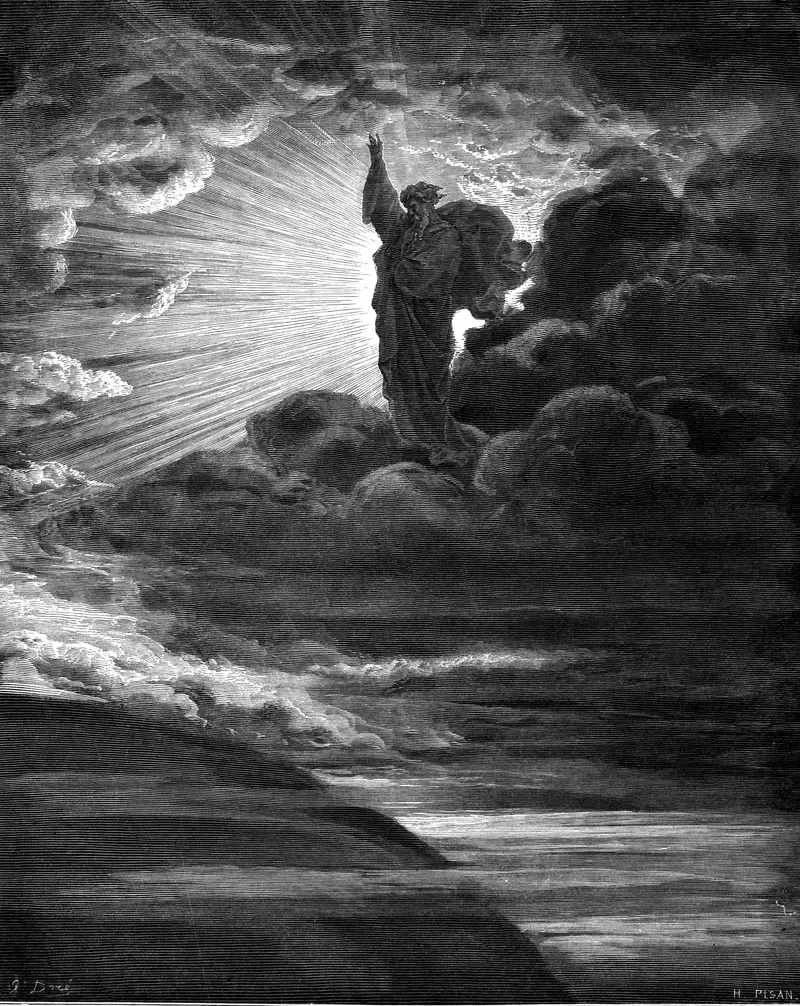
The Creation of Light
Gustave Doré
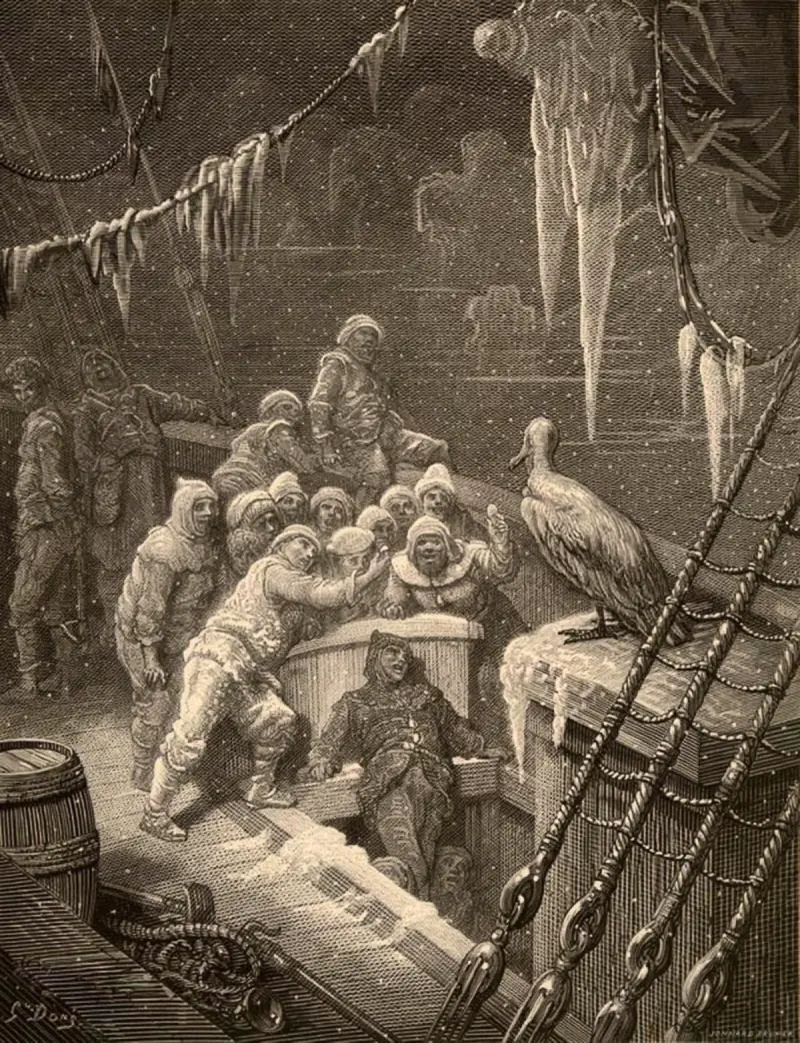
The Albatross (The Rime of the Ancient Mariner)
Gustave Doré
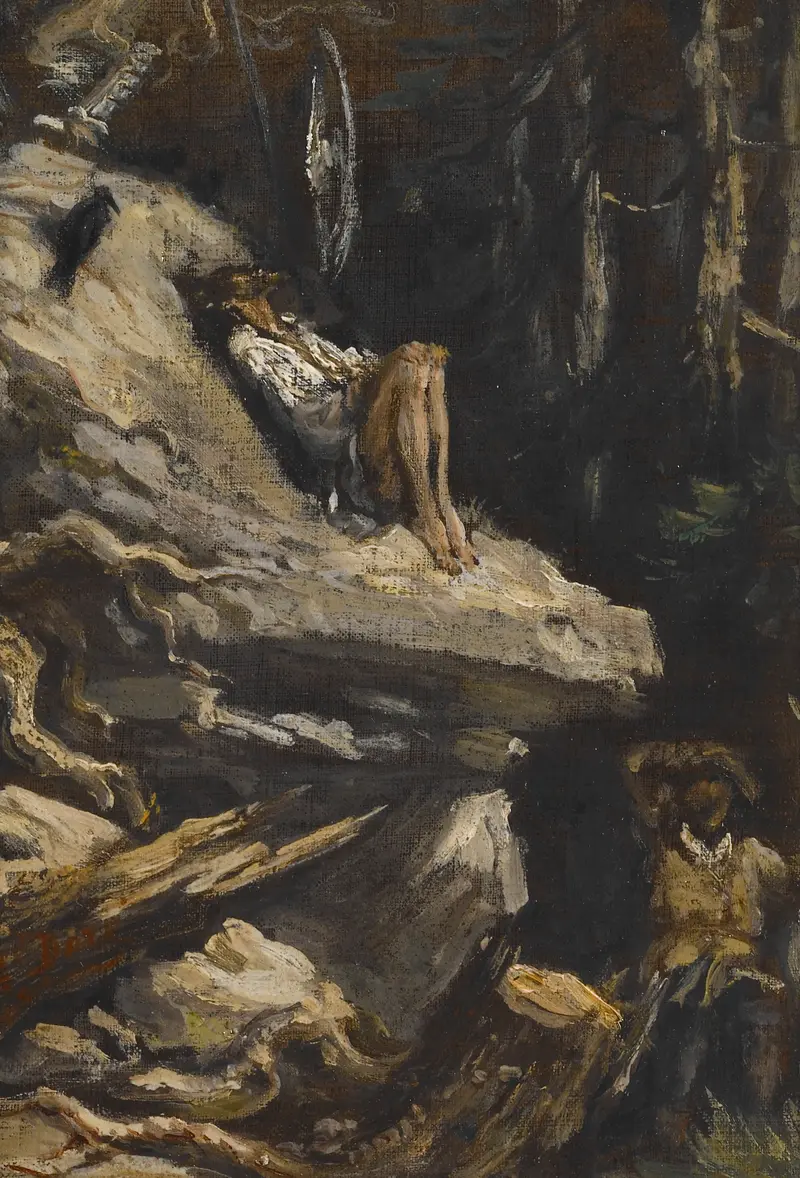
"'Alas!' answered Sancho, 'I found him in his shirt, lean, pale, and almost starved, sighing for his Lady Dulcinea'" from Don Quixote
Gustave Doré
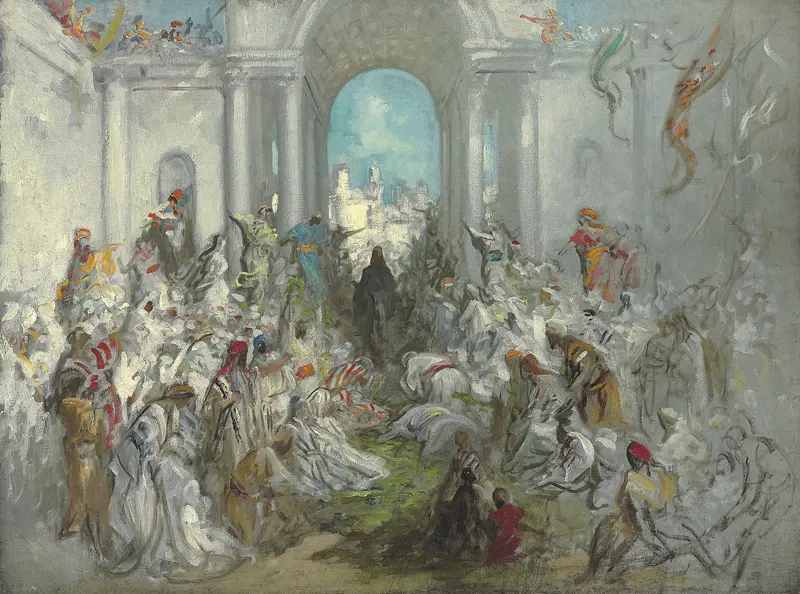
Christ's Entry into Jerusalem
Gustave Doré
More Landscape Art

The Starry Night
Vincent van Gogh

View of Delft
Johannes Vermeer

Water Lilies
Claude Monet

The Grand Canal, Venice, looking north-west from the Ca' Corner to the Ca' Contarini degli Scrigni, with the campanile of Santa Maria della Carità
Canaletto

Windsor Castle
Canaletto

The Grand Canal looking North-East from the Palazzo Dolfin-Manin to the Rialto Bridge
Canaletto