
Glenns Falls — History & Facts
In Glenns Falls, movement is not just an illusion; it’s the very essence of life captured on canvas. The rush of water, the sway of trees, and the flutter of shadows all weave together to create a symphony of nature's dynamic beauty. Look to the bottom left where the cascading water spills over the rocks, foamy white against the rough, dark surfaces. Notice how Hill skillfully orchestrates the movement with sweeping strokes that echo the flow of the falls.
The vibrant greens of the foliage contrast against the grays and blues of the water, creating a harmonious balance that draws the eye through the scene. The use of light, filtering through the trees, adds an ethereal quality, illuminating splashes of color and enhancing the sense of depth and motion in the landscape. Amidst the turmoil of the flowing water lies a tranquil beauty, suggesting the paradox of nature's fierce power and its serene moments. The interplay between the turbulent falls and the stillness of the surrounding trees reflects the tension of life itself—every element in constant flux, yet somehow unified.
The painting invites contemplation on the timeless dance between chaos and order, urging the viewer to find peace amid the turbulence. Created between 1821 and 1822, this work emerged during a period when the American landscape was beginning to be celebrated in art. John Hill was influenced by the Romantic movement, which sought to convey emotion and the sublime beauty of nature. As the Hudson River School began to gain recognition, artists like Hill were exploring the transformative power of the natural world, capturing the essence of the American landscape in works that spoke to the spirit of their time.
More Artworks by John Hill
Browse all →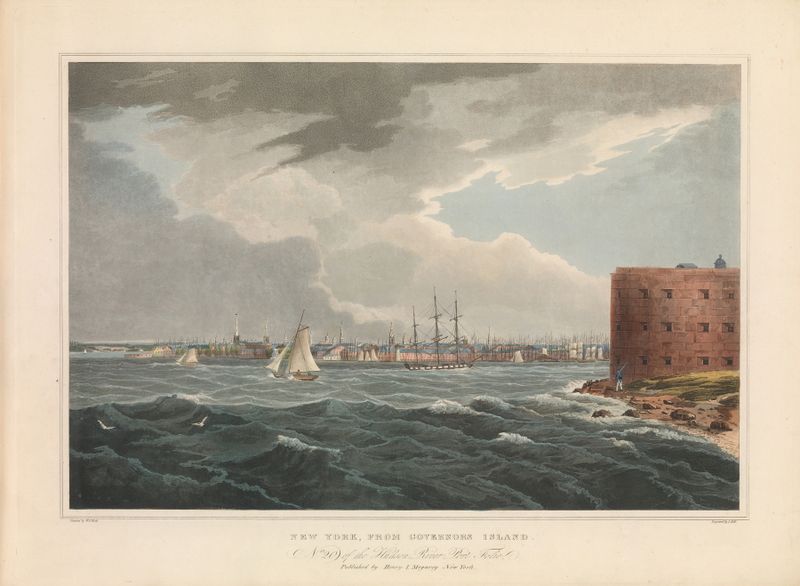
New York from Governor’s Island
John Hill

West Point
John Hill
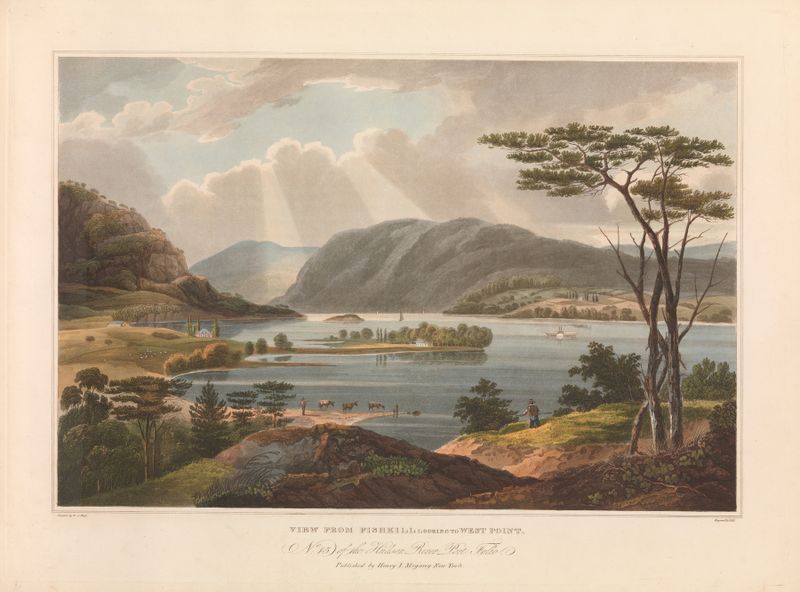
View from Fishkill Looking To West-Point
John Hill

View Near Hudson
John Hill
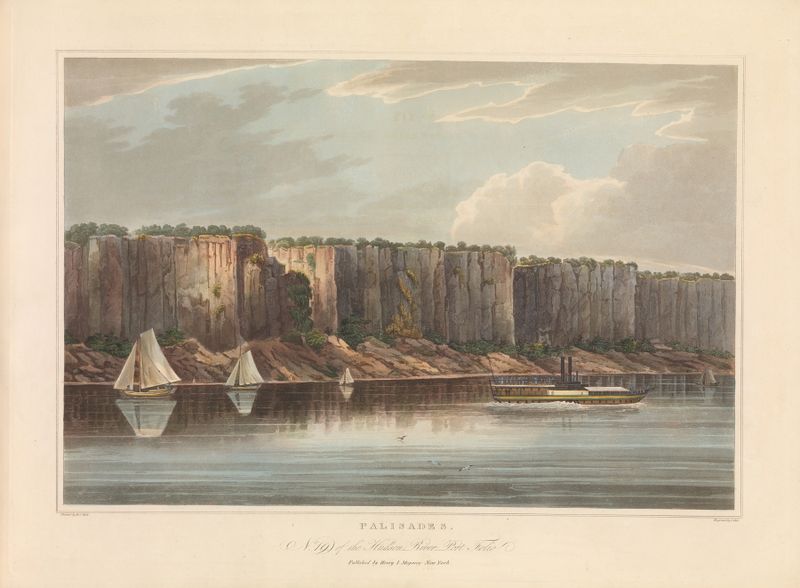
The Palisades
John Hill
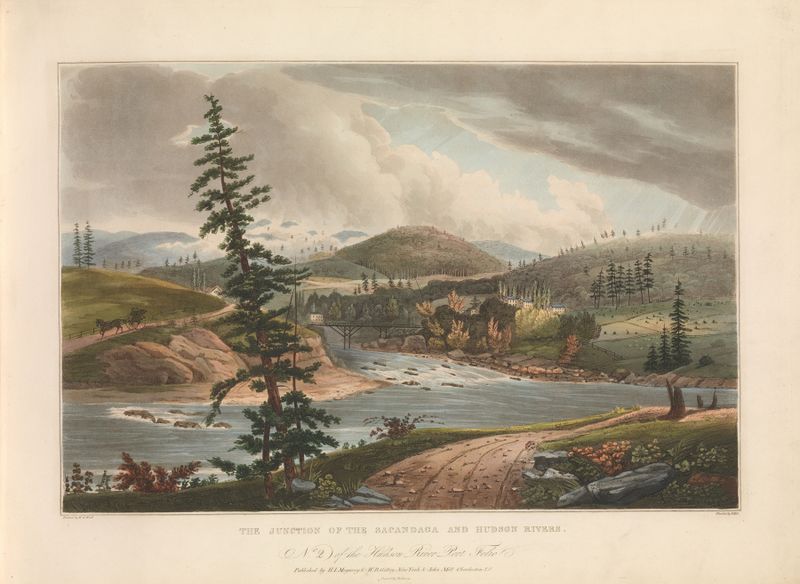
Junction of the Sacandaga and Hudson Rivers
John Hill
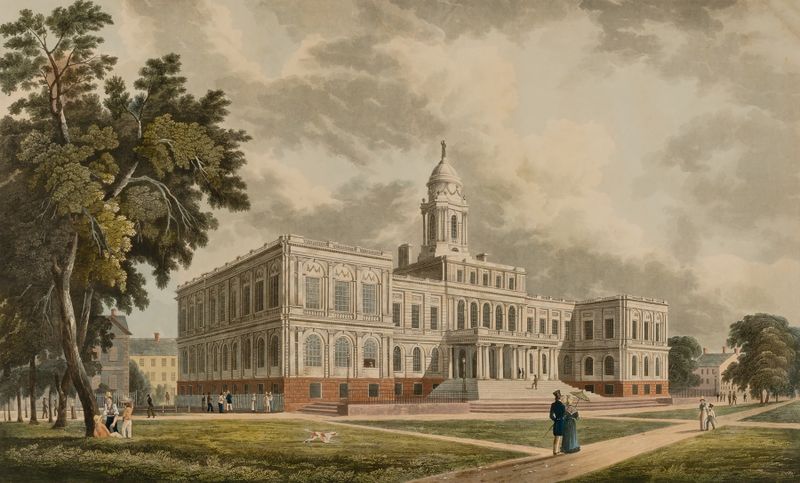
City Hall
John Hill

North-West Front, Cassiobury
John Hill

His Majesty’s Frigate ‘Endymion’
John Hill
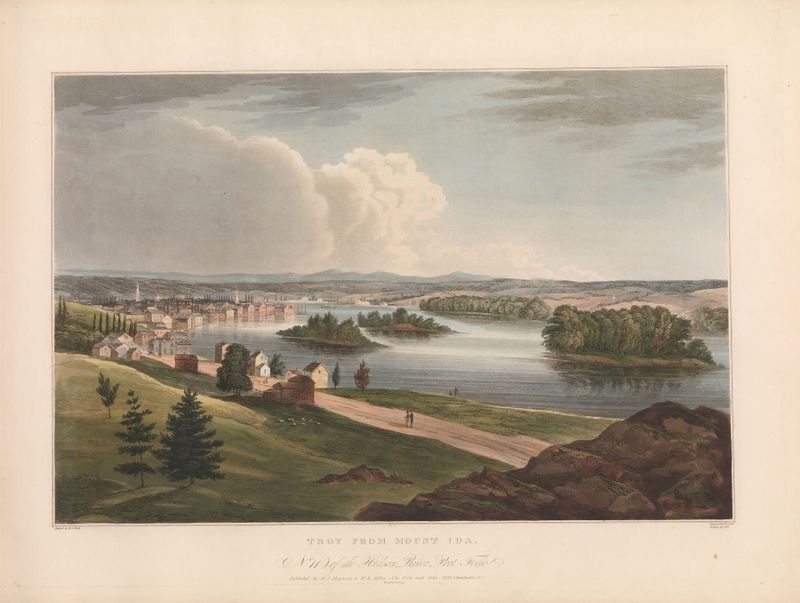
Troy from Mount Ida
John Hill





