
Troy from Mount Ida — History & Facts
Could beauty survive in a century of chaos? The landscape before us breathes with an ancient promise, where history and hope intertwine like threads of fate. Look to the horizon, where the sweeping view of Troy unfurls beneath a vast, cerulean sky. The artist employs a harmonious palette, blending soft greens and golds to paint the rolling hills that cradle this legendary city. Notice how the light dances across the water, capturing the shimmering essence of the river that whispers tales of heroes long past.
The composition invites the eye to roam freely, leading us along the gentle curves of the land and into the heart of a story echoing through time. Beneath the serene beauty lies a poignant tension between the idealization of the past and the shadows of impending turmoil. Each brushstroke suggests a world at a crossroads — a city once celebrated now resting under the weight of forgotten glory. The contrast between the tranquil landscape and the layered history evokes a sense of yearning, as if destiny lingers in the air, waiting to unveil its next chapter. In the early 1820s, the artist found himself deeply engaged with the Romantic movement, seeking to capture the sublime beauty of landscapes infused with emotional resonance.
Troy from Mount Ida was painted during a time of great upheaval in Europe, marked by revolutions and the struggle for national identity. Hill's brushwork reflects a fascination with the past while mirroring the uncertainty of his present, positioning the timeless city as a symbol of hope amidst the chaos of a changing world.
More Artworks by John Hill
Browse all →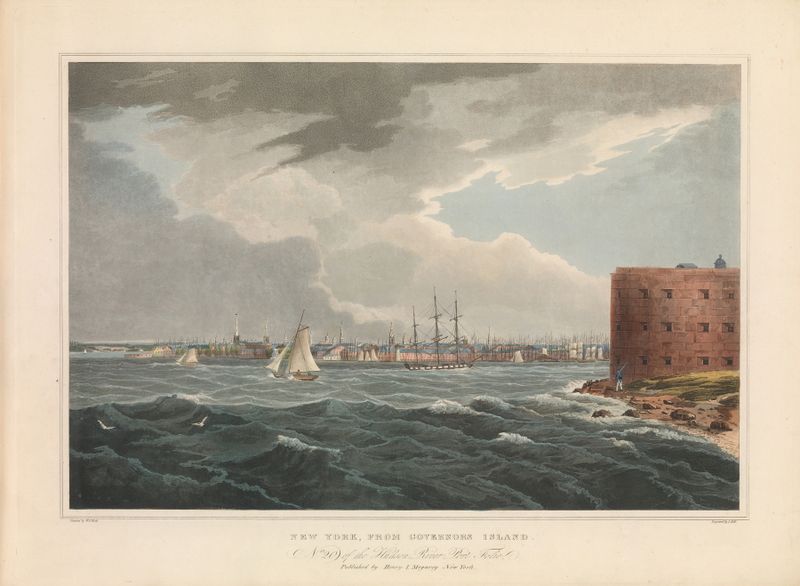
New York from Governor’s Island
John Hill

West Point
John Hill
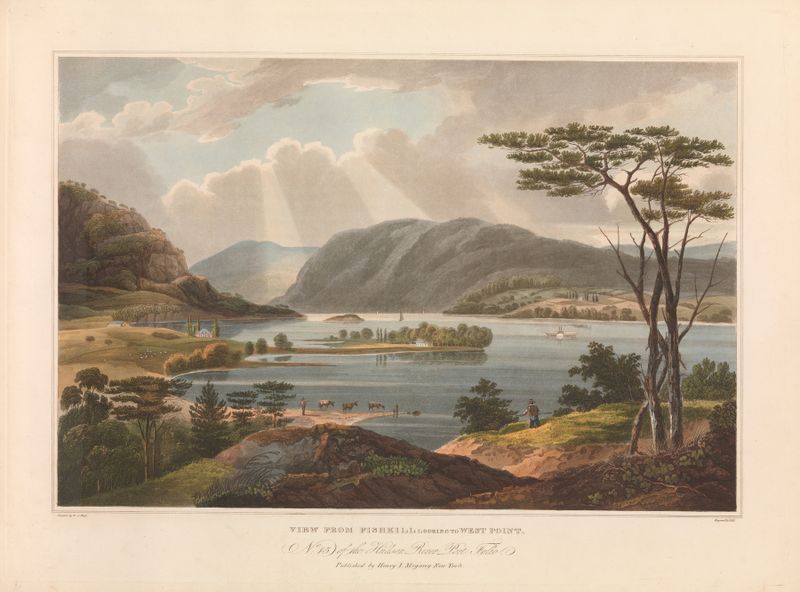
View from Fishkill Looking To West-Point
John Hill

View Near Hudson
John Hill
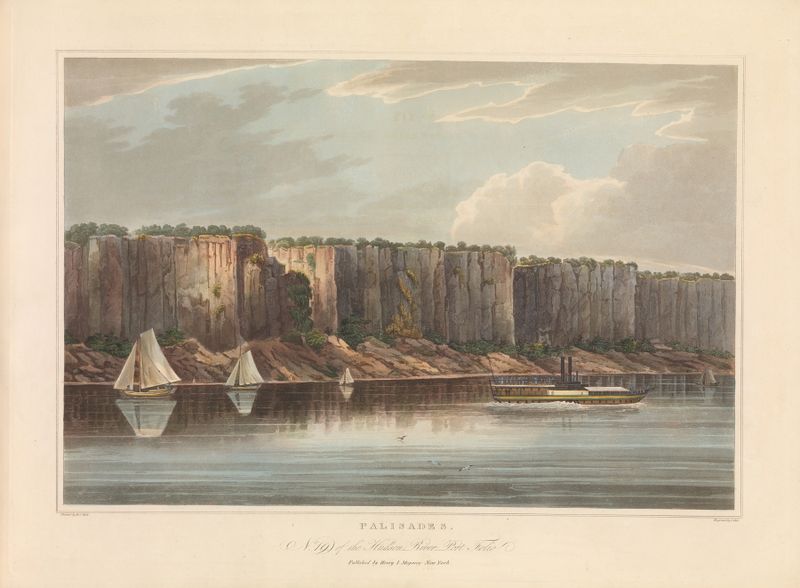
The Palisades
John Hill
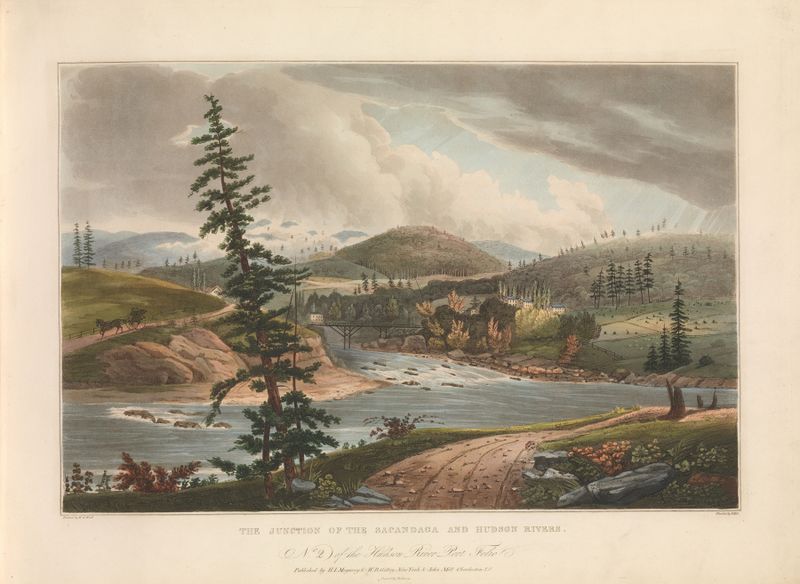
Junction of the Sacandaga and Hudson Rivers
John Hill
City Hall
John Hill

North-West Front, Cassiobury
John Hill

Glenns Falls
John Hill

His Majesty’s Frigate ‘Endymion’
John Hill





