
North-West Front, Cassiobury — History & Facts
In a world teetering between permanence and fragility, an artwork emerges that captures the delicate balance of existence. Look closely at the horizon where the intricate interplay of blues and greens melds into an expansive sky. The soft strokes of the trees and the gentle rise of the hills create a serene backdrop, inviting you to explore the tranquil landscape. Notice how the wisps of clouds drift, their ephemeral nature contrasting with the solidity of the earth beneath.
The play of light reveals hidden textures in the foliage, reminding us of both life’s beauty and its transience. Beneath the idyllic surface, the painting holds a deeper narrative. The juxtaposition of sturdy trees against the fleeting clouds speaks to the tension between permanence and impermanence. Each brushstroke suggests a longing to preserve moments that time inevitably erases, while the fleeting shadows evoke a sense of melancholy.
Here lies a meditation on fragility, where the peace of nature is a reminder of its vulnerability. In 1816, John Hill was immersed in the English landscape movement, capturing the essence of the natural world with meticulous detail. Painting North-West Front, Cassiobury during a time of artistic exploration, he sought to convey not just what was visible, but the emotions stirred by the passing seasons and the inexorable passage of time. His work reflects both personal and collective yearnings, resonating with viewers who sense the fragility of beauty in the changing world around them.
More Artworks by John Hill
Browse all →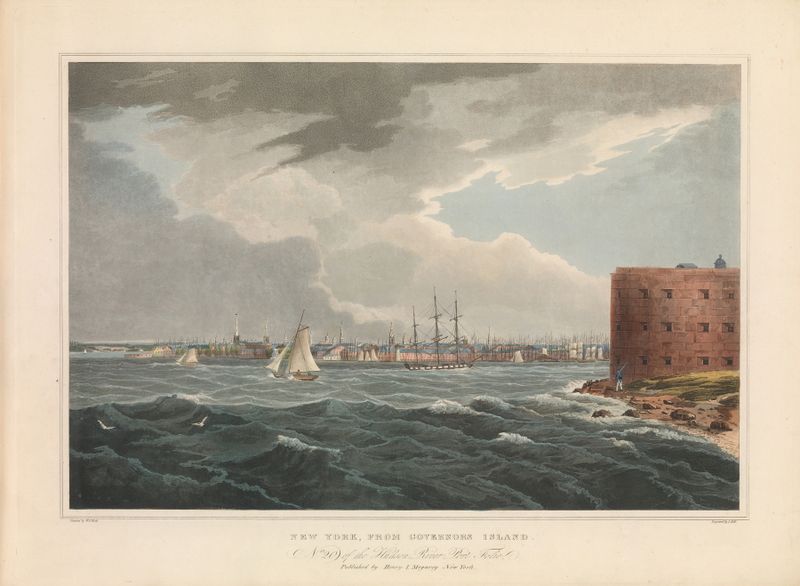
New York from Governor’s Island
John Hill

West Point
John Hill
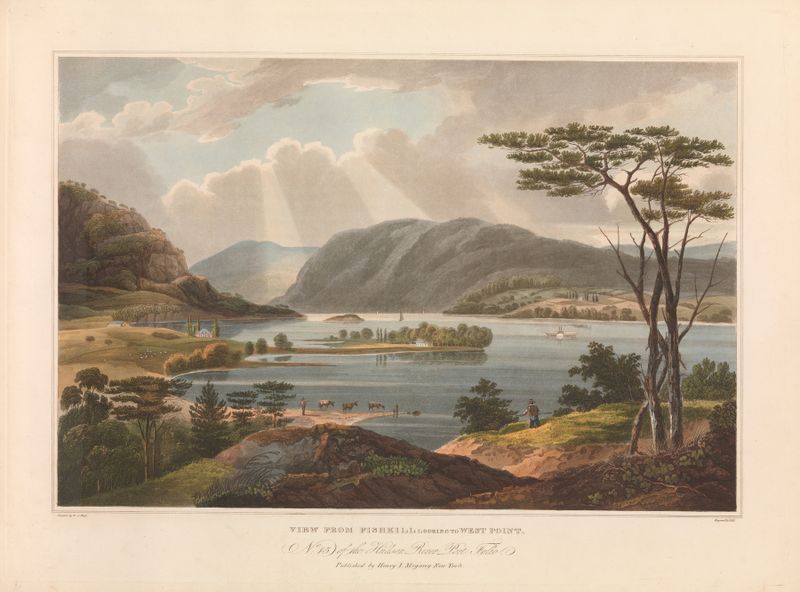
View from Fishkill Looking To West-Point
John Hill

View Near Hudson
John Hill
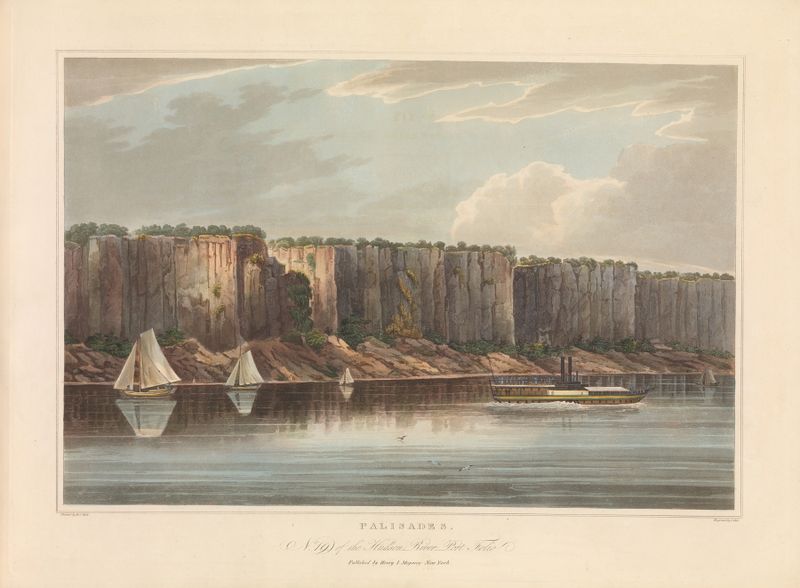
The Palisades
John Hill
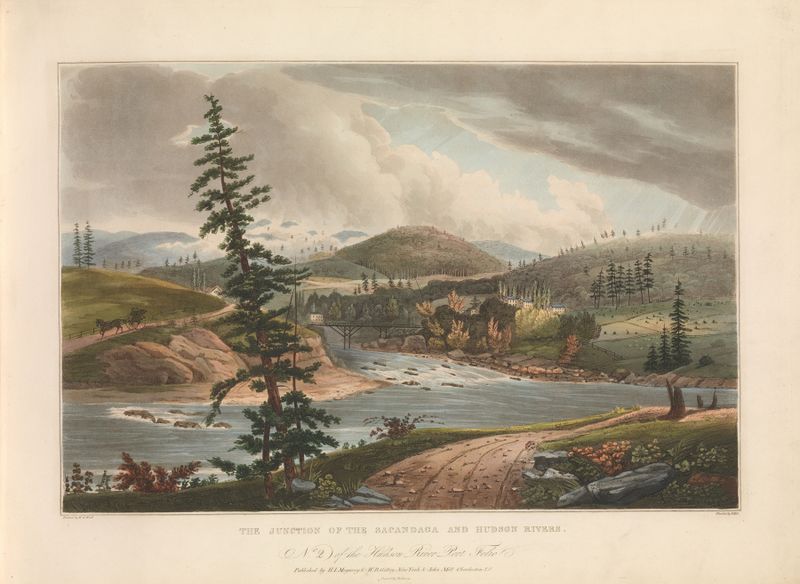
Junction of the Sacandaga and Hudson Rivers
John Hill
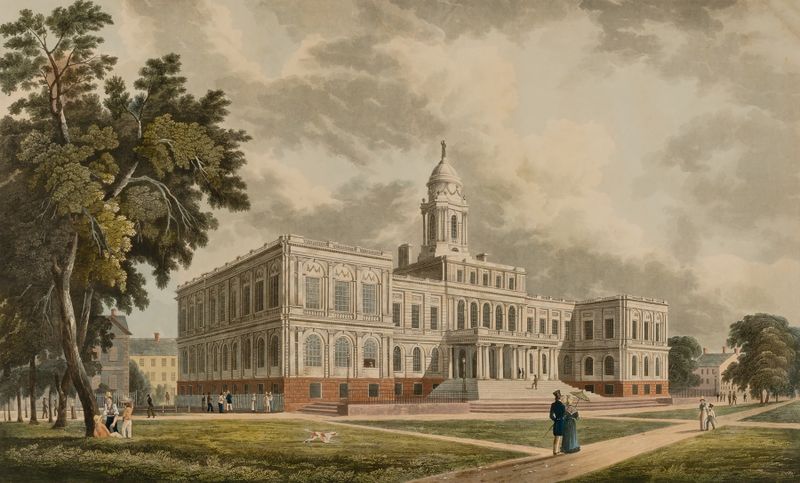
City Hall
John Hill

Glenns Falls
John Hill

His Majesty’s Frigate ‘Endymion’
John Hill
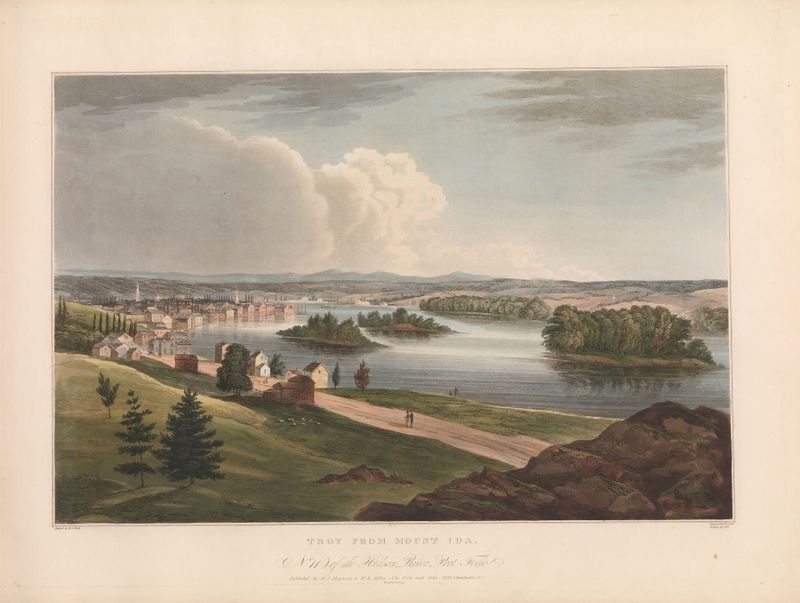
Troy from Mount Ida
John Hill





