
View from Fishkill Looking To West-Point — History & Facts
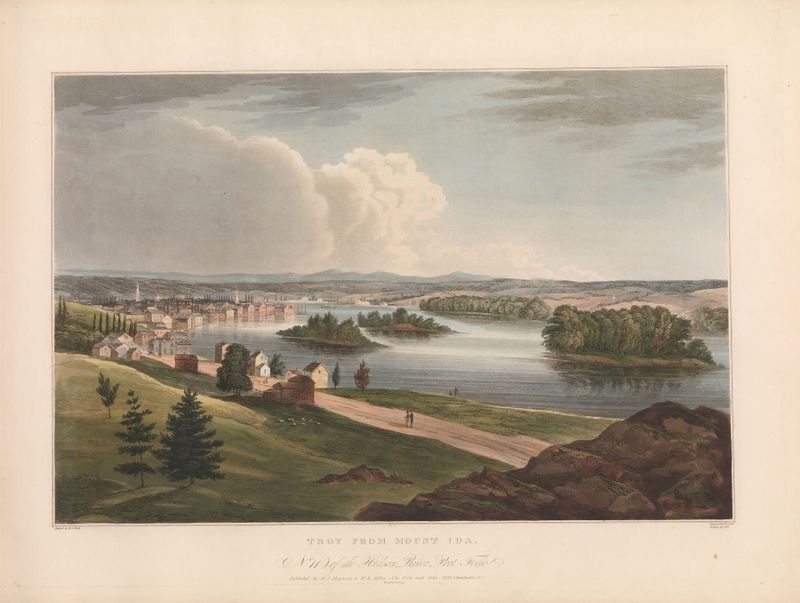
In the stillness of the landscape, a bittersweet solitude envelops the viewer, inviting reflection on the weight of absence and memory. Look to the foreground at Hill's delicate depiction of the rolling hills, where a soft gradient of greens and browns gives way to a tranquil river that winds gracefully through the frame. Notice how the light filters through the clouds, casting a gentle glow that illuminates the peaks of West Point in the distance, creating a harmonious balance between shadow and light. The composition, with its layered depth, draws the eye into a serene yet haunting experience of nature's vastness. Beneath the surface, a deeper narrative unfolds—grief and longing are palpable in the way the clouds gather, heavy with unspoken words.
The juxtaposition of the vibrant landscape against the still, reflective water suggests an underlying tension; life continues while memories linger like whispers in the air. The quiet beauty of the scene resonates with the ache of what is lost, transforming the view into a canvas of both solace and sorrow. During the years of 1821 to 1822, John Hill painted this piece amidst a burgeoning appreciation for American landscapes, reflecting a nation still defining its identity. Residing in New York, he was part of a movement that celebrated the natural beauty of the land, often tinged with personal and collective memories of the Revolutionary War.
This artwork embodies not only the evolving aesthetics of the time but also a profound sense of nostalgia, capturing a moment that transcends history.
More Artworks by John Hill
Browse all →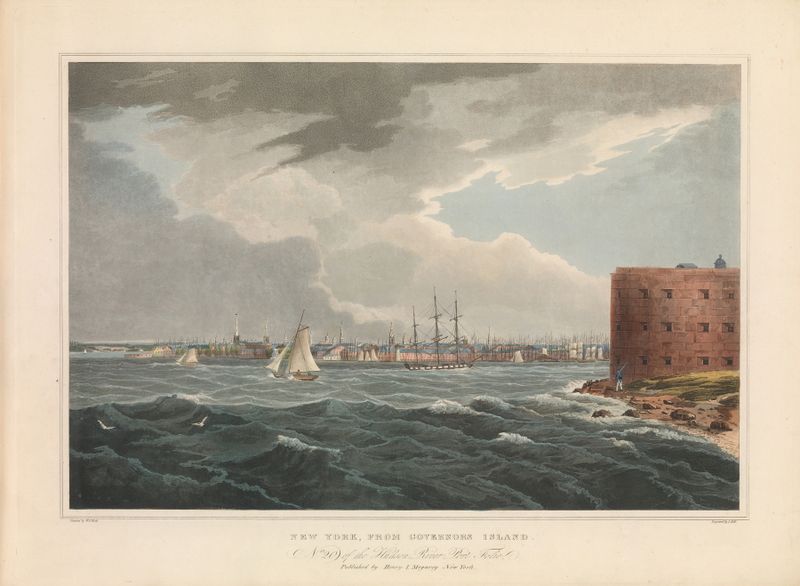
New York from Governor’s Island
John Hill

West Point
John Hill

View Near Hudson
John Hill
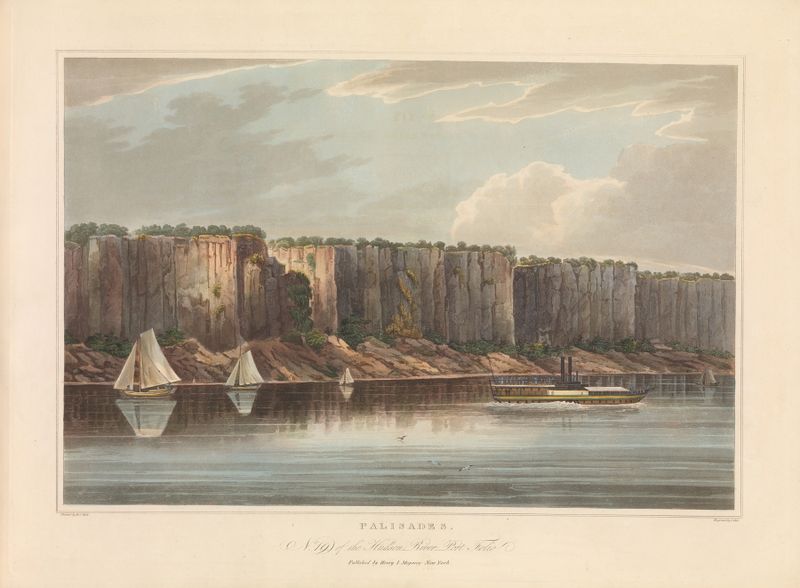
The Palisades
John Hill
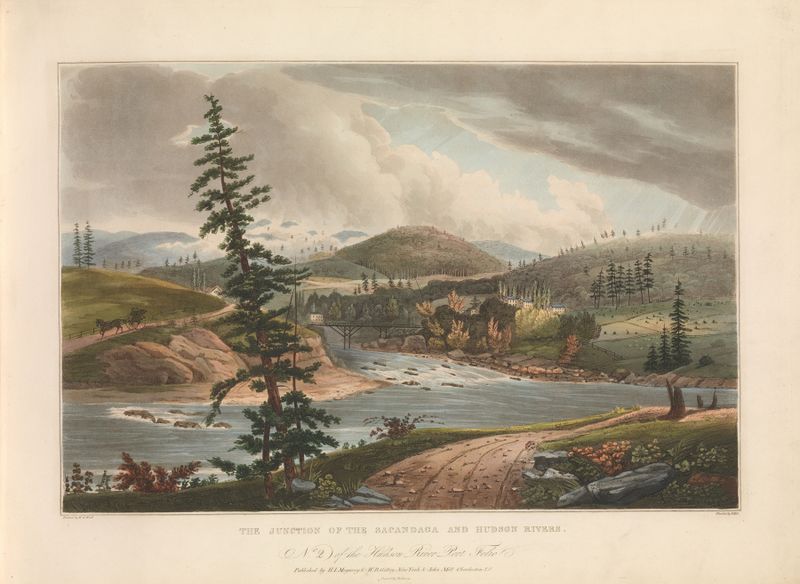
Junction of the Sacandaga and Hudson Rivers
John Hill
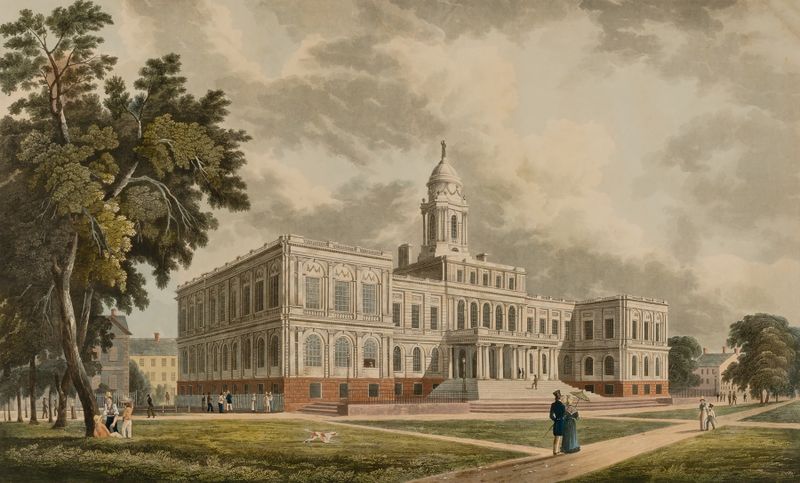
City Hall
John Hill

North-West Front, Cassiobury
John Hill

Glenns Falls
John Hill

His Majesty’s Frigate ‘Endymion’
John Hill
Troy from Mount Ida
John Hill





