
View Near Hudson — History & Facts
Can beauty exist without sorrow? In View Near Hudson, the tension between tranquility and tumult mirrors the revolutionary spirit of its time. Look to the center, where rolling hills cradle a peaceful river, their gentle slopes painted in soft greens and muted browns. Notice how the warm light filters through the clouds, casting a serene glow on the landscape, inviting the viewer into a moment of reflection. The soft brushwork captures the essence of nature, while the careful composition draws your eye along the water’s edge, emphasizing both the serenity and the hidden complexities beneath the surface. As you delve deeper, observe the contrast between the tranquil scene and the historical context of the early 19th century.
The idyllic beauty belies the societal upheaval occurring beyond the canvas—an era marked by political change and a burgeoning national identity. Each brushstroke evokes a sense of longing, whispering stories of the past while suggesting a brighter, yet uncertain future. The interplay of light and shadow hints at the duality of hope and despair, inviting contemplation. John Hill created this work between 1821 and 1822 during a period of significant transformation in American art and society.
As a prominent figure in the Hudson River School movement, he sought to capture the American landscape's beauty while reflecting the cultural changes around him. Amidst the echoes of revolution, Hill's painting serves as both a celebration of nature and a poignant reminder of the complexities inherent in beauty.
More Artworks by John Hill
Browse all →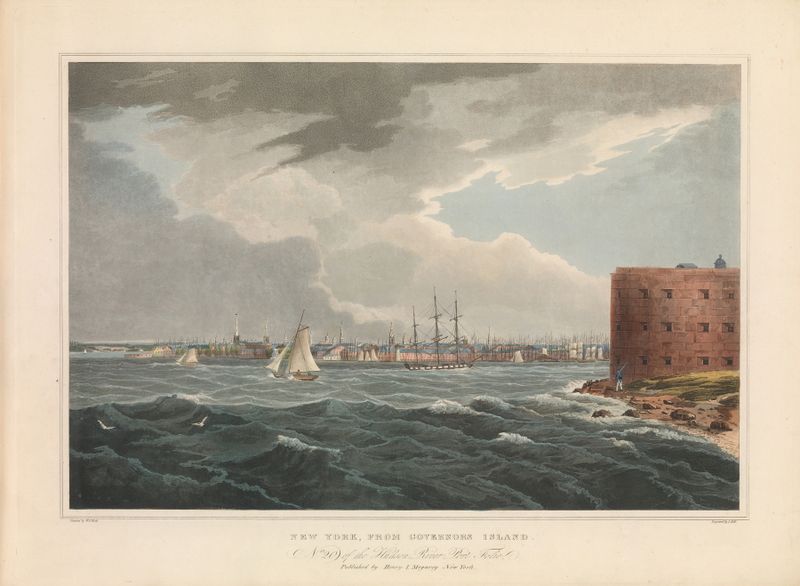
New York from Governor’s Island
John Hill

West Point
John Hill
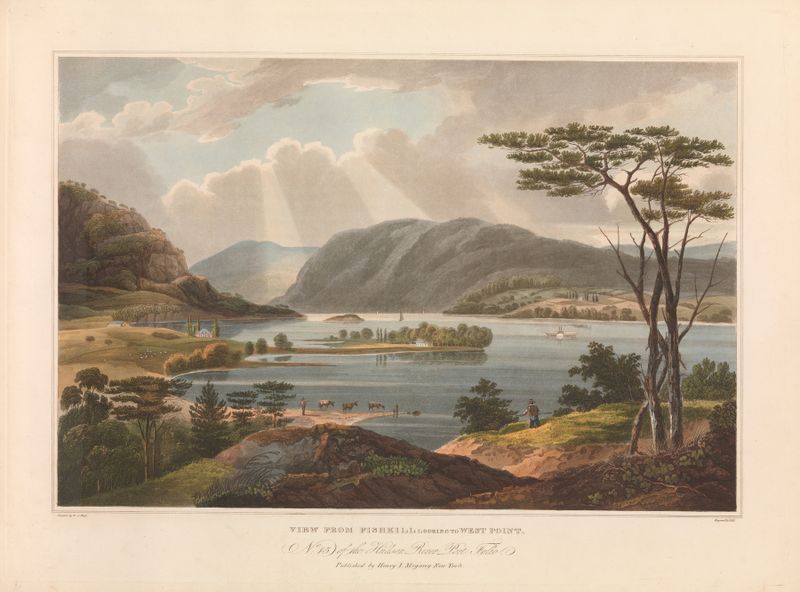
View from Fishkill Looking To West-Point
John Hill
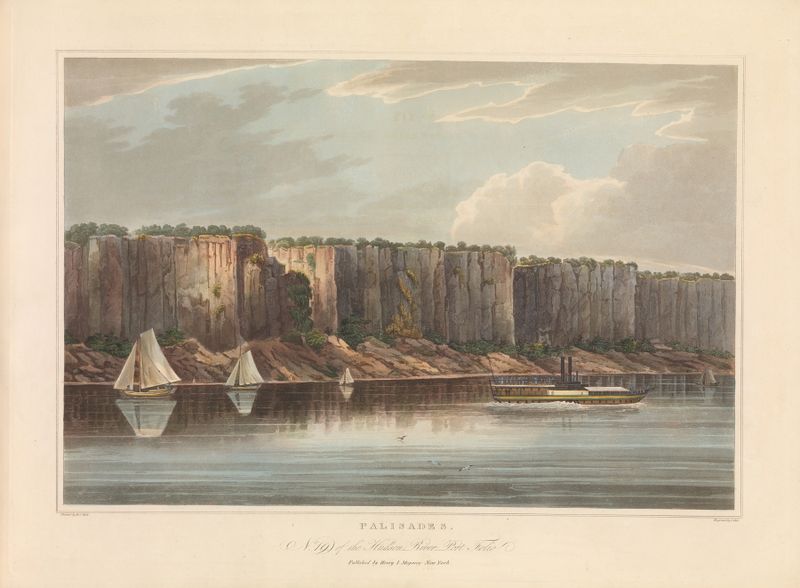
The Palisades
John Hill
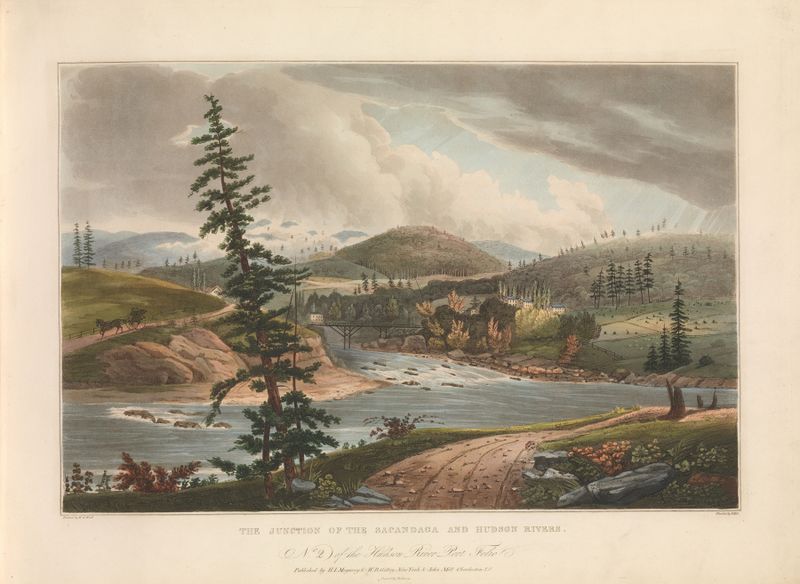
Junction of the Sacandaga and Hudson Rivers
John Hill
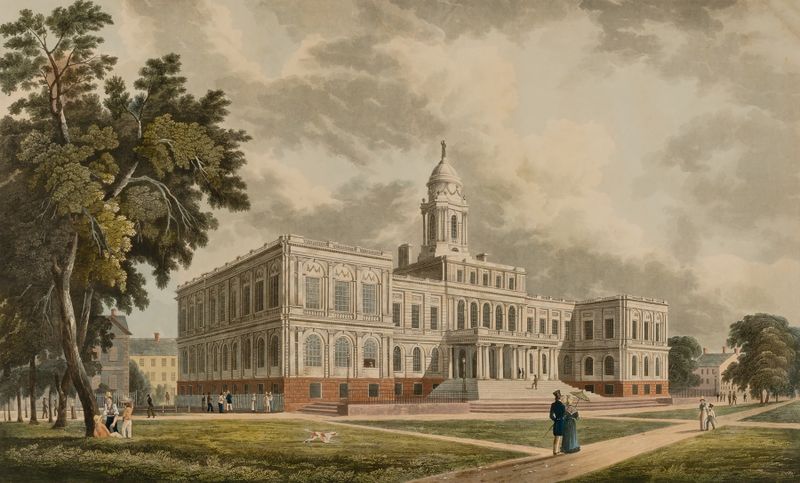
City Hall
John Hill

North-West Front, Cassiobury
John Hill

Glenns Falls
John Hill

His Majesty’s Frigate ‘Endymion’
John Hill
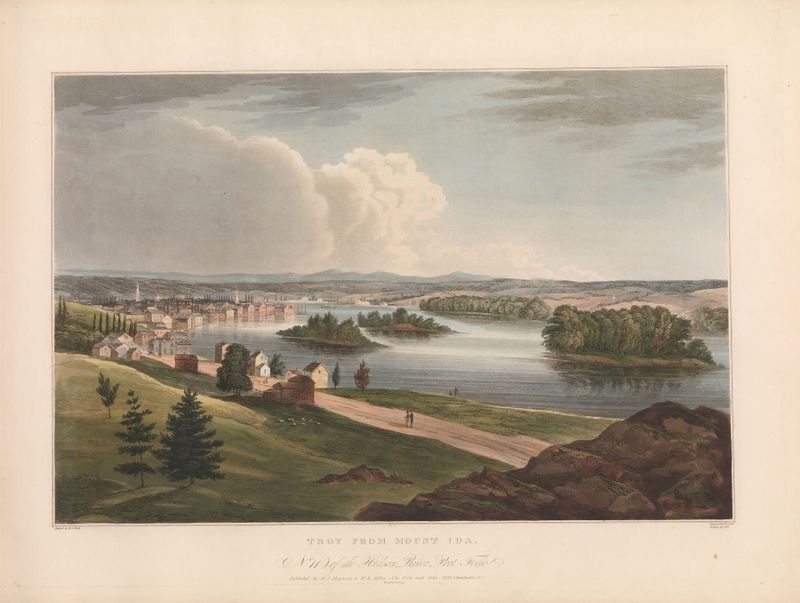
Troy from Mount Ida
John Hill





