
West Point — History & Facts
Is this a mirror — or a memory? The still waters of the Hudson River reflect a world where silence reigns, inviting contemplation and an intimate connection to nature. It beckons the viewer to pause, to sink into the tranquility of an era when life moved at a gentler pace, a time where moments lingered like whispered secrets. Focus on the left side where the jagged cliffs cascade down to the glassy surface of the river, capturing the essence of the landscape with serene precision. Notice the interplay of light and shadow as the sun bathes the scene in a soft glow, illuminating the lush greenery above while casting cool silhouettes below.
The meticulous brushwork reveals a masterful command of the natural world, guiding the viewer's gaze across the canvas from the rocky ridges to the water’s edge. As you delve deeper, consider the juxtaposition of strength and stillness—the rugged cliffs stand resolute against the gentle flow of the river. This contrast hints at the enduring nature of the American landscape, a symbol of resilience amidst change. The artist’s attention to detail, from the delicate foliage to the serene waters, urges us to reflect on our relationship with the environment and the echoes of history that shape our present. John Hill painted West Point between 1821 and 1822 during a time when the United States was forging its identity through art and nationalism.
He was immersed in the Hudson River School movement, which celebrated the beauty of American landscapes. The work emerged amid a growing appreciation for the sublime in nature, marking a pivotal moment in American art as it sought to distinguish itself from European influences.
More Artworks by John Hill
Browse all →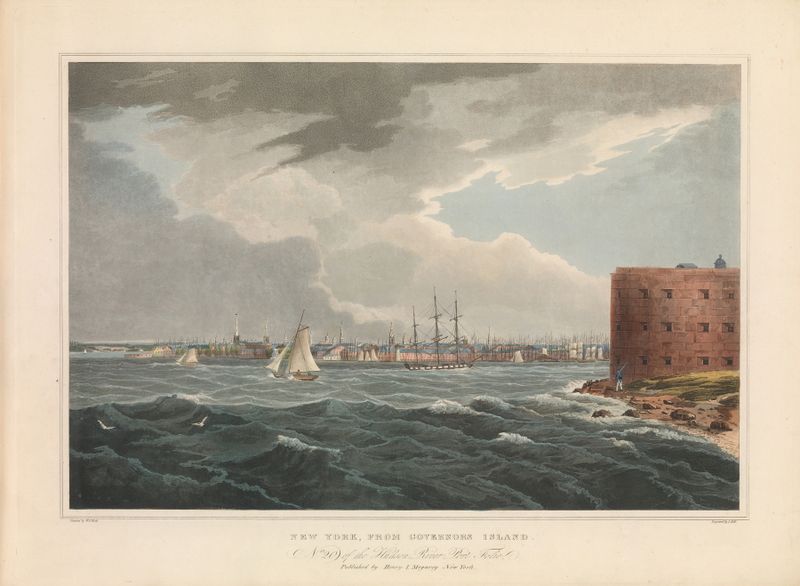
New York from Governor’s Island
John Hill
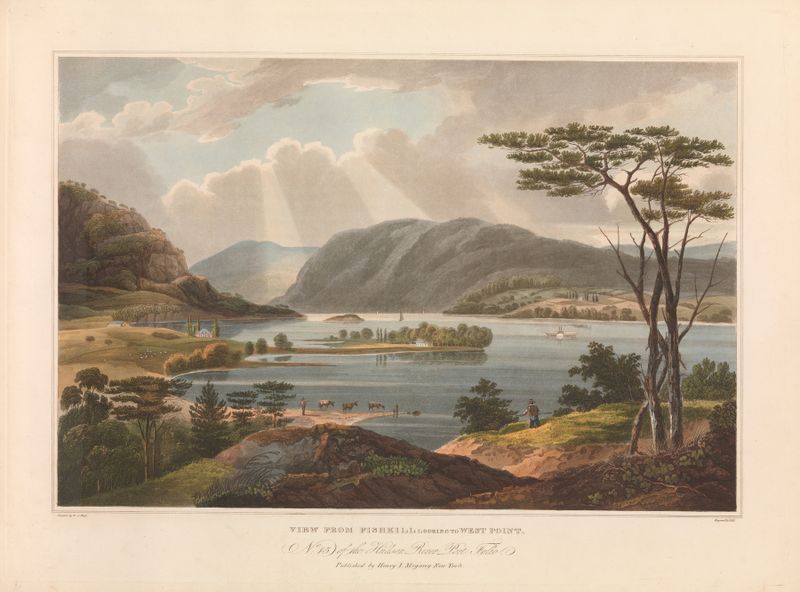
View from Fishkill Looking To West-Point
John Hill

View Near Hudson
John Hill
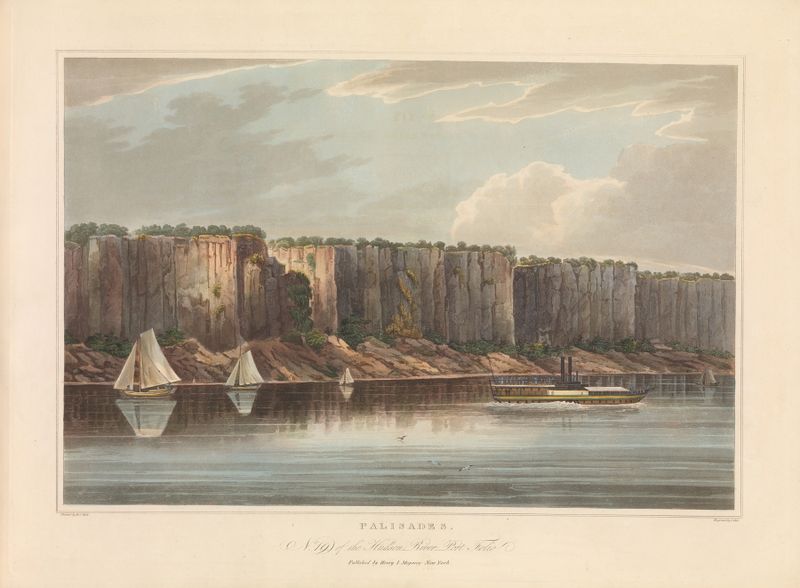
The Palisades
John Hill
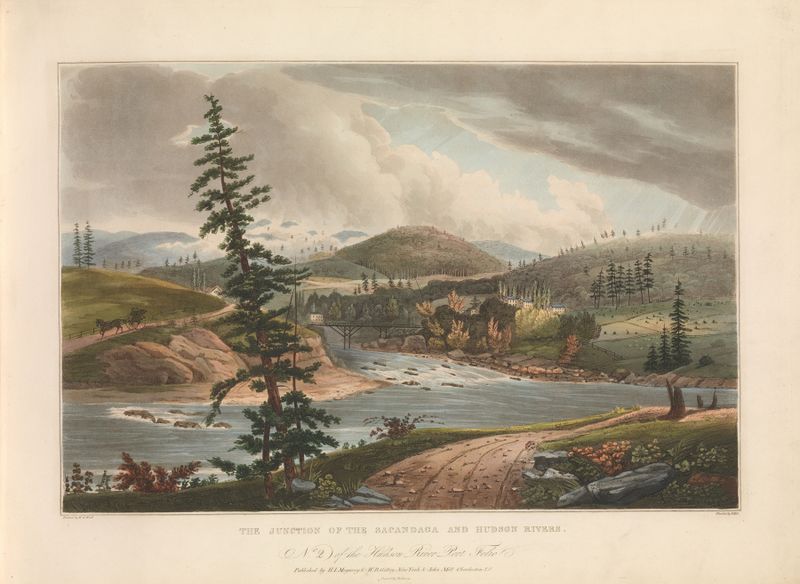
Junction of the Sacandaga and Hudson Rivers
John Hill
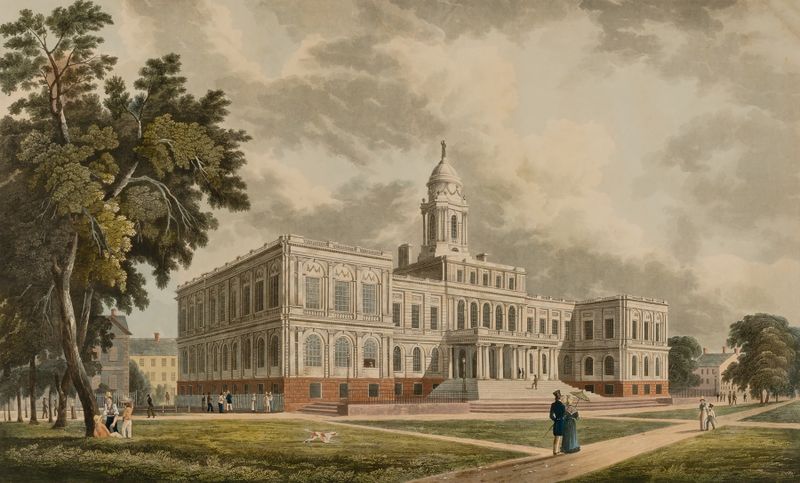
City Hall
John Hill

North-West Front, Cassiobury
John Hill

Glenns Falls
John Hill

His Majesty’s Frigate ‘Endymion’
John Hill
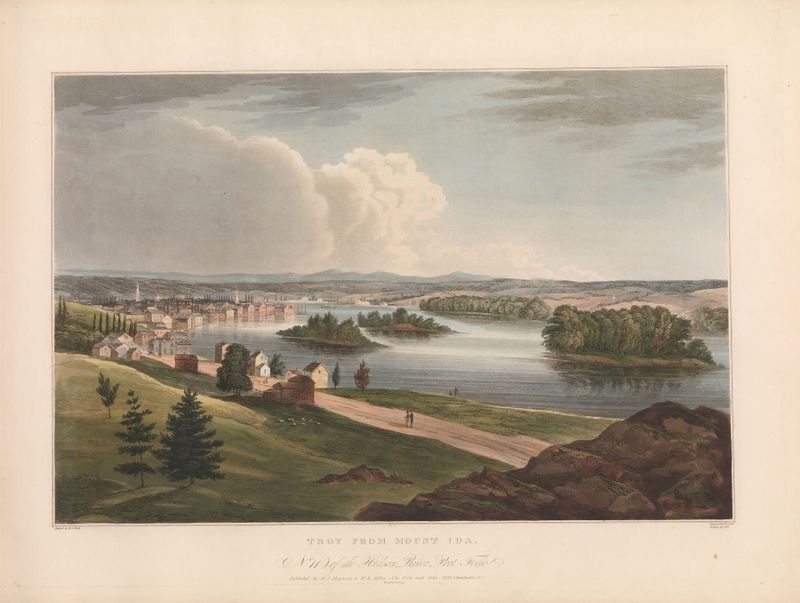
Troy from Mount Ida
John Hill





