
Goats in an Italian Landscape — History & Facts
A single white goat stands alert at the edge of shadow, its gaze leading you into the painting’s quiet drama. The animal’s coat catches a shaft of late afternoon light, drawing the eye away from the tangled darkness of the tree and toward the distant, sunlit villas nestled beneath a looming mountain. Nearby, a second goat lies curled in sleep, a dark shape almost lost in the undergrowth, while a thistle thrusts upward at the painting’s edge—its spiky silhouette anchoring the foreground.
The composition is a careful balance of tension and calm: the standing goat’s stance suggests a moment’s pause, as if something just beyond the frame has caught its attention, while the golden haze on the horizon promises warmth and safety. Painted in 1665 by Abraham Jansz. Begeyn, this work belongs to a world where Dutch and Flemish artists turned their eyes south, capturing the imagined glow of Italian landscapes for patrons who might never see them. Such paintings were prized for their blend of real observation and idealized scenery, often commissioned by wealthy collectors eager to bring a piece of the Mediterranean into their northern homes.
Goats in an Italian Landscape now resides in the collection of the Agnes Etherington Art Centre, its quiet scene a reminder of the era’s fascination with both the exotic and the everyday. In the stillness of Begeyn’s vision, the viewer is invited to linger, tracing the path of light from the goat’s back to the distant hills.
More Artworks by Abraham Jansz. Begeyn

Landscape with people and cattle
Abraham Jansz. Begeyn
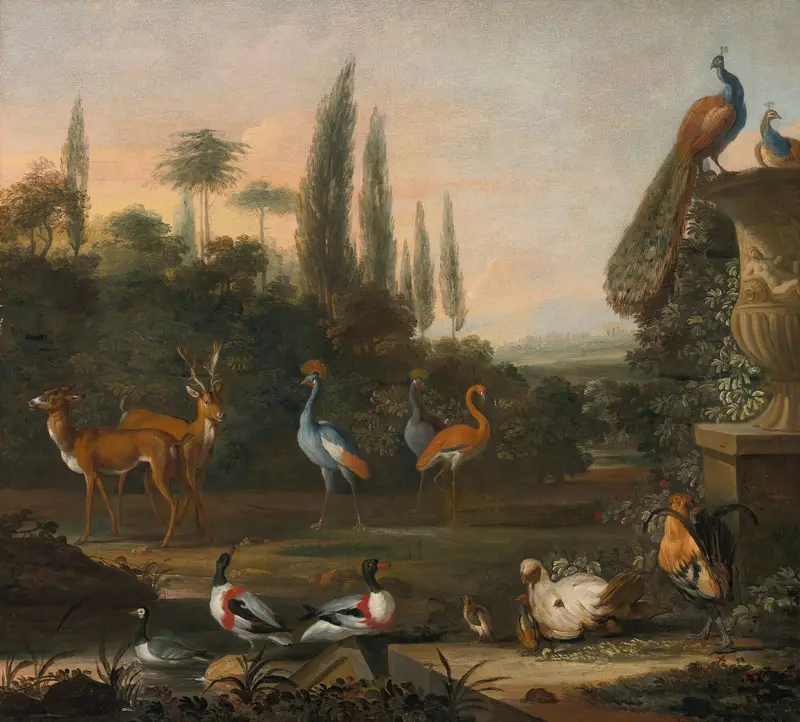
Landscape with deer and exotic birds
Abraham Jansz. Begeyn
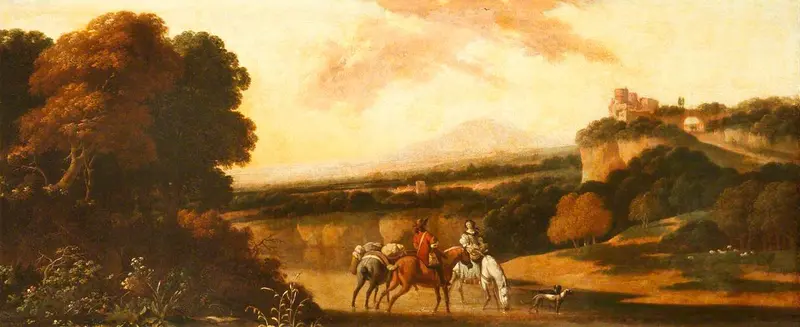
Landscape with Travellers
Abraham Jansz. Begeyn
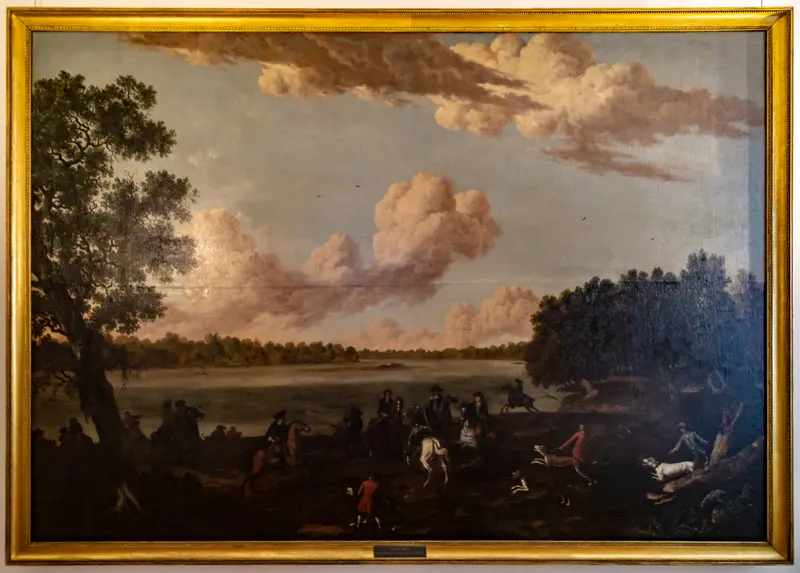
Prince Elector Frederick III of Prussia hunting at the Havel
Abraham Jansz. Begeyn
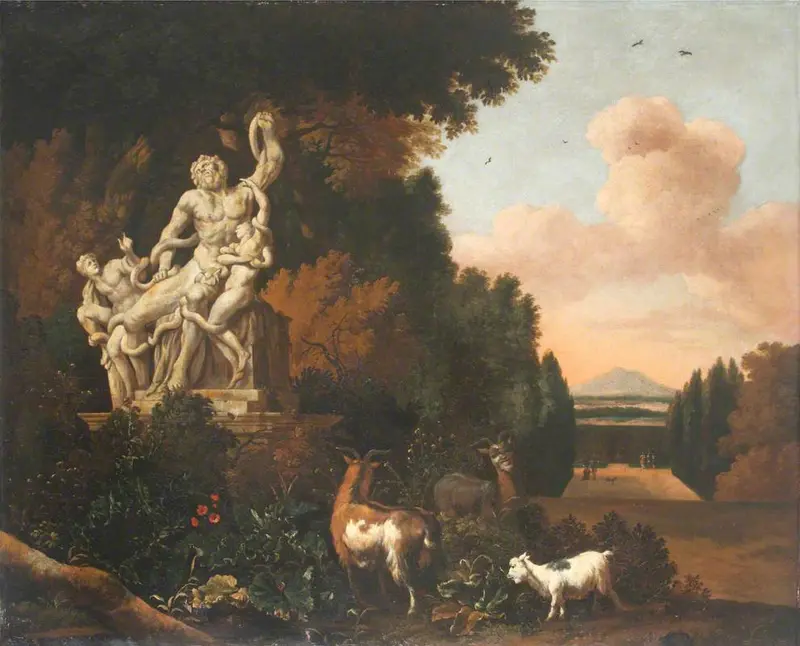
Landscape with Goats and a Statue of Laocoön
Abraham Jansz. Begeyn
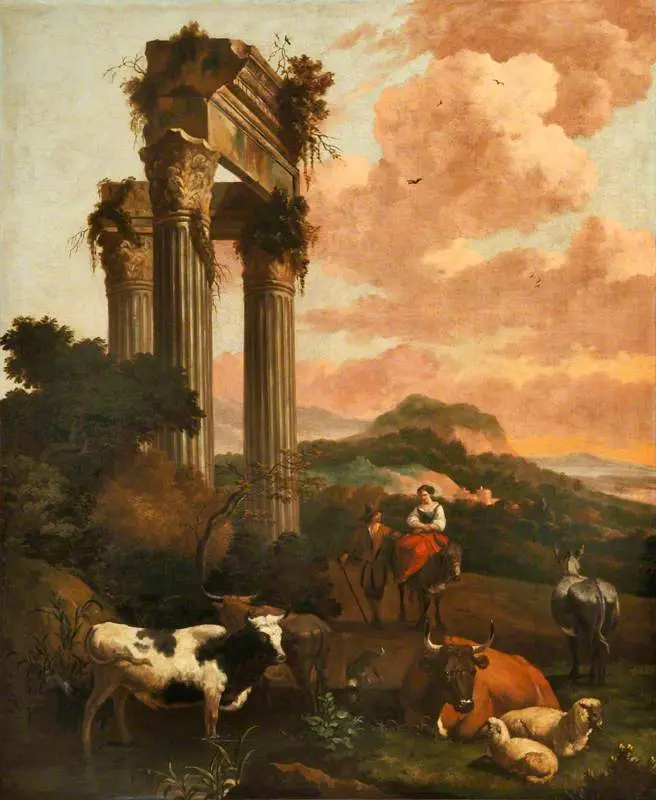
Landscape with Figures, Cattle and Sheep among Classical Ruins
Abraham Jansz. Begeyn
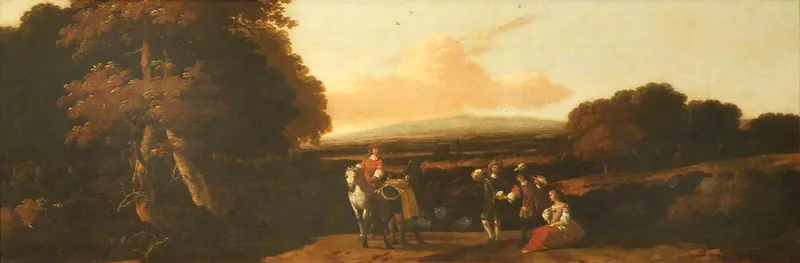
Landscape with Figures on a Road
Abraham Jansz. Begeyn
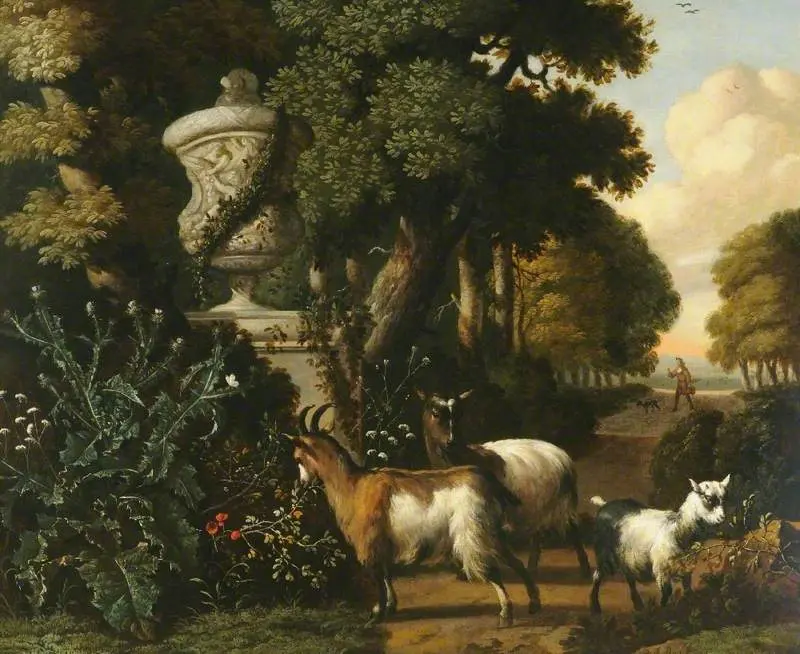
Landscape with Goats
Abraham Jansz. Begeyn
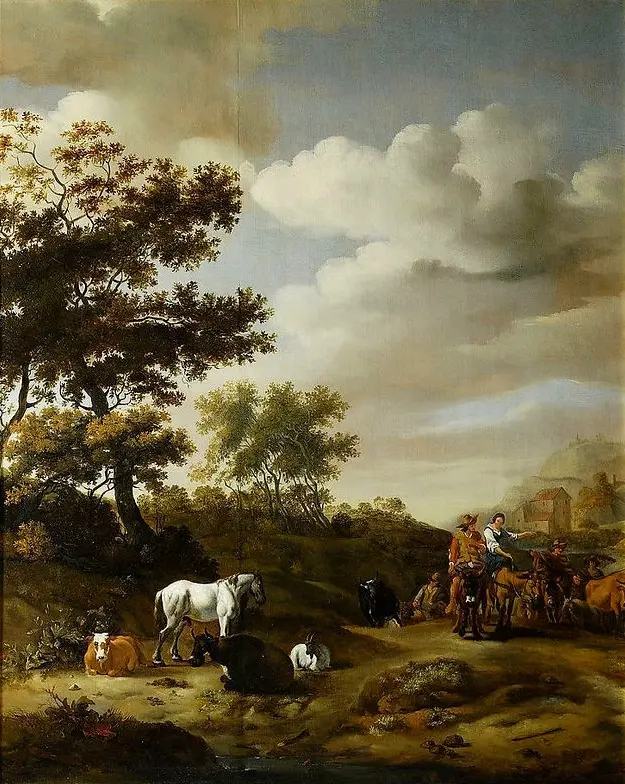
Landscape with travelers and cattle.
Abraham Jansz. Begeyn
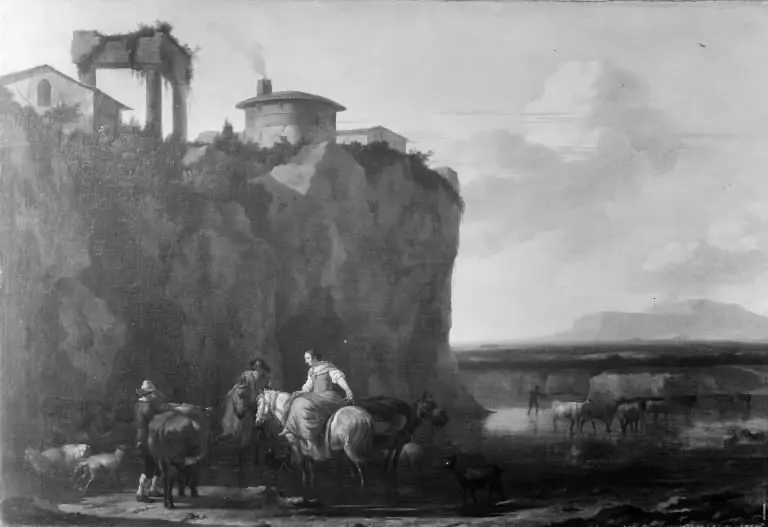
The Ford
Abraham Jansz. Begeyn
More Landscape Art

The Starry Night
Vincent van Gogh

View of Delft
Johannes Vermeer

Water Lilies
Claude Monet

The Grand Canal, Venice, looking north-west from the Ca' Corner to the Ca' Contarini degli Scrigni, with the campanile of Santa Maria della Carità
Canaletto

Windsor Castle
Canaletto

The Grand Canal looking North-East from the Palazzo Dolfin-Manin to the Rialto Bridge
Canaletto