
God the Father and the Virgin Mary — History & Facts
When God the Father and the Virgin Mary emerged from the young hands of Raphael around 1500, it marked one of the earliest known works by the artist, created when he was just a teenager in Urbino. Its authorship was not always certain: for many years, the painting was attributed to Pietro Perugino, Raphael’s master, reflecting the close stylistic ties between teacher and pupil at the dawn of the sixteenth century. Only careful study in the twentieth century, aided by advances in connoisseurship, brought consensus around Raphael’s authorship.
The painting stands as a rare glimpse into the formative years of an artist who would soon transform the course of the High Renaissance. The scene captures a moment of celestial intimacy: God the Father, enthroned and majestic, extends a protective hand toward the Virgin Mary, who bows in humble acceptance. The composition is symmetrical, with the two figures isolated against a radiant, golden background, their gestures forming a silent dialogue of authority and obedience. God’s raised hand, often interpreted as a gesture of blessing or command, contrasts with Mary’s crossed arms and lowered gaze—a visual shorthand for her humility and acceptance of divine will.
The painting’s clarity and restraint recall the calm, ordered compositions of Perugino, but Raphael’s figures already show a budding individuality and warmth. Unlike later depictions of the Coronation of the Virgin by artists such as Fra Angelico, here the focus is not on ceremony but on the quiet exchange between father and daughter. The early provenance of God the Father and the Virgin Mary is uncertain, as is its original function—perhaps an altarpiece fragment or a devotional panel for private prayer. Its style and subject place it squarely within the devotional culture of central Italy at the turn of the sixteenth century, when images of the Virgin’s relationship to God were especially prized.
The painting’s journey through history is not well documented, but it has been studied as a key example of Raphael’s apprenticeship period, bridging the gap between his youthful imitations and his later, more confident innovations. Today, it offers scholars and visitors alike a window into the early promise of a painter whose name would soon become synonymous with the ideals of the Renaissance.
More Artworks by Raphael

Madonna of the Goldfinch
Raphael

Madonna with the Fish
Raphael
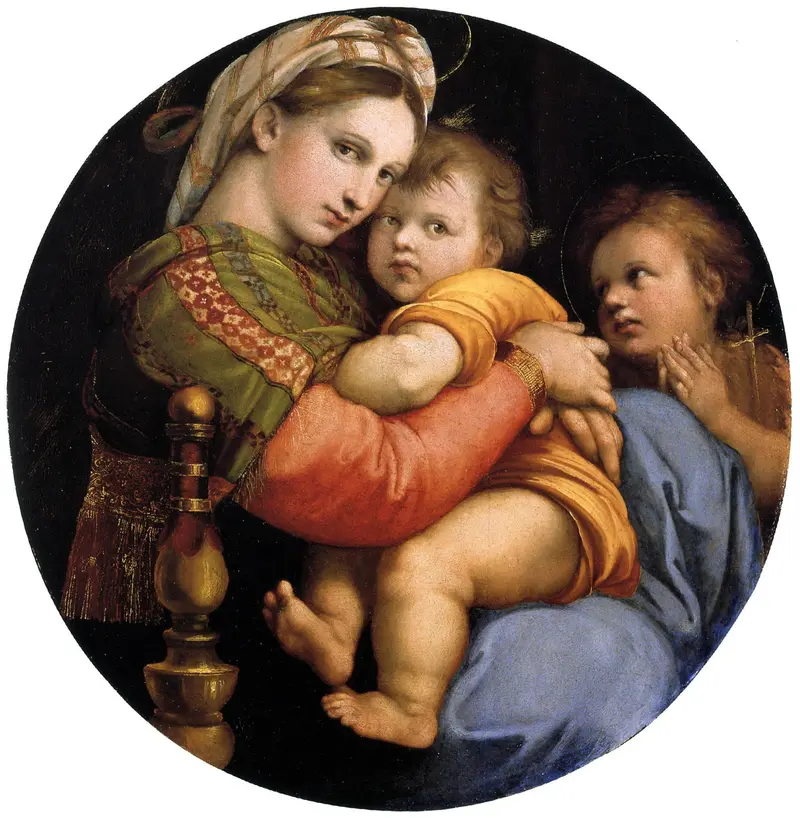
Madonna and Child (Madonna della Seggiola)
Raphael
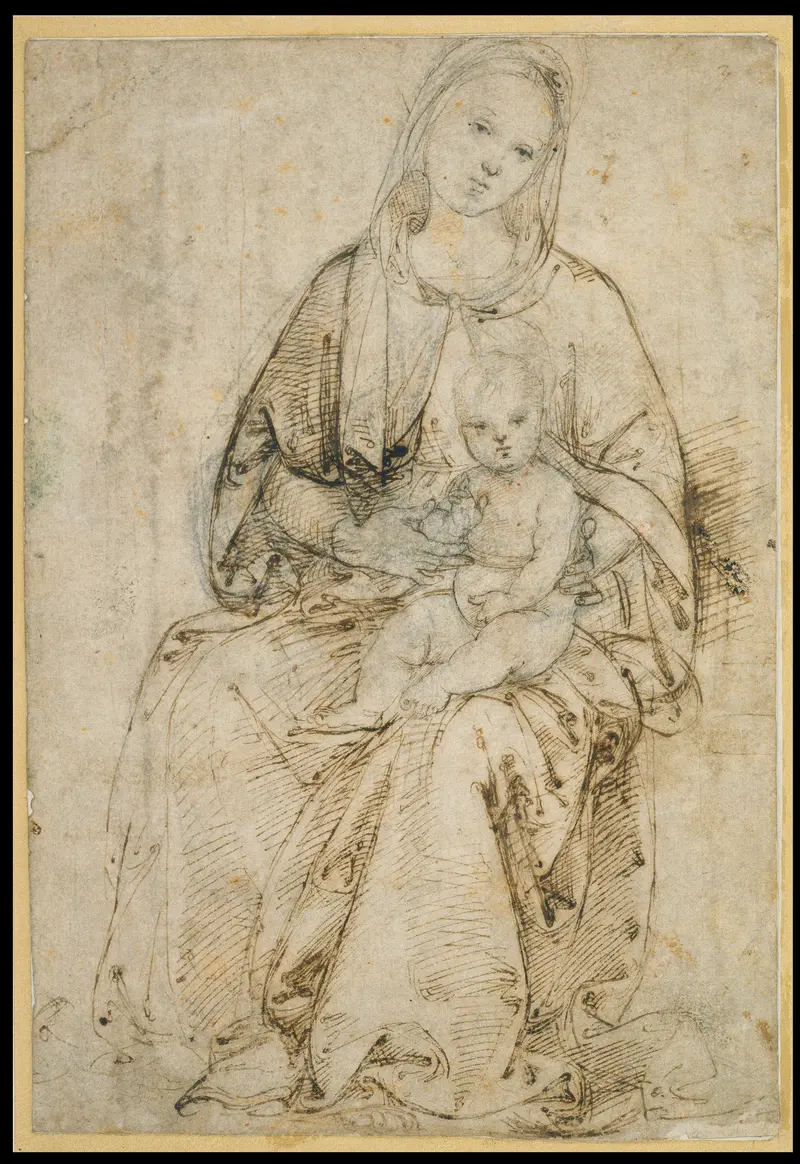
Seated Madonna and Child
Raphael
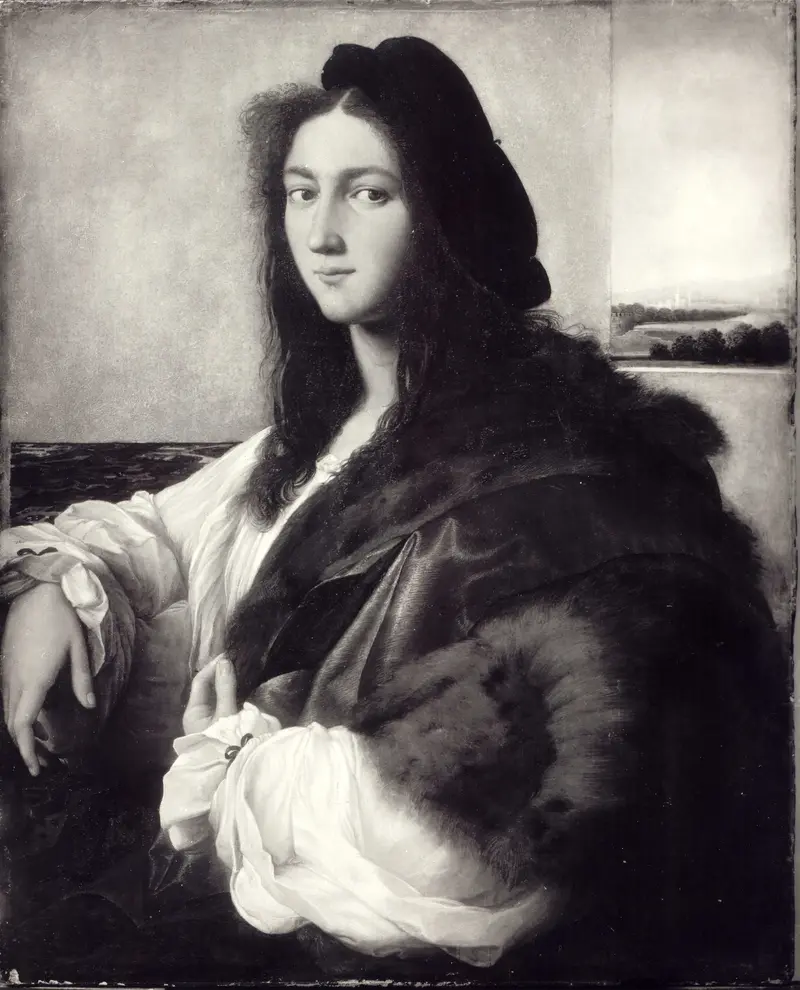
Portrait of a Young Man
Raphael
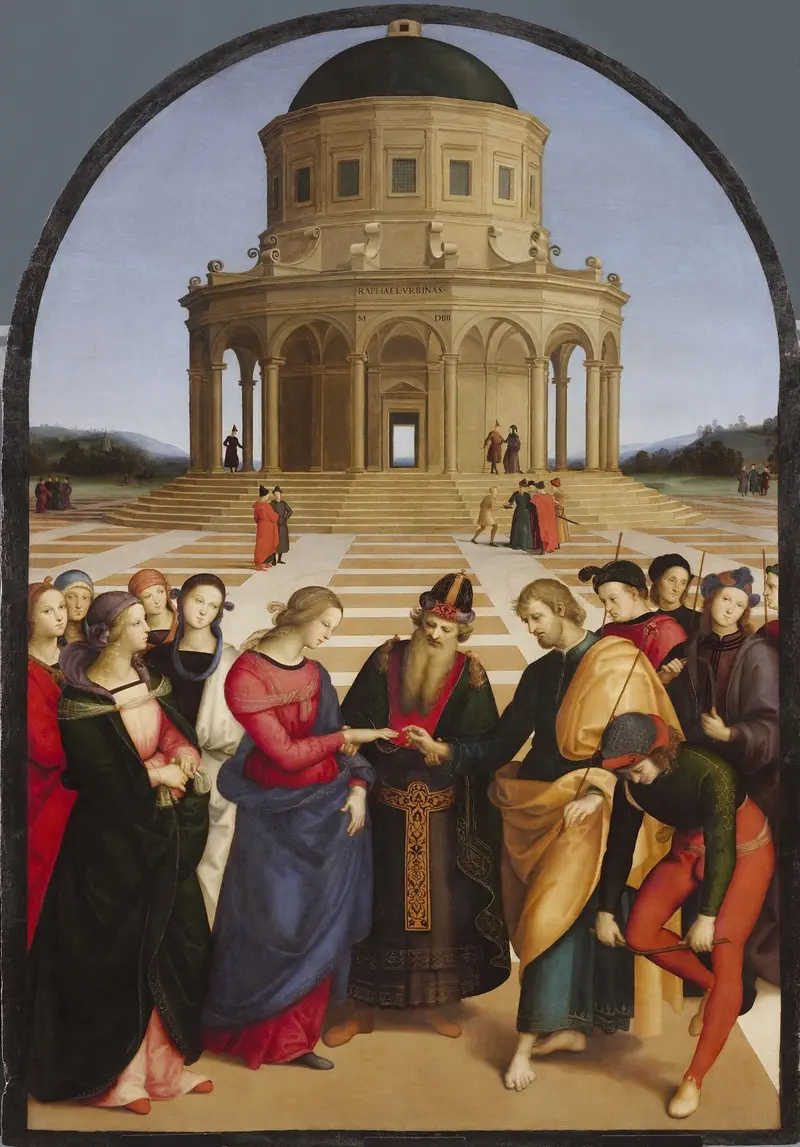
The Marriage of the Virgin
Raphael
The Triumph of Galatea (copy after Raphael)
Raphael
Poetry
Raphael
Sistine Madonna
Raphael
Madonna and Child Enthroned with Saints
Raphael




