
Gorge with Tree Stumps — History & Facts
In the quiet contours of Gorge with Tree Stumps, a delicate balance emerges, revealing nature’s haunting elegance intertwined with vulnerability. The vibrant landscape invites contemplation, hinting at the transient beauty found in decay and regeneration. Look to the left, where the gnarled tree stumps rise out of a dense, silky undergrowth, stark against the lush greens. The artist employs gentle brush strokes to capture the interplay of light filtering through the foliage, illuminating the scene in a tender embrace.
Notice how the earthy browns of the stumps contrast with the verdant backdrop, drawing the viewer’s gaze to the dialogue between life and loss that unfolds within this serene setting. Within this composition lies a profound tension between permanence and transience. The stumps, remnants of once-mighty trees, symbolize nature’s cycle of growth and decay, reminding us of fragility amid the beauty. The vibrant greenery cascading around them speaks of renewal, reflecting the ever-present hope that follows despair, a careful balance captured in this intimate portrayal of the natural world. John Sell Cotman painted this piece during a transformative period in the early 19th century while living in England, a time when Romanticism began to influence artistic expression profoundly.
Exploring the Norfolk landscapes and battling personal uncertainties, he sought to reconcile the beauty of nature with the realities of change, a theme that resonates deeply in his work and ultimately shapes this evocative landscape.
More Artworks by John Sell Cotman
Browse all →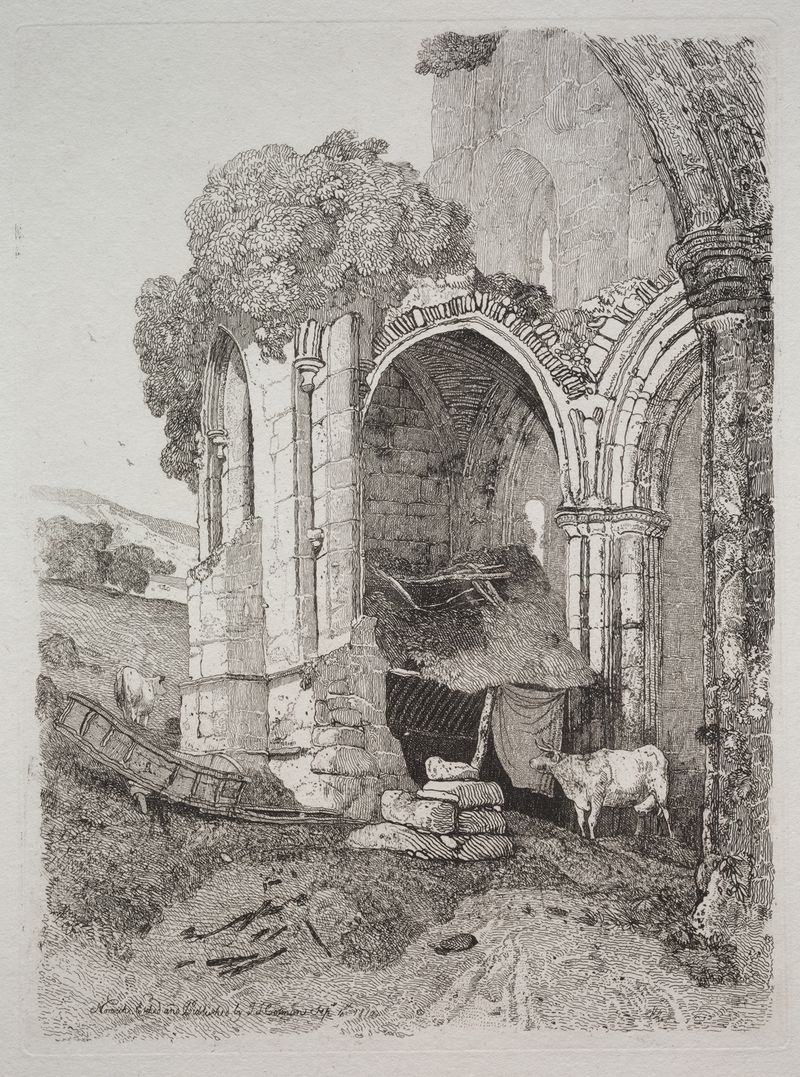
Rievaulx Abbey, Yorkshire
John Sell Cotman
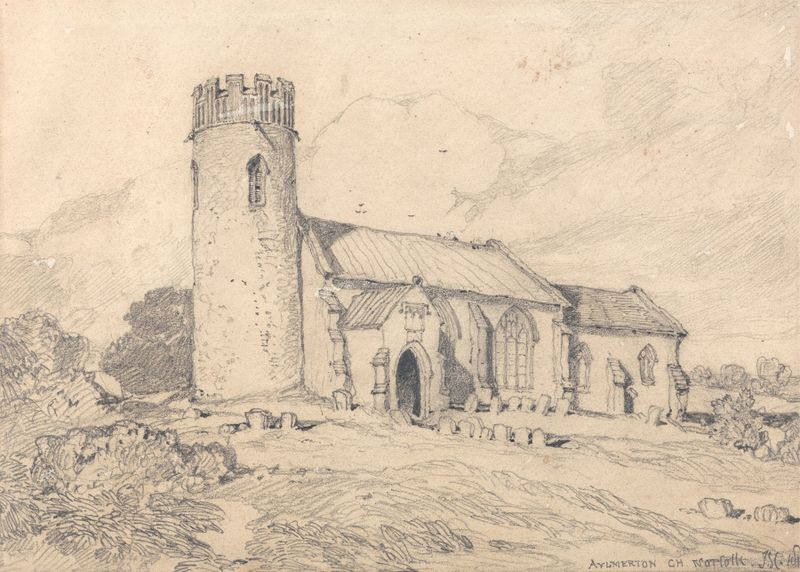
Aylmerton Church; Norfolk, from the South-West
John Sell Cotman
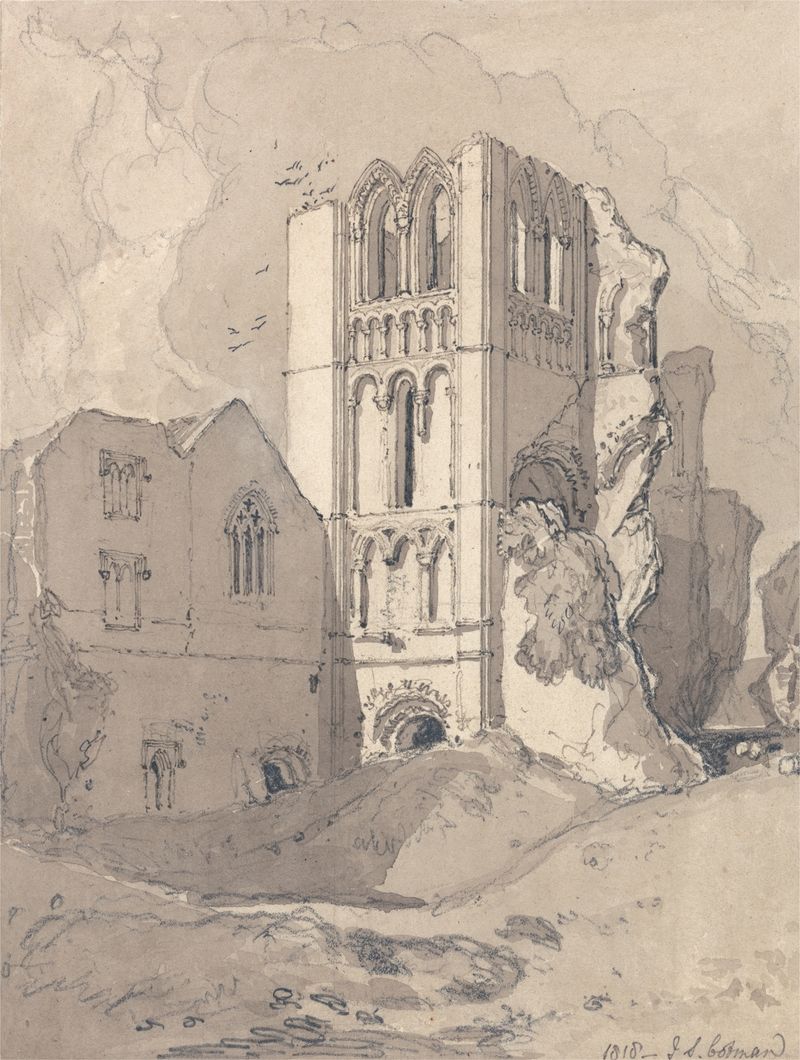
Castle Acre Priory, Norfolk
John Sell Cotman
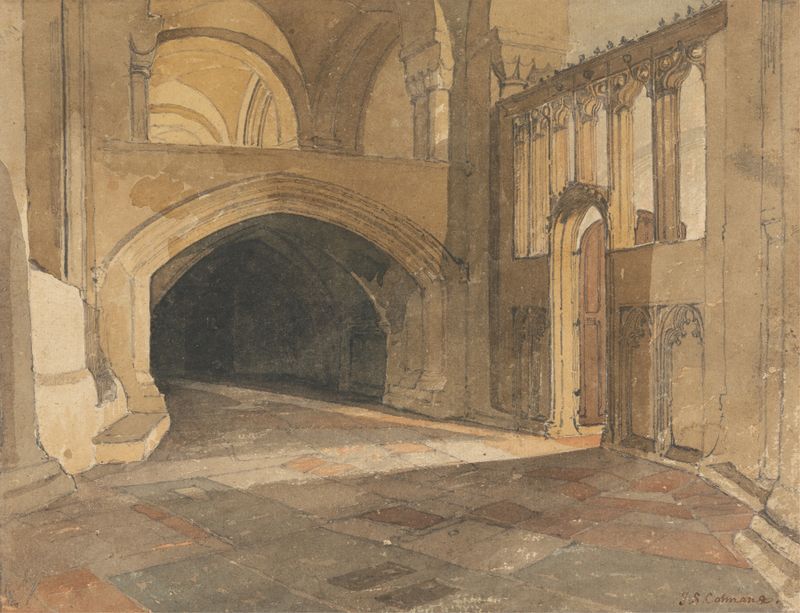
Norwich Cathedral; Entrance to Jesus Chapel
John Sell Cotman
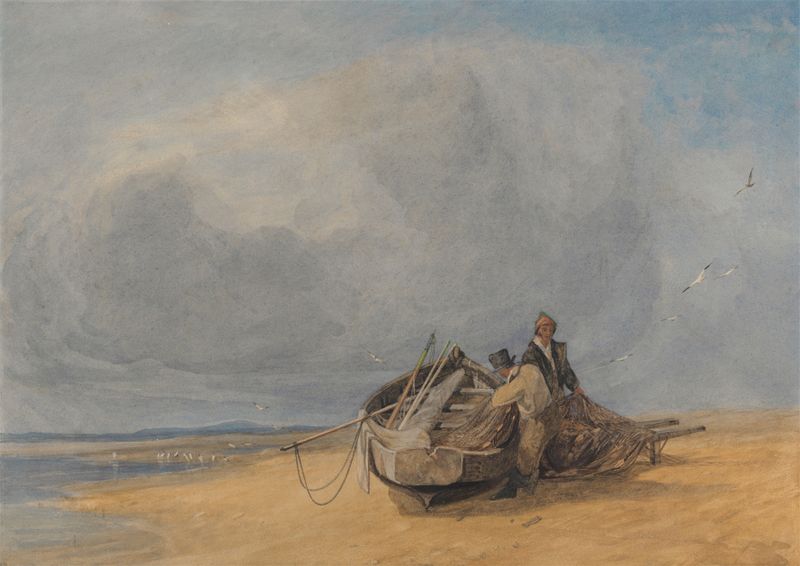
Yarmouth Sands, Norfolk
John Sell Cotman
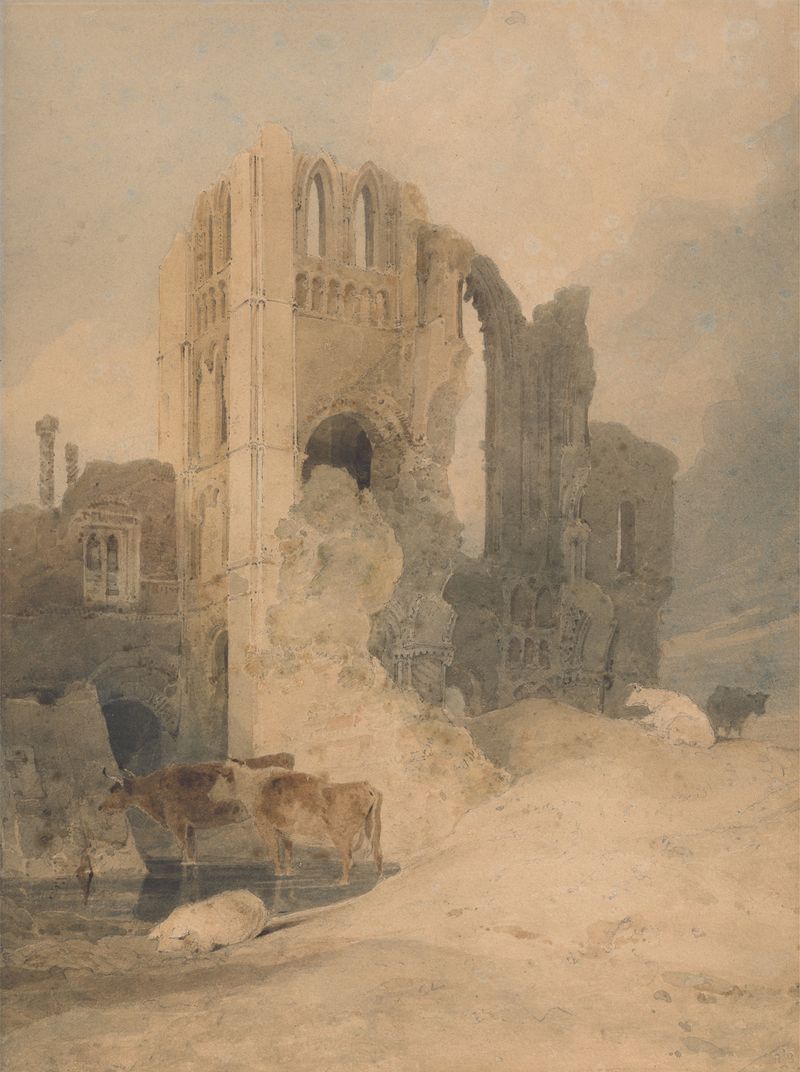
Castle Acre Priory, Norfolk
John Sell Cotman
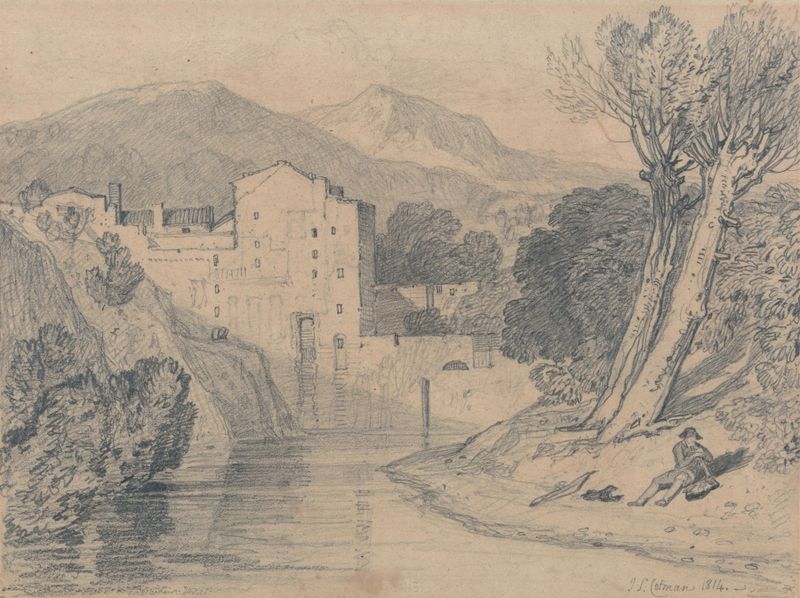
Near Whitby, Yorkshire
John Sell Cotman
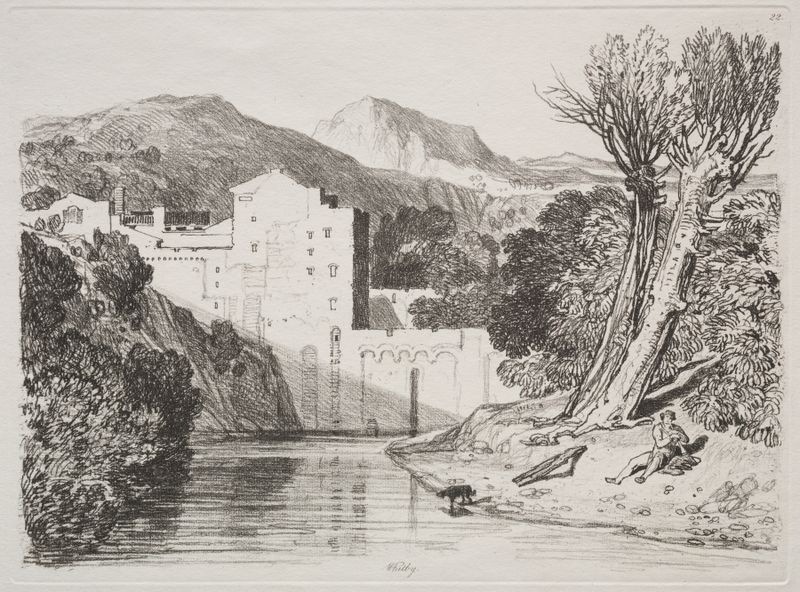
Whitby
John Sell Cotman
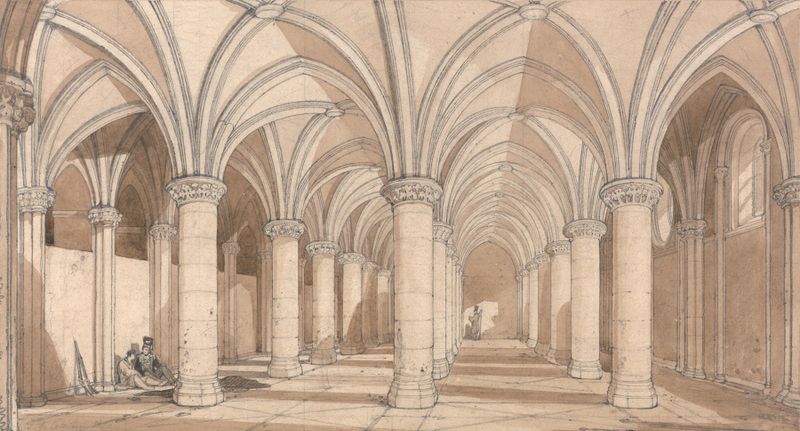
The Barons’ Hall, Mont Saint Michel
John Sell Cotman
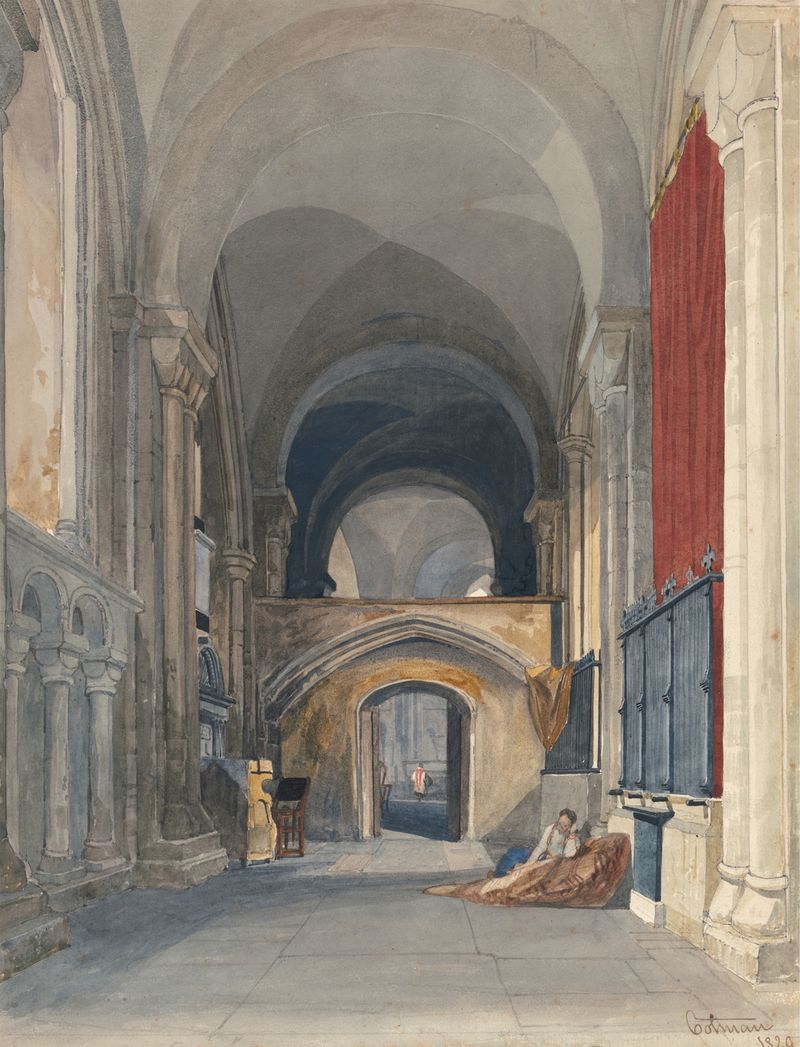
Norwich Cathedral; Interior of the North Aisle of the Choir, Looking East
John Sell Cotman





