
Grandmother's Bridal Crown — History & Facts
A hush of anticipation seems to fill the dimly lit room, as three children gather around an elderly woman who cradles a gilded bridal crown in her lap. The light falls softly on her white apron and the ornate crown, drawing the viewer’s eye to this treasured heirloom—its golden form a beacon of memory and tradition. The children’s faces, wide-eyed and intent, are caught between awe and curiosity, their hands clasped or gently reaching, as if the story of the crown might pass to them through touch alone.
The woman’s expression is both proud and wistful, her gaze fixed on the crown as she holds it aloft, inviting the children—and us—to imagine the life and ceremony it once adorned. Painted in 1873, Grandmother's Bridal Crown by Adolph Tidemand breathes with the spirit of 19th-century Norwegian genre painting, where the domestic interior becomes a stage for generational storytelling. The chest at the grandmother’s side is open, revealing not only the crown but also a photograph and carefully folded garments, tokens of a life lived and remembered. The patterned textiles and carved furniture root the scene in a rural, tradition-bound world, while the play of shadow and light sets an intimate, almost reverent mood.
Works like this were cherished in their time for affirming the values of family, continuity, and the preservation of folk customs—an impulse that ran deep in the era’s art, as Norway’s national identity was being shaped and celebrated. The painting now resides in a Finnish collection, its quiet drama inviting us to linger over the faces and objects, and to imagine the stories that bind them together.
More Artworks by Adolph Tidemand

Bridal Procession on the Hardangerfjord
Adolph Tidemand
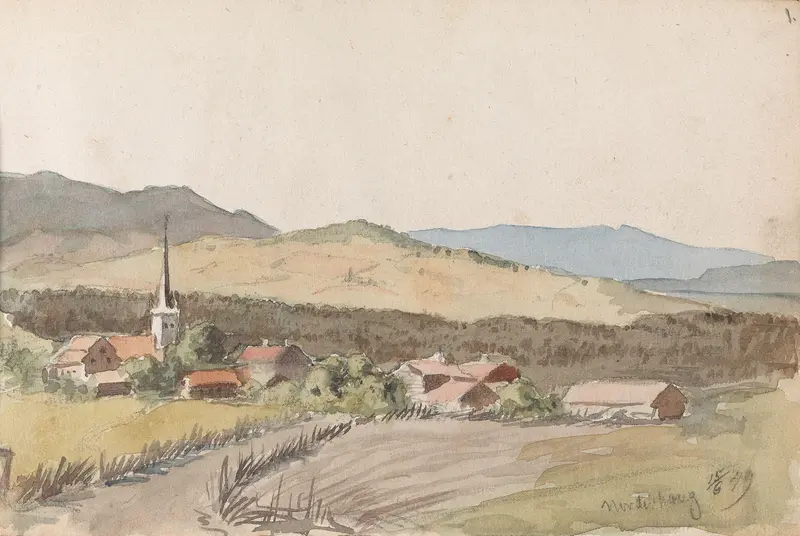
Fra Haugsbygd
Adolph Tidemand
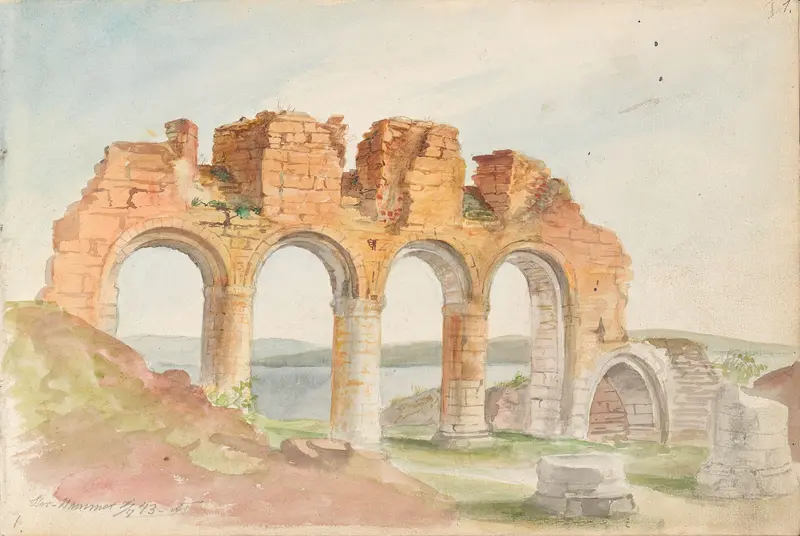
Domkirkeruinen, Hamar
Adolph Tidemand
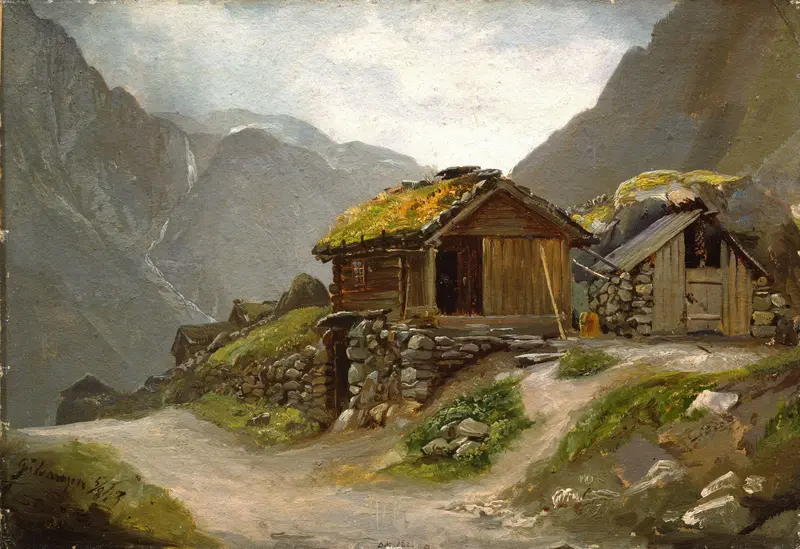
View from Gudvangen
Adolph Tidemand
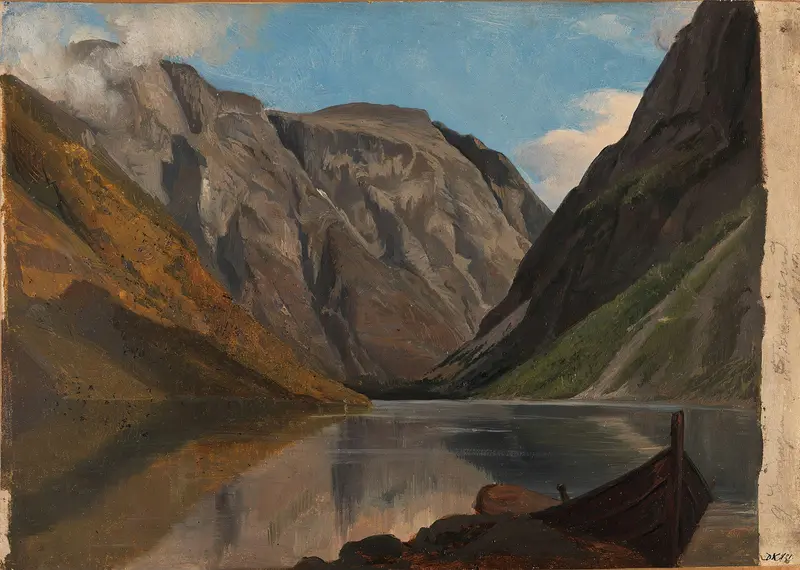
View of Gudvangen
Adolph Tidemand
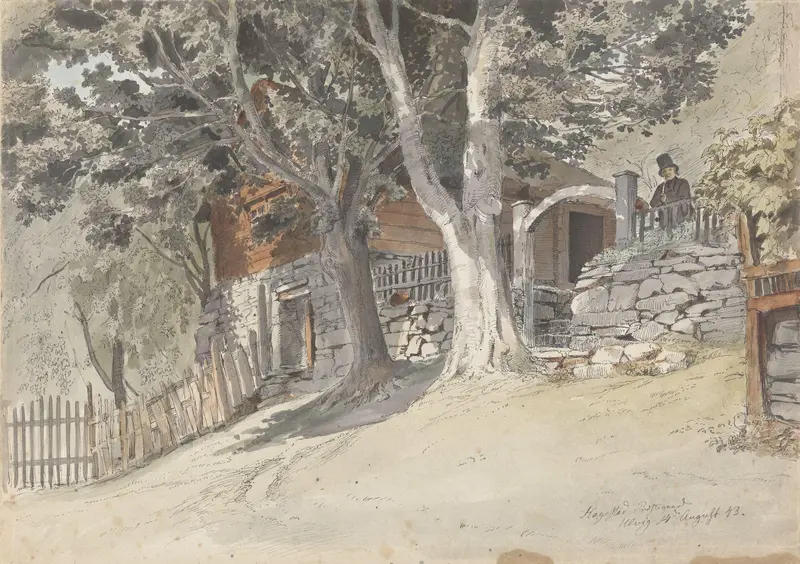
Hagestad prestegård, Ulvik i Hardanger
Adolph Tidemand
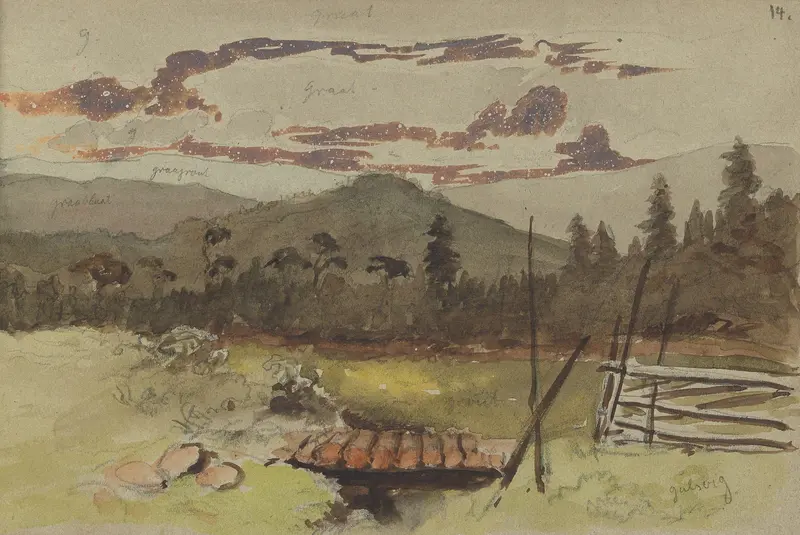
Fra Gulsvik
Adolph Tidemand
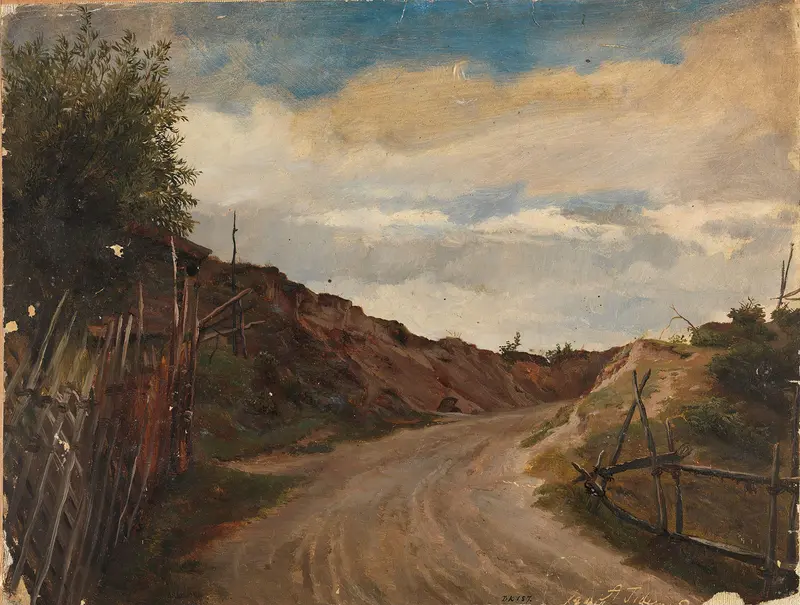
Country Road
Adolph Tidemand
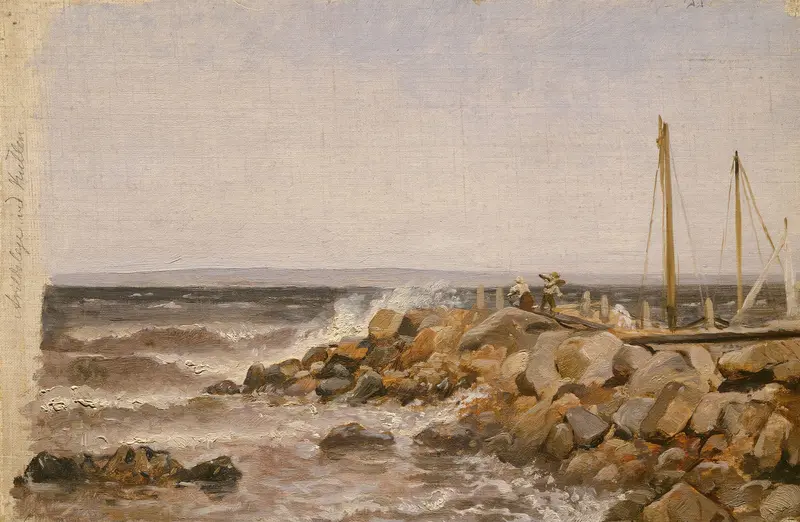
From Kullen in Sweden
Adolph Tidemand
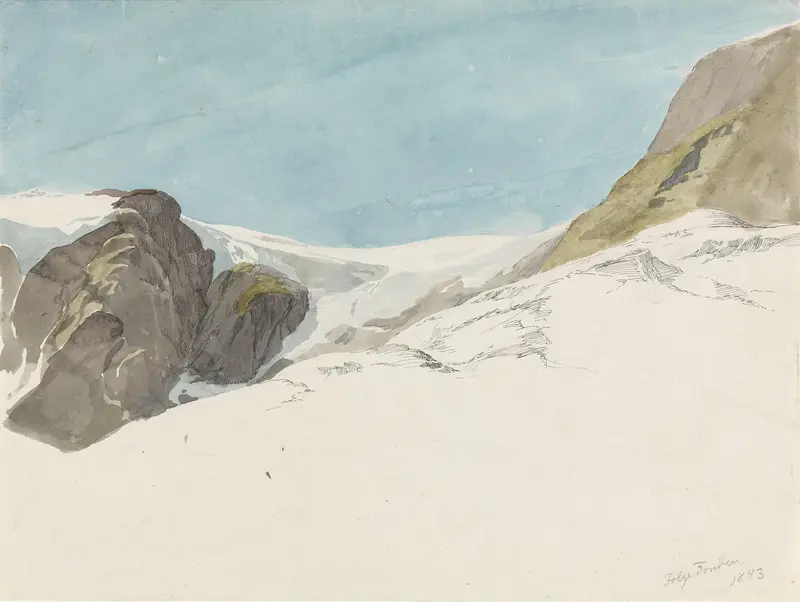
Untitled
Adolph Tidemand
More Genre Scene Art

Banquet of the Officers of the St George Civic Guard
Frans Hals

Rembrandt and Saskia in the Scene of the Prodigal Son
Rembrandt van Rijn

Bal du moulin de la Galette
Pierre-Auguste Renoir

Quadrille at the Moulin Rouge
Henri de Toulouse-Lautrec

A Burial at Ornans
Gustave Courbet

When Will You Marry?
Paul Gauguin