
Grandson — History & Facts
Is this a mirror — or a memory? In Grandson, the weight of time presses upon the canvas, revealing an intimate moment of reflection and the slow decay of legacy. Look to the right at the figure of the old man, his lined face a testament to years consumed by both joy and sorrow. The light bathes him in a soft, almost ethereal glow, contrasting sharply with the more shadowed areas of the background that hint at fading family ties. Notice how the child is positioned slightly behind, his innocent gaze upward, as if seeking wisdom or solace from a world he is just beginning to understand.
The muted palette of browns and grays underscores a sense of nostalgia and the inevitability of change. Delve deeper into the small details, where the frailty of life and the richness of memory intertwine. The old man's grasp on the child suggests both protection and an unspoken fear of loss, symbolizing the fragile connection between generations. The crumbling surfaces of the walls around them mirror the decay of time and the ephemeral nature of existence, evoking a poignant tension between what is cherished and what is inevitably fading. Johann Friedrich Wagner painted Grandson between 1840 and 1844 during a time when he explored themes of familial bonds and the passage of time.
Living in a Europe grappling with social change and artistic evolution, Wagner sought to capture the essence of human relationships within a shifting cultural landscape. This period in his life marked a deep engagement with the emotional resonance of portraiture, blending realism with a profound sensitivity to the personal narratives of his subjects.
More Artworks by Johann Friedrich Wagner
Browse all →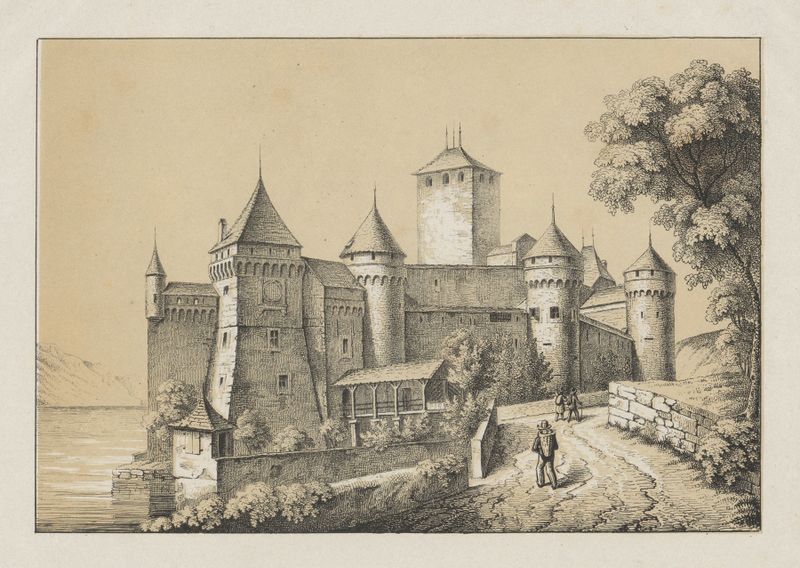
Chillon
Johann Friedrich Wagner

Valangin
Johann Friedrich Wagner
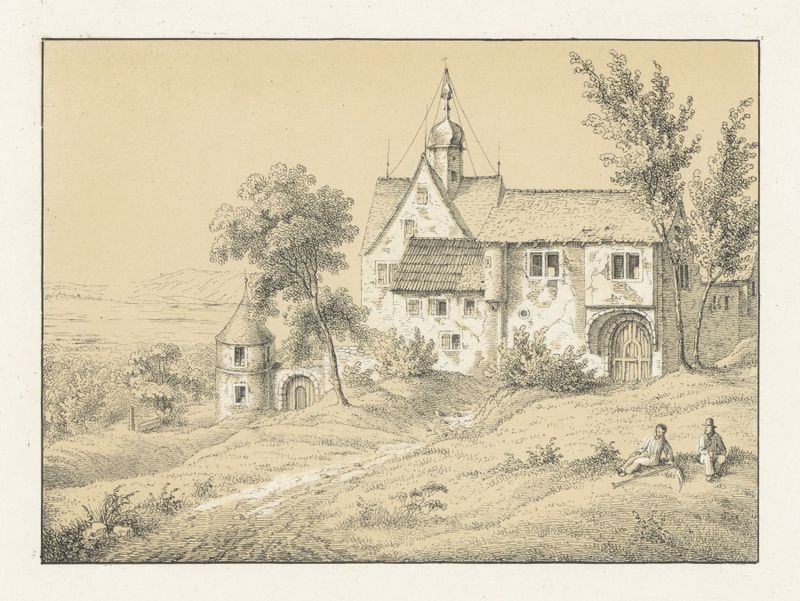
Greifenstein
Johann Friedrich Wagner

Vorburg
Johann Friedrich Wagner
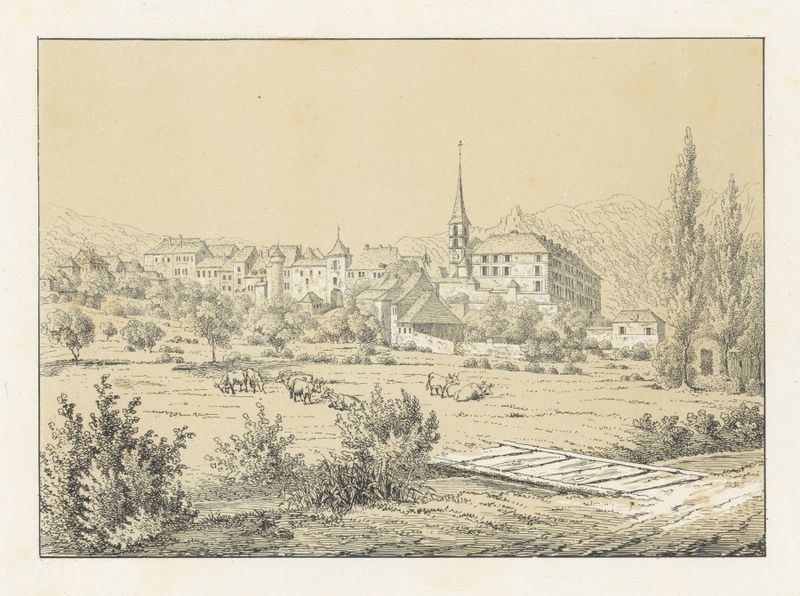
Delémont
Johann Friedrich Wagner

Pleujouse
Johann Friedrich Wagner

Challay
Johann Friedrich Wagner
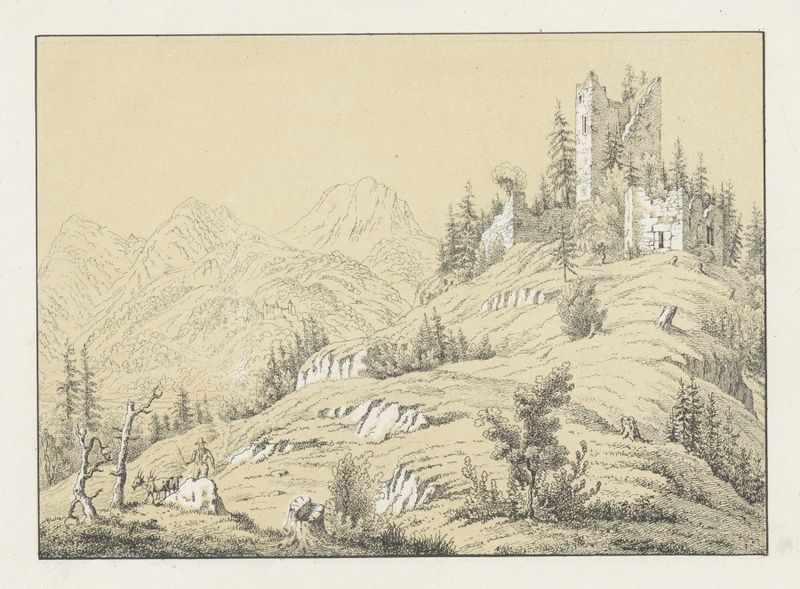
Mont Salvant
Johann Friedrich Wagner
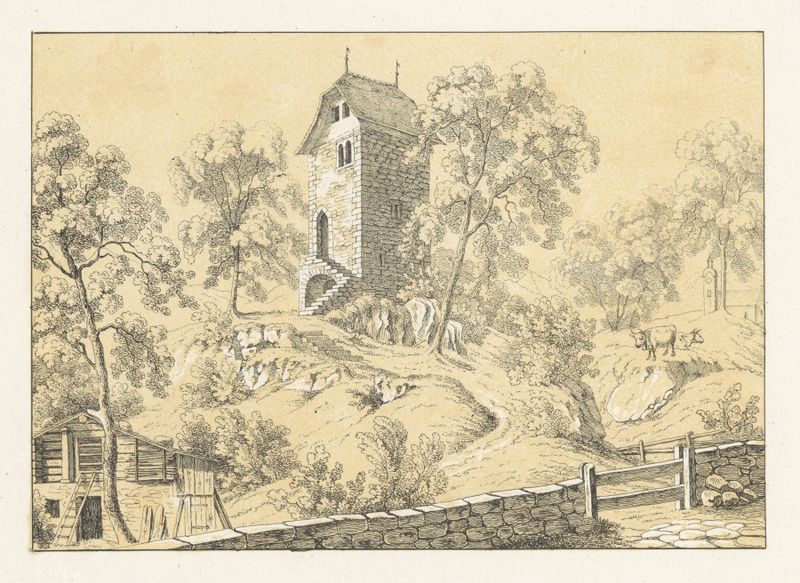
Aha. Od. Untere Burg von Sarnen
Johann Friedrich Wagner
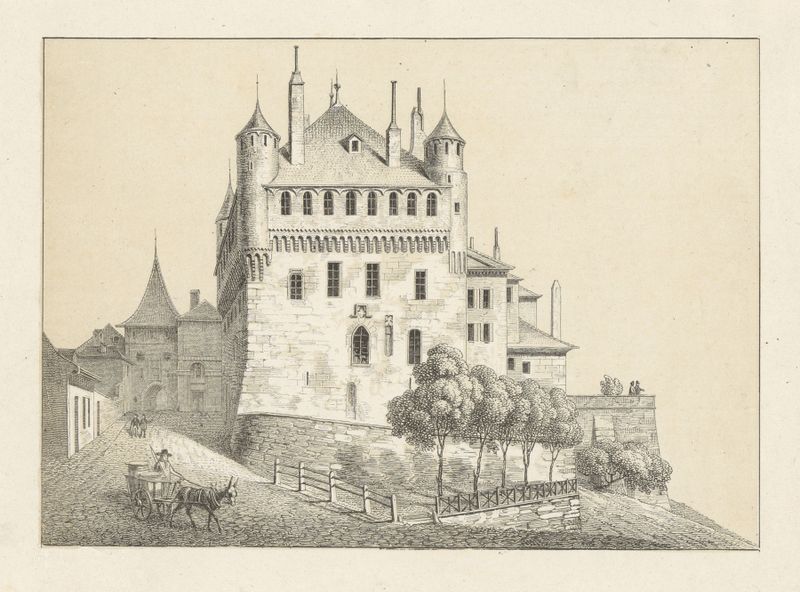
Lausanne
Johann Friedrich Wagner
More Portrait Art
Browse all →
Las meninas
Diego Velázquez

Self-portrait with a Bandaged Ear and Pipe
Unidentified artist

Girl with a Pearl Earring
Johannes Vermeer

The Sampling Officials of the Amsterdam Drapers’ Guild, Known as ‘The Syndics’
Rembrandt van Rijn

The Hundred Guilder Print: the man seen on the back in the lower left corner
Rembrandt van Rijn

Portrait of Dr Gachet
Vincent van Gogh