
Lausanne — History & Facts
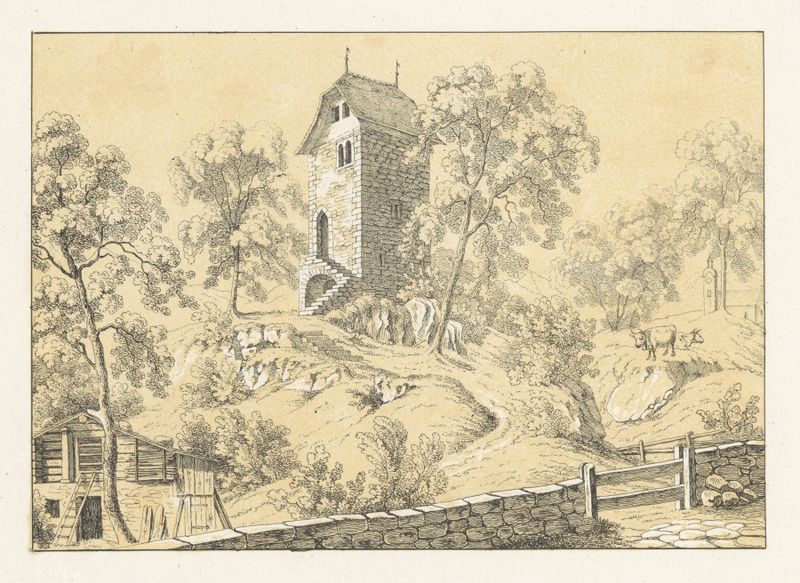
Can paint confess what words never could? In Lausanne, an ethereal longing weaves through the landscape, echoing the silent narratives of the past. Look to the horizon, where soft hues of blue and gold blend seamlessly, revealing a tranquil lake that reflects the wistful sky. The distant mountains stand as silent guardians, their majestic peaks kissed by the light of a setting sun. Notice how the hazy boundaries between earth and sky create a dreamlike ambiguity, inviting the viewer to wander into the depths of emotion conveyed through delicate brush strokes and subtle contrasts. As your gaze drifts across the canvas, observe the interplay of light and shadow that evokes a profound sense of nostalgia.
The gentle ripples on the water's surface seem to whisper secrets of bygone days, while the fading light hints at the ephemeral nature of beauty and existence. There’s an underlying tension between the tranquil scenery and the yearning it elicits—suggesting a longing for connection, memory, or perhaps a past that can never be reclaimed. Created between 1840 and 1844, this piece emerged during a period of personal introspection for the artist, who was influenced by the Romantic movement sweeping through Europe. At the time, Wagner was exploring the emotional depths of landscape painting, seeking to depict not just the physical beauty of a place but also the sentiments it stirred within the soul.
This work reflects not only a pivotal moment in his artistic journey but also the broader cultural fascination with nature and its power to evoke deep human emotions.
More Artworks by Johann Friedrich Wagner
Browse all →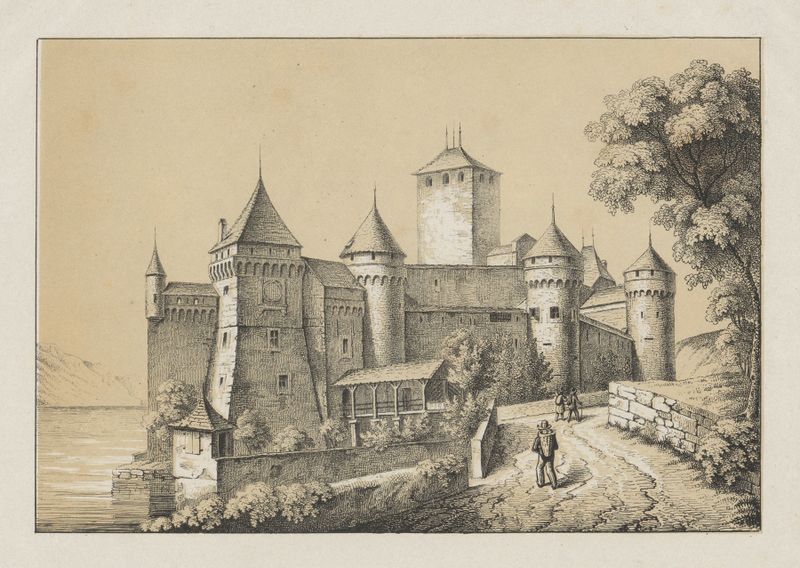
Chillon
Johann Friedrich Wagner

Valangin
Johann Friedrich Wagner
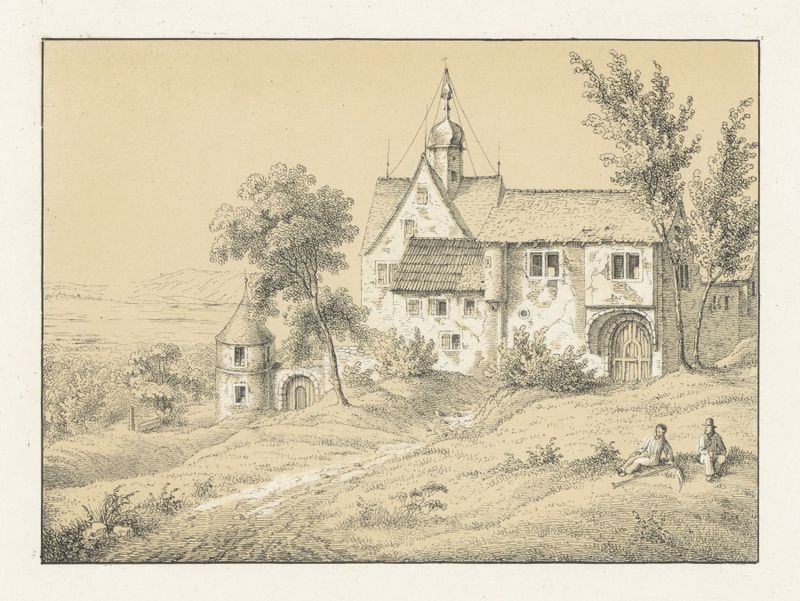
Greifenstein
Johann Friedrich Wagner

Vorburg
Johann Friedrich Wagner
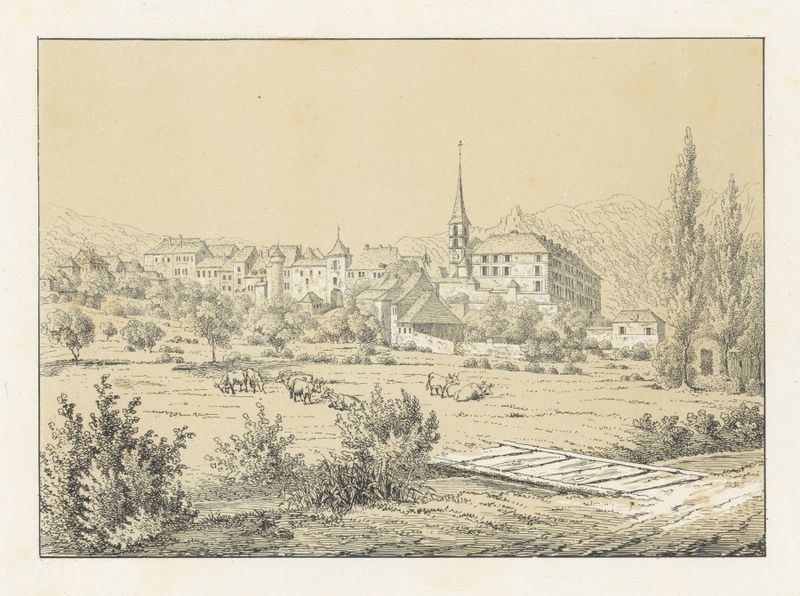
Delémont
Johann Friedrich Wagner

Pleujouse
Johann Friedrich Wagner

Challay
Johann Friedrich Wagner
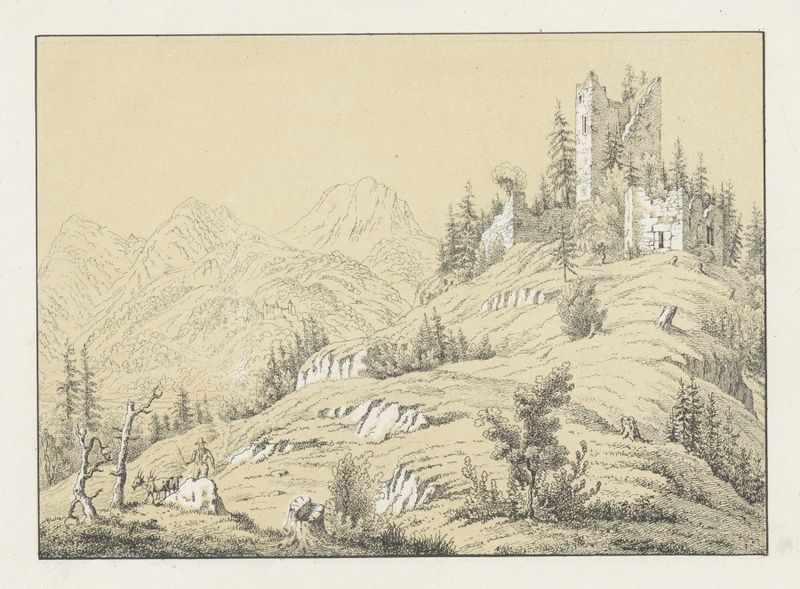
Mont Salvant
Johann Friedrich Wagner
Aha. Od. Untere Burg von Sarnen
Johann Friedrich Wagner

Colombier
Johann Friedrich Wagner





