
Challay — History & Facts
Where does light end, and longing begin? In Challay, an ethereal balance between tranquility and desire unfolds on the canvas, inviting contemplation of the human experience. Begin by focusing on the serene landscape that dominates the composition. Notice how the soft hues of blue and green blend seamlessly, creating an almost dreamlike atmosphere. The gentle strokes suggest a veil of fog that envelops the scene, while a subtle interplay of light and shadow highlights the contours of distant hills.
As you explore further, the delicate interplay of colors evokes a profound sense of stillness, urging you to linger in this moment. Within this calm expanse, the tension between the familiar and the unknown emerges. The still water reflects the muted sky, creating a mirror that invites introspection. On closer inspection, the painter's meticulous detail reveals figures, perhaps engaged in a quiet pursuit or lost in solitary thought.
These elements suggest a yearning for connection amid solitude, embodying the universal struggle to find meaning in the mundane. Johann Friedrich Wagner painted Challay between 1840 and 1844, during a time of personal exploration and growth. Living in Germany, Wagner was influenced by the Romantic movement, which sought to express emotion and individual experience through nature. As he captured this serene moment, he was navigating his own artistic identity, contributing to the rich dialogue of 19th-century art while reflecting the longing for serenity within the chaos of existence.
More Artworks by Johann Friedrich Wagner
Browse all →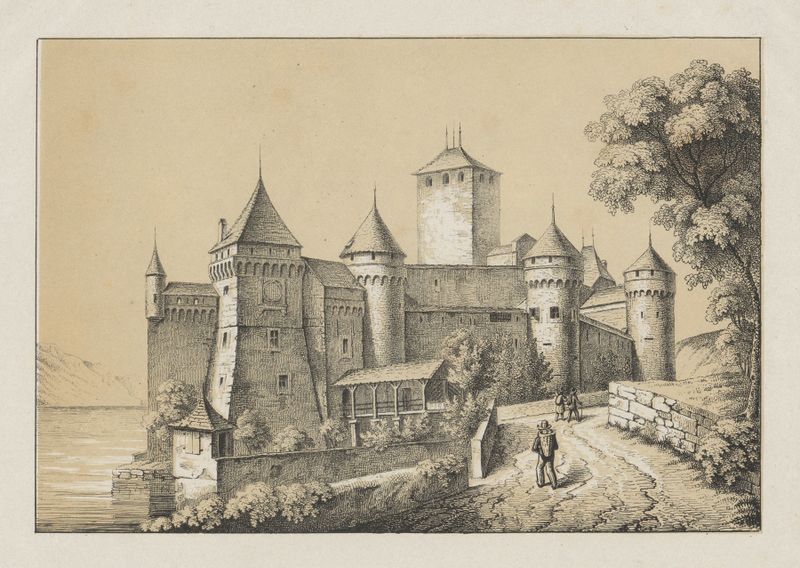
Chillon
Johann Friedrich Wagner

Valangin
Johann Friedrich Wagner
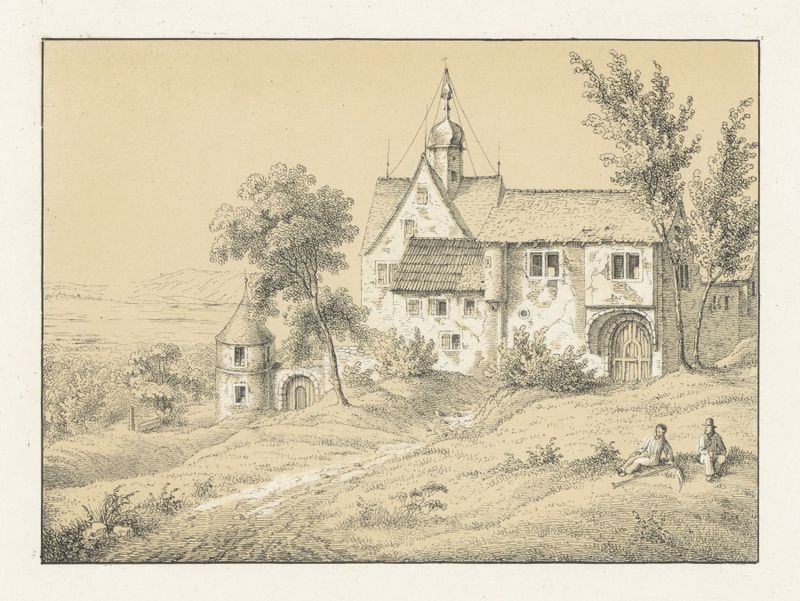
Greifenstein
Johann Friedrich Wagner

Vorburg
Johann Friedrich Wagner
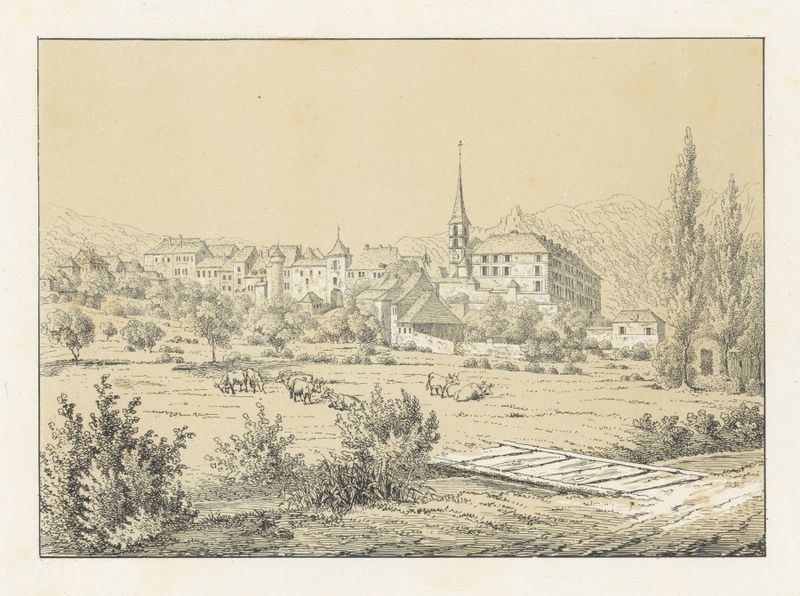
Delémont
Johann Friedrich Wagner

Pleujouse
Johann Friedrich Wagner
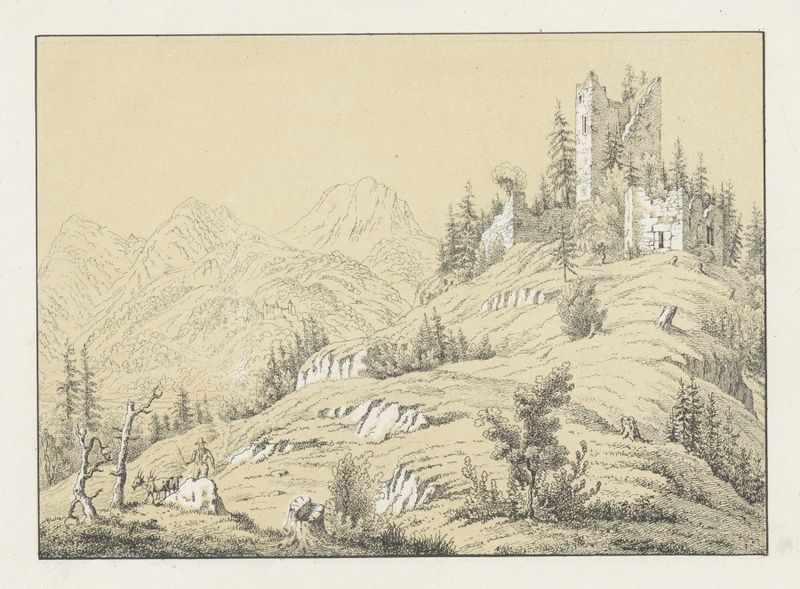
Mont Salvant
Johann Friedrich Wagner
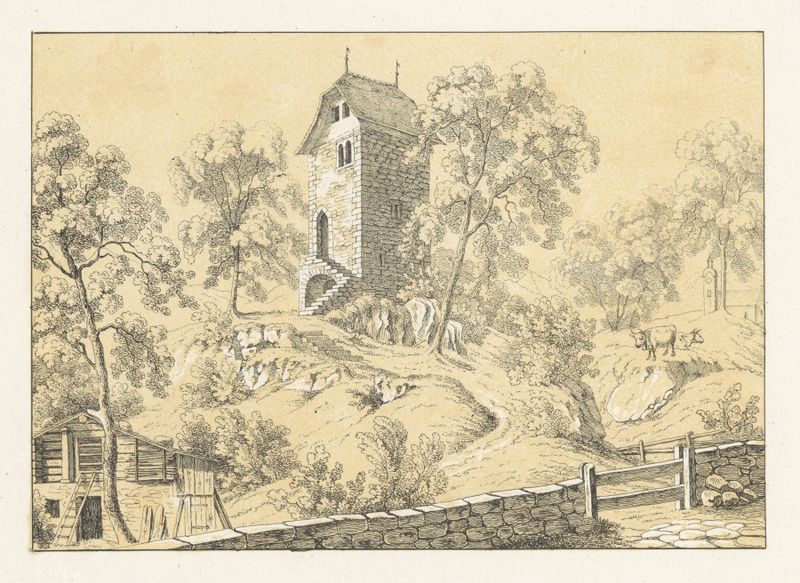
Aha. Od. Untere Burg von Sarnen
Johann Friedrich Wagner
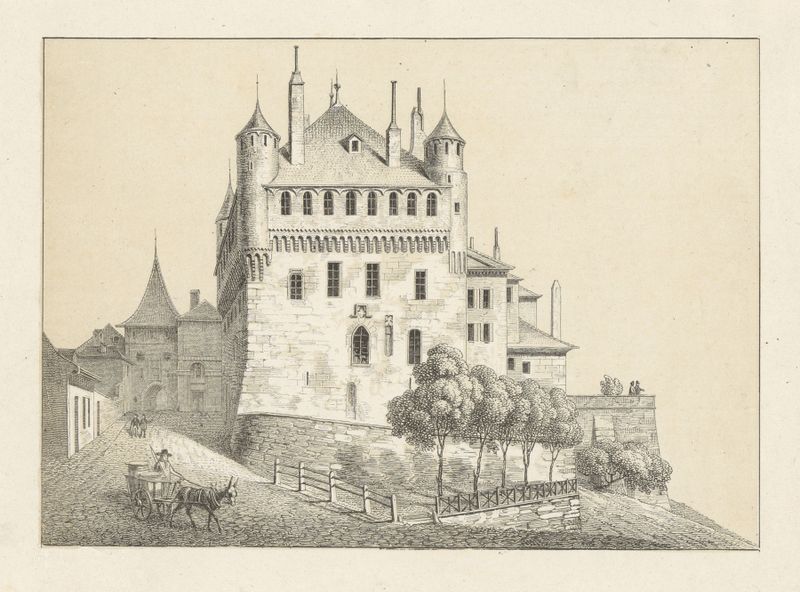
Lausanne
Johann Friedrich Wagner

Colombier
Johann Friedrich Wagner





