
Vorburg — History & Facts
Can beauty exist without sorrow? In Vorburg, a quiet yet haunting beauty unfolds that invites contemplation on the delicate balance between joy and melancholy. Look to the center of the canvas, where a soft golden light cascades over the intricate architecture of the castle. The meticulous detail of the stones, rendered in earthy tones, draws the eye into a world both familiar and distant. Notice how the shadows stretch languidly across the foreground, suggesting an impending dusk that heightens the scene's stillness.
The tranquil waters below reflect the structure’s grandeur, creating a symmetrical harmony that speaks to both stability and fragility. Hidden within the artwork are stark contrasts: the imposing strength of the castle juxtaposed against the calmness of the surrounding landscape. This duality evokes a sense of isolation, hinting at the stories untold within its walls. The silence of the scene resonates, inviting viewers to explore their own emotions in response to such grandeur and solitude.
The absence of human presence accentuates this introspection, leaving one to ponder the whispers of history that linger in the air. Johann Friedrich Wagner painted Vorburg between 1840 and 1844, during a period marked by Romantic ideals that emphasized nature and emotion. Living in Germany, Wagner was influenced by the burgeoning interest in landscape as a means of expressing deeper human feelings. This painting reflects both the cultural shifts of the time and the artist’s fascination with the interplay of light, architecture, and the natural world, capturing a moment that feels timeless.
More Artworks by Johann Friedrich Wagner
Browse all →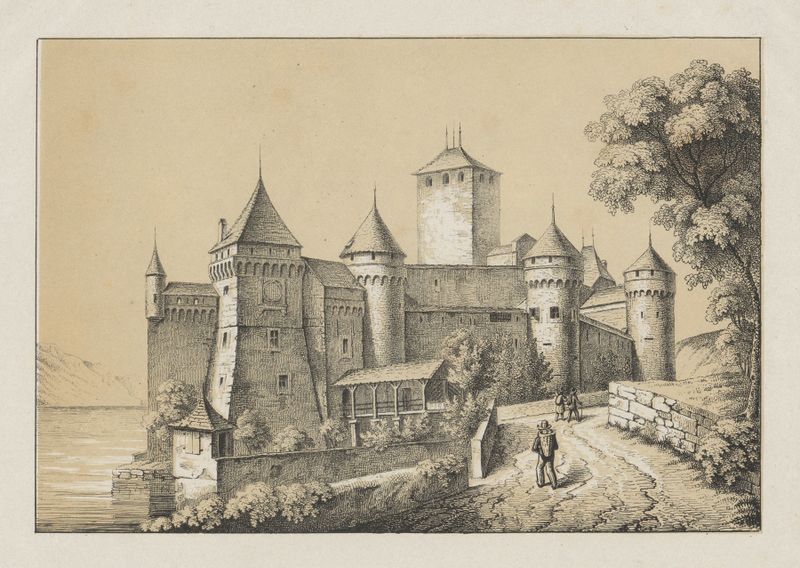
Chillon
Johann Friedrich Wagner

Valangin
Johann Friedrich Wagner
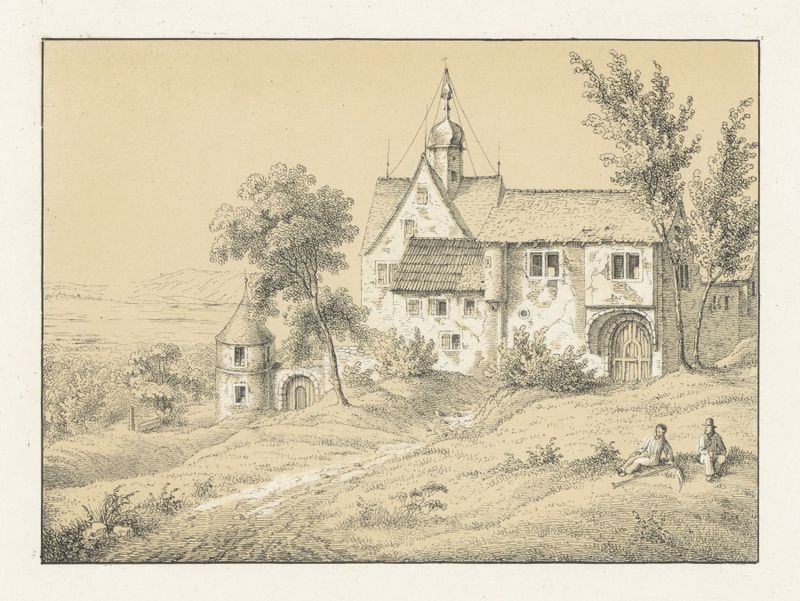
Greifenstein
Johann Friedrich Wagner
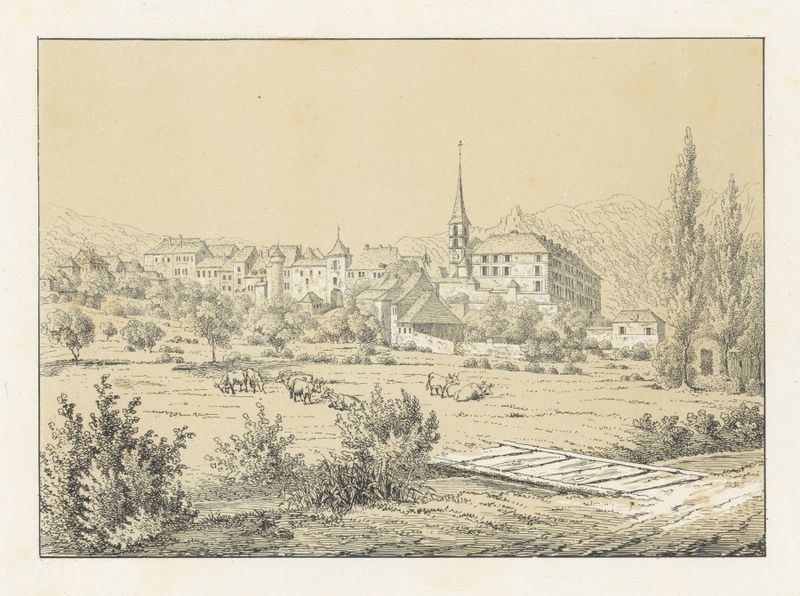
Delémont
Johann Friedrich Wagner

Pleujouse
Johann Friedrich Wagner

Challay
Johann Friedrich Wagner
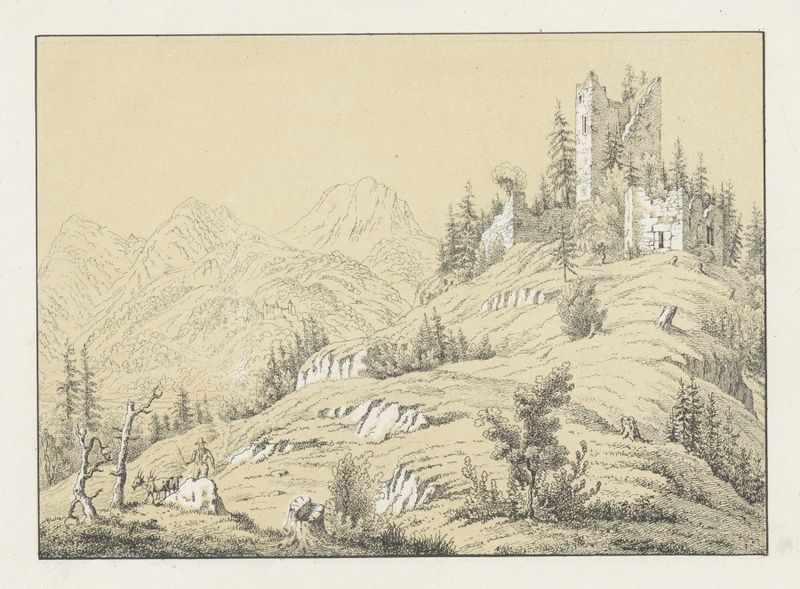
Mont Salvant
Johann Friedrich Wagner
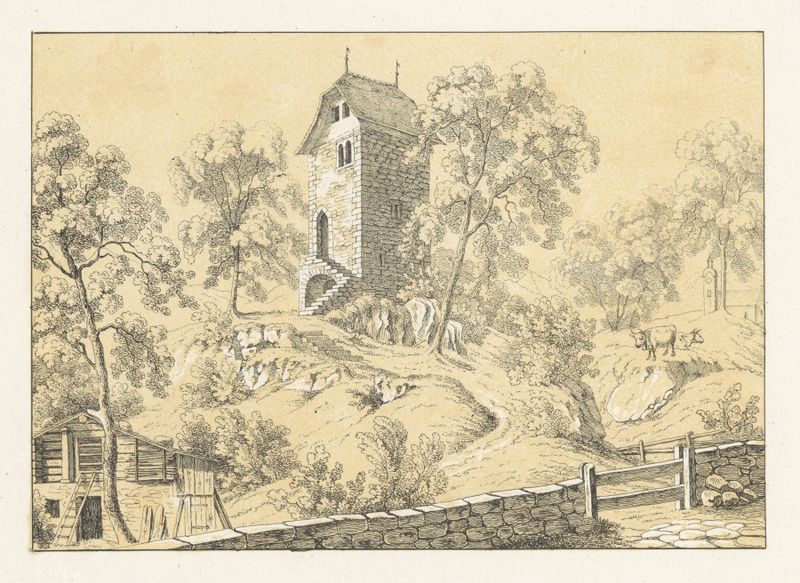
Aha. Od. Untere Burg von Sarnen
Johann Friedrich Wagner
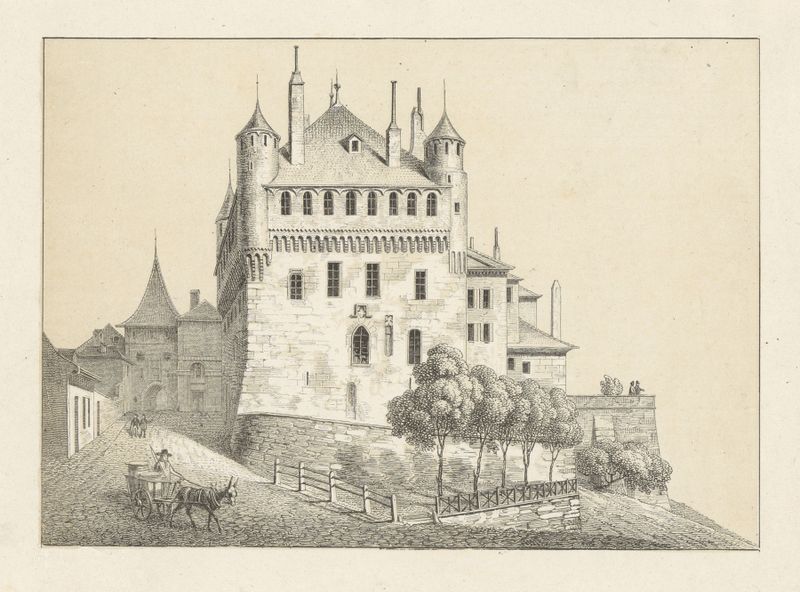
Lausanne
Johann Friedrich Wagner

Colombier
Johann Friedrich Wagner
More Architecture Art
Browse all →
The statue of Liberty
Frédéric Auguste Bartholdi

View of Houses in Delft, Known as ‘The Little Street’
Johannes Vermeer

View of Houses in Delft, Known as ‘The Little Street’
Johannes Vermeer

The Cathedral in Rouen. The portal, Grey Weather
Claude Monet

The yellow house
Vincent van Gogh

The Church in Auvers-sur-Oise, View from the Chevet
Vincent van Gogh