
Greifenstein — History & Facts
Where does light end, and longing begin? In the delicate interplay of color and shadow, Greifenstein unveils a world caught between chaos and serenity. Look to the horizon where a tumultuous landscape meets an explosive sky. The vivid brushstrokes of deep blues and fiery oranges create an unsettling tension, pulling the viewer's gaze toward the swirling clouds that dominate the canvas. Notice how the rocky cliffs loom on the left side, dark and formidable, echoing the chaos beneath.
A gentle light breaks through the clouds, illuminating the distant peaks, hinting at hope and tranquility amidst the disarray. Yet, it is in the details where the true essence emerges. The craggy rocks appear both inviting and menacing, embodying the duality of nature's beauty and ferocity. There is a fragile yet powerful balance at play; the chaos of the stormy sky contrasts with the calm of the landscape below, evoking feelings of longing for stability and peace.
Hidden within this tumult is a narrative of human emotion, mirrored in the rugged terrain—a reminder that beauty often arises from disorder. During the years 1840 to 1844, the artist painted Greifenstein while grappling with the Romantic ideals that permeated the art scene in Germany. Emerging from the shadow of earlier neoclassical styles, Wagner sought to capture the sublime through dramatic landscapes, aligning with the emotional and philosophical shifts of his time. This work is a testament to his exploration of nature’s raw power as a reflection of internal human struggles, resonating with a world on the brink of change.
More Artworks by Johann Friedrich Wagner
Browse all →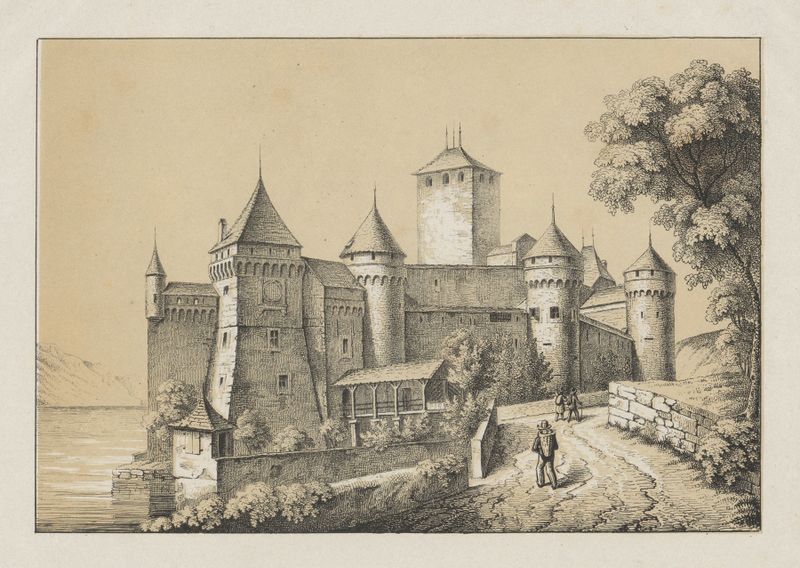
Chillon
Johann Friedrich Wagner

Valangin
Johann Friedrich Wagner

Vorburg
Johann Friedrich Wagner
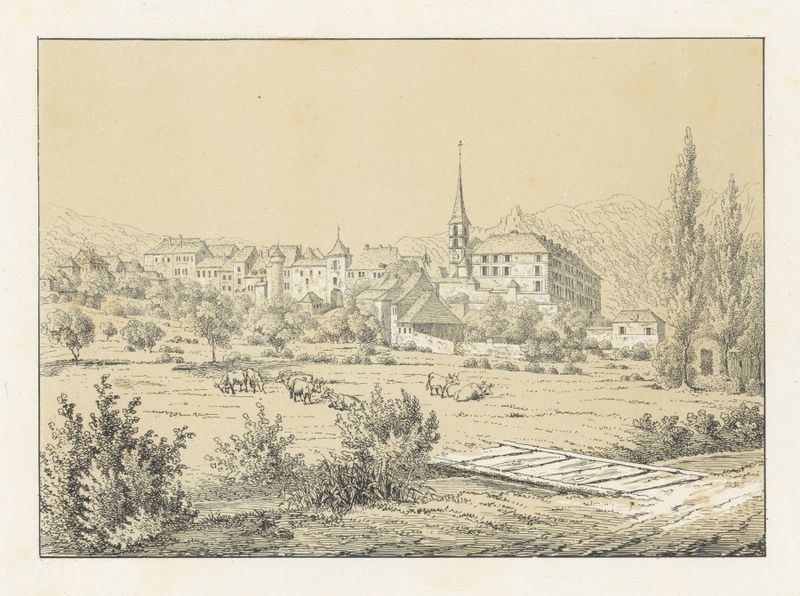
Delémont
Johann Friedrich Wagner

Pleujouse
Johann Friedrich Wagner

Challay
Johann Friedrich Wagner
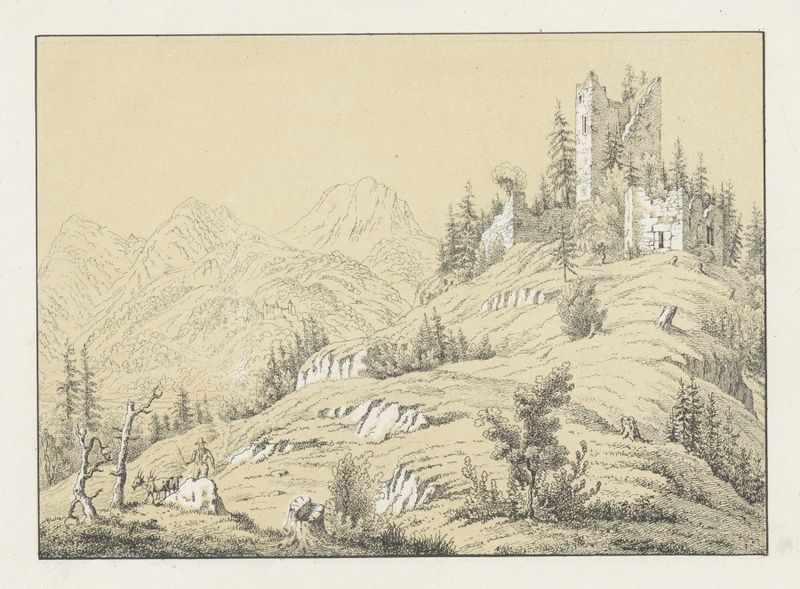
Mont Salvant
Johann Friedrich Wagner
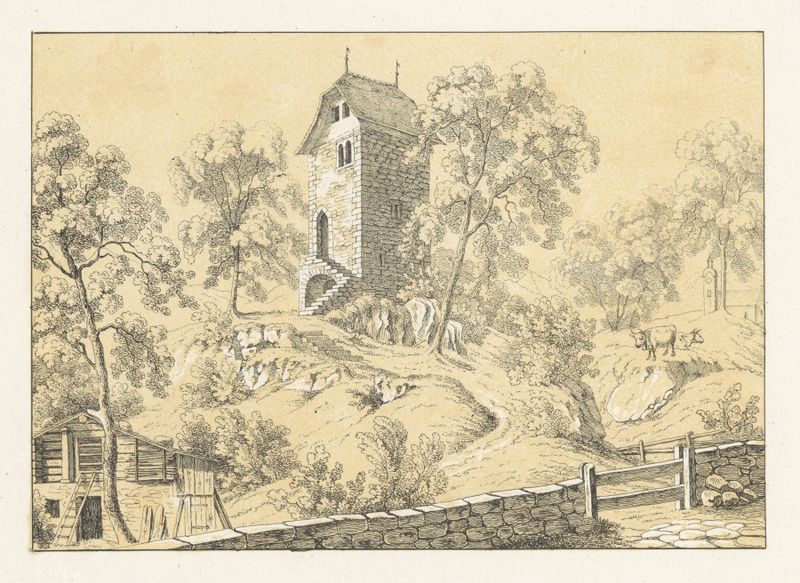
Aha. Od. Untere Burg von Sarnen
Johann Friedrich Wagner
Lausanne
Johann Friedrich Wagner

Colombier
Johann Friedrich Wagner





