
Mont Salvant — History & Facts
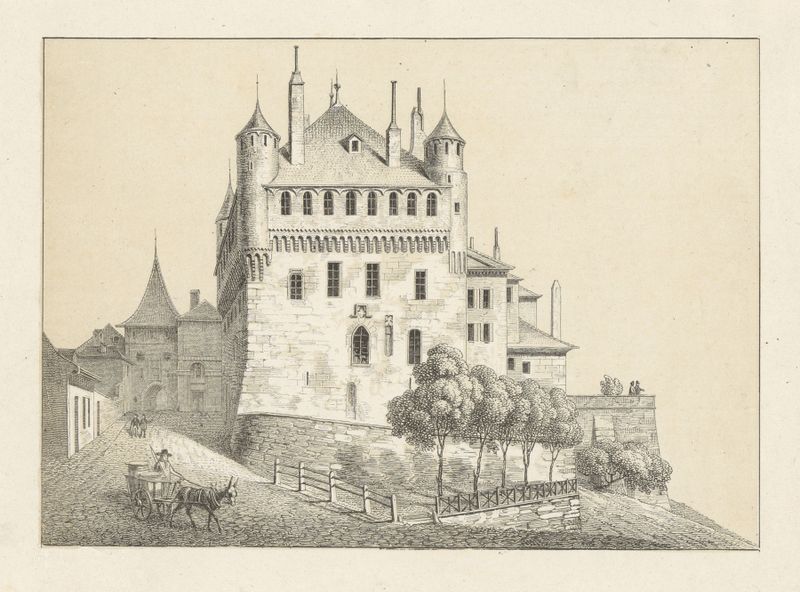
In the stillness of Mont Salvant, the canvas resonates with the weight of mortality, inviting the viewer to contemplate the transience of existence within its serene beauty. Focus first on the majestic mountain landscape, where the towering peak looms in the background, shrouded in ethereal mist. The interplay of light and shadow creates a tranquil yet dramatic atmosphere, emphasizing the rugged texture of the rocks. The gentle hues of muted greens and blues in the foreground serve as a counterpoint to the formidable, almost ominous presence of the mountain, evoking a sense of both awe and introspection. Delve deeper into the subtleties of the composition: the careful placement of trees and the play of clouds hint at the passage of time.
The distant figures, small and almost insignificant against the vastness of nature, remind us of our fleeting place in the world. Each brushstroke reveals a tension between the beauty of the landscape and the inevitable decay that accompanies life, urging us to reflect on our own mortality. Between 1840 and 1844, Wagner created Mont Salvant during a period marked by Romanticism's embrace of nature as a source of inspiration and contemplation. Living in Germany, he was immersed in a world of artistic evolution, where the tension between humanity and nature was a predominant theme.
This piece reflects his exploration of landscapes not simply as backdrops, but as profound reminders of the human condition and the ephemeral nature of life itself.
More Artworks by Johann Friedrich Wagner
Browse all →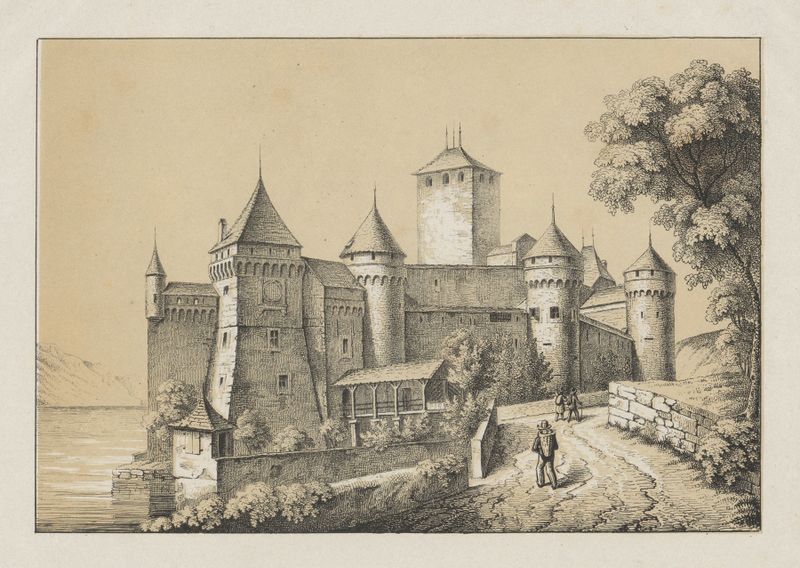
Chillon
Johann Friedrich Wagner

Valangin
Johann Friedrich Wagner
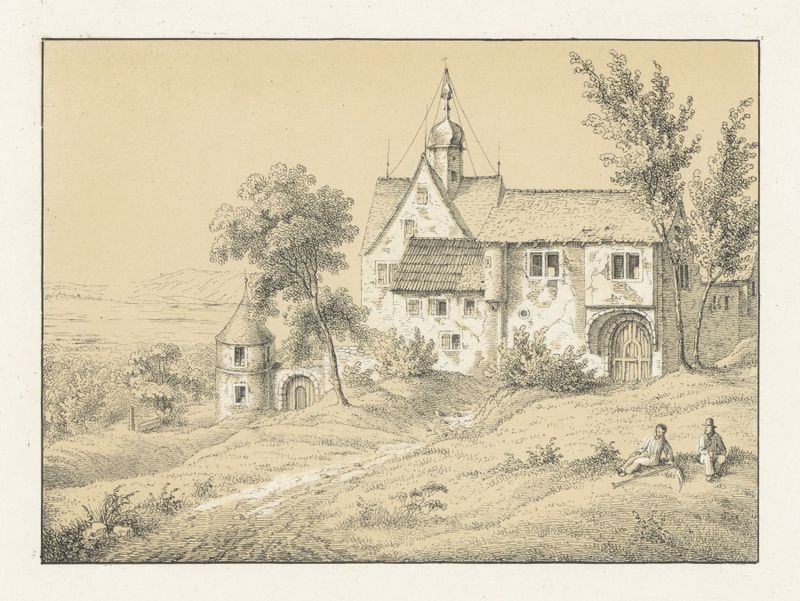
Greifenstein
Johann Friedrich Wagner

Vorburg
Johann Friedrich Wagner
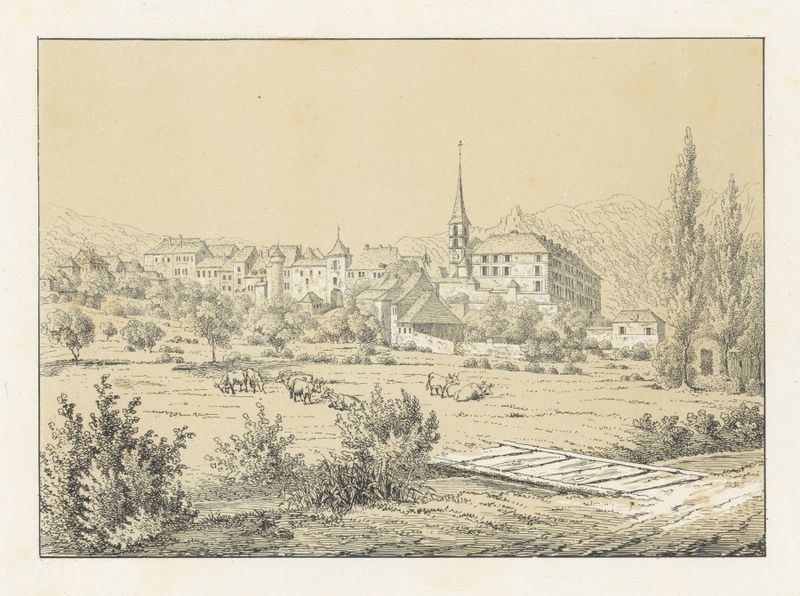
Delémont
Johann Friedrich Wagner

Pleujouse
Johann Friedrich Wagner

Challay
Johann Friedrich Wagner
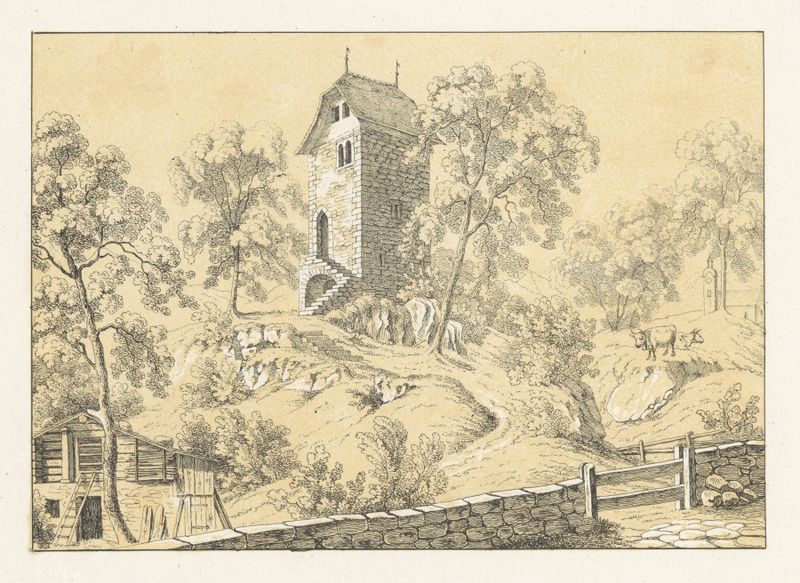
Aha. Od. Untere Burg von Sarnen
Johann Friedrich Wagner
Lausanne
Johann Friedrich Wagner

Colombier
Johann Friedrich Wagner





