
Chillon — History & Facts
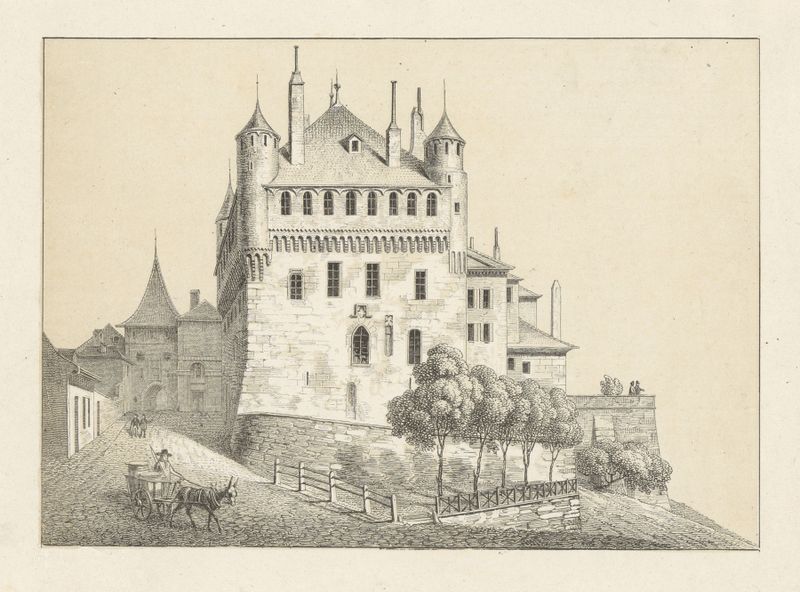
Where does light end, and longing begin? In Chillon, the boundary is beautifully blurred, inviting contemplation on both the physical and the emotional. Look to the left at the gentle ripples of the water, where the soft glimmer of light dances on the surface, reflecting the towering silhouette of the castle. The rich earth tones of the structure juxtapose the ethereal blues of the lake and sky, creating a harmony that enchants the eye. Notice how the slight brushwork adds texture to the stone, revealing the weight of history, while the luminous quality of the water suggests a world in flux.
Each element is meticulously placed, guiding the viewer into a meditative state, as if one might hear the whispers of the past echoing through the stillness. Beneath the surface, the painting hints at deeper narratives. The castle, with its imposing presence, embodies both strength and confinement, evoking a sense of isolation that can be felt even in the serene landscape. The reflection in the water symbolizes the duality of existence—what is seen and what lies beneath.
This interplay between light and shadow conveys not only the beauty of the natural world but also the weight of memories and dreams long forgotten or unrealized. Between 1840 and 1844, Johann Friedrich Wagner created Chillon during a time when Romanticism was shaping the artistic discourse in Europe. Living in a period marked by a fascination with nature and the sublime, he sought to capture not just the physical likeness of the Château de Chillon but also the emotional resonance it held. This era was characterized by an exploration of the internal landscape of the soul, reflecting deeper human experiences that were beginning to find expression in the world of art.
More Artworks by Johann Friedrich Wagner
Browse all →
Valangin
Johann Friedrich Wagner
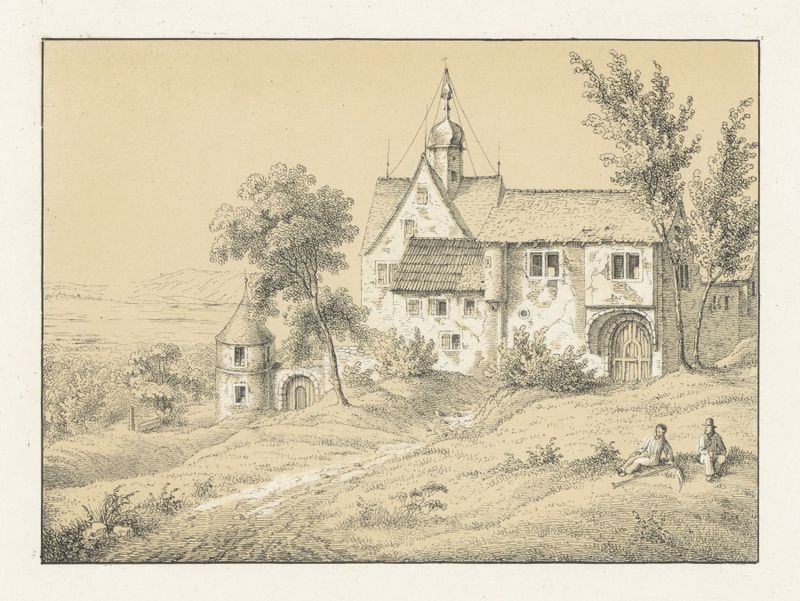
Greifenstein
Johann Friedrich Wagner

Vorburg
Johann Friedrich Wagner
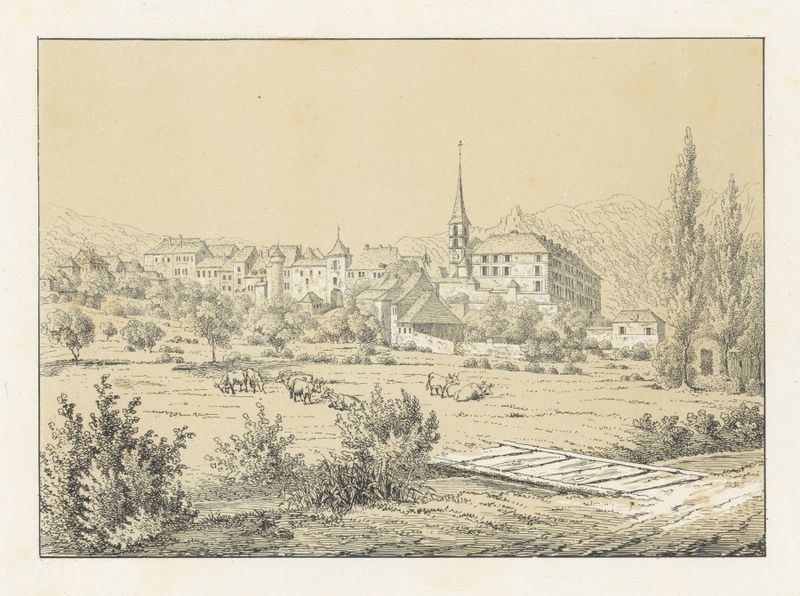
Delémont
Johann Friedrich Wagner

Pleujouse
Johann Friedrich Wagner

Challay
Johann Friedrich Wagner
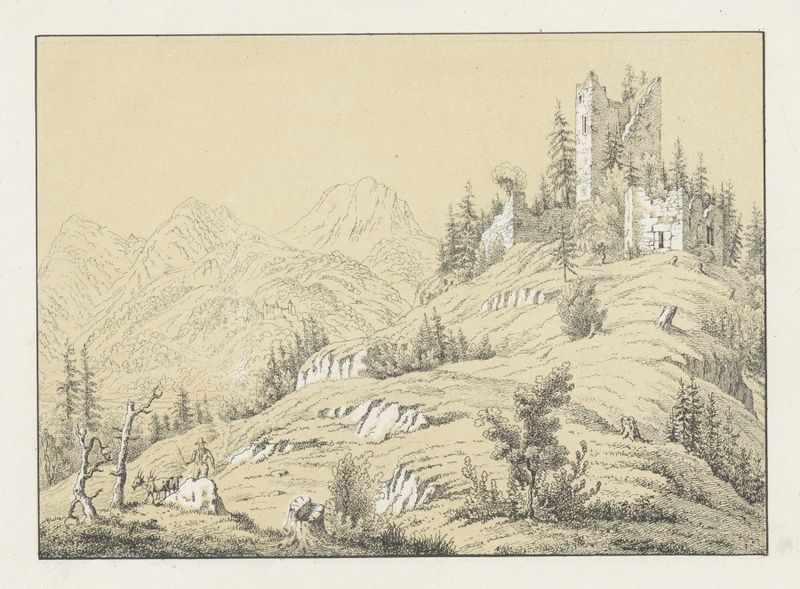
Mont Salvant
Johann Friedrich Wagner
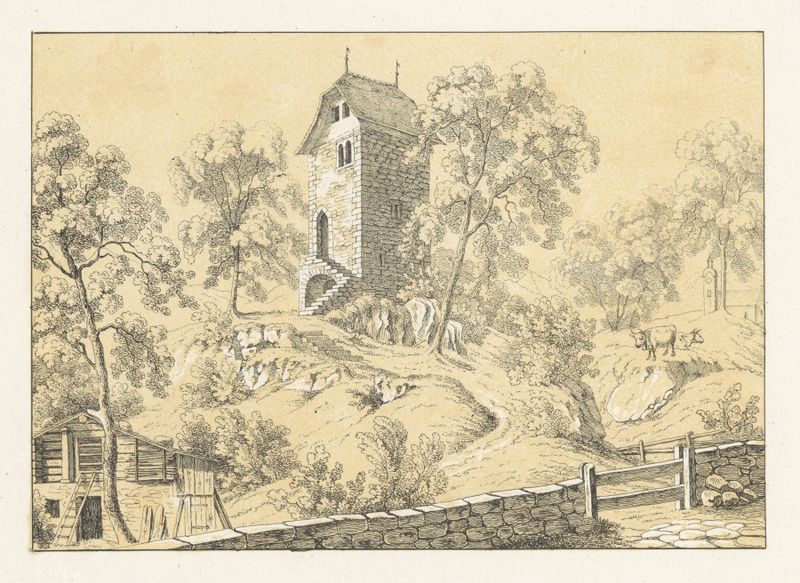
Aha. Od. Untere Burg von Sarnen
Johann Friedrich Wagner
Lausanne
Johann Friedrich Wagner

Colombier
Johann Friedrich Wagner





