
Delémont — History & Facts
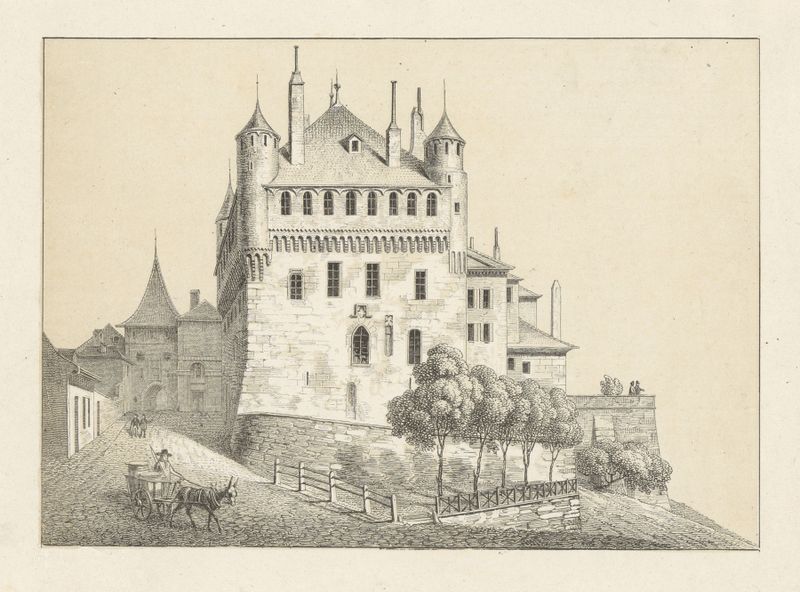
Could a single brushstroke hold eternity? In the intricate strokes of this piece, the legacy of a place extends beyond mere representation, inviting viewers to ponder the passage of time through art. Focus your gaze upon the serene landscape before you, where rolling hills gently cradle a small town nestled by a river. Notice how the soft blues and greens blend to create a harmonious backdrop, while the sun casts dappled light across the scene, illuminating the rooftops with a golden hue. The careful layering of paint captures the essence of tranquility, drawing you deeper into the vibrant yet peaceful atmosphere of the countryside. Within this idyllic setting lie deeper narratives.
The interplay of light and shadow serves as a metaphor for the transition of time, evoking a sense of nostalgia for what has been, while the quiet village hints at the lives that ebb and flow like the river below. Small details, such as the distant figures engaged in daily tasks and the trees swaying gently in the breeze, remind us that life persists, even in stillness, echoing the artist's intention to immortalize a fleeting moment. Created between 1840 and 1844, this work emerged during a time of significant change in Europe. Johann Friedrich Wagner was deeply influenced by the Romantic movement, which sought to express the beauty of nature and the human spirit.
Capturing the essence of his surroundings in the quiet town of Delémont, he contributed to a growing appreciation for local landscapes, reflecting a broader desire to connect with place and identity in a rapidly industrializing world.
More Artworks by Johann Friedrich Wagner
Browse all →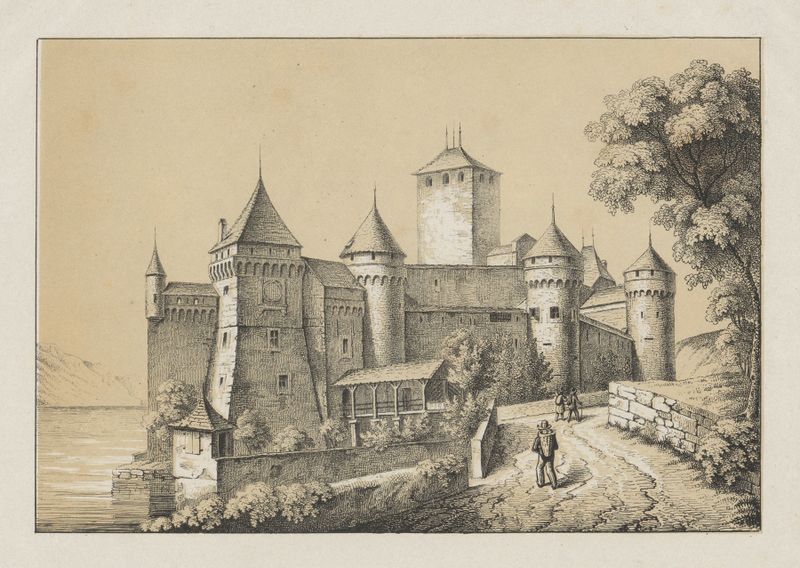
Chillon
Johann Friedrich Wagner

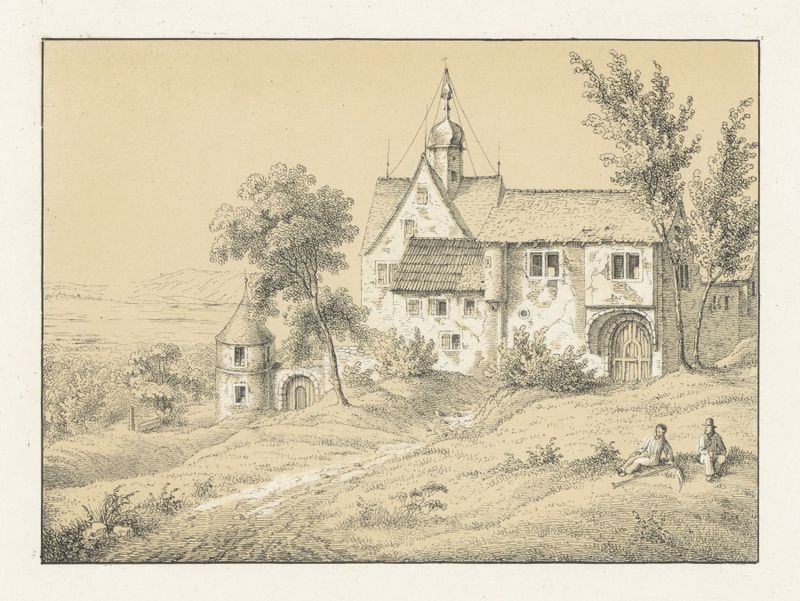
Valangin
Johann Friedrich Wagner
Greifenstein
Johann Friedrich Wagner

Vorburg
Johann Friedrich Wagner

Pleujouse
Johann Friedrich Wagner

Challay
Johann Friedrich Wagner
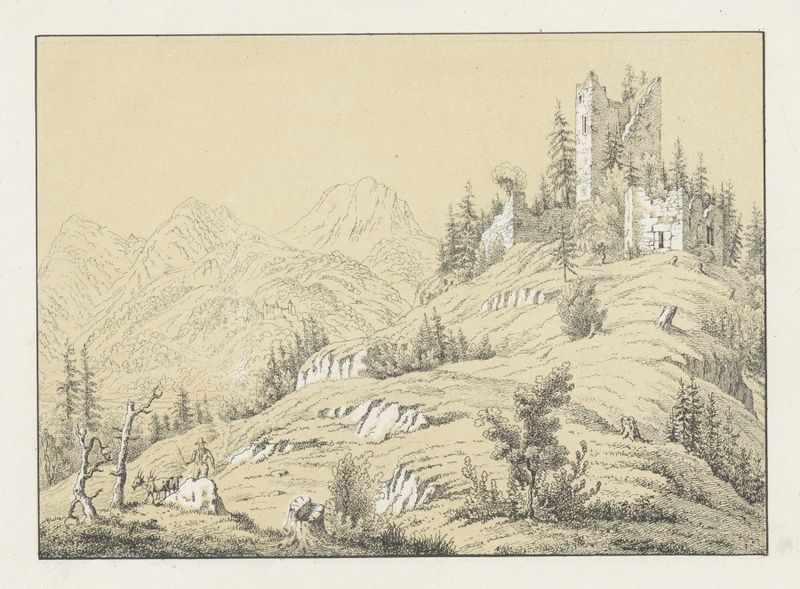
Mont Salvant
Johann Friedrich Wagner
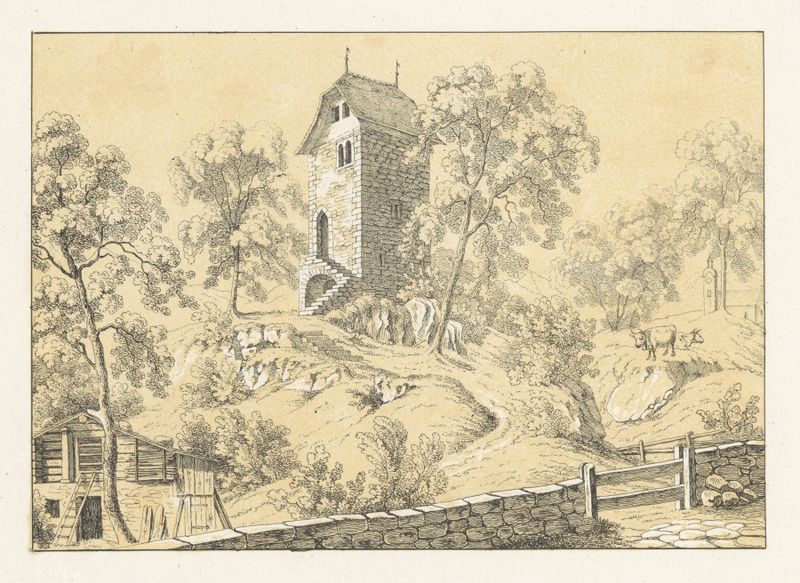
Aha. Od. Untere Burg von Sarnen
Johann Friedrich Wagner
Lausanne
Johann Friedrich Wagner

Colombier
Johann Friedrich Wagner





