
Pleujouse — History & Facts
Could a single brushstroke hold eternity? In the quiet depths of Pleujouse, the passage of time ebbs and flows, inviting us to reflect on the fragments of memory that shape our existence. Look to the center where soft, muted tones of blue and green swirl together, evoking a serene landscape lost in thought. The gentle brushwork captures the essence of a tranquil moment, as if the viewer stands on the threshold of a dream. Notice how the light dances across the surface, creating a shimmering effect that draws your eye into the heart of the scene, revealing layers of color that suggest movement beneath the stillness. Here, nostalgia plays a central role, suggesting a yearning for moments that once were.
The flecks of white interspersed throughout hint at the passing clouds, while the textured strokes evoke the gentle rustle of leaves—each element whispering stories of the past. There is an underlying tension between the calm surface and the chaotic emotions it stirs, illustrating the duality of memory: both beautiful and bittersweet. Created between 1840 and 1844, this work emerged from the hands of Johann Friedrich Wagner during a period marked by the Romantic movement's fascination with nature and emotion. Living in Germany, Wagner engaged deeply with the themes of nostalgia, reflecting the turbulent societal changes of his time, where industrial progress clashed with a longing for the simplicity of the past.
This painting stands as a testament to an artist grappling with the ephemeral nature of life and memory.
More Artworks by Johann Friedrich Wagner
Browse all →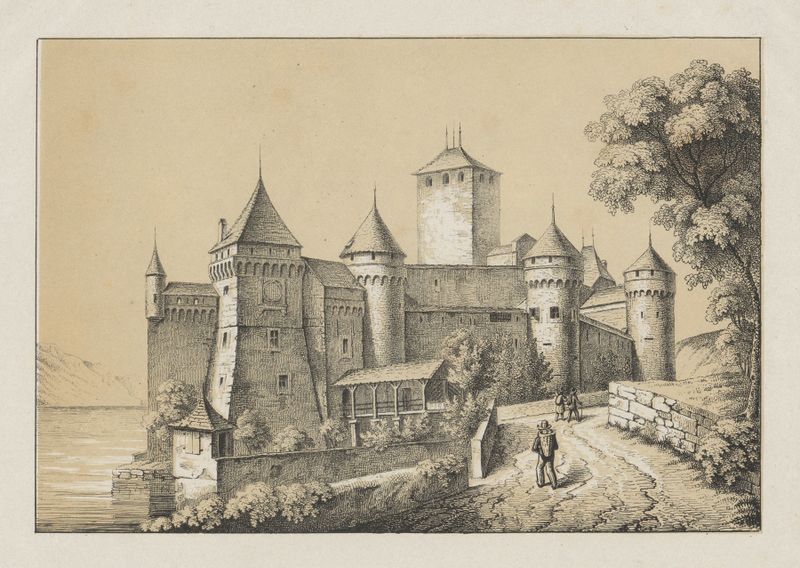
Chillon
Johann Friedrich Wagner

Valangin
Johann Friedrich Wagner
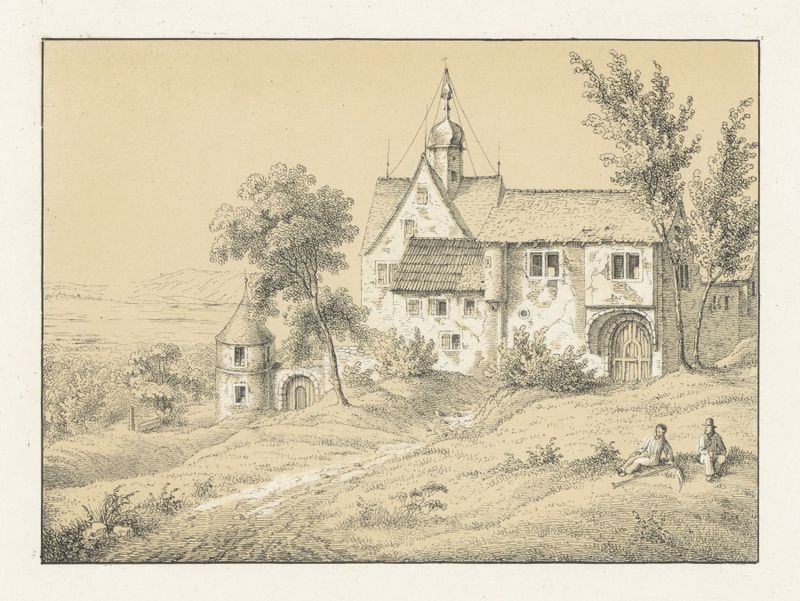
Greifenstein
Johann Friedrich Wagner

Vorburg
Johann Friedrich Wagner
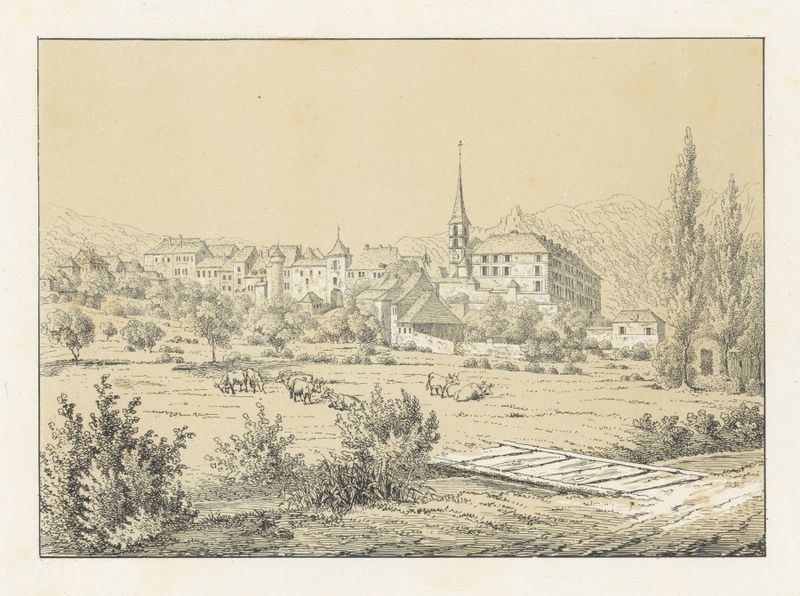
Delémont
Johann Friedrich Wagner

Challay
Johann Friedrich Wagner
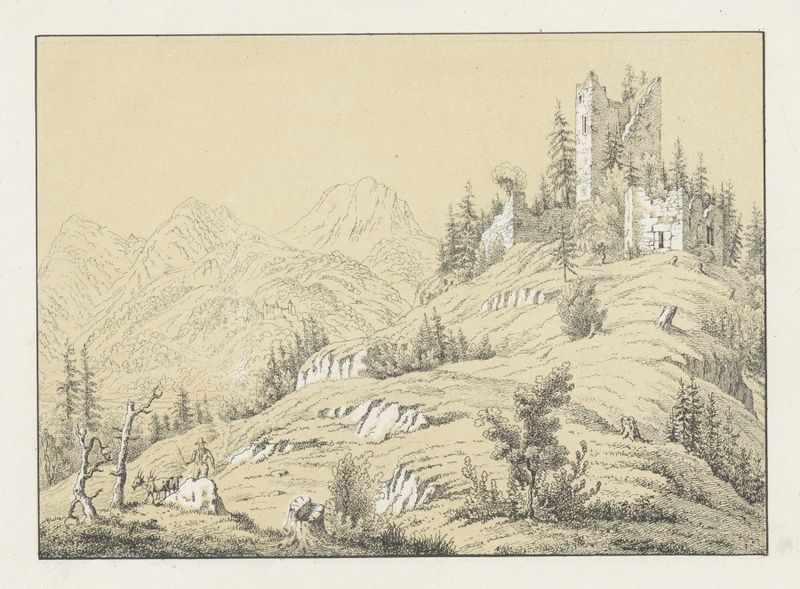
Mont Salvant
Johann Friedrich Wagner
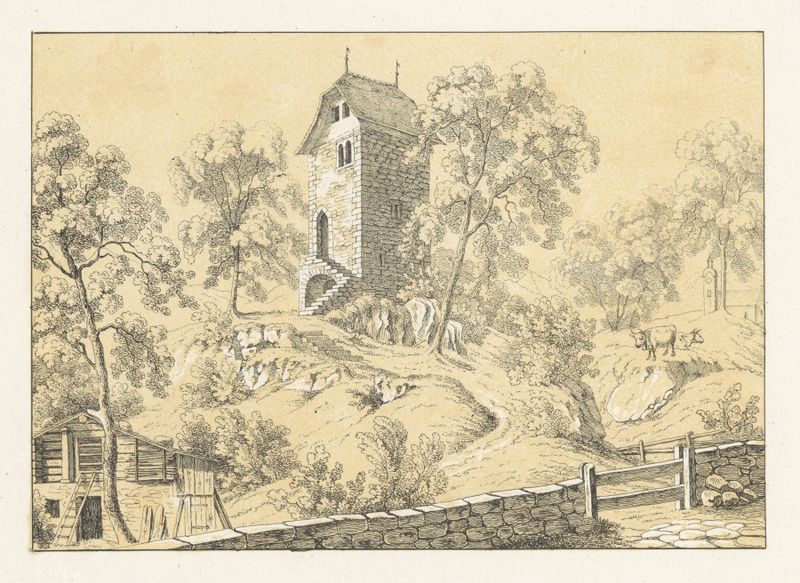
Aha. Od. Untere Burg von Sarnen
Johann Friedrich Wagner
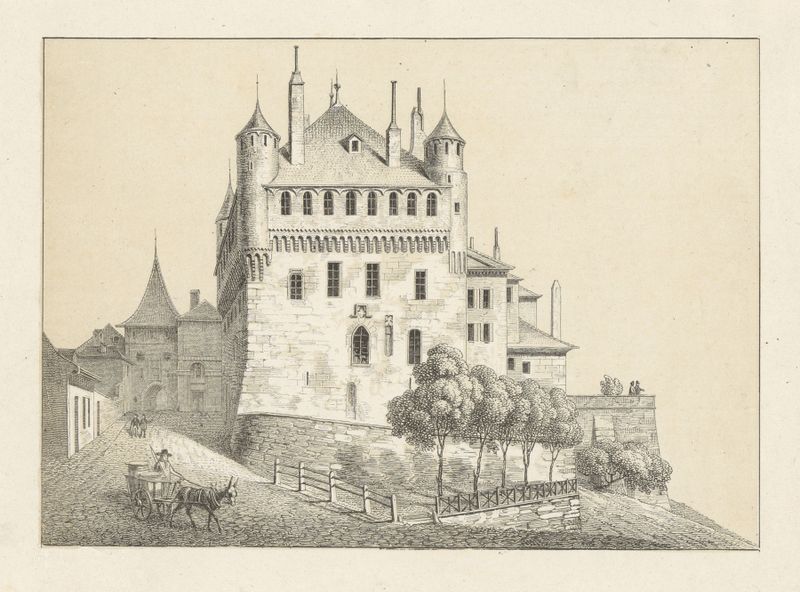
Lausanne
Johann Friedrich Wagner

Colombier
Johann Friedrich Wagner





